3511 236th Street SE, Bothell, WA 98021
To contact a resident: (425) 202-6004
For more information about senior living options: (866) 208-4318
Caring Cabin Manager, LLC Costs & Pricing
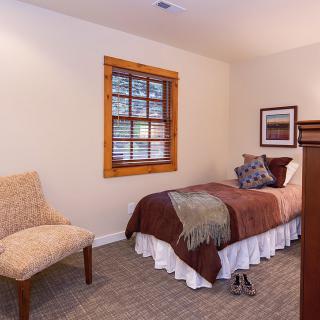
Caring Cabin Manager, LLC offers competitive pricing for its accommodations, reflecting both the unique services provided and the quality of the facilities. For a private room, the monthly cost is $7,900, which is substantially higher than both Snohomish County's average of $4,834 and the state average of $4,772. Similarly, for a one-bedroom unit, Caring Cabin Manager charges $9,000 per month, compared to the county's typical rate of $5,080 and Washington state's average of $4,632. While these prices may initially seem elevated in comparison to local averages, they are indicative of an enhanced level of care and personalized service that sets Caring Cabin Manager apart as a premium option in this market segment.
| Floor plans | Caring Cabin Manager, LLC | Snohomish County | Washington |
|---|---|---|---|
| Private | $7,900 | $4,834 | $4,774 |
| 1 Bedroom | $9,000 | $5,080 | $4,634 |
Memory care communities with a similar price nearby
-
from -$1400 / mo
The Promised Land
$6,500 / month2.4 miles away -
from -$400 / mo
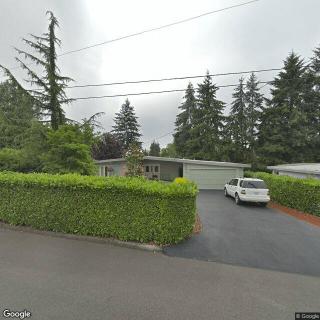
Lake Hills AFH, LLC
$7,500 / month12.8 miles away -
from -$1000 / mo
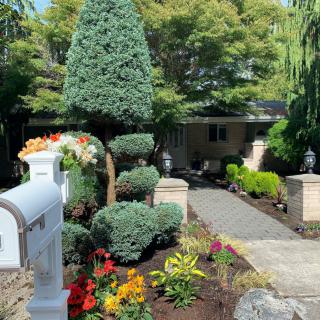
Legends Living Care
$6,900 to $7,500 / month8.1 miles away -
from -$900 / mo
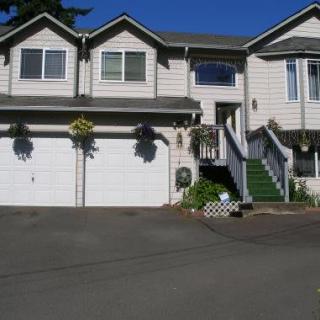
Victoria 1 Adult Family Home
$7,000 to $8,000 / month6.5 miles away -
from +$600 / mo

Richmond Senior Care
$8,500 / month9.0 miles away
Overall Review of Caring Cabin Manager, LLC
Pros
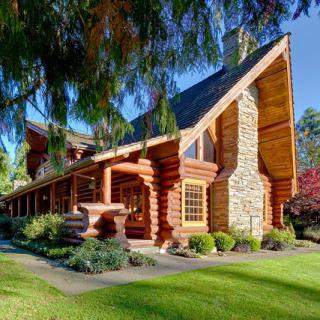
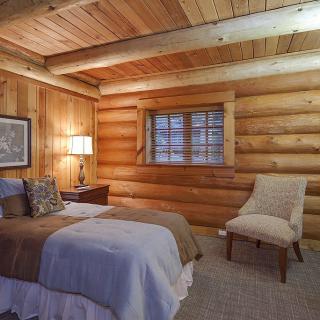
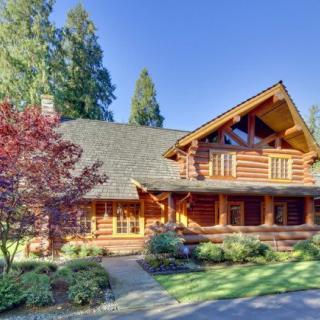
 Caring Cabin is described as clean, beautiful, and peaceful with an outdoor yard for exploration.
- Ina Lungu is portrayed as a skilled, caring RN who treats residents like family.
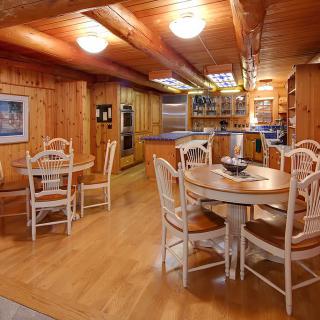
- The meals are home-cooked and often smell delicious, contributing to a comforting atmosphere.
- The staff are generous, friendly, and consistently engaging residents in activities.
- Families feel welcomed, safe, and comforted, with visits easy and encouraged.
- Caring Cabin feels like a second home for loved ones, offering compassionate care.
- The grounds are serene, with opportunities for fresh air, sunshine, and outdoor activities.
- Residents are well cared for, content, and experience an improved quality of life.
- The home is small and intimate, ensuring plenty of individual attention.
- Special events, volunteer visits, and celebrations add joy to residents’ days.
- Families express gratitude and highly recommend Caring Cabin.
Review
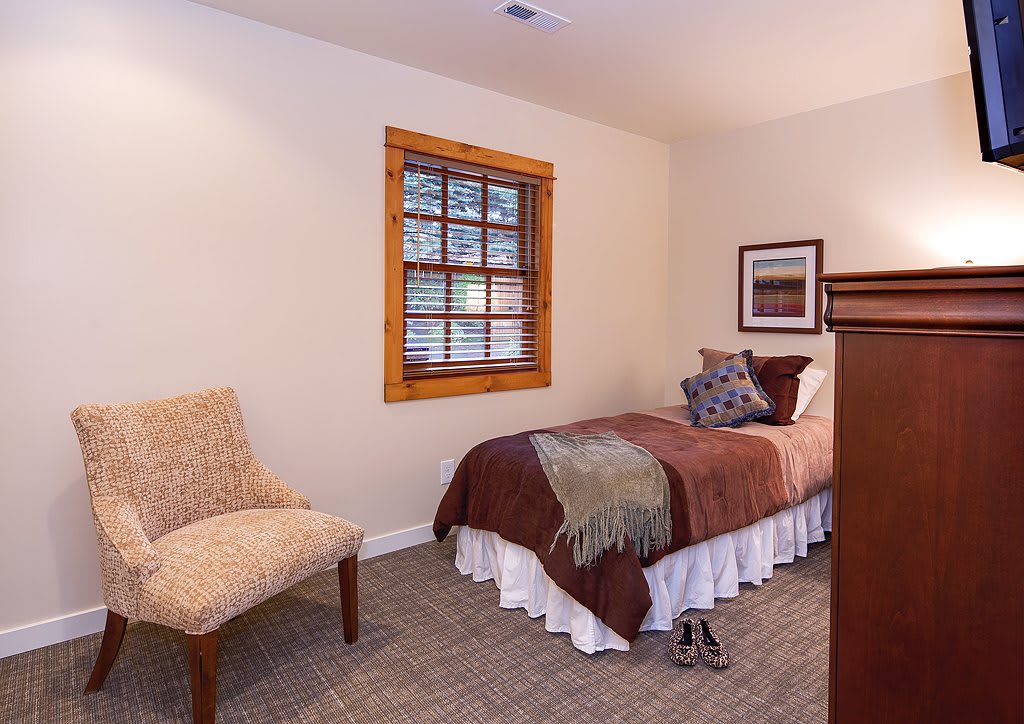
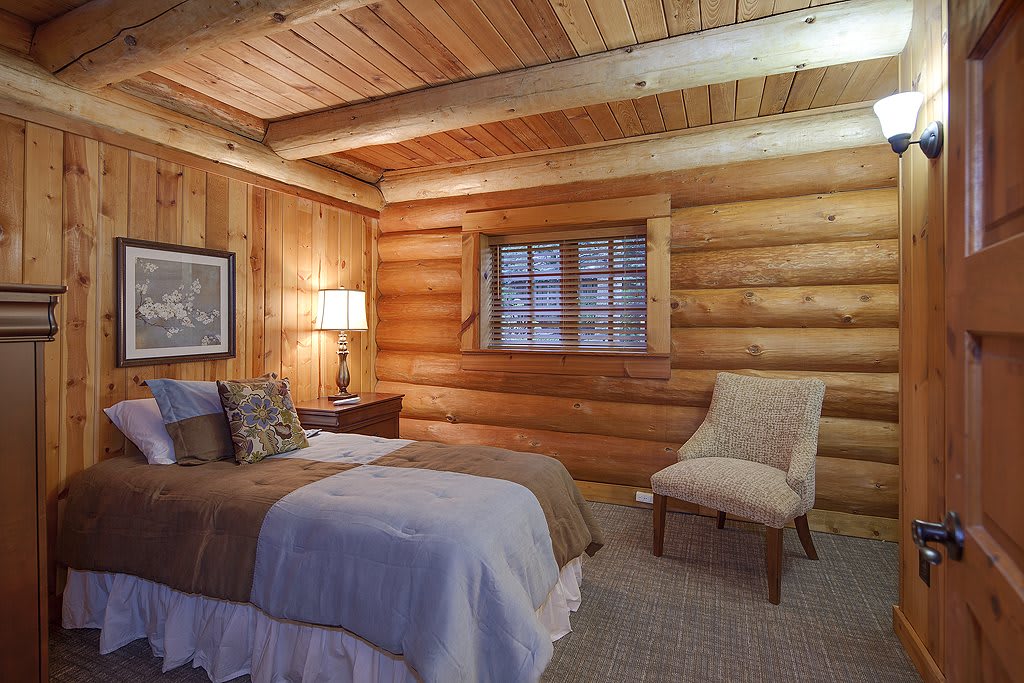
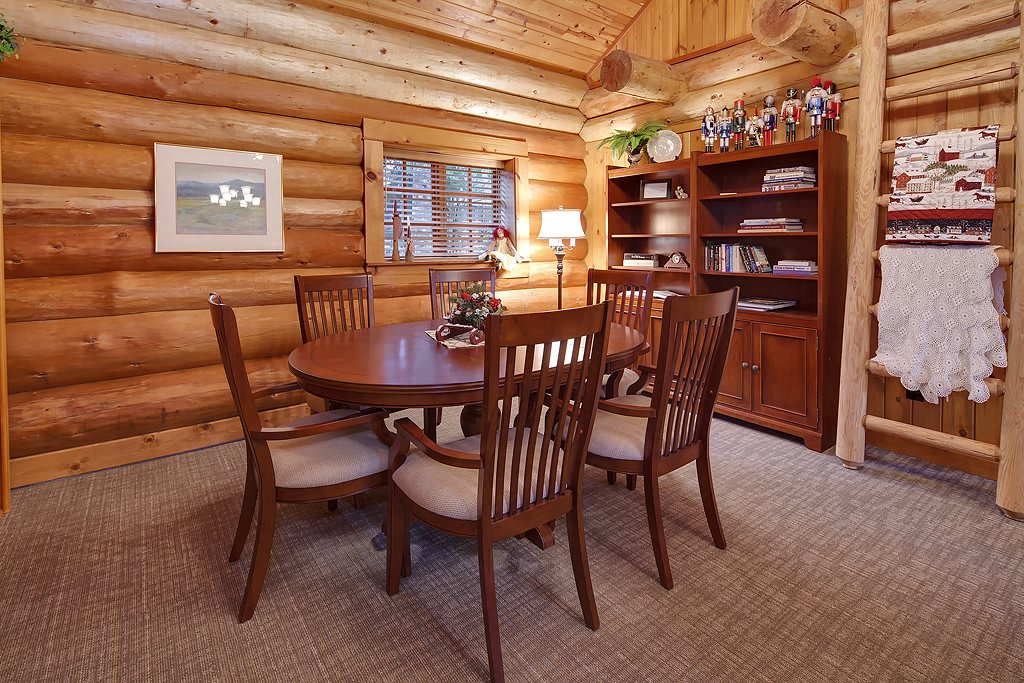
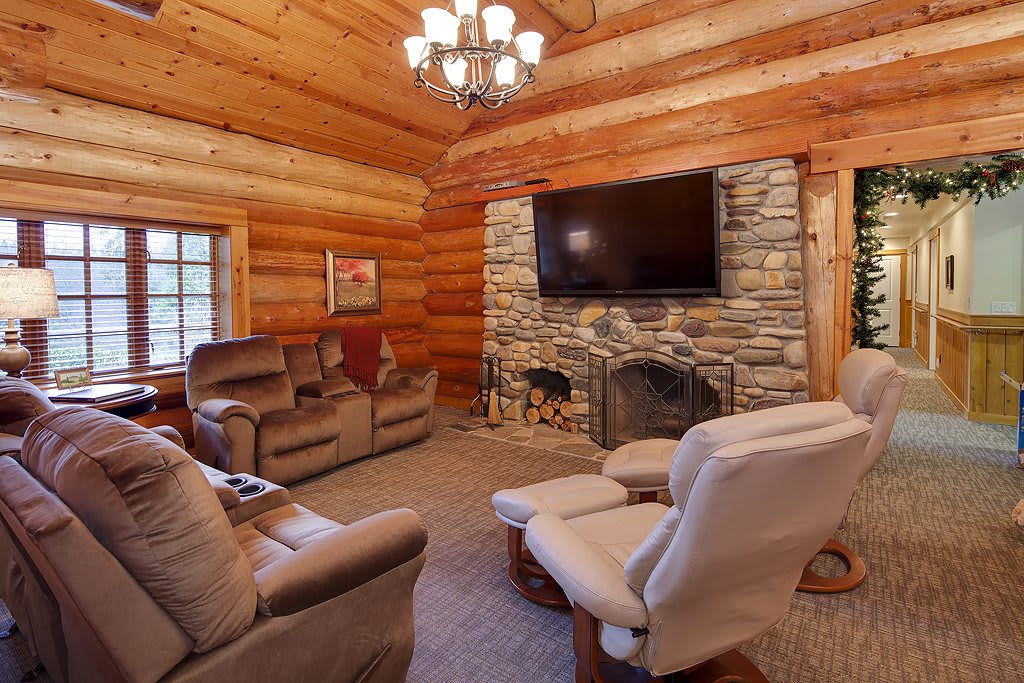
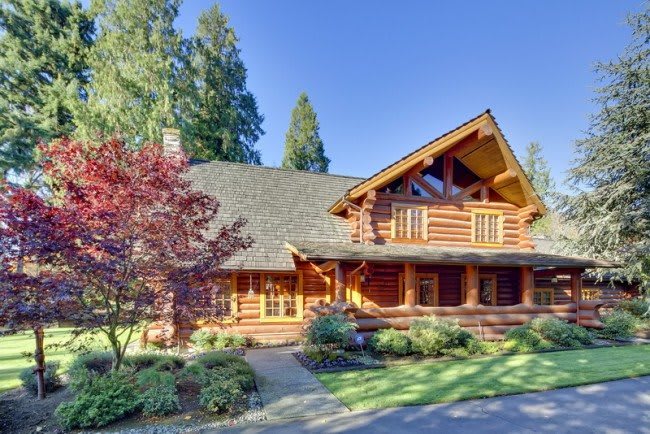
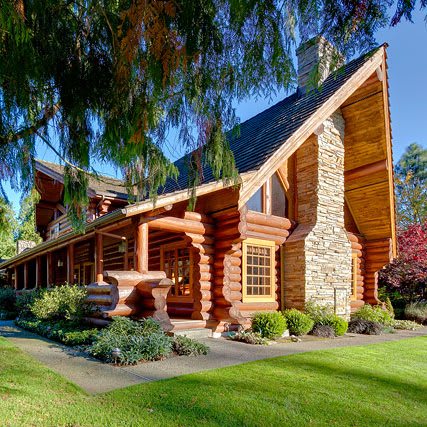
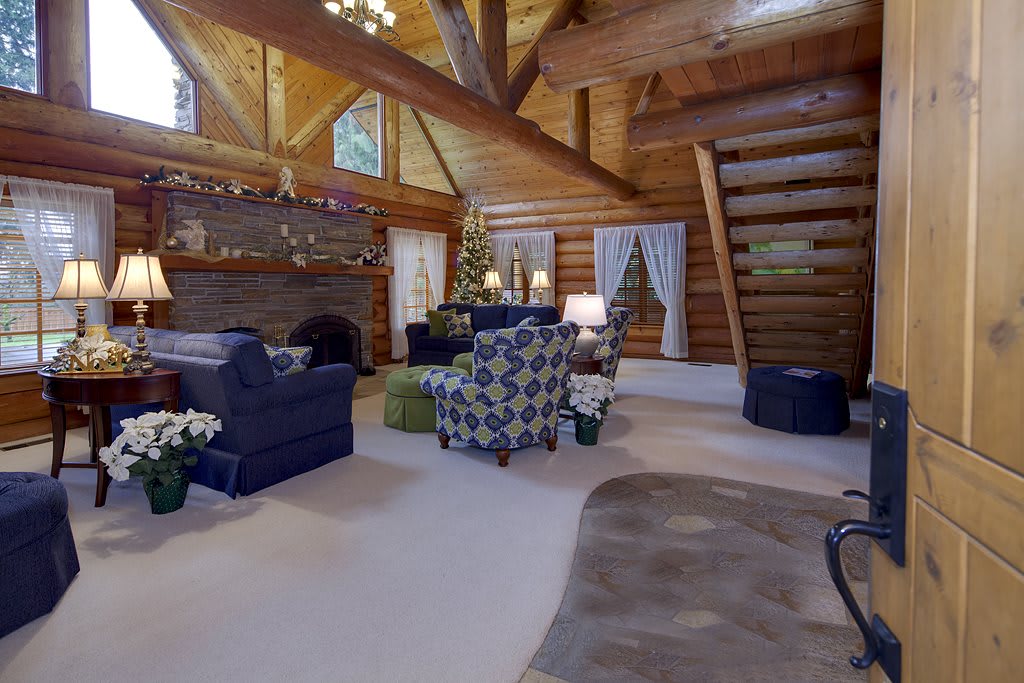
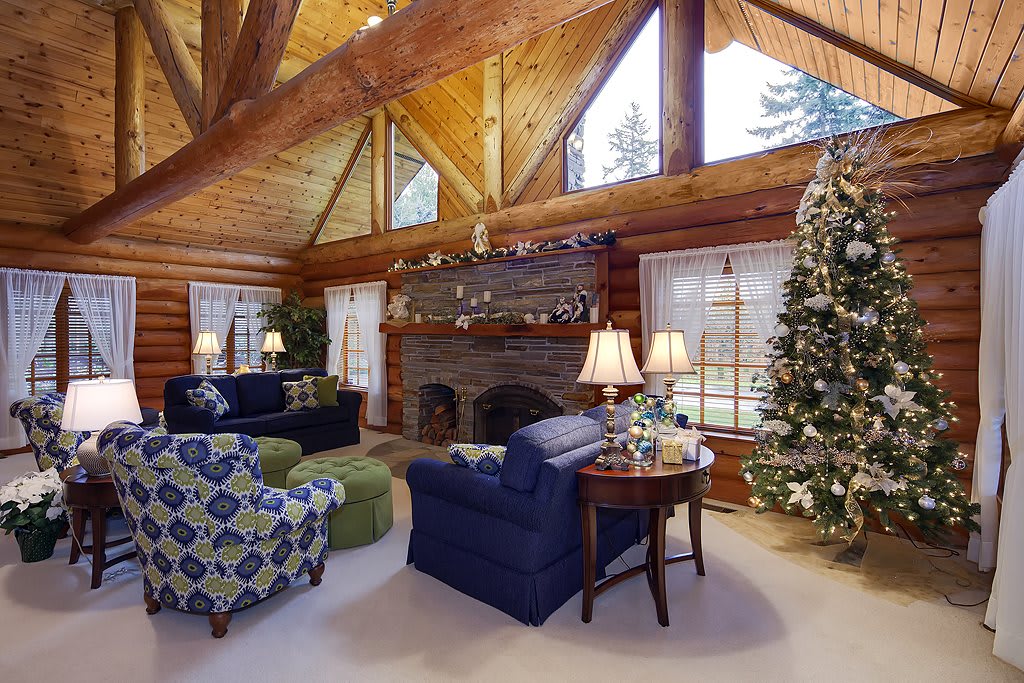
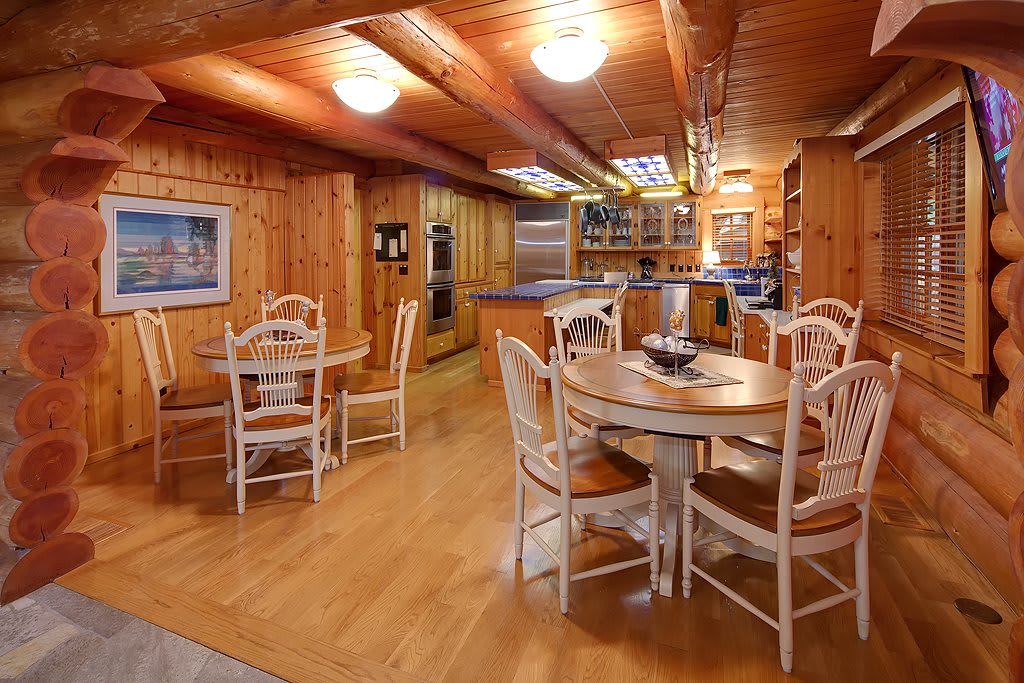
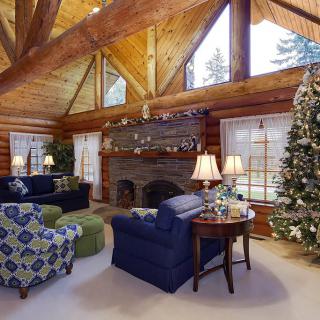
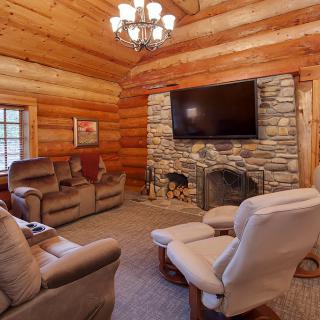
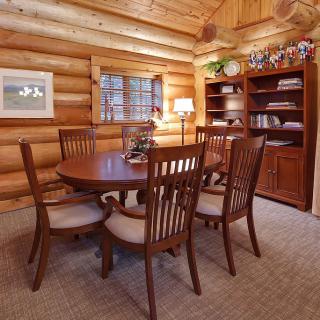
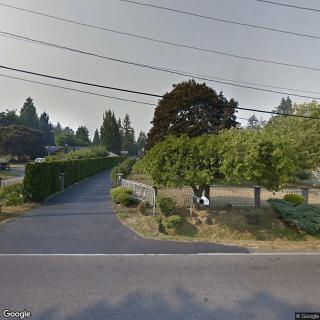
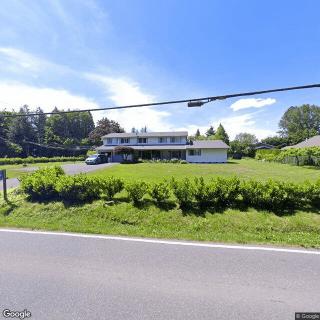
Caring Cabin in Bothell is best suited for families seeking an intimate, home-like setting where a loved one can receive highly personalized care in a small, six-resident environment. This community shines when dementia or age-related frailty is a central concern, and where the goal is to transition a loved one into a setting that feels like family rather than a institution. The on-site RN owner lives with her family, the house is a clean, serene log home, and the grounds offer a private yard, garden, and easy outdoor access. For families who value warmth, continuity, and frequent direct supervision, Caring Cabin stands out as a reassuring, low-key option that prioritizes dignity, connection, and daily meaningful activity.
For those who may want to consider alternatives, this is not the right fit. Families needing aggressive, around-the-clock skilled nursing, high-intensity medical interventions, or a large campus with extensive, formal dementia programming may find a better match elsewhere. Larger assisted living communities or dedicated memory-care facilities typically offer more staff coverage, a broader menu of therapies, and a busier social calendar. If a loved one requires more structured clinical oversight, frequent transfers to hospital facilities, or a more expansive community life, it pays to compare with bigger operators that can provide those capacities on a predictable schedule.
The strongest advantages of Caring Cabin are the elements that consistently appear in the reviews: hands-on, compassionate nursing leadership; a genuine, family-like atmosphere; and a level of cleanliness, comfort, and homestyle dining that many families do not find in larger facilities. Ina, the RN owner, spends substantial time with residents, rather than delegating core nursing tasks to aides, and families report feeling their loved ones are seen and cherished. The six-resident model translates to superb staff-to-resident attention, which reduces the sense of isolation and creates reliable routines, from well-prepared, home-cooked meals to daily exercise, sing-alongs, crafts, and seasonal celebrations. The setting itself, quiet, rural-feeling grounds, a covered porch, opportunities for fresh air, and occasional animal visits, contributes to a calmer, more dignified day-to-day experience. Families also appreciate the ability to visit anytime and the regular sharing of photos, which helps those who cannot be present stay connected.
These strengths offset most of the potential drawbacks by delivering a high-touch, emotionally supportive environment that many loved ones would otherwise miss in larger facilities. The on-site nursing leadership ensures medical needs are addressed with hands-on attention, while the intimate size fosters ongoing relationships that translate into better mood, behavior management, and overall well-being for residents. The consistent emphasis on homey meals, cleanliness, and purposeful activity helps counter any perception of “institutional care,” making the residence feel like a nurturing home rather than a generic care setting. When families describe a sense of safety, happiness, and contentment in their loved ones, the combination of personal attention and a peaceful physical environment is clearly the engine of that satisfaction.
Still, the practical decision requires acknowledging limits. The six-resident format means capacity is finite, and if a family anticipates escalating medical needs, a more robust clinical ecosystem may be necessary. For individuals whose care requires extensive, specialized therapies, or whose dementia-care needs demand a broader activity program and staffing pool, alternatives with larger memory-care units might be more appropriate. Prospective residents should verify the exact scope of nursing services available on-site, including overnight coverage, wound care capabilities, and how changes in medical status are managed within this model. In short, Caring Cabin excels for those who prize intimate care, consistent nursing presence, and a truly home-like life; it is less suited for families seeking a large, institution-like campus with expansive programming.
In sum, Caring Cabin represents a rare, compelling choice for families prioritizing intimate attention, family-style care, and a restful, dignified environment for an aging loved one, particularly with dementia or frailty in play. The combination of an RN-led, on-site owner with a small, tightly knit team creates a level of personalized care that translates into tangible improvements in daily life, safety, and mood. For families that can embrace a high-quality, small-community model and want a home in which staff treat residents like family, Caring Cabin is a strong, credible match. If those criteria align with the loved one’s needs and expectations, a visit will likely confirm the sense of warmth and meticulous care that many families describe in their experiences.
 Board and Care Home
 Memory Care
 Activities off-site
 Cable or satellite TV
 Devotional services off-site
 Ground floor units
 Handicap accessible
 Indoor common areas
 Outdoor common areas
 Private
 Private bathrooms
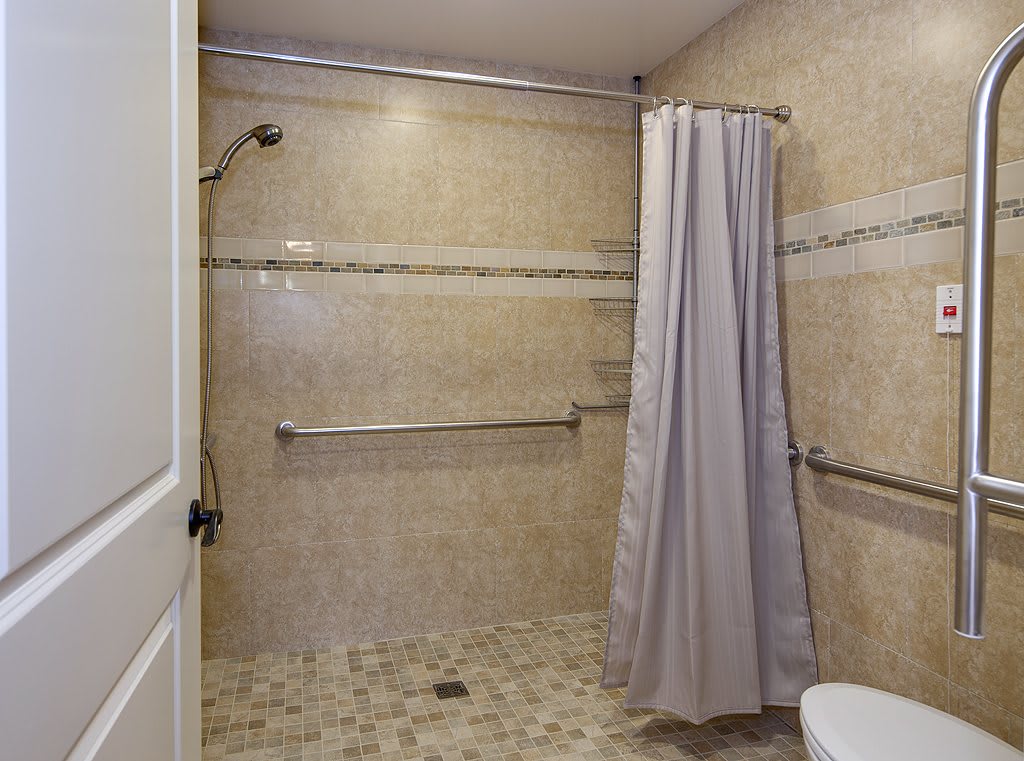
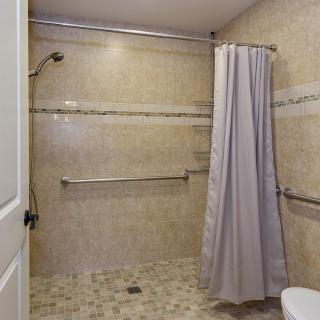
 Wheelchair accessible showers
 Wi-Fi/high-speed internet available
 Seattle-Tacoma International (24 miles away)
 Ambulatory care
 Diabetic care
 High acuity care
 Incontinence care
 Medication management
 Anytime dining
 Art classes
 BBQs or picnics
 Birthday parties
 Gardening club
 Live musical performances
 Pet-focused programs
 Stretching classes
 Engaging Memory Care Activities That Enhance Quality of Life
 When to Transition from Assisted Living to Memory Care: Key Indicators, Steps, and Finding the Right Community
 Understanding the Distinctions: Assisted Living and Memory Care Explained