
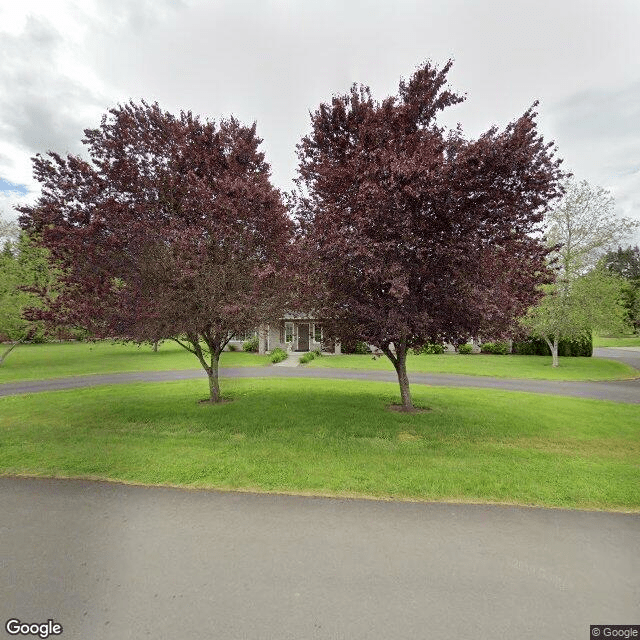
10303 NE 184th St., Battle Ground, WA 98604
To contact a resident: (360) 600-6672
For more information about senior living options: (866) 208-4318
Grandpa's Place Costs & Pricing
At Grandpa's Place, the cost for a private room is set at $3,000 per month, which is notably more affordable compared to the average costs in Clark County and the broader state of Washington. In Clark County, private room rates typically reach around $3,992, while across Washington state, the cost escalates further to an average of $4,772. This pricing structure positions Grandpa's Place as a competitive and attractive option for families seeking quality care without the financial strain often associated with higher-priced facilities. Their commitment to affordability while maintaining standards of care makes them a commendable choice in the region.
| Floor plans | Grandpa's Place | Clark County | Washington |
|---|---|---|---|
| Private | $3,000 | $3,992 | $4,774 |
Memory care communities with a similar price nearby
-
from -$500 / mo
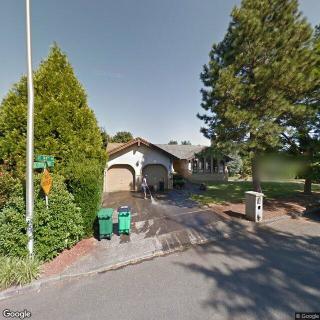
A Gentle Care Home
$2,500 / month20.3 miles away -
from +$500 / mo
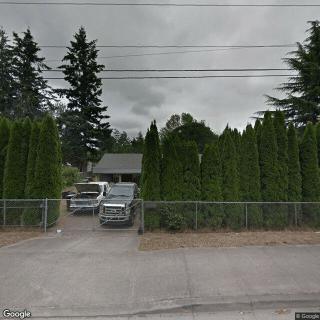
American Living Adult Family Home LLC
$3,500 / month6.8 miles away -
About the same
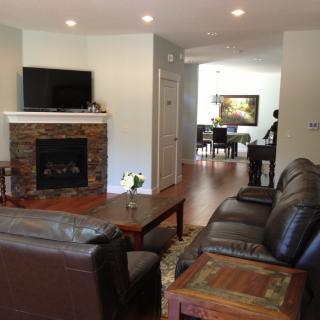
Elder Garden Care Home, LLC
$3,000 / month16.9 miles away -
from +$500 / mo
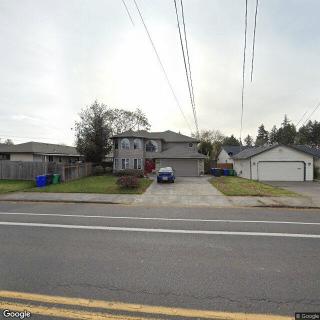
Northwest Home Health
$3,500 to $3,700 / month19.4 miles away -
from -$200 / mo
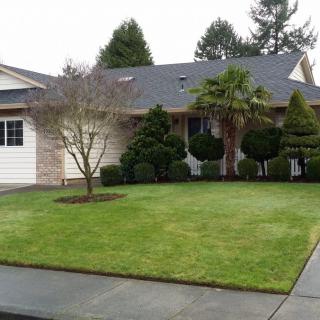
Aging Gracefully Family Home
$2,800 to $3,500 / month9.4 miles away
Overall Review of Grandpa's Place
Pros
 The staff and the facility’s cleanliness are highly praised.
- Hospice care was available and provided during the final days.
- Another sister is cared for at Grandmas Place and seems content and well cared for.
- Health has improved since arriving at Grandmas Place, with meds and diet monitored.
- The care given to the sisters is deeply appreciated.
- The facility features animals such as pigs, chickens, ducks, and geese, which adds to the experience.
- Children had a great time with the animals.
Review
Grandpa's Place in Battle Ground, WA is best suited for seniors who want a small, intimate, home-like environment where attentive staff and a pristine setting translate into reliable daily care. The community excels for families that anticipate flexible end-of-life support, because hospice can be integrated smoothly and care plans adapt as needs shift. In practice, residents benefit from steady oversight of medications and diets, which helps maintain stability and dignity. The overall atmosphere, clean, calm, and personally managed, appears to reduce the stress of transitioning to a new living arrangement, making it a practical choice for those who value consistency and hands-on attention.
For families weighing options, this community is less ideal for those seeking a large campus with expansive programming or specialized memory-care services. The reviews center on individualized care and housekeeping rather than on a broad slate of arranged activities, recreation, or formal memory-support features. Prospective residents who want robust, destination-style amenities, frequent group outings, or advanced cognitive-care programming may want to compare with larger facilities that publicly highlight those offerings.
The strongest positives balance the limited footprint of information with clear, observable quality. Staff responsiveness and a clean, orderly environment emerge as reliable strengths, contributing to a sense of safety and respect for residents. The ability to bring in hospice care without barriers and to monitor medications and diets directly addresses two critical concerns for families: medical oversight and nutritional stability. When a resident’s health fluctuates or end-of-life planning becomes relevant, these factors reduce uncertainty and support a steady, dignified caregiving experience.
Yet there are tangible considerations to keep in mind. The small number of detailed reviews means that crucial questions about staffing ratios, daily schedules, activities, and transportation are not fully documented. Pricing transparency and what exactly is included in monthly fees are not specified in the available information, making it essential to request a clear breakdown during a visit. For families evaluating long-term viability, the absence of explicit programming or specialized-care design in the public descriptions may be a drawback.
Another distinctive feature is the on-site, farm-like environment, with pigs, chickens, ducks, and geese contributing to a warm, homey feel. This can be a genuine source of joy and sensory stimulation for residents who enjoy animals, visits from grandchildren, and a less clinical ambiance. However, this same environment may not suit every resident, those with animal allergies, fears, or sensitivities could find the surroundings less comfortable. The animal component is a meaningful differentiator that should be weighed alongside medical and social needs.
In the end, Grandpa's Place is a solid fit for families prioritizing compassionate, personalized care, immediate access to hospice support, and a tidy, low-stress setting that supports dignity and stability. It may not meet the expectations of those seeking expansive programming, formal memory-care specialization, or transparent, comprehensive pricing at a glance. Practical next steps include scheduling a tour, observing interactions between staff and residents, inquiring about typical staff-to-resident ratios, reviewing the activity calendar, and confirming the exact scope of hospice services and dietary oversight. With clear answers to these questions, the decision becomes a matter of aligning the home-like culture and careful care with the resident’s specific medical needs and personal preferences.
 Board and Care Home
 Memory Care
 Private
 Portland International (12 miles away)



 8 Key Indicators That Suggest It May Be Time to Transition from Assisted Living to Skilled Nursing Care
 Nourishing the Mind: Essential Dietary Approaches for Dementia
 Understanding Dementia Behaviors: Practical Insights and Strategies for Caregivers