208 South West 20th Avenue, Battle Ground, WA 98604
For more information about senior living options: (866) 208-4318
4.3 from 75 reviews
5 stars
52
4 stars
9
3 stars
4
2 stars
5
1 stars
5
Creekside Place Costs & Pricing
Creekside Place offers competitive pricing for its residential accommodations compared to regional and state averages. For a semi-private room, the monthly cost is $5,100, which is significantly higher than both Clark County's average of $3,897 and Washington state's average of $4,267. Similarly, the studio option at Creekside Place is priced at $5,600, exceeding Clark County's average of $3,882 and Washington's average of $4,126. While Creekside Place may command higher fees than its surrounding areas, it likely reflects the level of service and amenities provided within the facility.
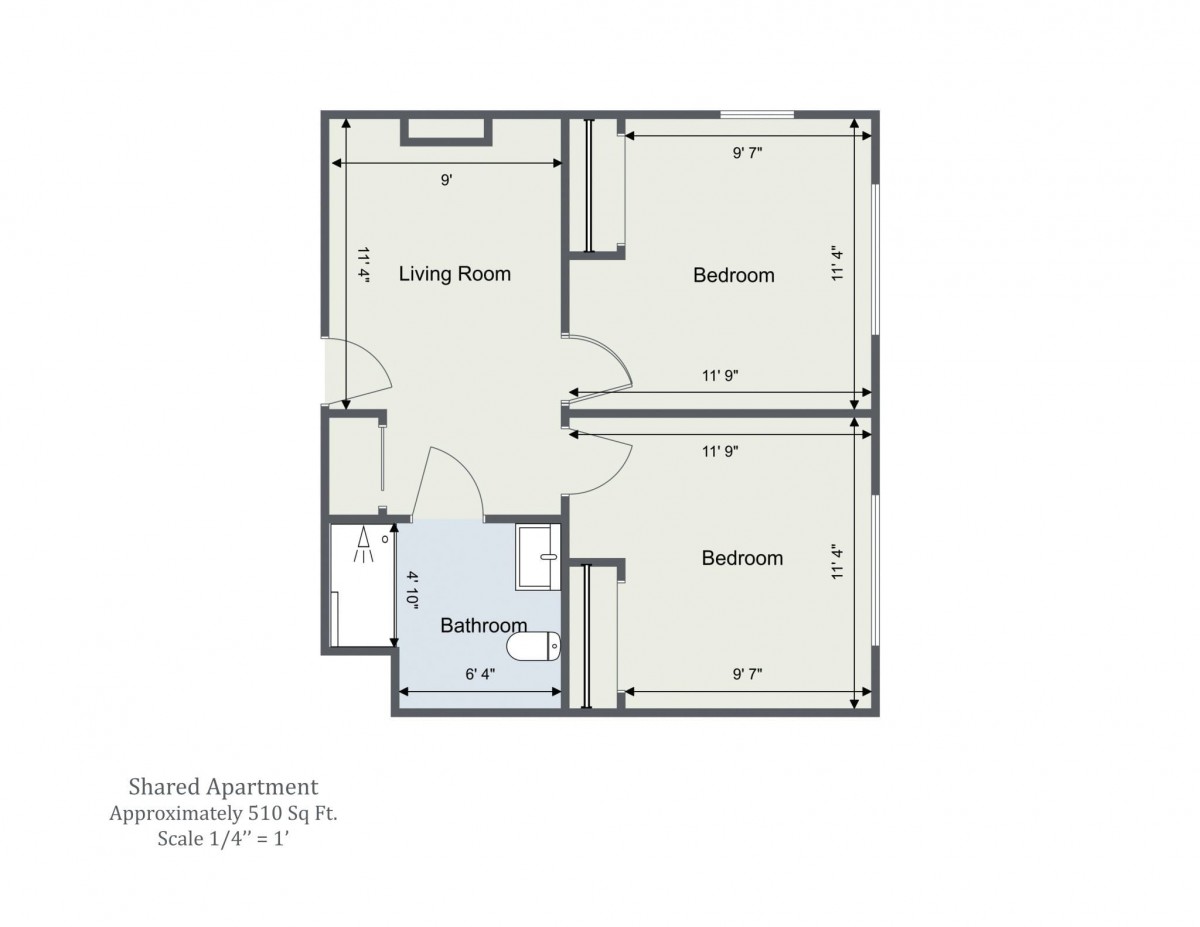
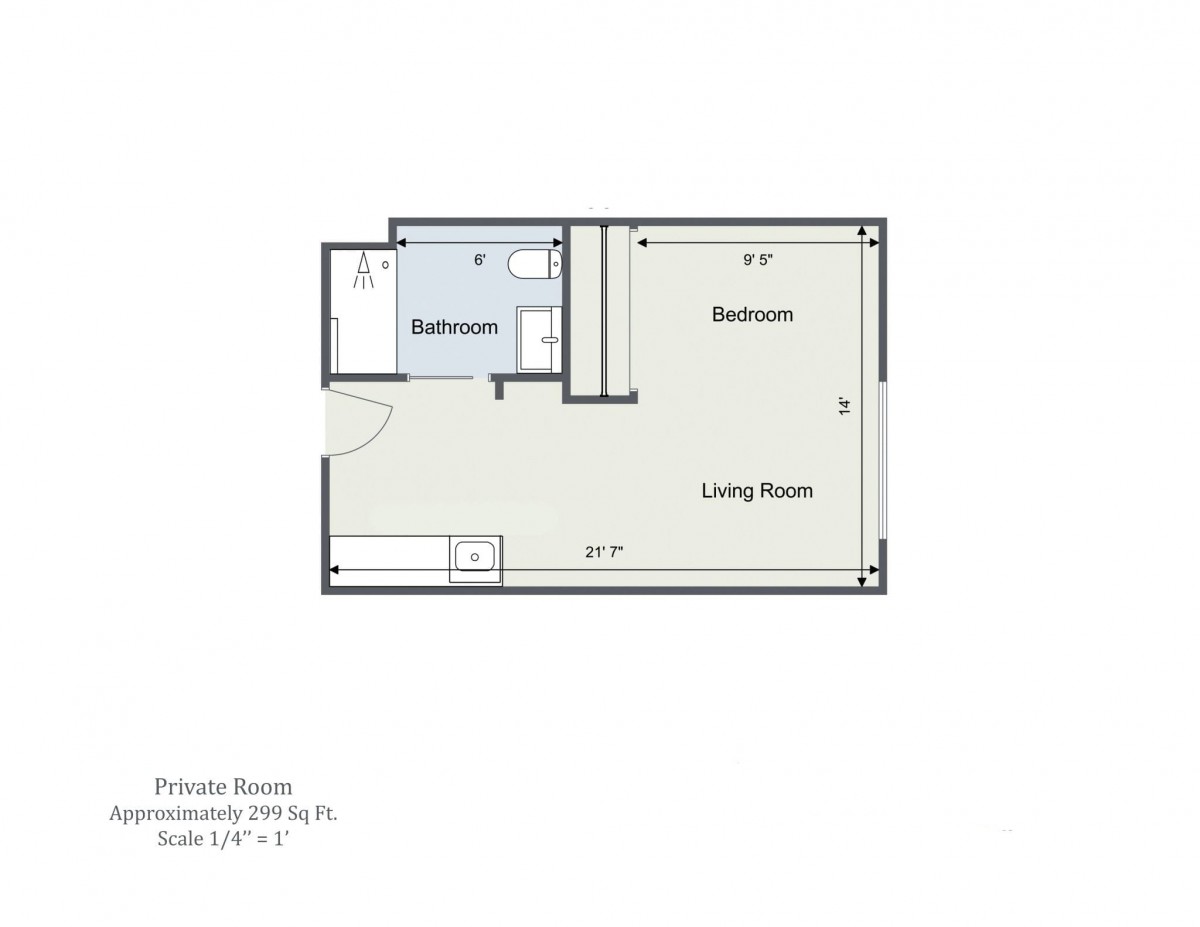
Floor plans
Creekside Place
Clark County
Washington
Semi-Private
$5,100
$3,897
$4,272
Studio
$5,600
$3,882
$4,128
Memory care communities with a similar price nearby
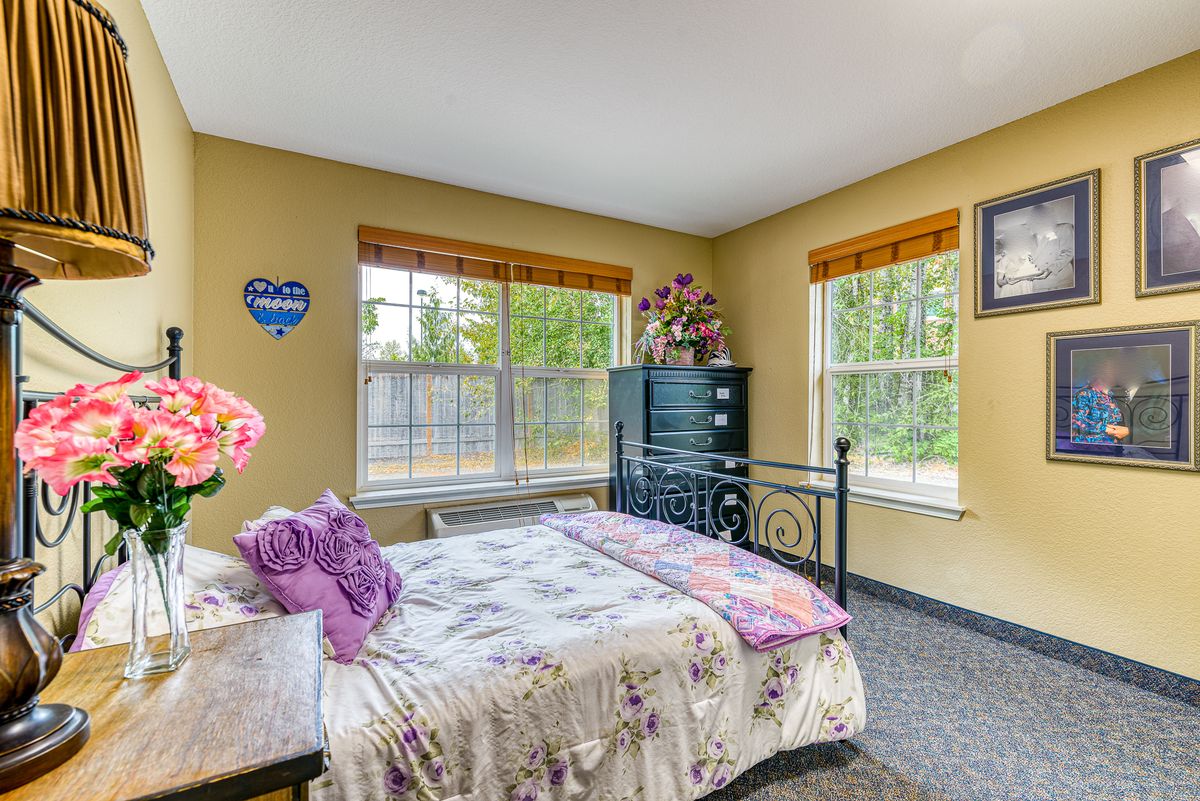
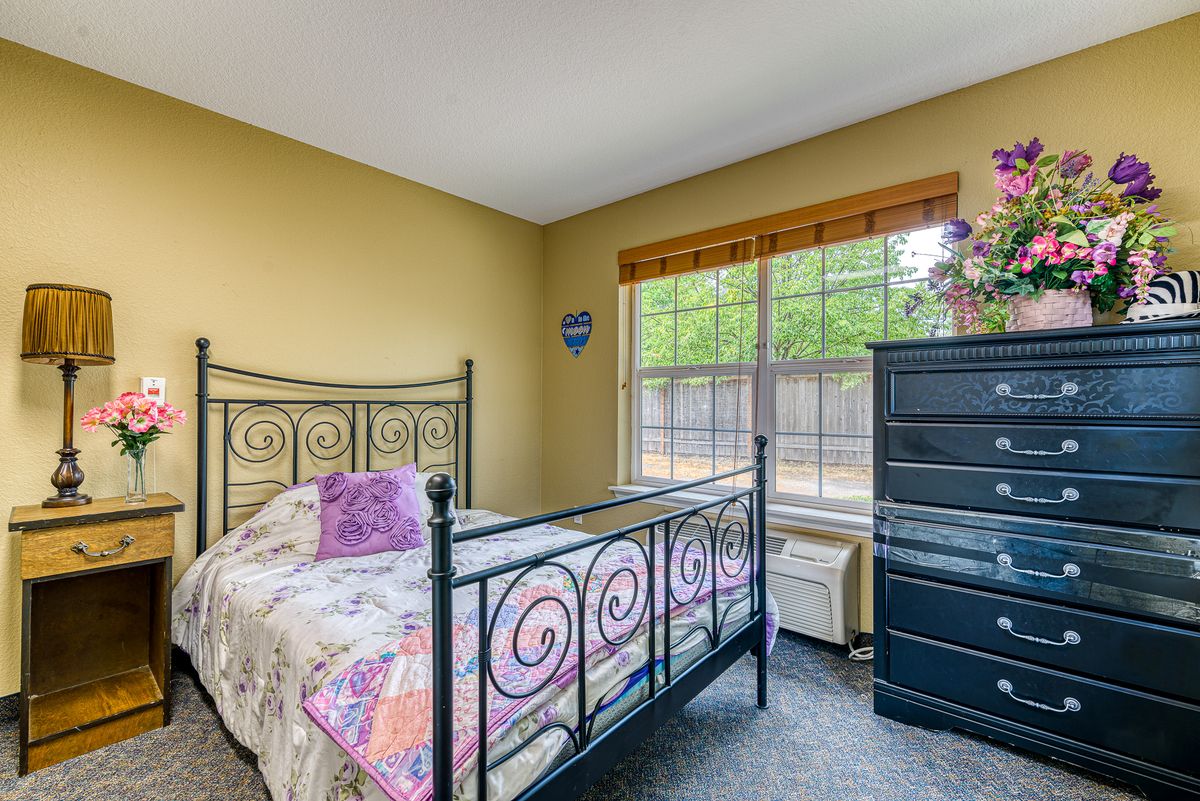
Residents describe a home-like setup that feels less institutional for memory care.
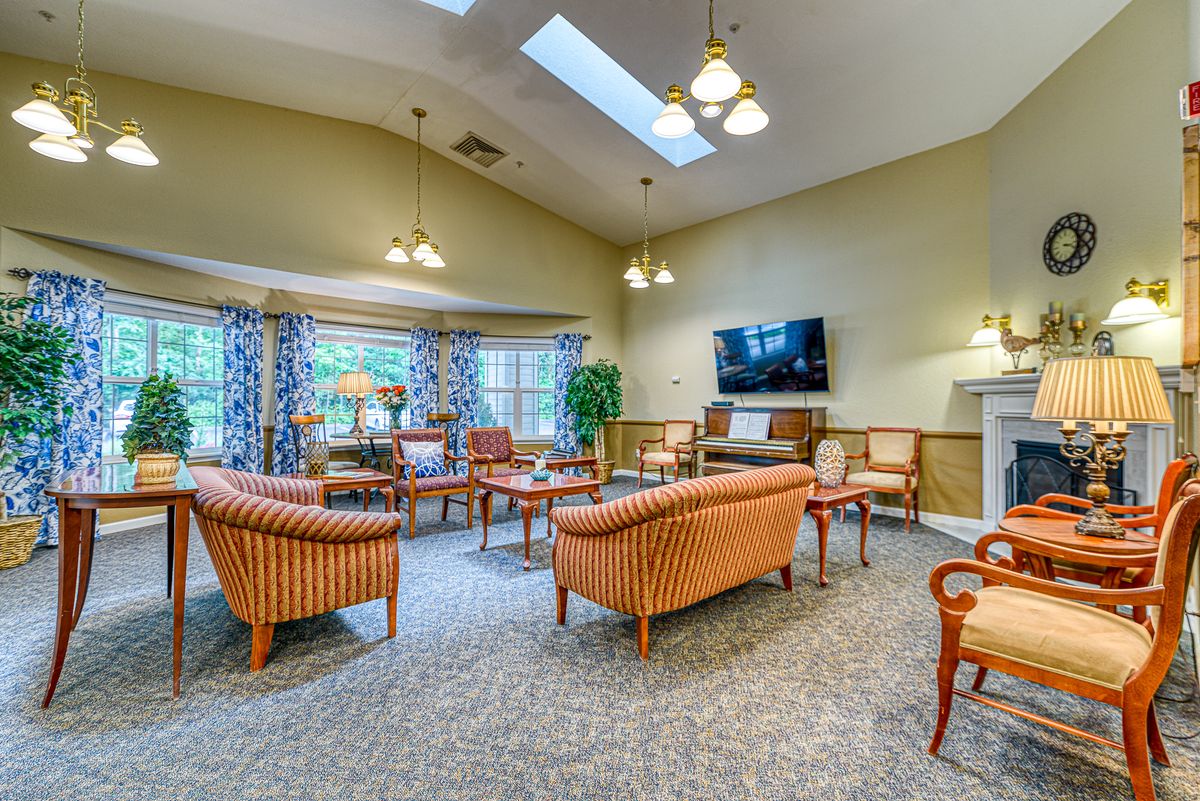
Several residents and families say the community is arranged like a cozy home rather than an institution. Reviewers also mention a layout that helps residents navigate without getting lost, including a one-floor plan. Tours and stays are repeatedly described as comfortable, with residents appearing engaged in daily life.
common25 reviews mention this
Staff compassion and responsiveness
Staff is repeatedly described as kind, caring, and responsive to day-to-day needs.
Across many reviews, families describe caregivers as compassionate and patient, especially when working with residents who are confused. Multiple comments highlight that staff are attentive, check on residents, and help with practical needs like hygiene and medication. Some reviewers also mention a stable, experienced team that makes care feel consistent.
caveat4 reviews mention this
Meals and dietary support vary
Dining feedback includes both praise and recurring concerns about food and portioning.
Several reviews mention meals positively, including good meal plans and residents enjoying food and selections. At the same time, other families report disappointment with food quality or variety, including comments about smaller portions. Dietary needs also come up, with one reviewer noting vegetarian support but also describing uncertainty about what is served.
caveat9 reviews mention this
Understaffing and management concerns
Some families report problems with staffing stability and management oversight.
A subset of reviews raise concerns about staffing and leadership, including claims of understaffing and difficulties retaining staff. A few reviewers also describe communication breakdowns and delayed service, along with frustration about care reliability. These complaints are serious but not echoed in the majority of positive day-to-day experiences described elsewhere in the reviews.
common7 reviews mention this
Activities center on memory care
Residents are described as having ongoing activities designed for memory care needs.
Many reviews mention a steady calendar of activities, including music and events residents can join. Families also describe outings and themed activities, such as trips and social gatherings, and note that residents seem to stay engaged. A couple of reviews also mention limitations around participation during periods of lockdown or staffing constraints.
caveat1 reviews mention this
Pricing runs higher than average
One reviewer says rent was higher than they wanted to spend.
At least one review flags cost as a deciding factor, describing the rent as more expensive than expected. Other reviews focus more on care experience than pricing, so value is not consistently debated across the full set.
How we summarize
Counts show how many written reviews mention each theme; a review can touch several themes, and only frequently mentioned themes are displayed.
Features
Housing
40 resident community capacity
Types of Care
Assisted Living
Memory Care
Respite Care
Pets
Cats allowed
Dogs allowed
Amenities
Activities on-site
Air-conditioning
Beauty salon
Cable or satellite TV
Devotional services on-site
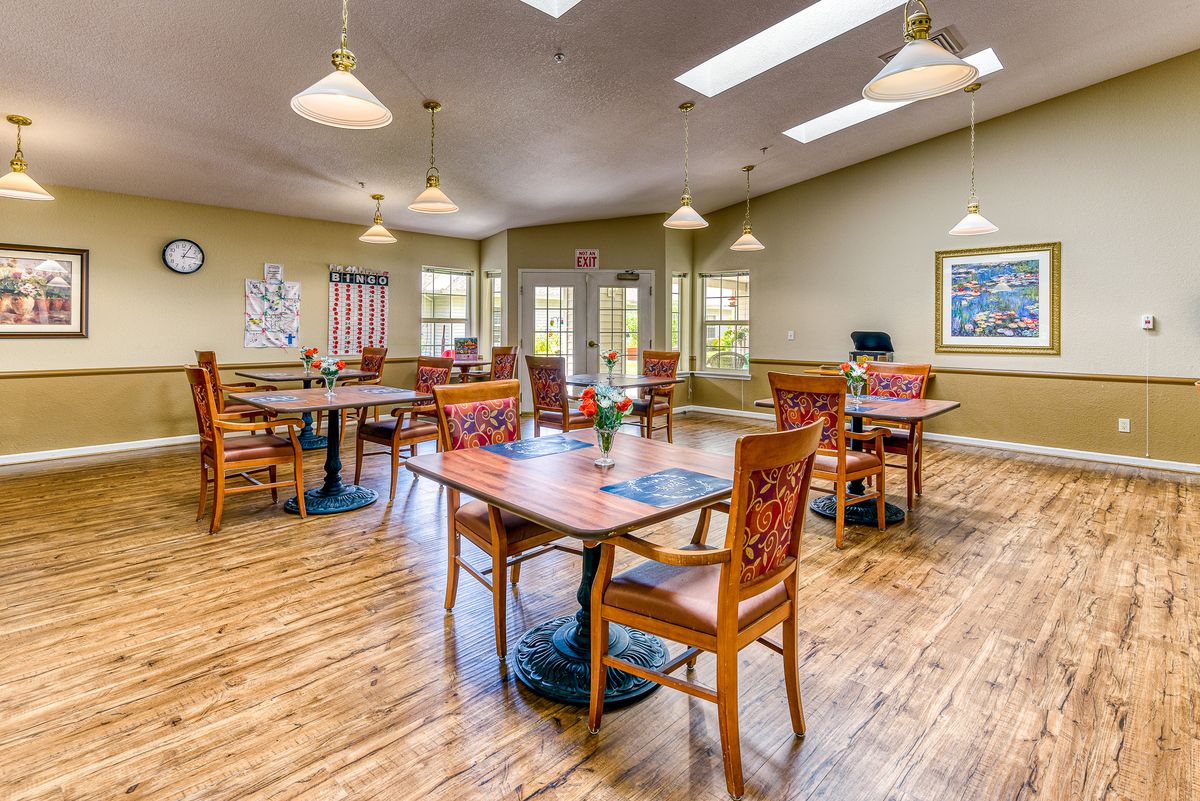
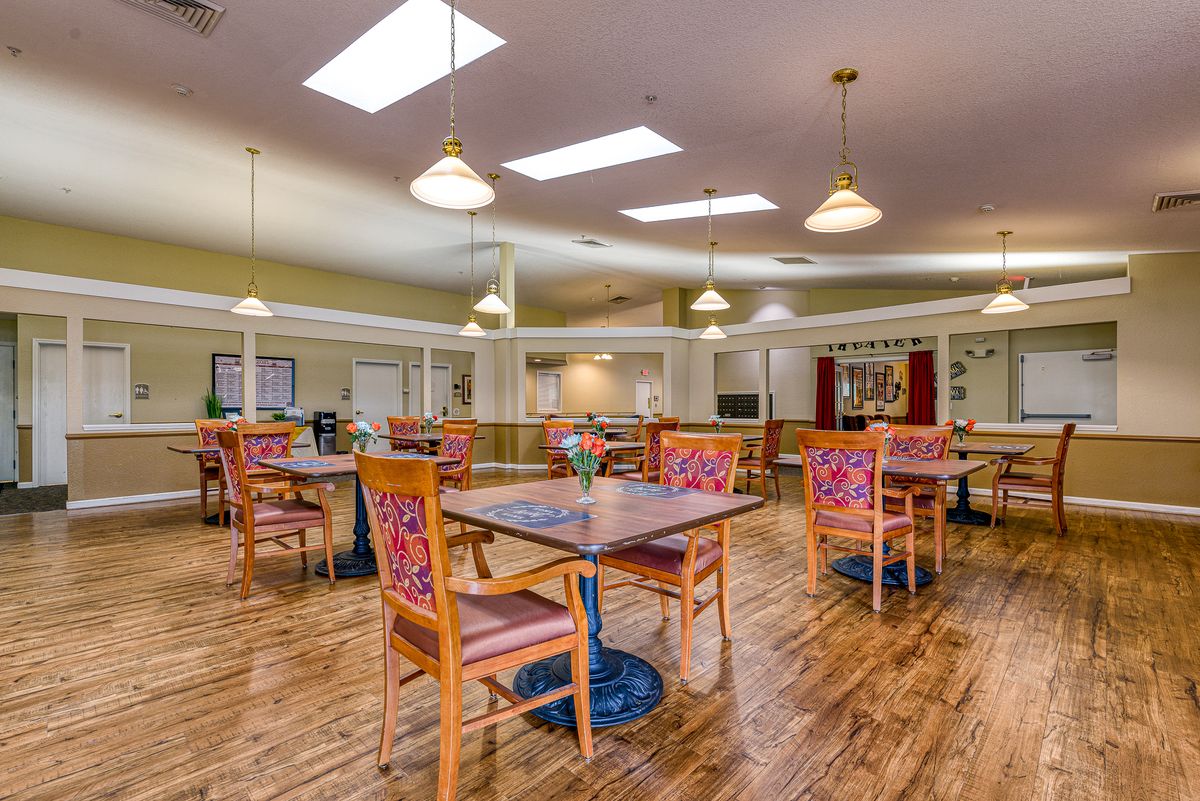
Dining room
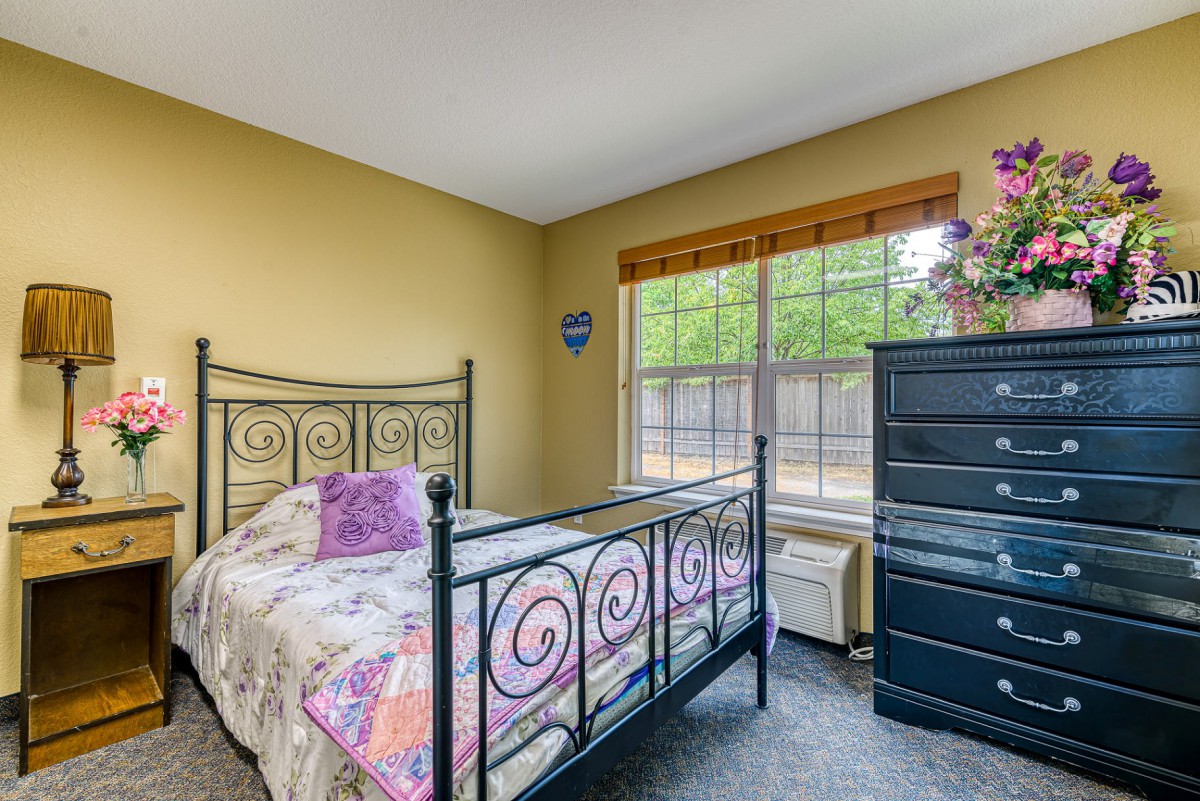
Fully furnished
Garden
Garden view
Ground floor units
Handicap accessible
Housekeeping services
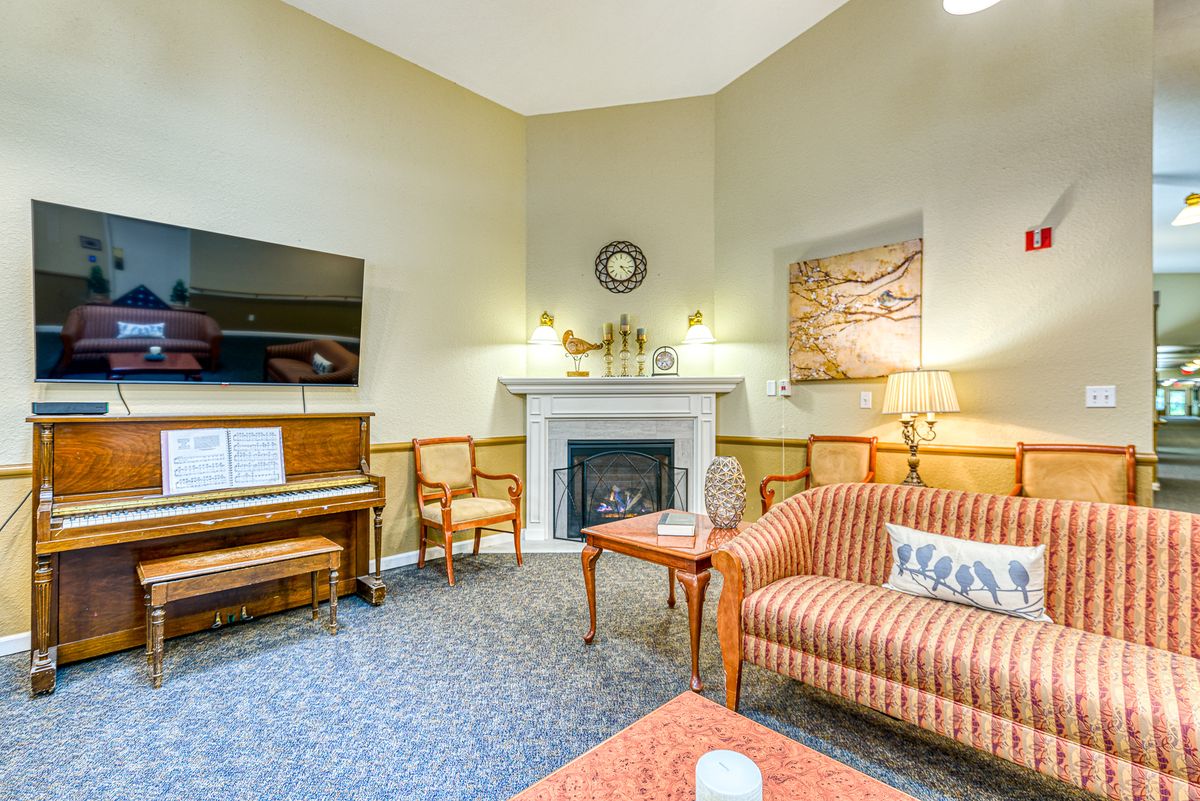
Indoor common areas
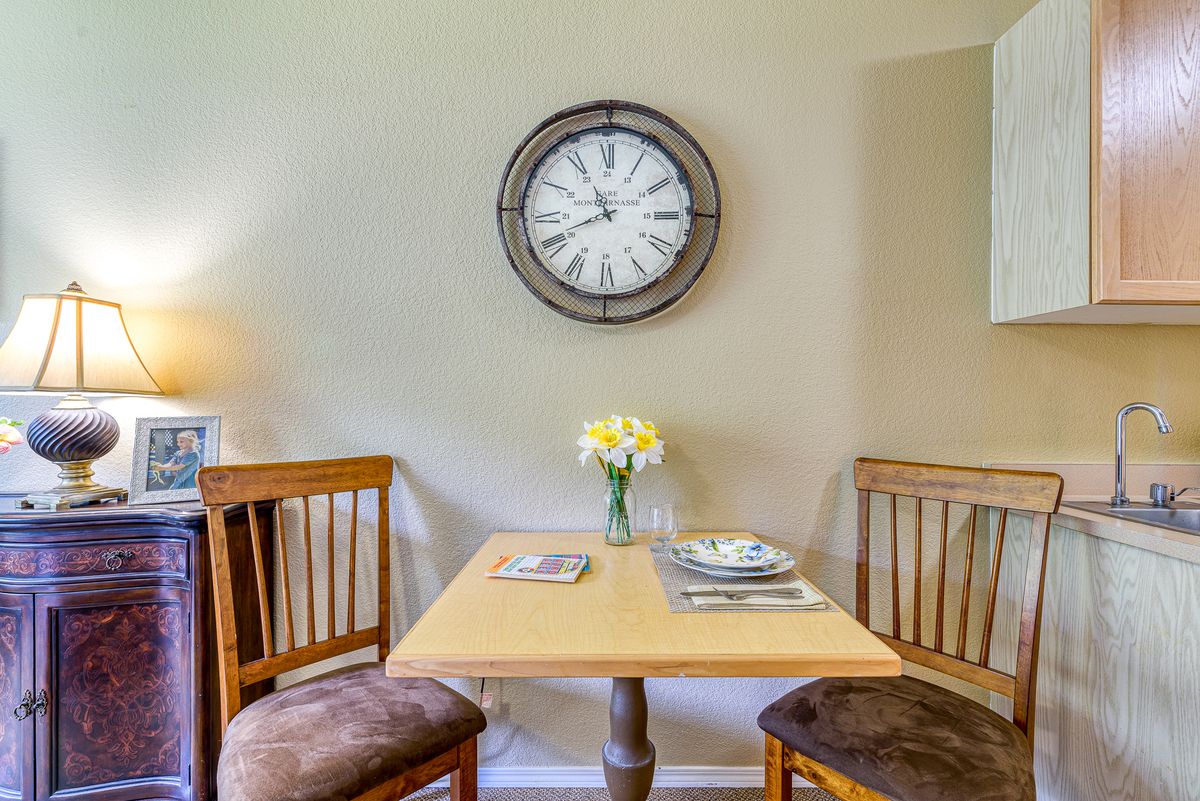
Kitchenette
Move-in coordination
Outdoor common areas
Outdoor space
Respite or short term stays offered
Restaurant-style dining
Small library
Telephone
Wheelchair accessible showers
Wi-Fi/high-speed internet available
Transportation
Portland International (13 miles away)
Care Services
24-hour call system
24-hour supervision
Activities of daily living assistance
Ambulatory care
Assistance with bathing
Assistance with dressing
Assistance with transfers
Diabetes diet
Incontinence care
Meal preparation and service
Medication management
Mental wellness program
Special dietary restrictions
Dining
Diabetes diet
Low / no sodium
Meals provided
No Sugar
Professional chef
Restaurant style dining
Special dietary restrictions
Activities
Art classes
Brain fitness
Community-sponsored activities
Day trips and outings
Devotional activities on-site
Gardening club
Happy hour
Live dance or theater performances
Live musical performances
Resident-run activities
Scheduled daily activities
Stretching classes
Trivia games
Wii bowling
Yoga / chair yoga
Nearby Places of Interest
This part of Battle Ground, Washington offers a range of amenities that may be appealing for seniors looking to settle down in a peaceful and convenient location. With several physicians, pharmacies, and hospitals within a few miles, access to medical care is readily available. The proximity to parks provides opportunities for outdoor recreation and relaxation. Additionally, the diverse selection of restaurants and cafes allow for enjoyable dining experiences. Places of worship are also easily accessible for those seeking spiritual fulfillment. Overall, this area provides a well-rounded environment that caters to the needs of seniors looking for a comfortable and convenient lifestyle in Battle Ground.
Physicians
The Vancouver Clinic (0.1 miles)
Co Patient Direct Care (1.2 miles)
Ridgefield Family Medicine (5.4 miles)
Great West Family Care PC (5.8 miles)
Navin S Arora DO | Kaiser Permanente (5.9 miles)
Entofficedotorg Plic (5.9 miles)
Legacy Medical Group-Salmon Creek Family Medicine (6 miles)
Pharmacies
Sav-On Pharmacy (0.1 miles)
Albertsons Pharmacy (0.2 miles)
Fred Meyer Pharmacy (0.6 miles)
Walgreens (0.7 miles)
Hi-School Pharmacy (5.8 miles)
Walgreens (5.9 miles)
Safeway Pharmacy (6.2 miles)
Parks
McConnell Park (0.5 miles)
Florence Park (0.5 miles)
Kiwanis Park (0.9 miles)
Lewisville Park (2.5 miles)
Daybreak Park (2.8 miles)
Vista Meadows Neighborhood Park (5.4 miles)
Hockinson Meadows Community Park (6 miles)
Restaurants
MOD Pizza (0.8 miles)
Happy Family Restaurant (1.3 miles)
Los Pepe's (1.7 miles)
Three Brothers Vineyard and Winery (4.4 miles)
Gouger Cellars Winery (5.5 miles)
Sushi Chiyo (6.2 miles)
Burger King (6.2 miles)
Places of Worship
Battle Ground United Methodist Church (0.9 miles)
Word of Grace Bible Church (1 miles)
Summit View Church (7.9 miles)
Cafes
Dutch Bros Coffee (5.6 miles)
Blackrock Coffee (6.2 miles)
Starbucks (6.8 miles)
Dutch Bros Coffee (8 miles)
Dutch Bros Coffee (8.3 miles)
Dutch Bros Coffee (8.8 miles)
Panera Bread (8.8 miles)
Hospitals
HCR ManorCare (5.7 miles)
Salmon Legacy Creek Hospital (5.9 miles)
PeaceHealth Southwest Family Birth Center (10.7 miles)
Creekside Place offers competitive pricing for its residential accommodations compared to regional and state averages. For a semi-private room, the monthly cost is $5,100, which is significantly higher than both Clark County's average of $3,897 and Washington state's average of $4,267. Similarly, the studio option at Creekside Place is priced at $5,600, exceeding Clark County's average of $3,882 and Washington's average of $4,126. While Creekside Place may command higher fees than its surrounding areas, it likely reflects the level of service and amenities provided within the facility.
Creekside Place's comprehensive features significantly enhance the quality of life for residents with dementia or Alzheimer's disease. Assistance with dressing, bathing, and transfers ensures residents maintain dignity and comfort during daily routines, promoting their sense of independence while ensuring safety. Medication management is crucial in preventing missed doses or harmful interactions, which can exacerbate cognitive decline. Thoughtfully prepared meals that cater to specific dietary needs not only nourish the body but also create a familiar and comforting environment. Activities of daily living assistance helps residents engage meaningfully with their surroundings, fostering social connections and routine familiarity. With 24-hour supervision, residents receive continuous support and immediate response to any needs or emergencies. The mental wellness program encourages cognitive engagement through tailored activities designed to stimulate memory and cognitive function. Incontinence care provides dignity and hygiene, while brain fitness initiatives specifically target cognitive abilities, ultimately reinforcing an atmosphere of holistic well-being that addresses both physical and mental health needs.
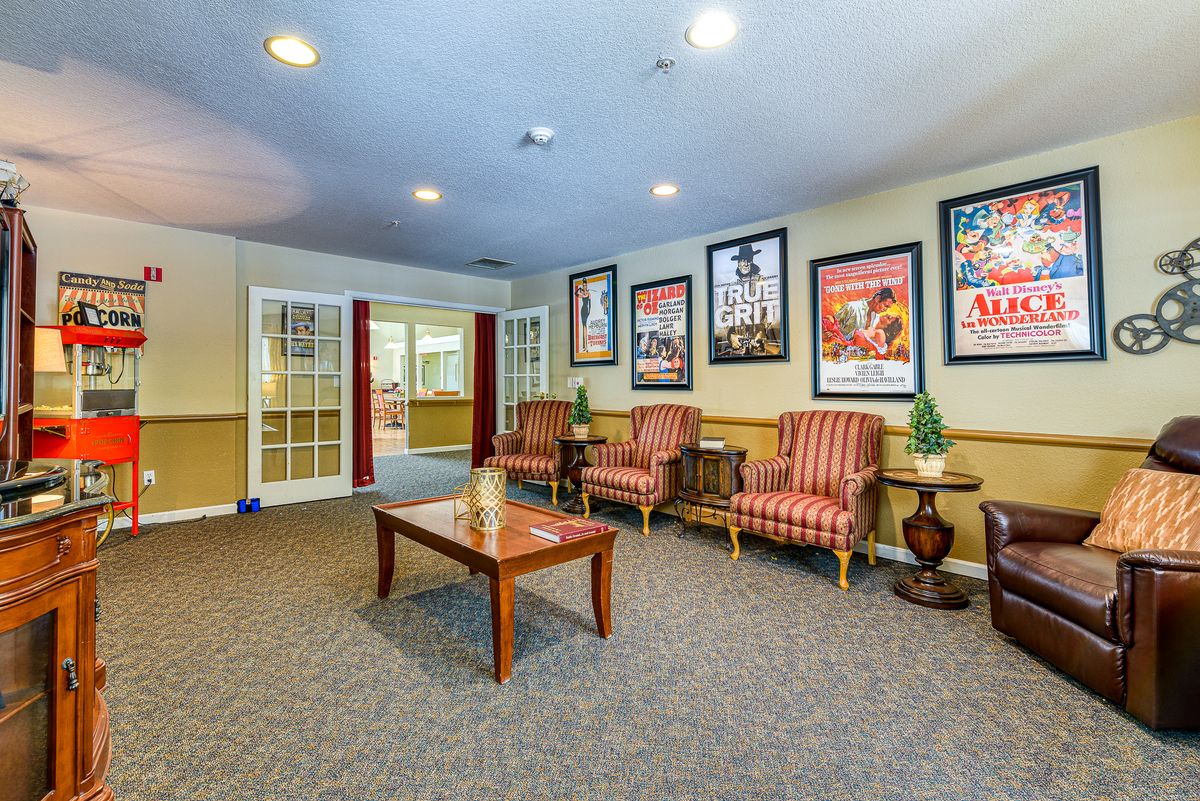
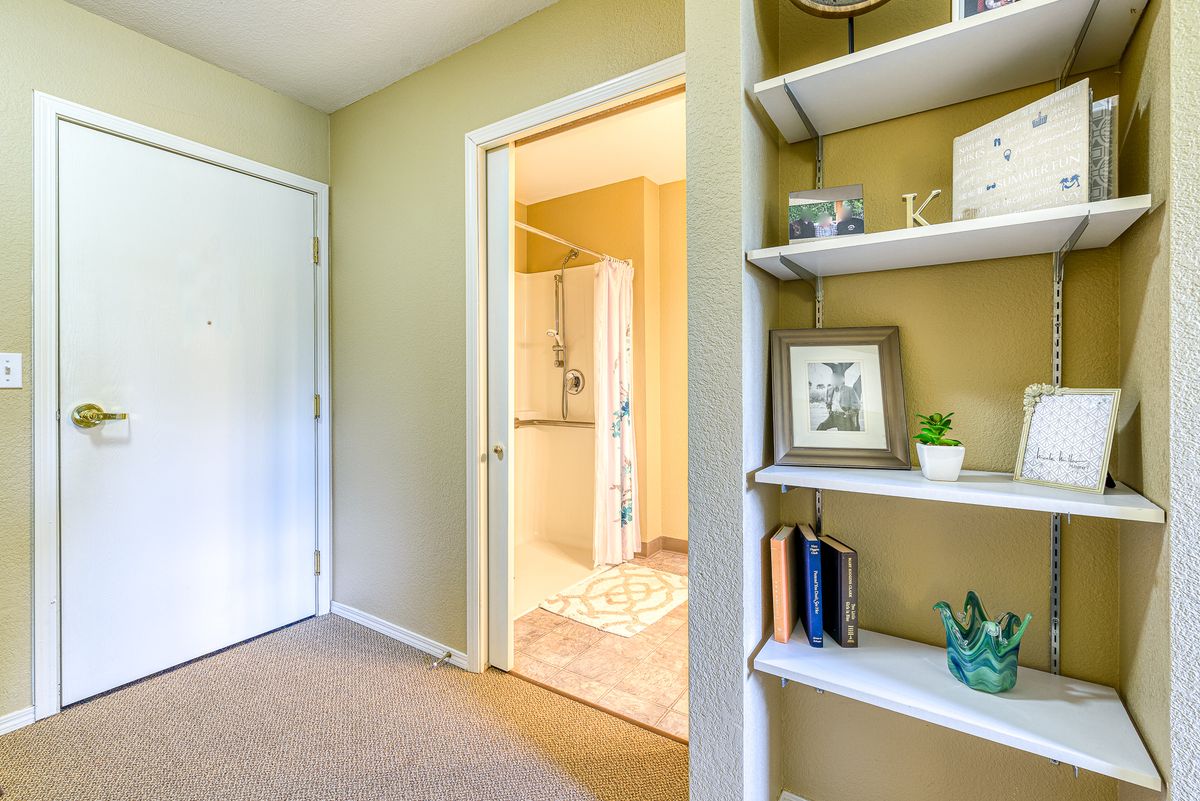
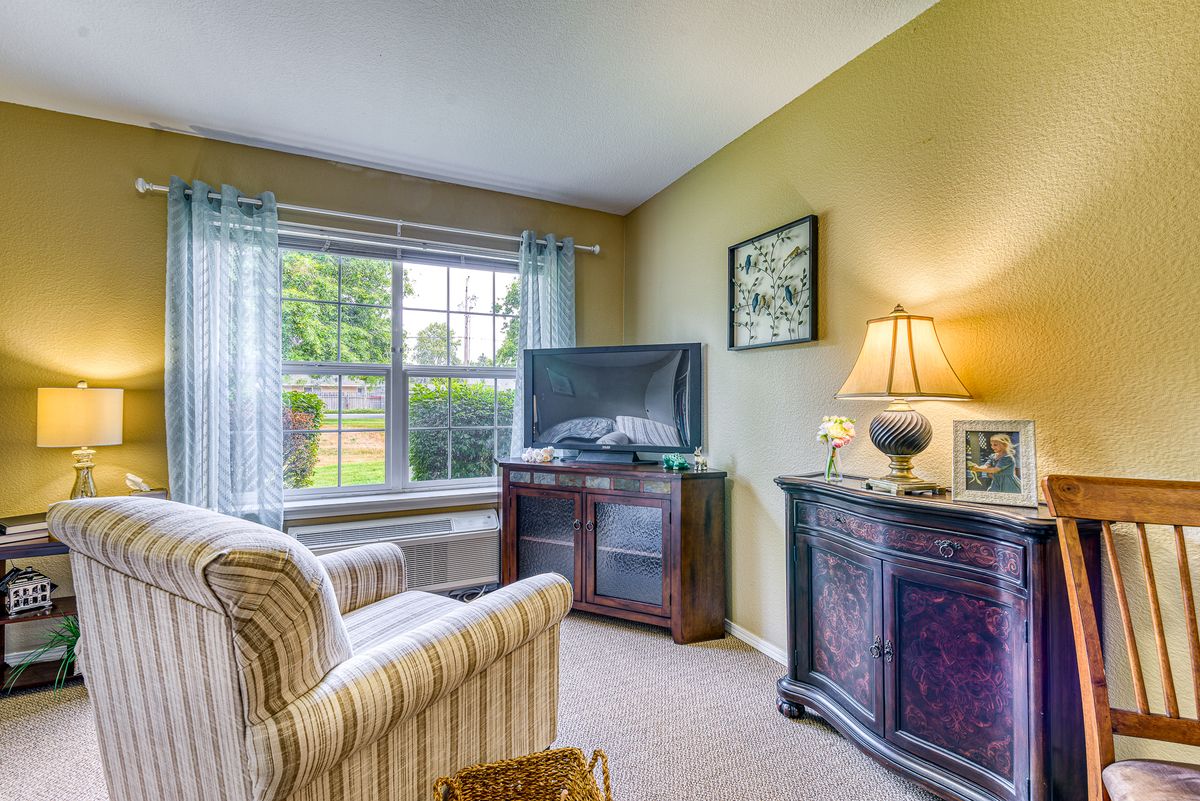
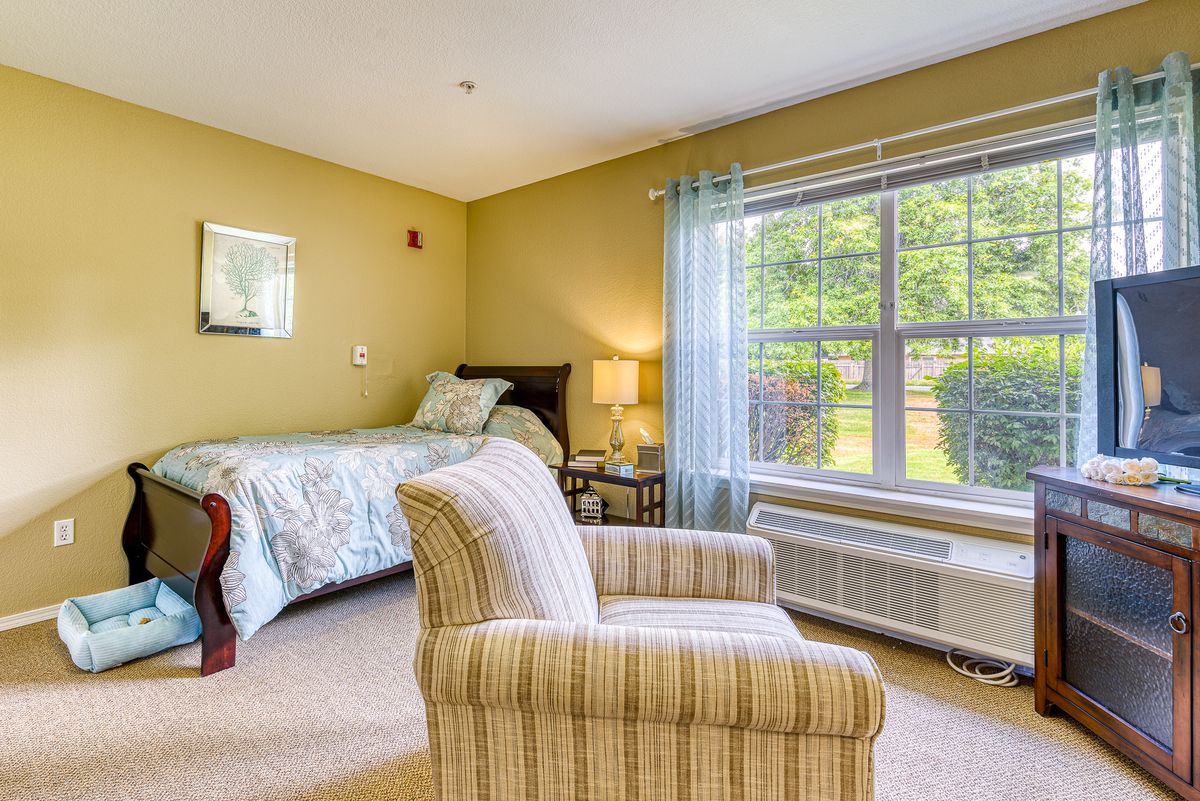
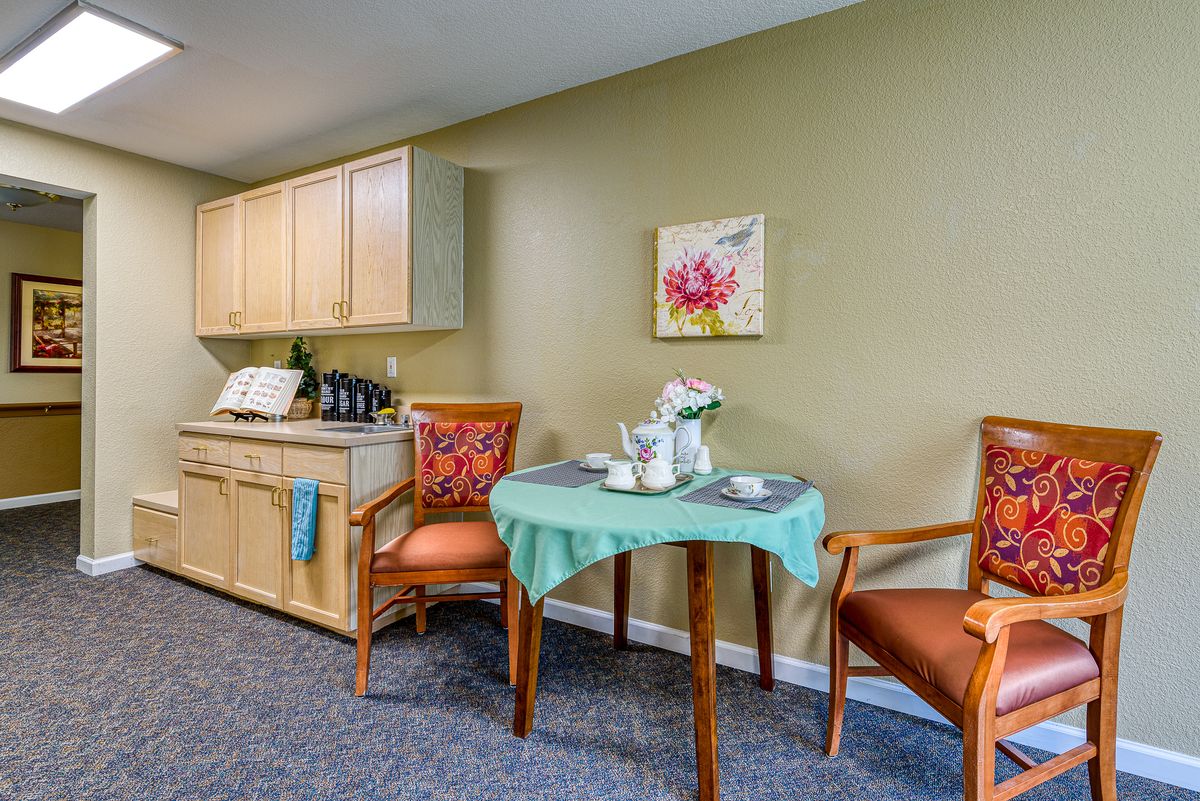
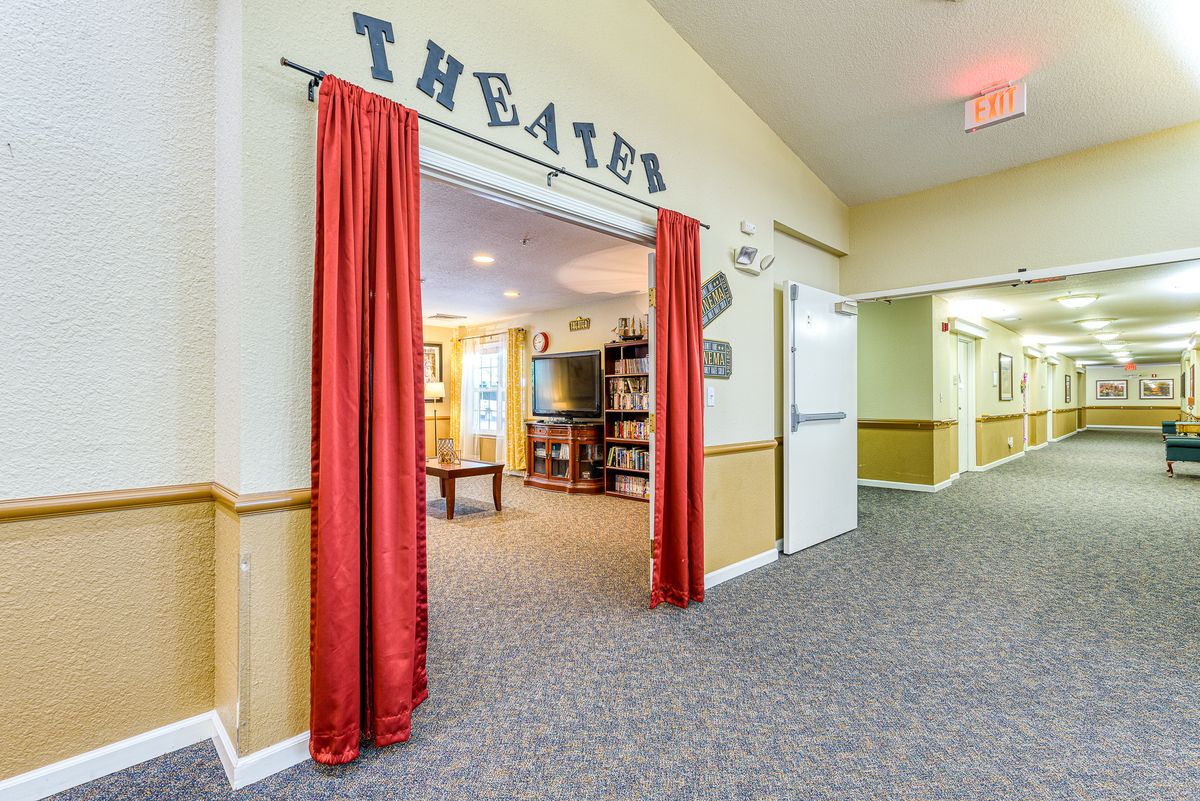
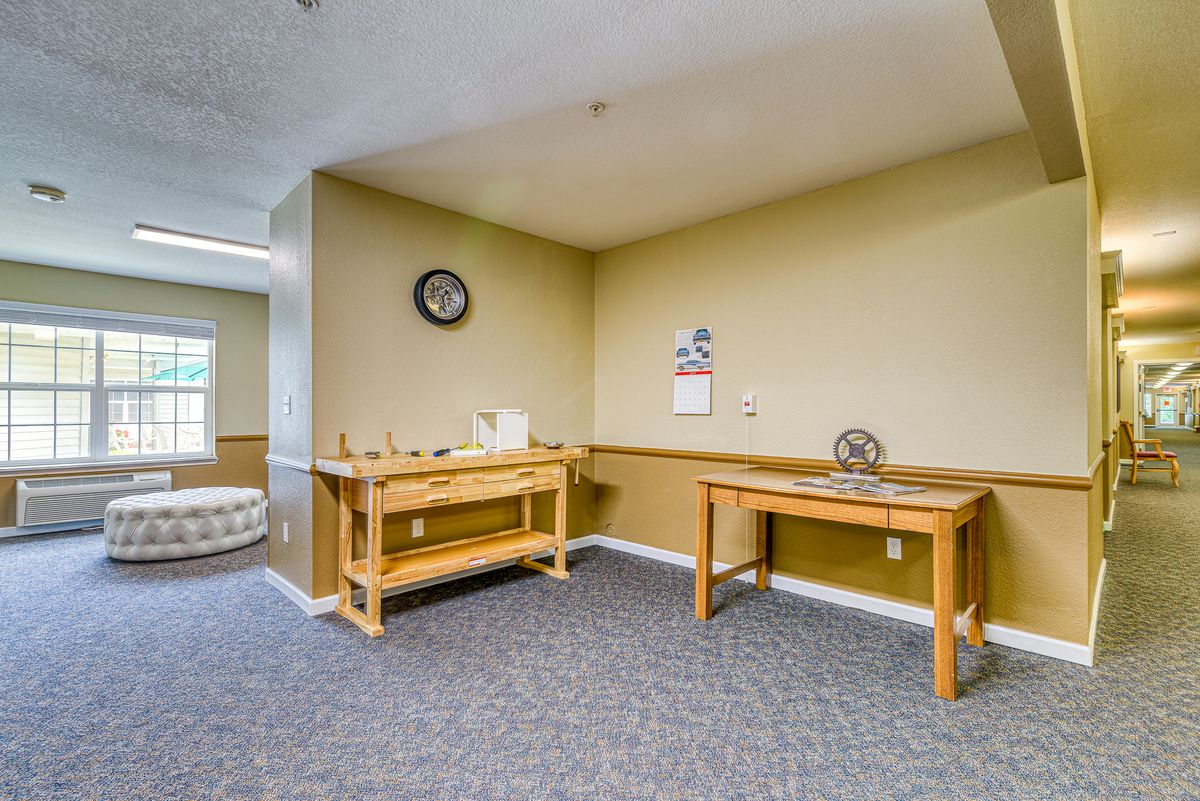
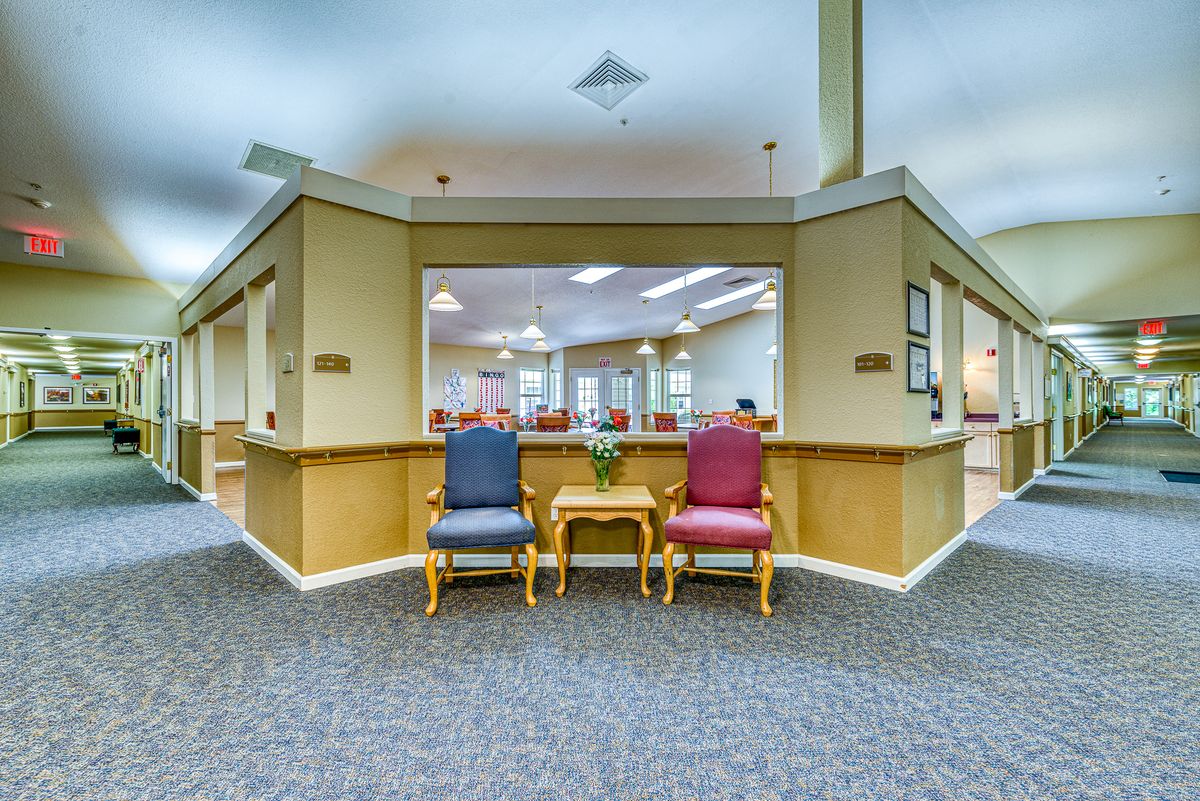
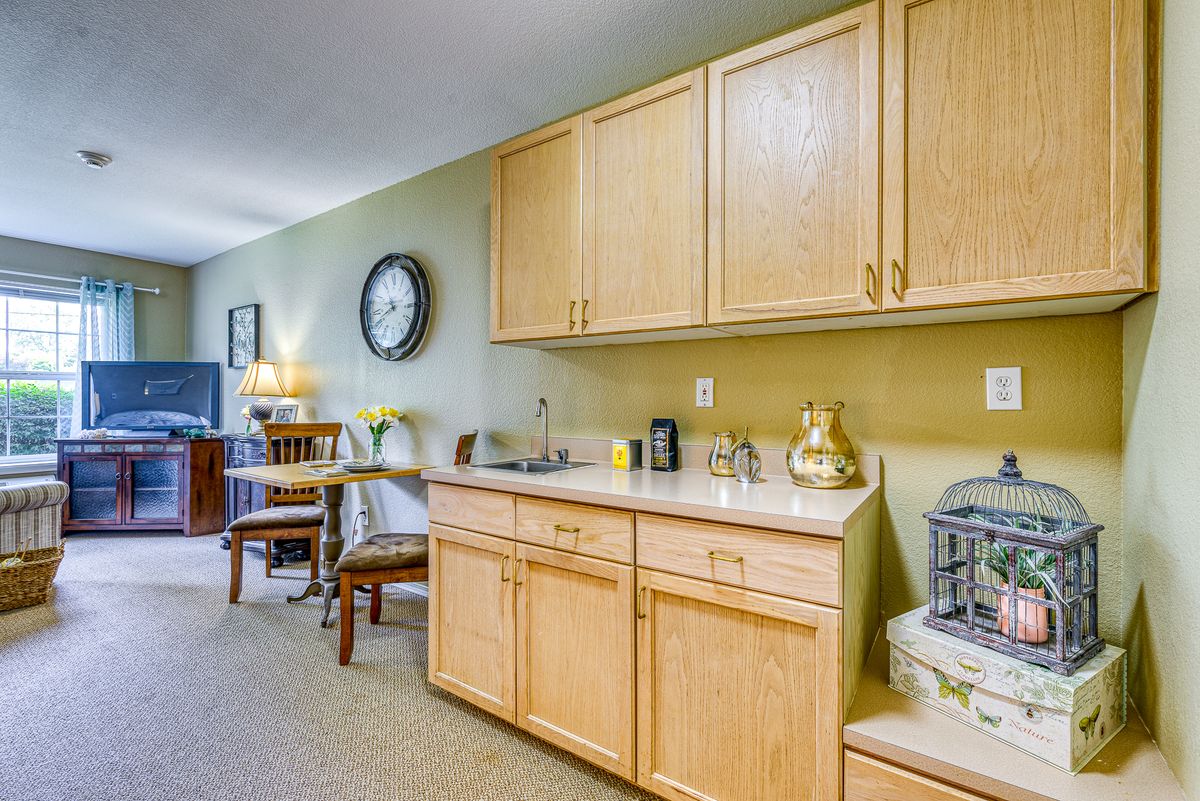
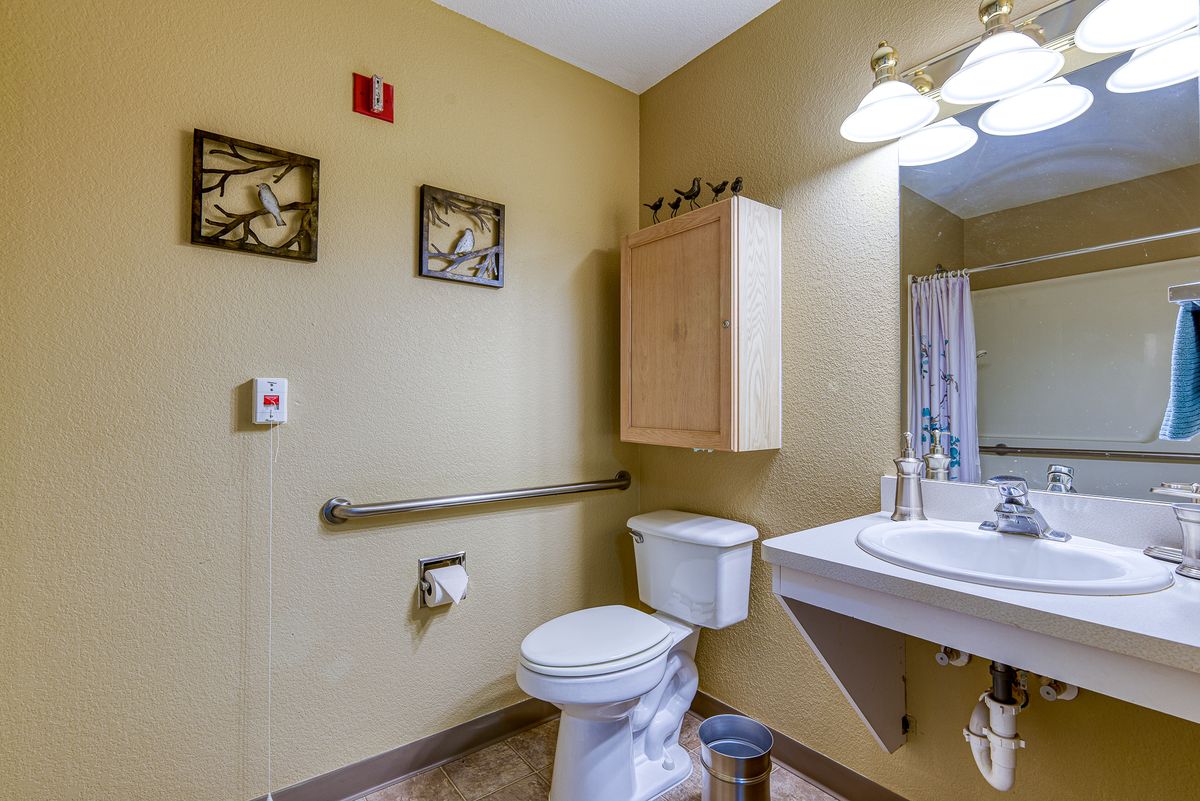
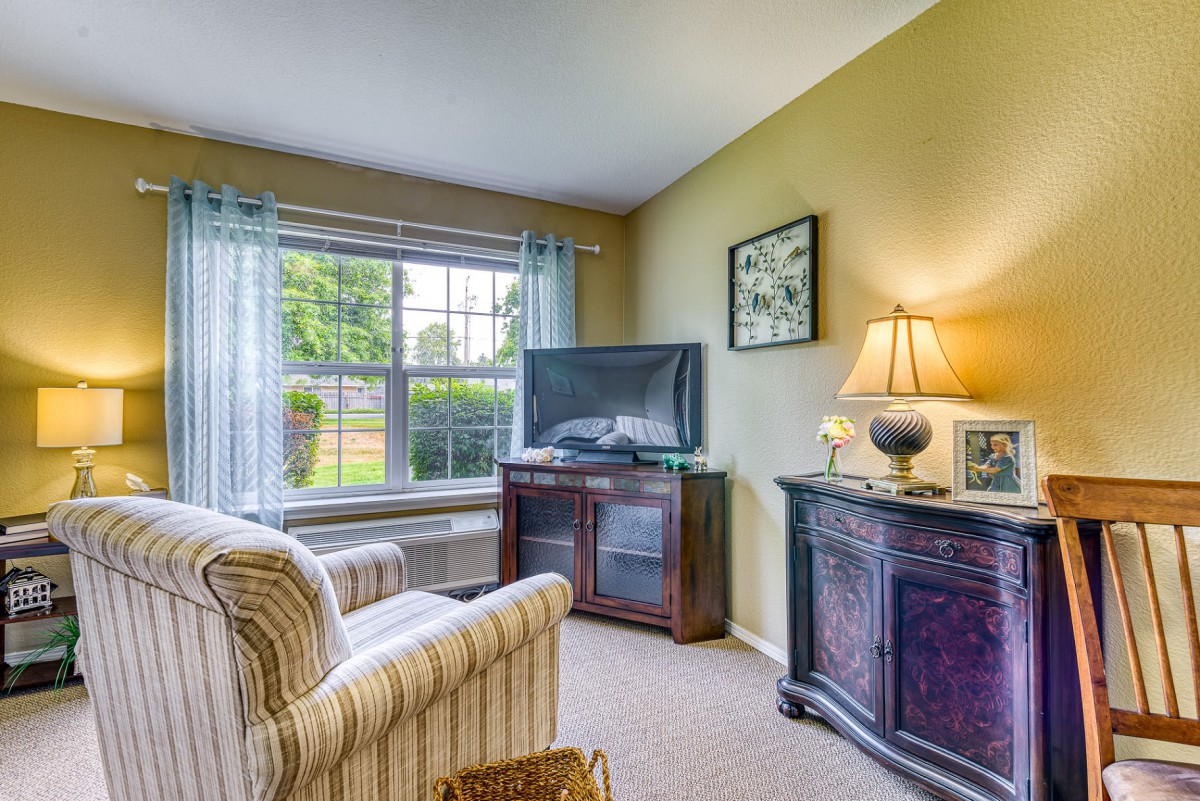
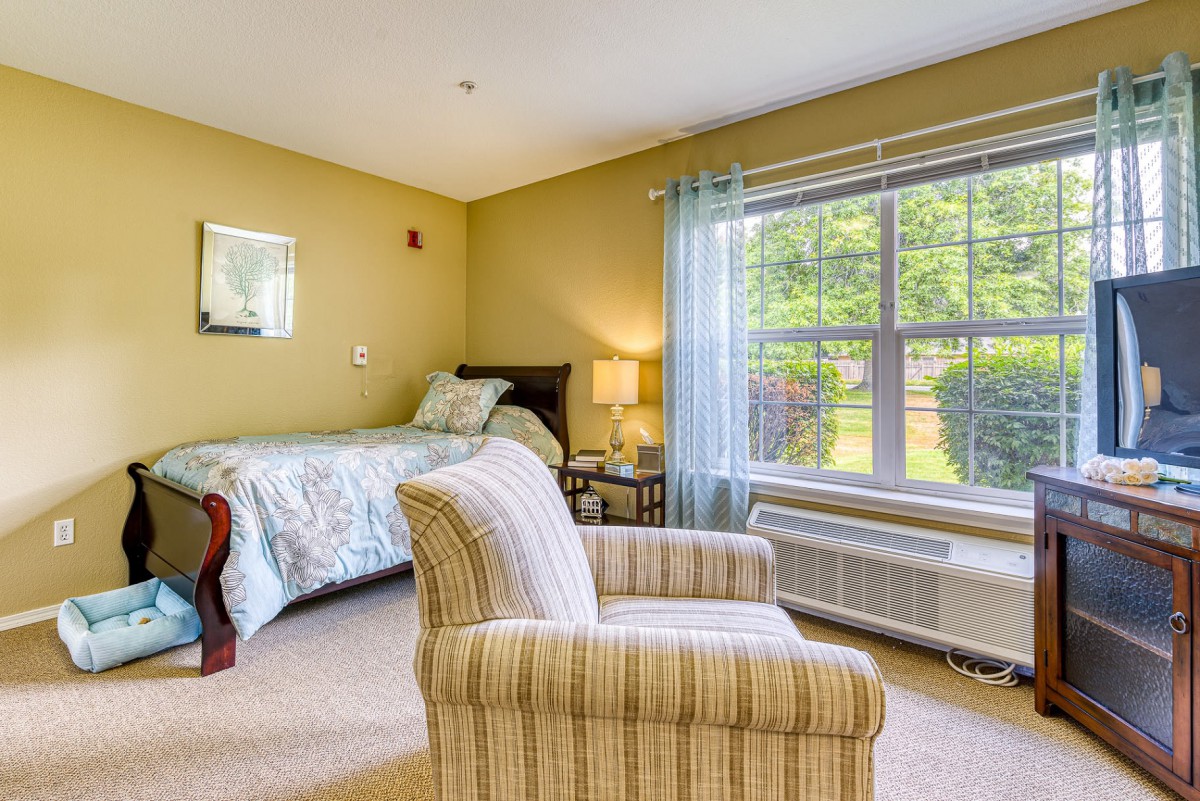
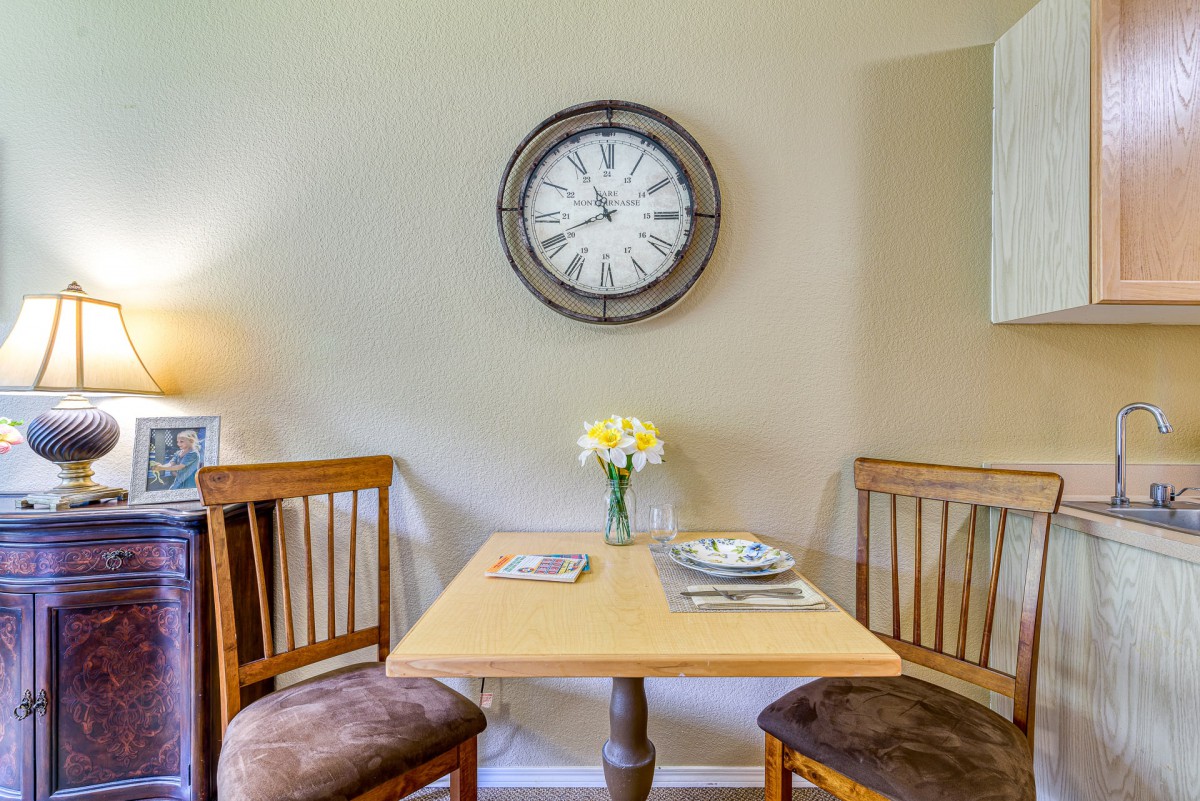
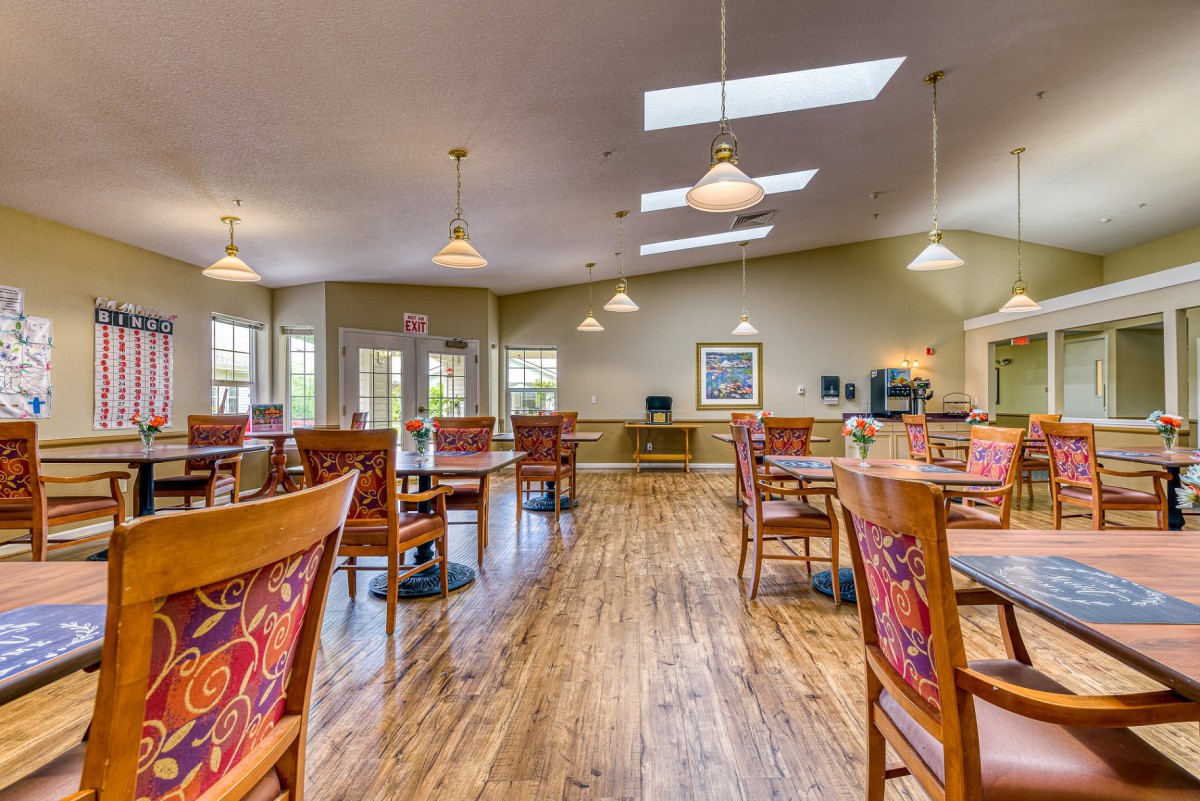
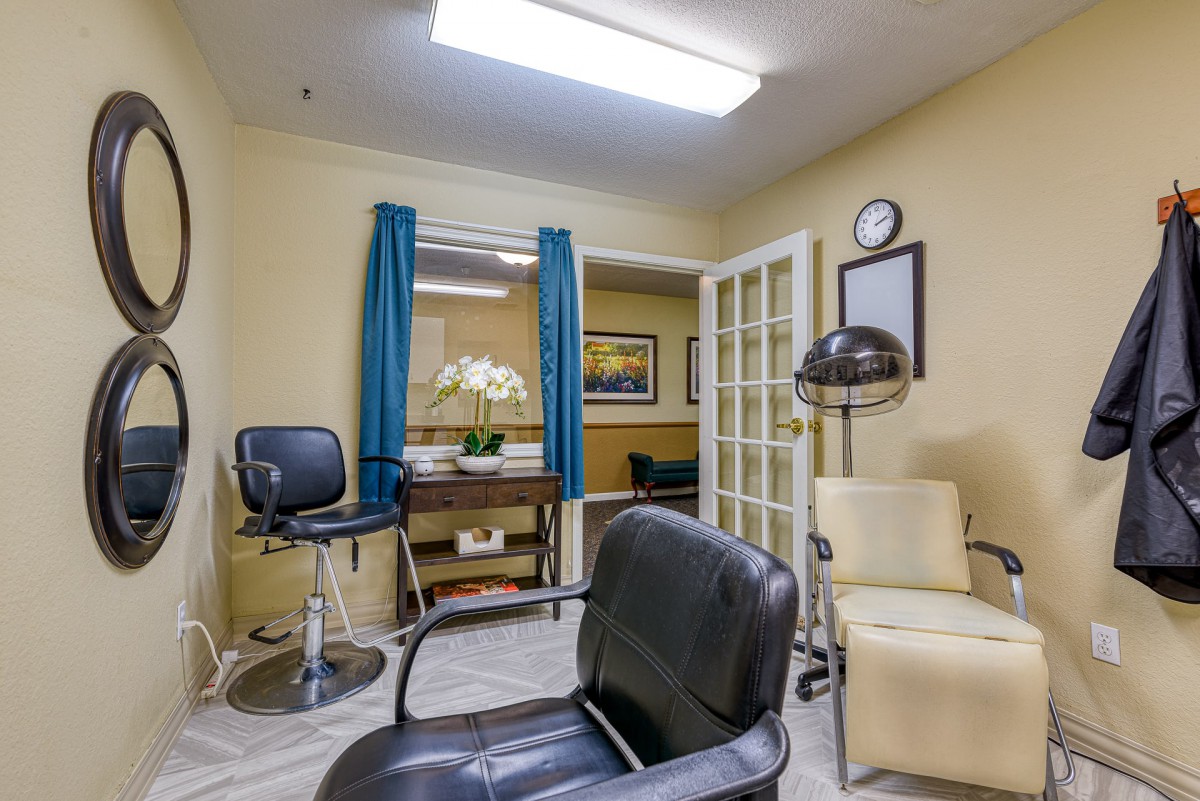
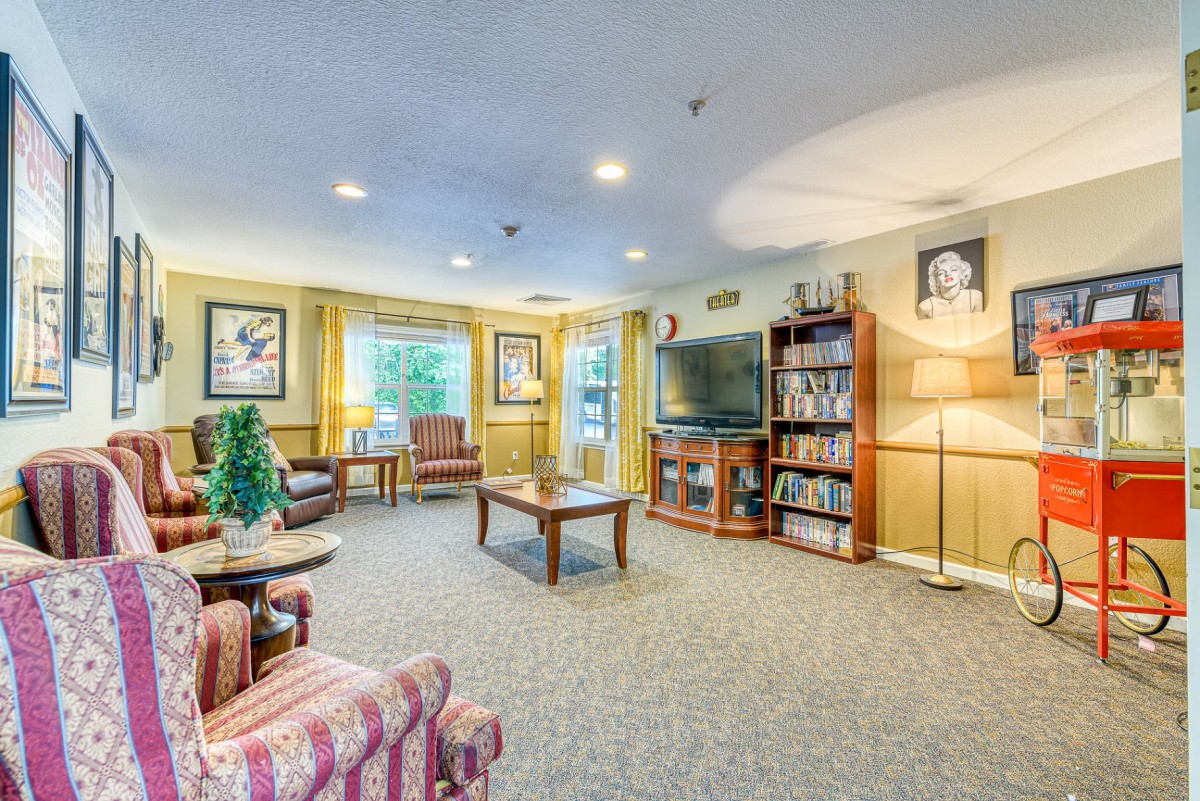
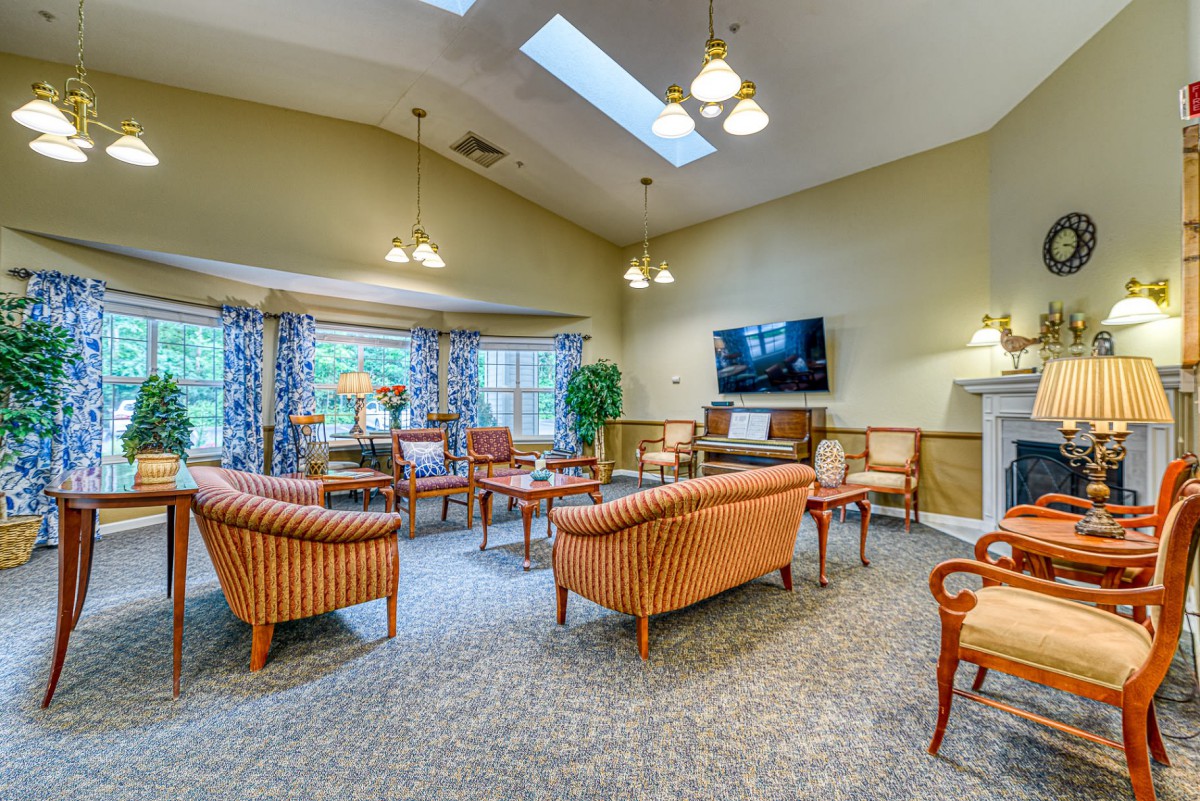
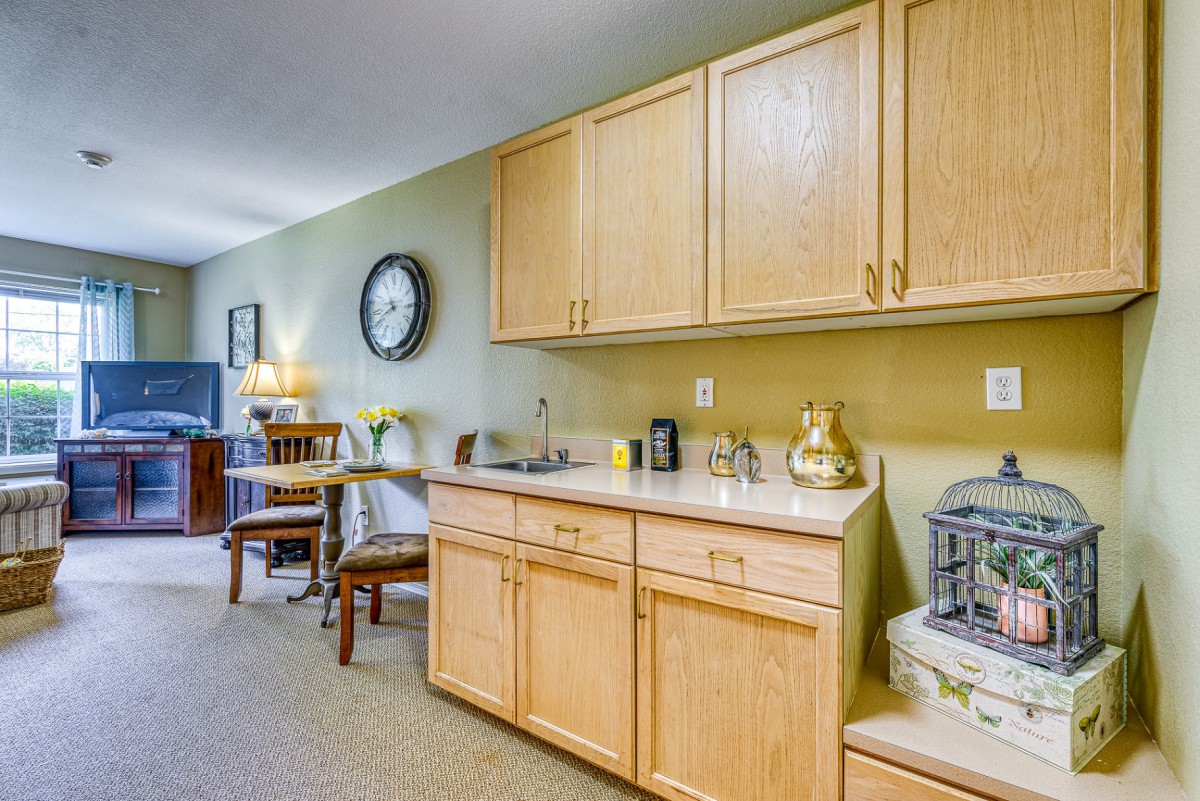
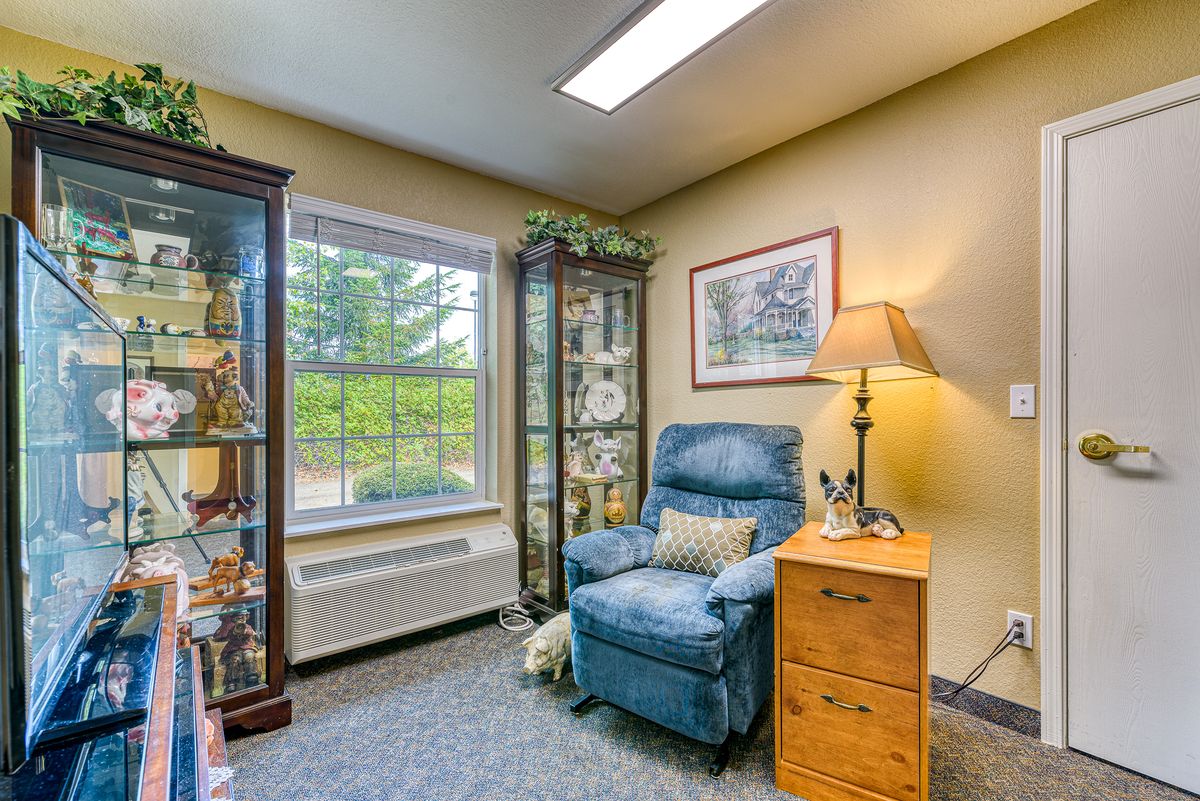
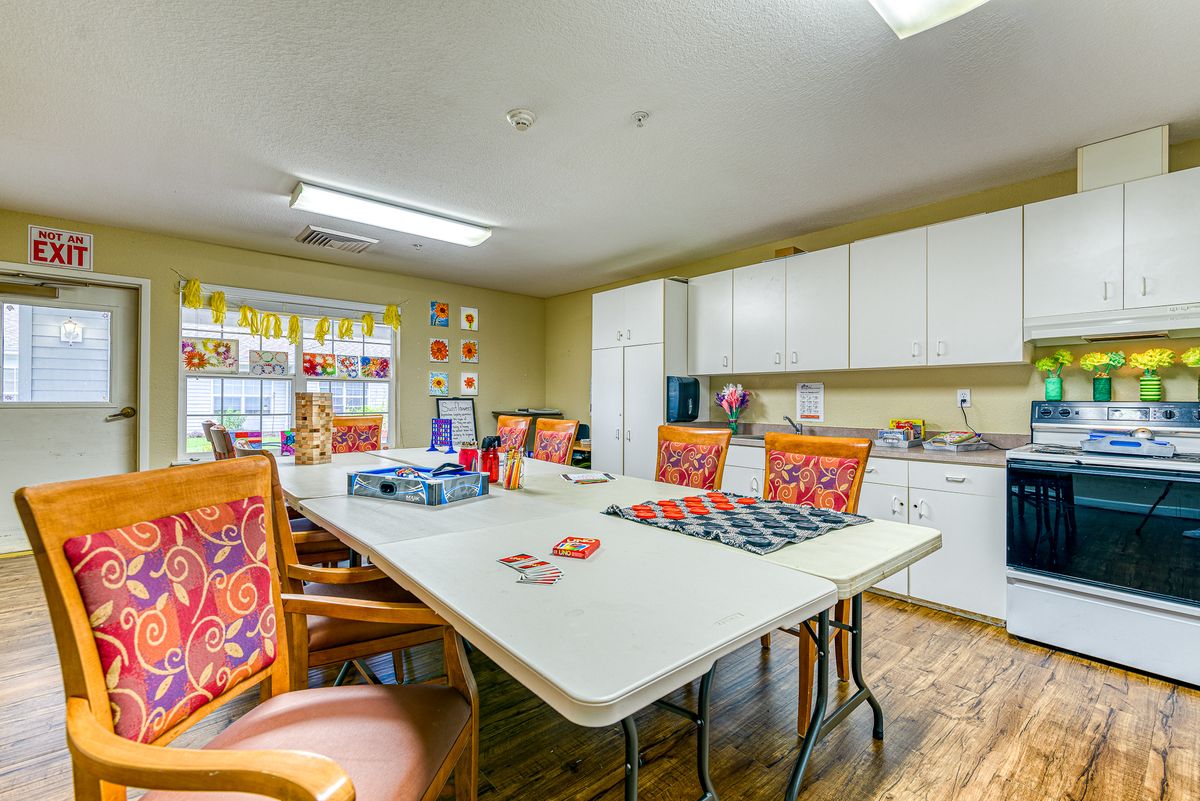
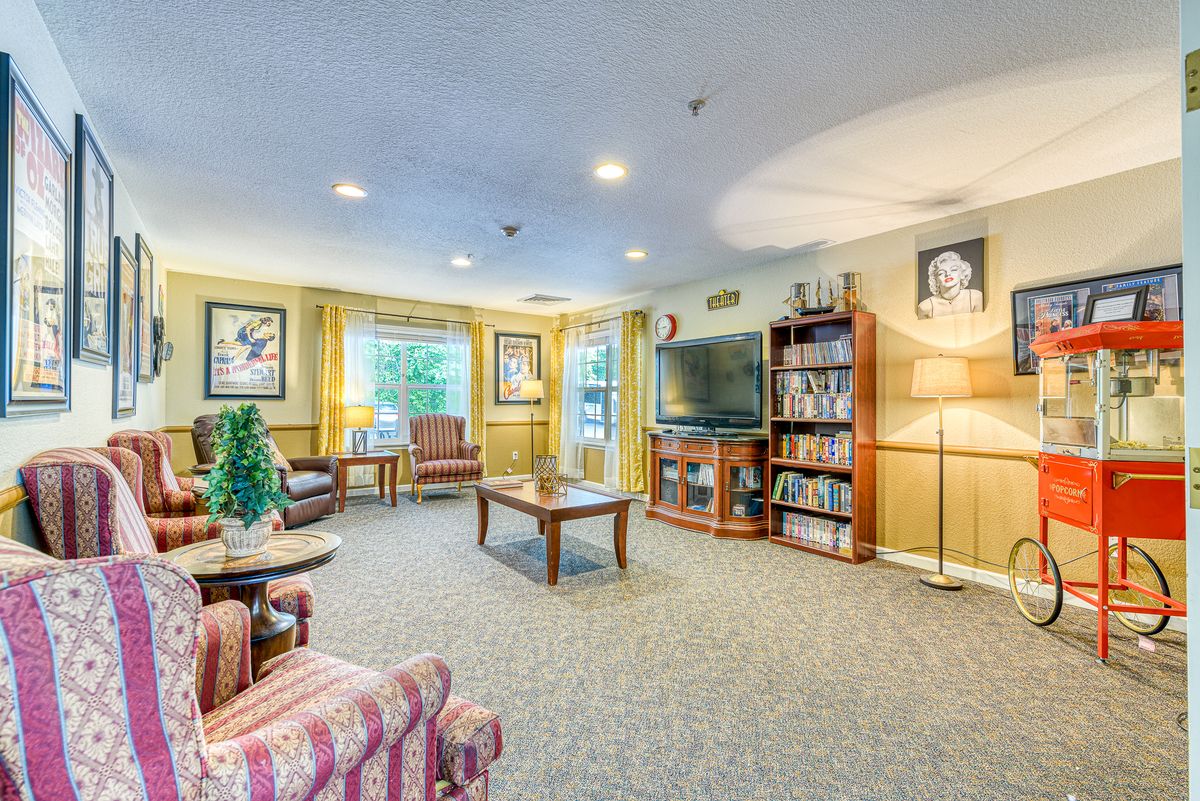
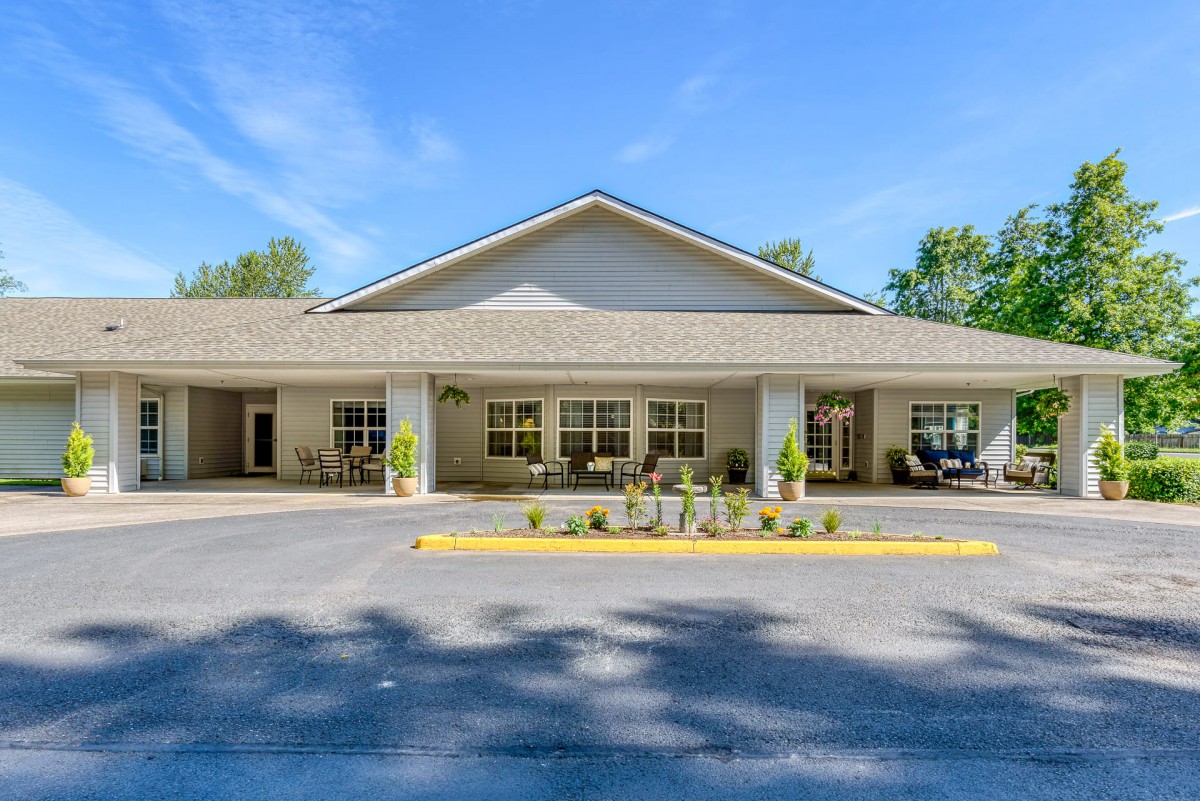
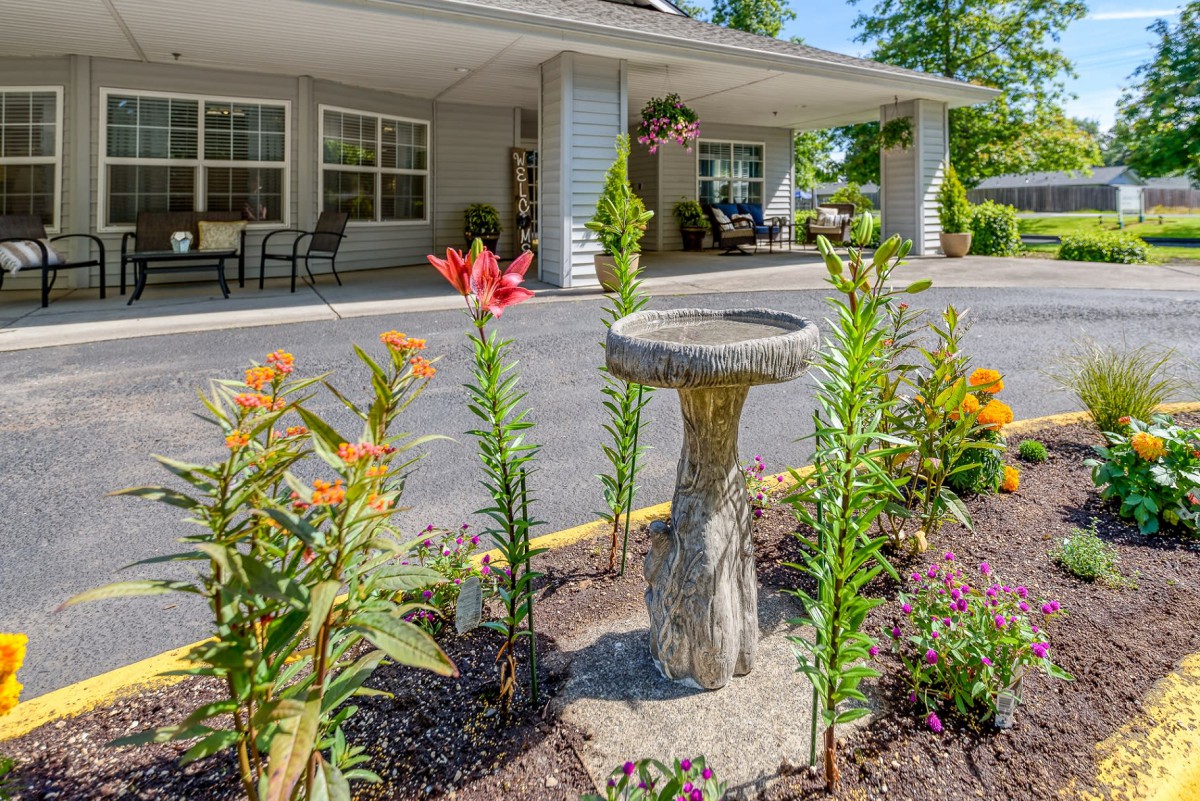
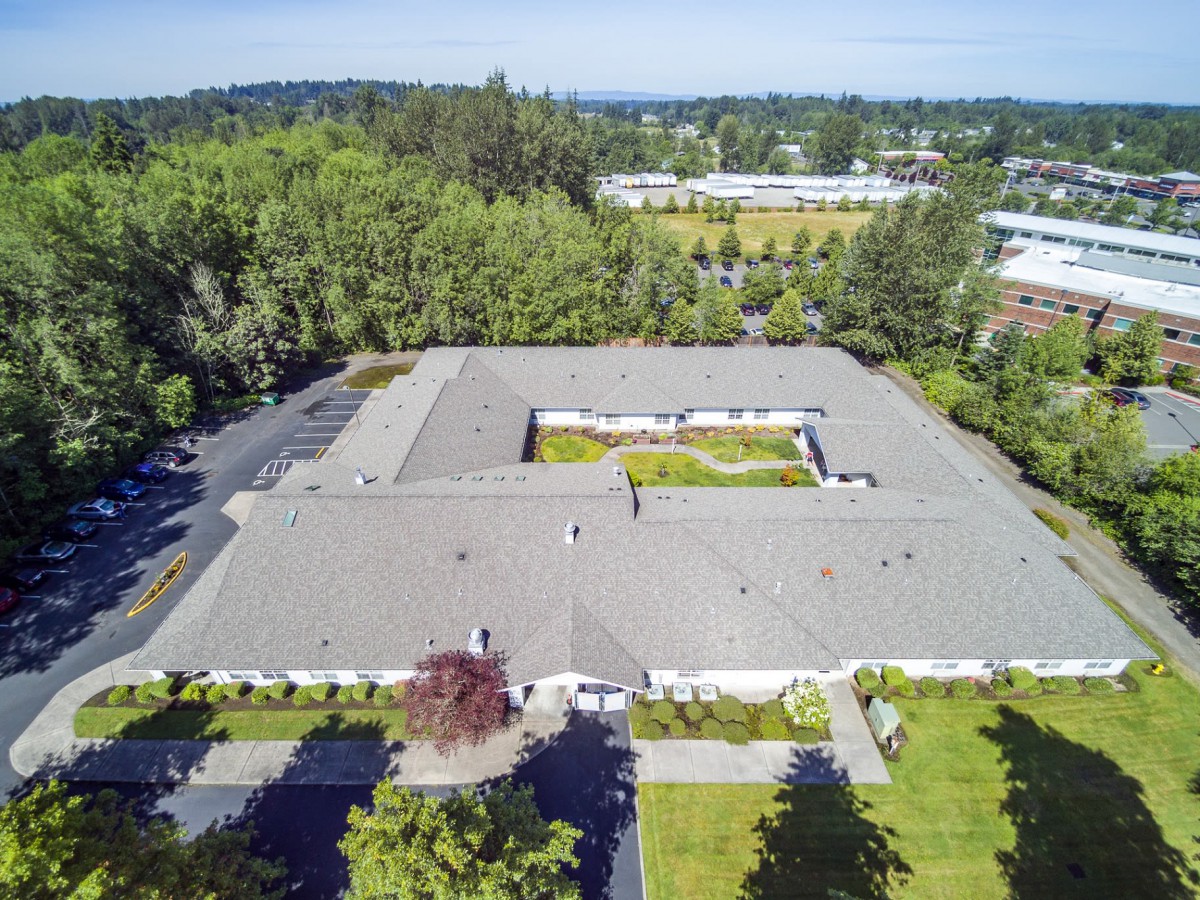
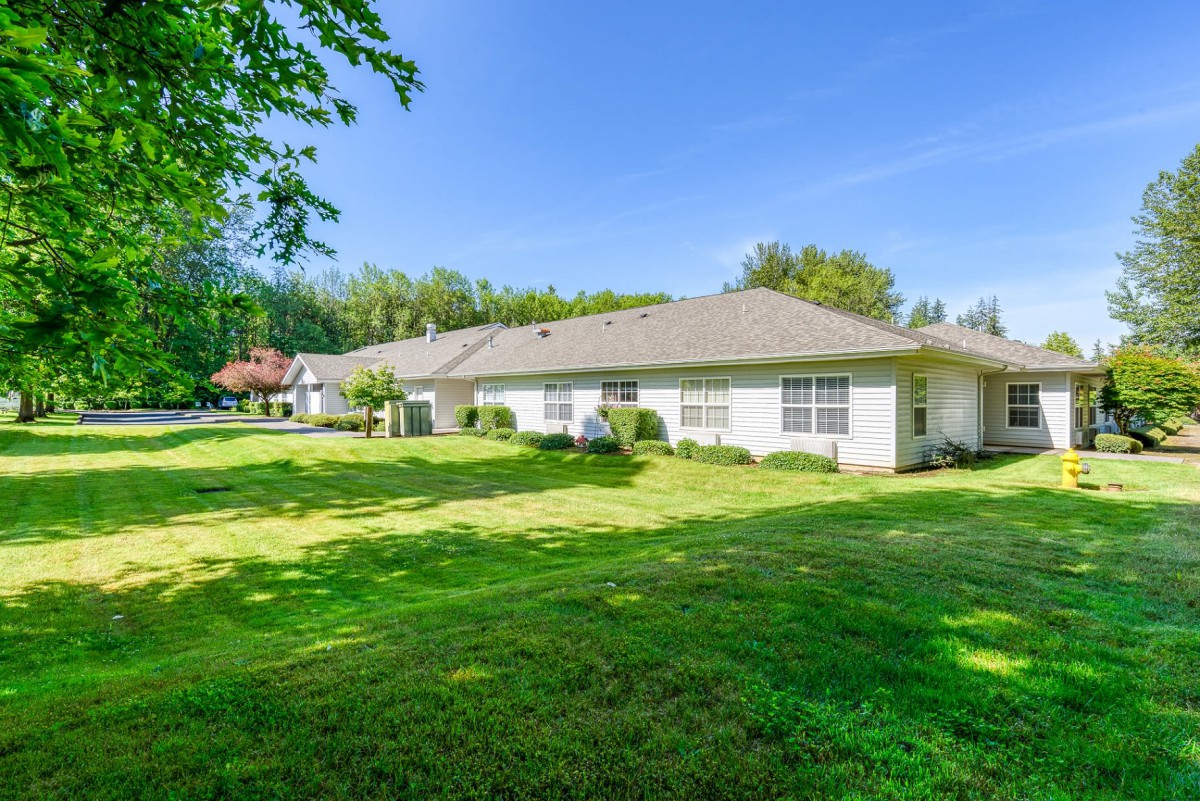
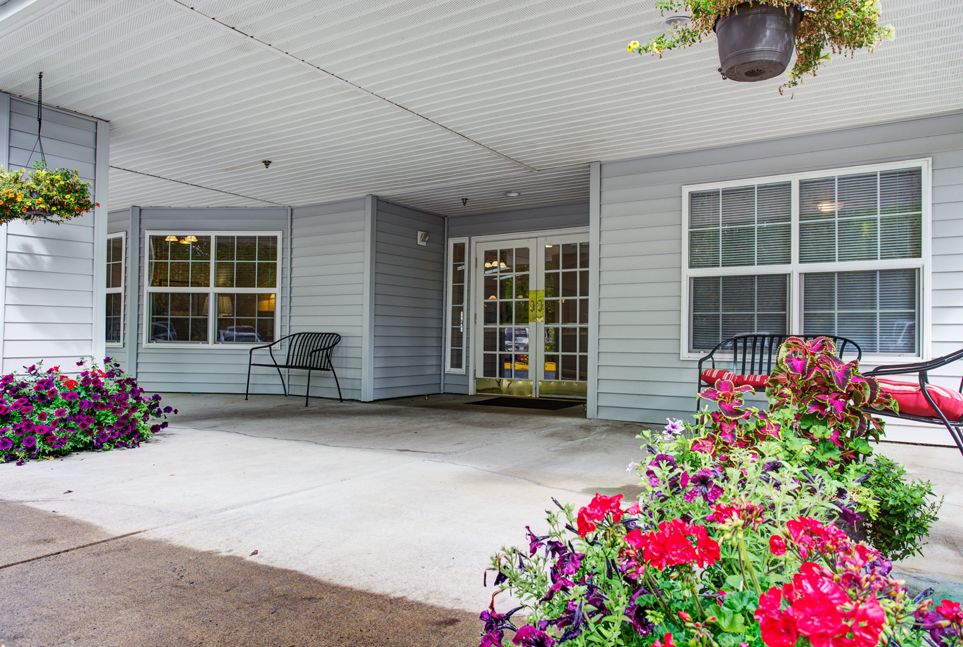
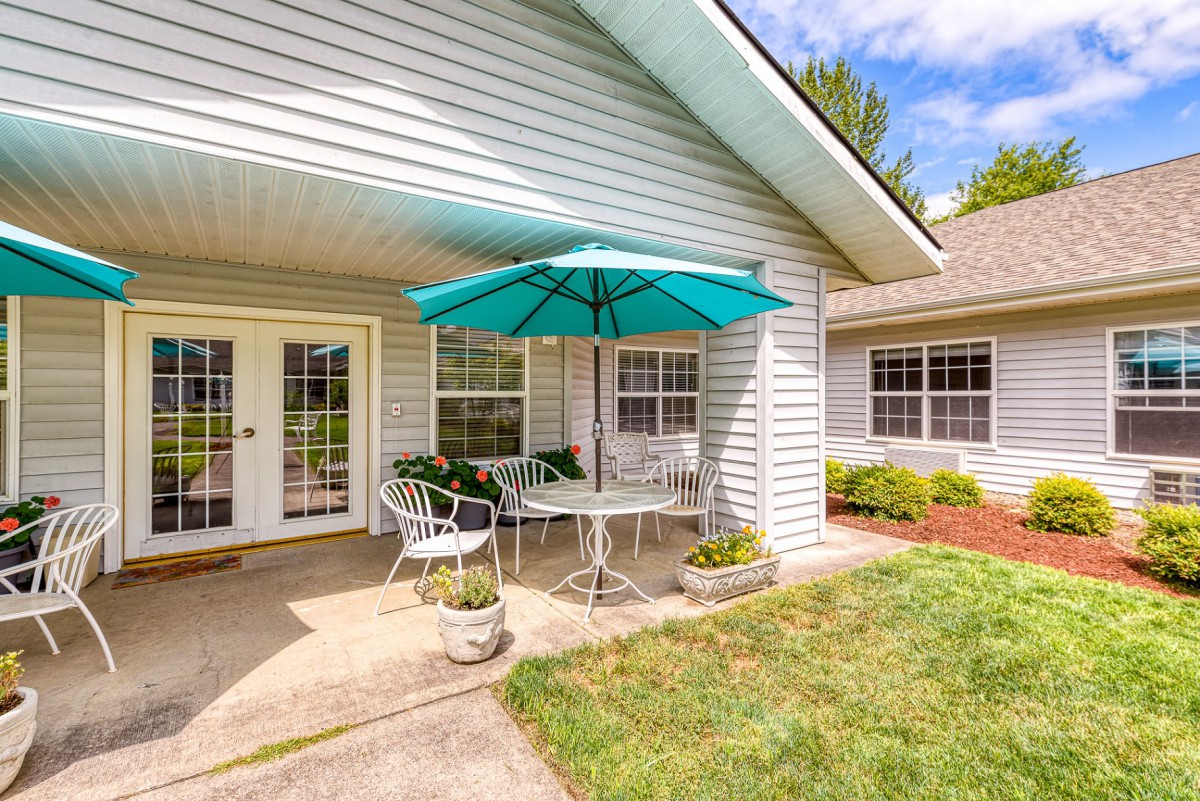
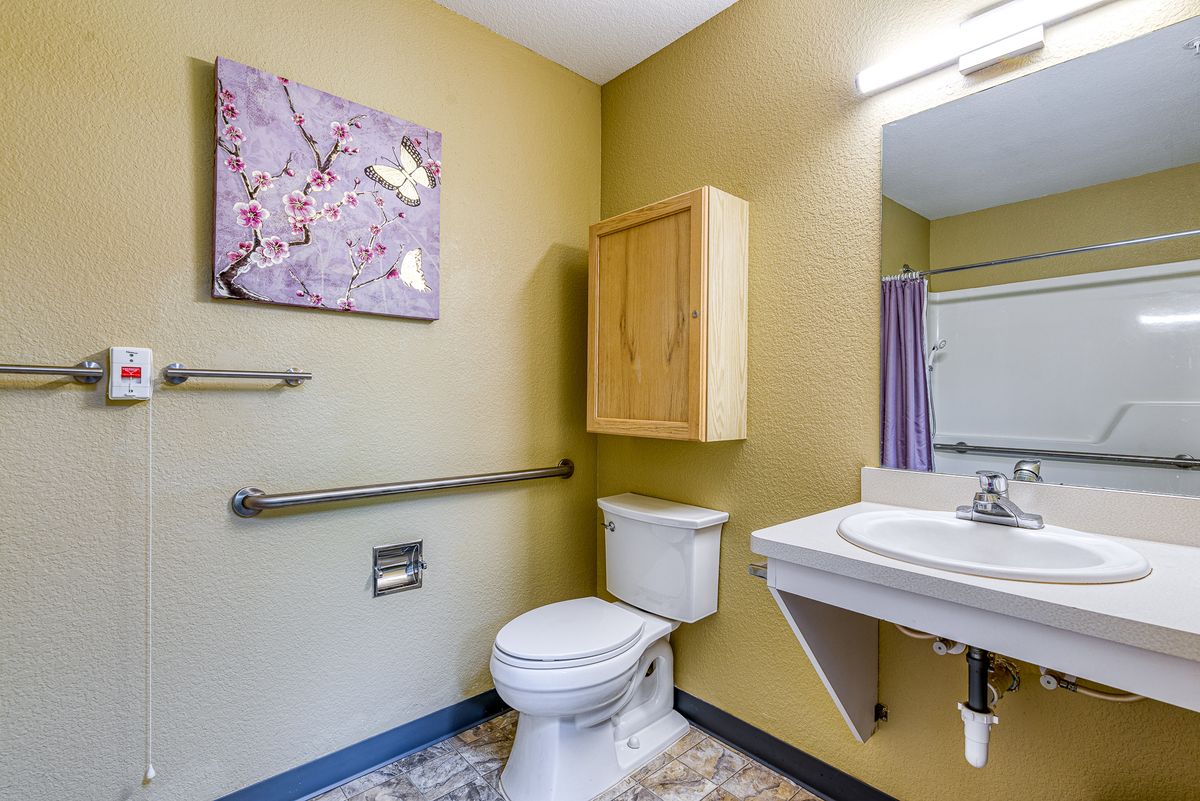
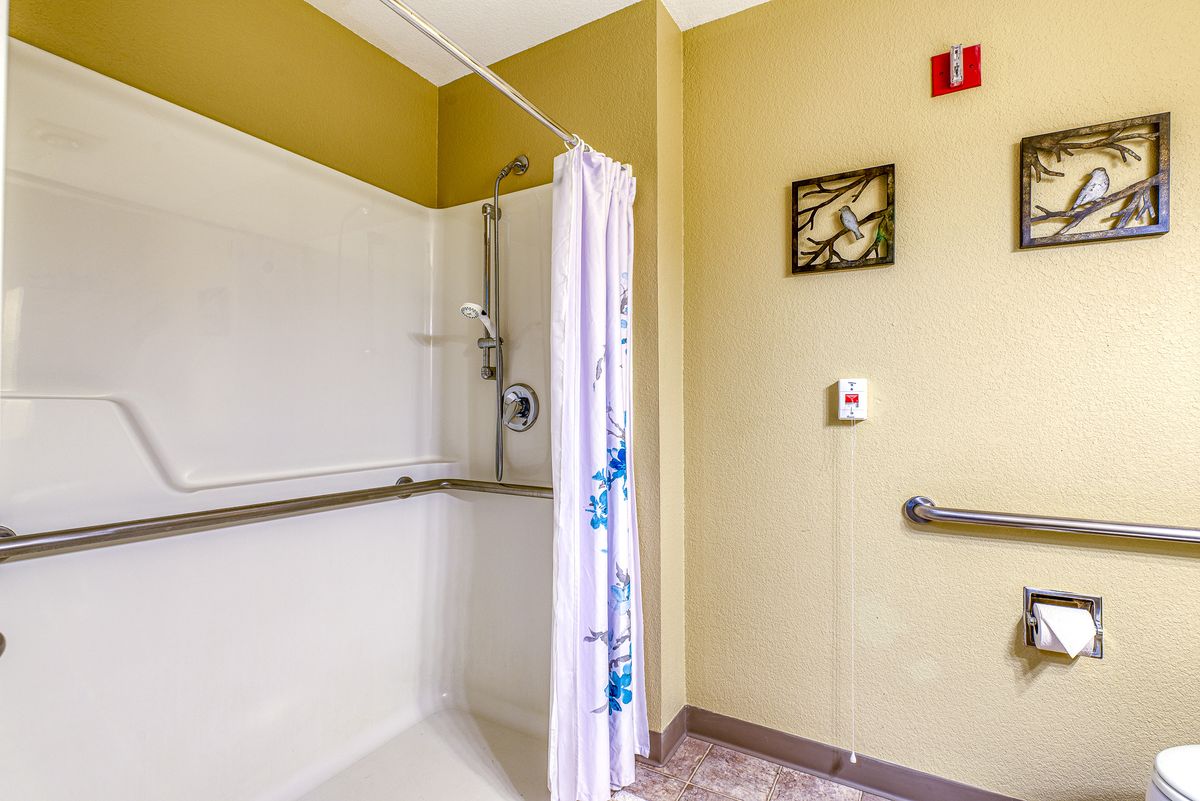
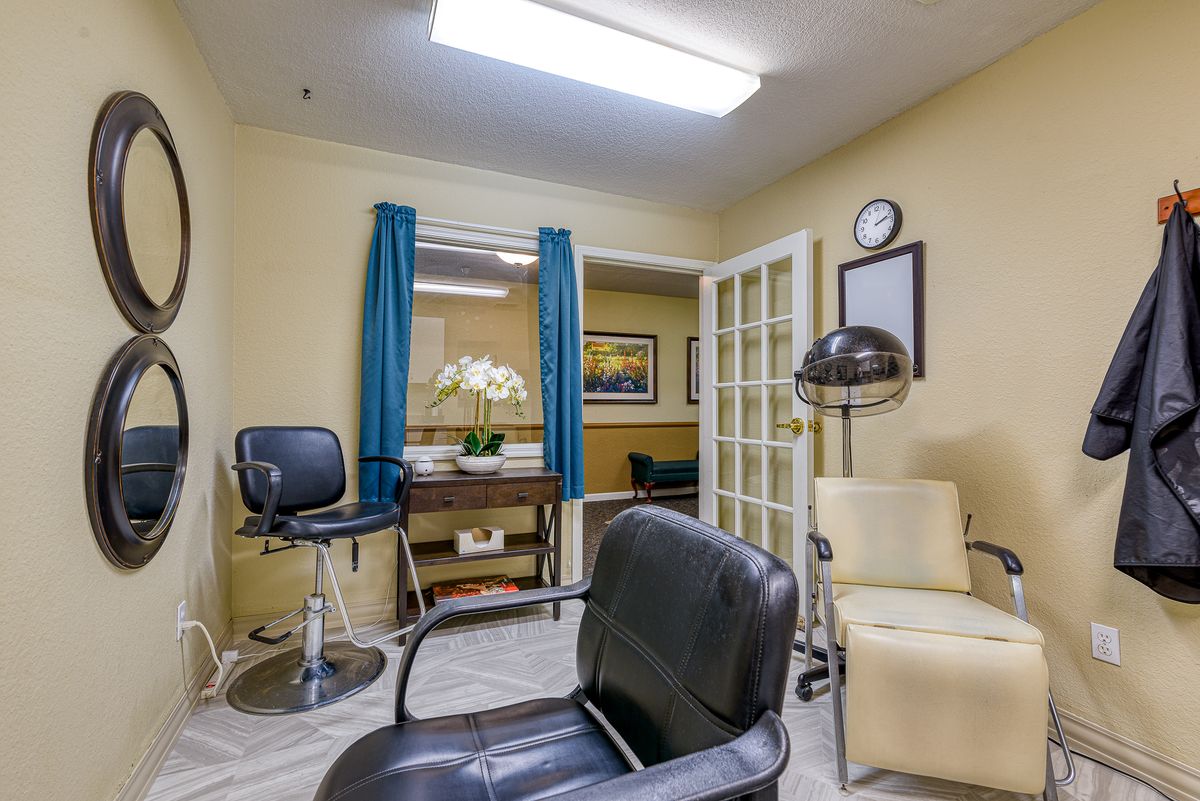
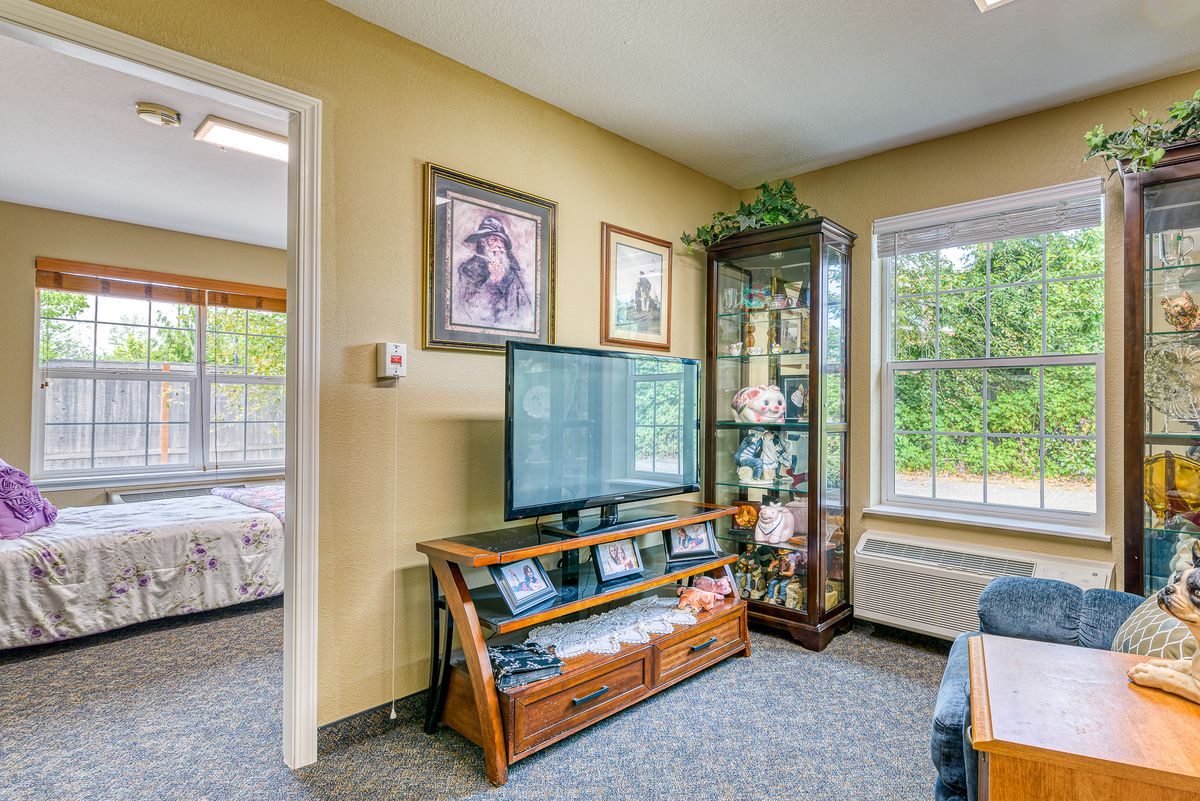
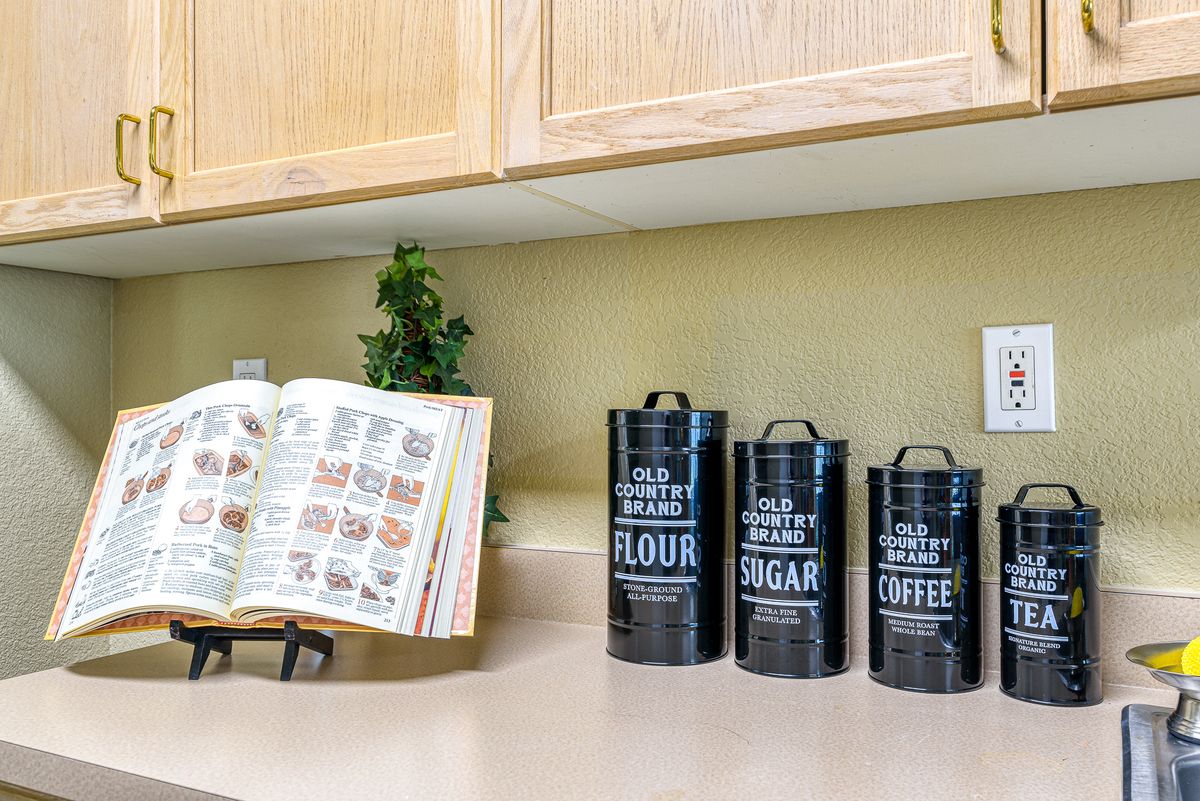
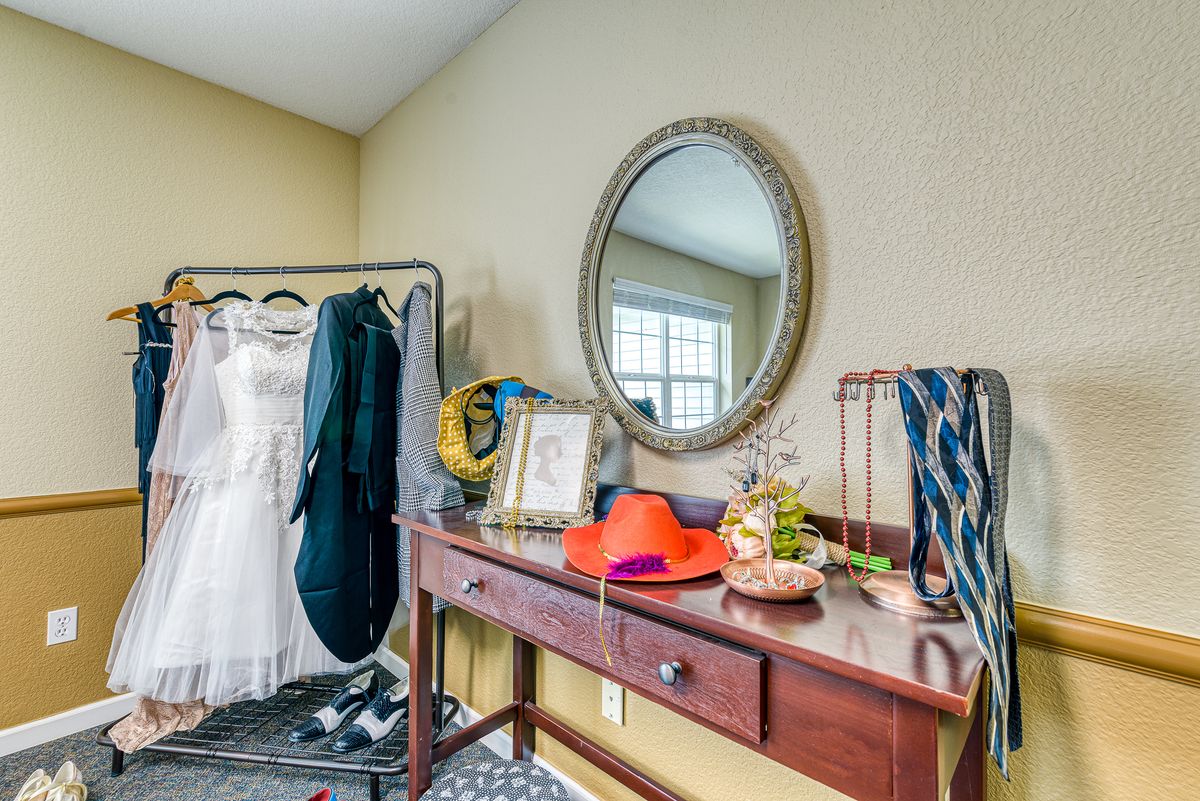
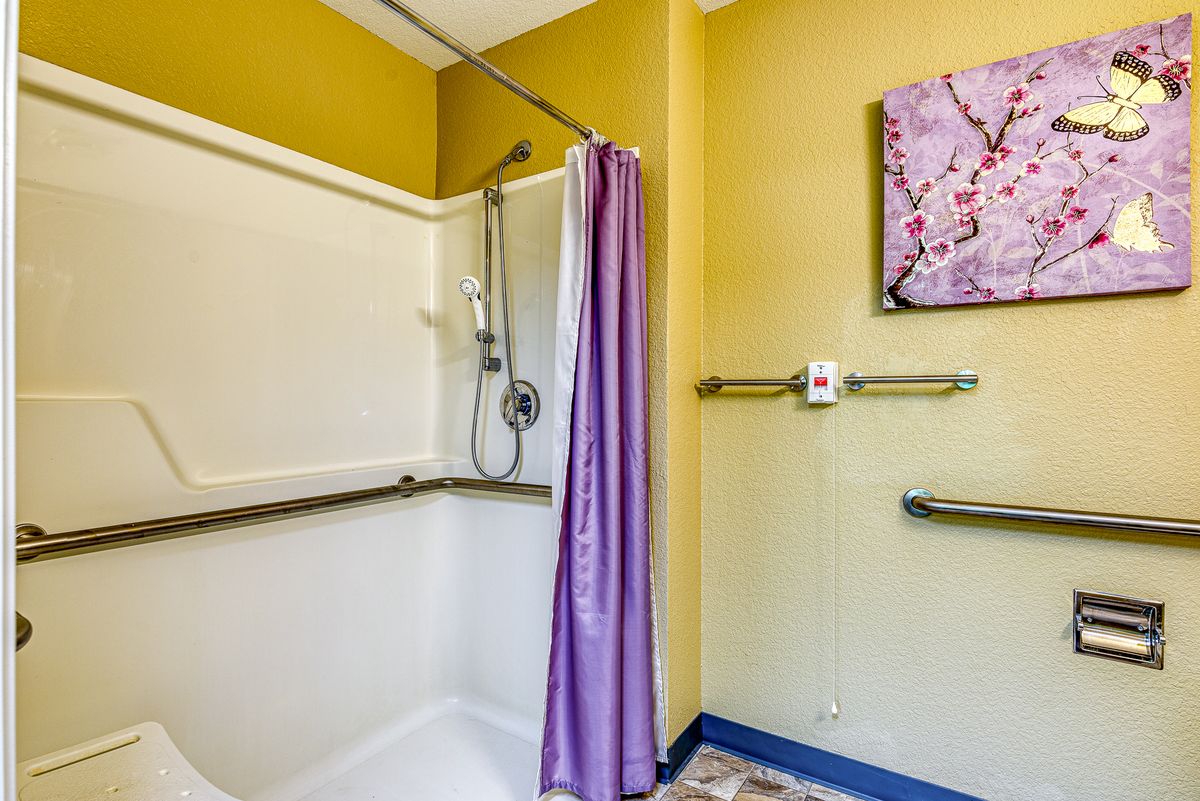
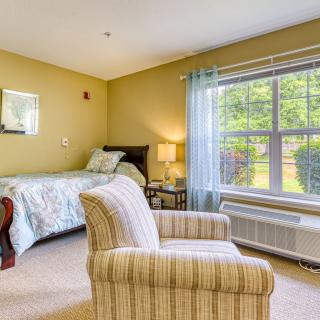
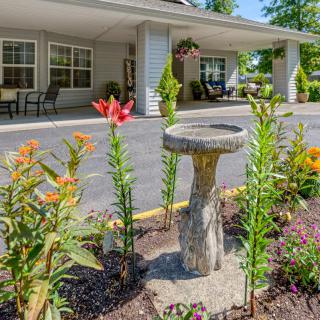
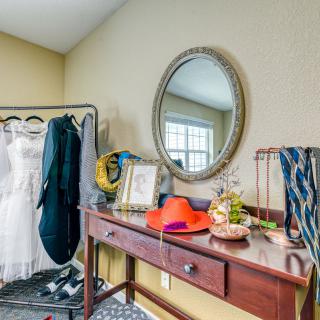
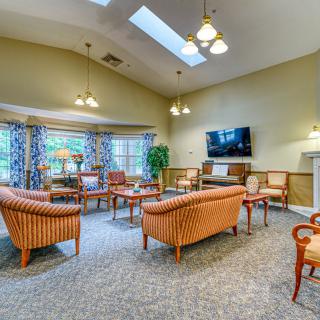
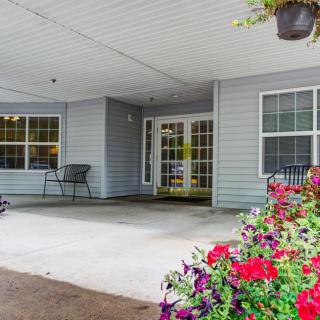
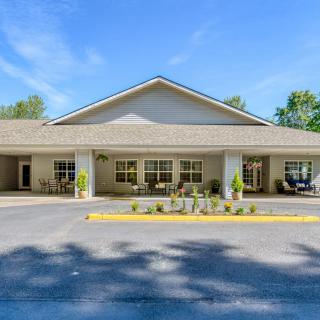
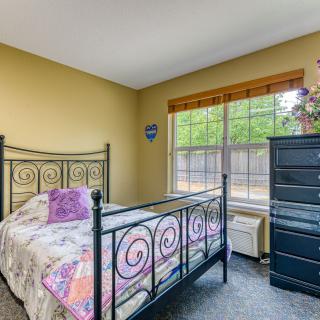
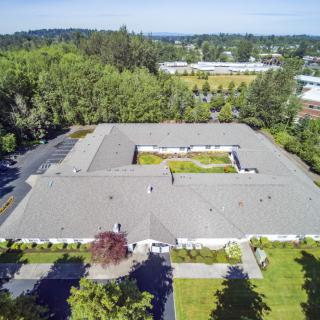
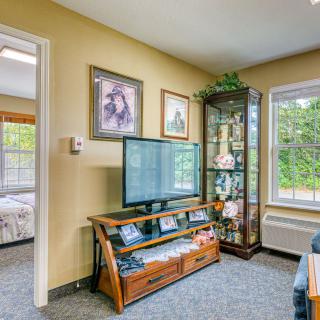
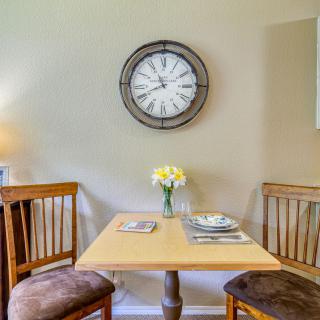
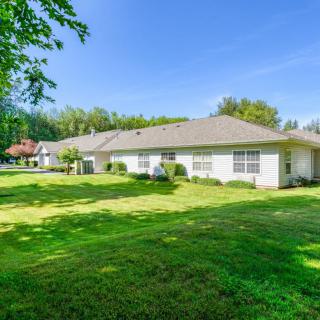
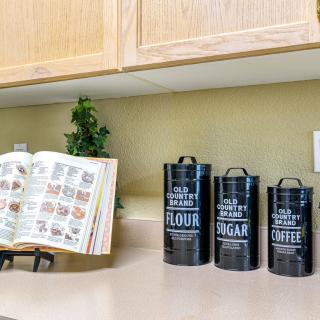
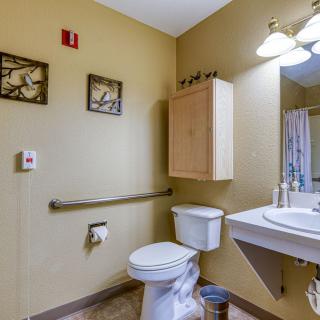
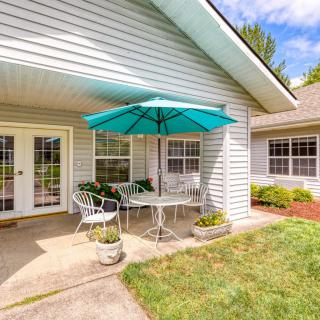
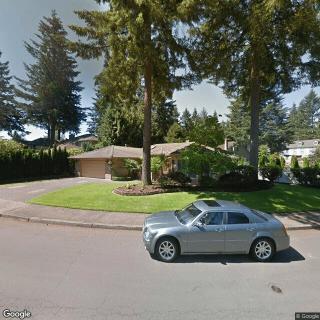
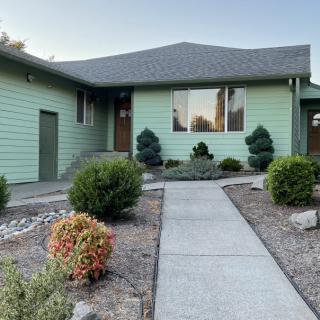
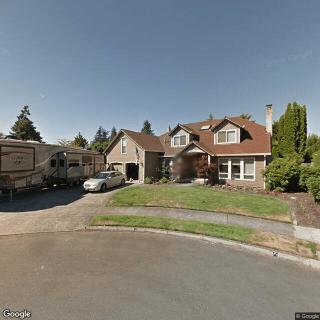
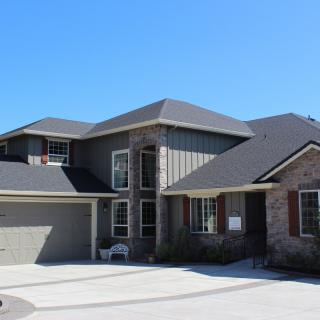
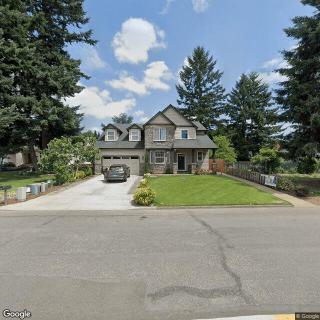
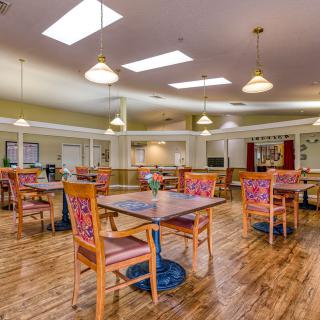
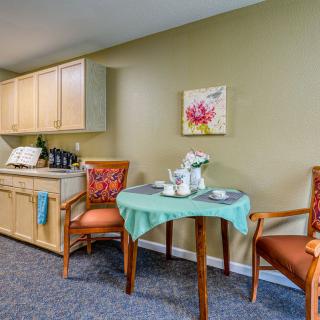
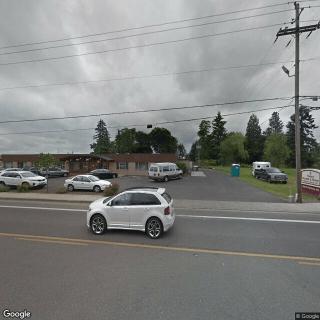
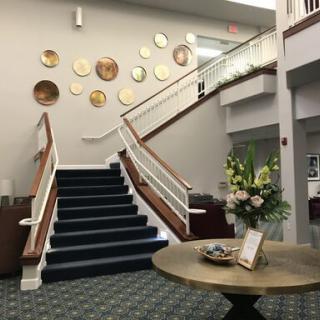
Creekside Place on seniors.fyi includes 45 photos including images showing interior, decor, windows, bedroom, living room, bathroom, dining, television, and more.
Nearby Communities
Serenity Gardens
Battle Ground, WA
5 from 3 reviews
Serene setting with personalized care and easy access to parks, pharmacies, doctors, dining, and worship.
Brookfield Health And Rehab Of Cascadia
Battle Ground, WA
3.8 from 54 reviews
Fully furnished apartments with private bathrooms and kitchenettes, plus restaurant-style dining and on-site amenities.
Brookfield Health and Rehab
Battle Ground, WA
3.7 from 46 reviews
Memory care and skilled nursing with compassionate staff; convenient access to parks, pharmacies, and doctors.
Casey's Adult Family Home
Battle Ground, WA
5 from 4 reviews
$3,500 / month
Competitive private-room rate; high-acuity care and medication management; on-site amenities (beautician, activities) and diverse dining (kosher, vegetarian); respite care available.
Vintage Years AFH, Inc
Battle Ground, WA
4.5 from 10 reviews
Home-like setting with personalized care near nature and local services.
Mallard Landing
Battle Ground, WA
4.7 from 81 reviews
$3,500 to $4,500 / month
Friendly, attentive staff; clean, well-maintained facilities with engaging activities.
Cogir of Vancouver Senior Living
Vancouver, WA
3.9 from 53 reviews
$2,895 to $4,695 / month
Friendly staff, clean environment, and active dining/social life.
The Park at University Village
Vancouver, WA
4.9 from 55 reviews
$4,300 to $6,000 / month
Spacious, fully furnished apartments with on-site meals, care services, and a variety of activities.
Dayspring Memory Care
Vancouver, WA
4.4 from 5 reviews
$6,500 to $6,800 / month
Spacious rooms with a warm, engaging staff and a strong sense of community.
The article highlights eight indicators that a loved one with dementia may require specialized memory care, emphasizing the emotional and logistical challenges families encounter in this decision. It discusses signs such as difficulties with daily tasks, safety concerns, and caregiver burnout, suggesting that memory care facilities can provide the necessary support and structured environments for those experiencing cognitive decline.
Dementia, primarily caused by Alzheimer's disease but also linked to other conditions, leads to cognitive decline impacting memory and daily functioning, with individuals experiencing varied awareness of their impairments. Despite memory loss, emotional connections persist, enabling responses to familiar stimuli, highlighting the need for caregivers to provide compassionate support that recognizes both limitations and retained emotional depth.
The article presents five subtle indicators of dementia, such as memory lapses and mood swings, to help families assess cognitive decline in loved ones. It emphasizes early detection, open communication, and seeking professional help while providing practical support steps.
Outdoor Furniture, Table And Chairs, and House Exterior
Bright Lighting and Meeting Room
Spacious
Reception
Closet
Grab Bars
Coffee Station
Interior Decor
Accessible
Cozy Atmosphere
Dryer
Handrails
Handrail
Get PricingAsk A QuestionSchedule A TourContact Senior Advisor
By clicking submit, you agree to our Partner's Terms of Use. You
also consent to receive calls and texts, which may be autodialed, from our Partner. Your consent is not a condition to
using our Partner's service. Please visit our Partner's Privacy Policy for information about their privacy practices.

 40 resident community capacity
 Assisted Living
 Memory Care
 Respite Care
 Cats allowed
 Dogs allowed
 Activities on-site
 Air-conditioning
 Beauty salon
 Cable or satellite TV
 Devotional services on-site
 Dining room
 Fully furnished
 Garden
 Ground floor units
 Handicap accessible
 Housekeeping services
 Indoor common areas
 Kitchenette
 Move-in coordination
 Outdoor common areas
 Restaurant-style dining
 Small library
 Telephone
 Wheelchair accessible showers
 Wi-Fi/high-speed internet available
 Portland International (13 miles away)
 24-hour call system
 Ambulatory care
 Assistance with bathing
 Assistance with dressing
 Assistance with transfers
 Diabetes diet
 Incontinence care
 Medication management
 Mental wellness program
 Special dietary restrictions
 Art classes
 Brain fitness
 Day trips and outings
 Happy hour
 Live dance or theater performances
 Live musical performances
 Stretching classes
 Trivia games
 Wii bowling
 Serene setting with personalized care and easy access to parks, pharmacies, doctors, dining, and worship.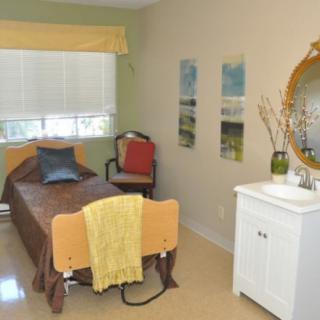

 8 Important Indicators That Memory Care May Be Necessary
 Delving into the Inner World of Dementia: Insights into Thoughts and Awareness
 Five Subtle Dementia Indicators to Observe: An In-Depth Guide to Understanding “Does My Mom Have Dementia?”