
23901 NE 120 Court, Battle Ground, WA 98604
To contact a resident: (360) 687-8016
For more information about senior living options: (866) 208-4318
Casey's Adult Family Home Costs & Pricing
Casey's Adult Family Home offers a competitive monthly rate of $3,500 for private rooms, which positions it favorably in comparison to the average costs within Clark County and across Washington State. In Clark County, the average monthly cost for similar accommodations is approximately $3,992, while the state-wide figure reaches about $4,772. This places Casey's Adult Family Home as an attractive option for individuals seeking quality care without overextending their budgets. The lower price point not only reflects a commitment to affordability but also enhances accessibility to essential services in a comfortable setting.
| Floor plans | Casey's Adult Family Home | Clark County | Washington |
|---|---|---|---|
| Private | $3,500 | $3,992 | $4,774 |
Senior living communities with a similar price nearby
-
from +$300 / mo
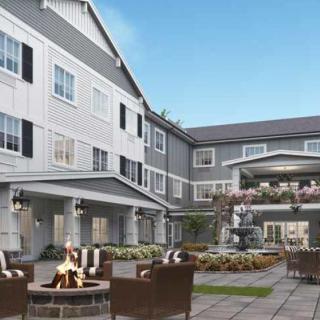
The Inn at University Village
$3,800 to $7,500 / month7.1 miles away -
from -$500 / mo
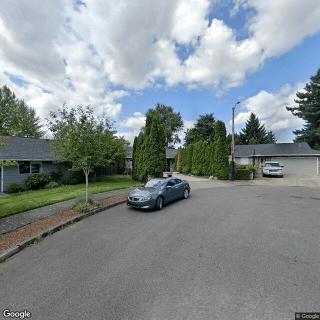
Yamhill Senior Care Home
$3,000 / month19.5 miles away -
from -$500 / mo
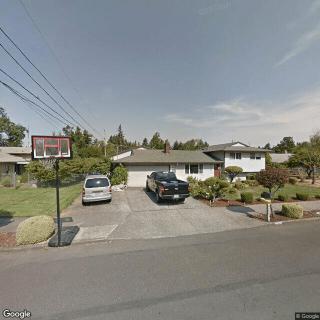
Peaceful Lighthouse Adult Care Home
$3,000 / month18.7 miles away -
About the same
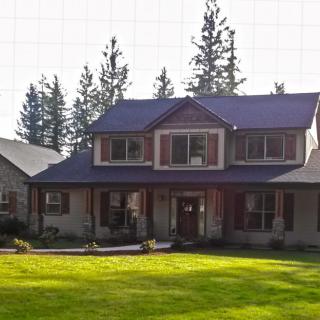
Family and Company NW
$3,500 to $3,800 / month5.0 miles away -
from -$500 / mo
Young at Heart Care Home
$3,000 / month25.0 miles away
Overall Review of Casey's Adult Family Home
Pros
 The grandmother received amazing, loving care.
- The staff treated her like family and provided the care she needed.
- She was always clean and well cared for during visits.
- The caregivers held high standards and delivered trustworthy care.
- The place provides great care for elderly folks.
- It is the best place for taking care of elderly folks.
Review
Casey’s Adult Family Home in Battle Ground, Washington is best suited for seniors who flourish in a small, home-like setting where care feels personal, consistent, and genuinely affectionate. The format favors residents who value daily companionship and a caregiving team that treats each day as family time. The strongest signals from families are the intimate, attentive care that supports loved ones through serious moments: a clean, well-kept home, staff who know residents by name, and a culture of respect and tenderness. It proves especially compatible for those who prioritize comfort, dignity, and predictable routines, including individuals at advanced ages or those needing steady, compassionate support in the last chapters of life.
From the reviews, the care is consistently described as outstanding. Families credit this home with more than meeting basic needs; they emphasize thoughtful attention, cleanliness, and a level of involvement that feels warmly familial. The staff’s high standards show in small, tangible ways, consistent hygiene, timely assistance, and a calm, reassuring presence during visits. The environment feels safe and homelike, a factor that matters when routine and continuity help reduce anxiety for both residents and their families. When relatives speak of it as the best place for elderly care and describe the care as great, that signals a depth of dedication that goes beyond routine tasks.
However, Casey’s Adult Family Home naturally operates on a smaller scale. For families whose loved ones require intensive 24/7 medical oversight, sophisticated memory-care programming, or access to a broad range of on-site therapies, alternatives with larger staff and formal structures may be a better fit. The intimate format can also mean fewer specialized amenities and fewer opportunities for diverse social activities than larger campuses. Families seeking strict privacy boundaries or a highly structured daily schedule might find the less institutional rhythm of a home like this less aligned with their preferences.
Yet the pros here offset those potential gaps in meaningful ways. The small-team dynamics foster unwavering reliability, caregivers who understand residents’ preferences, histories, and triggers and who respond quickly to changing needs. The result is a level of trust that’s hard to achieve in facilities with higher staff turnover. For someone nearing the end of life or requiring steady, compassionate caregiving, the value of a consistent, family-like routine outweighs the absence of top-tier medical facilities. The warmth and personalized attention can translate into less stress for families and a clearer sense of peace for the resident.
For families narrowing choices, practical questions are essential. What is the caregiver-to-resident ratio during day and night? How are medications administered, and who handles medical calls after hours? What is the policy on family visits, overnight stays, and participation in daily activities? How are meals planned, and how flexible are routines to accommodate personal preferences? What emergency procedures exist, and how quickly can the home coordinate with external healthcare providers? Clarify whether specialized supports, dementia care, palliative care, or physical therapy, can be integrated, and at what cost. These specifics will determine whether the intimate care model aligns with the resident’s medical needs and family expectations.
In practical terms, Casey’s Adult Family Home is a compelling fit for families prioritizing heartfelt, consistent care in a small, homelike setting. It works best when a loved one benefits from daily continuity, intimate attention, and a participatory caregiving approach that treats the resident as part of an extended family. Those needing robust medical silos, extensive memory-care programs, or a bustling campus culture should consider alternatives that offer more formal structure. With clear expectations around care scope, availability, and personalized routines, this community can deliver the peace of mind families seek when choosing a home for aging loved ones.
 Board and Care Home
 Activities off-site
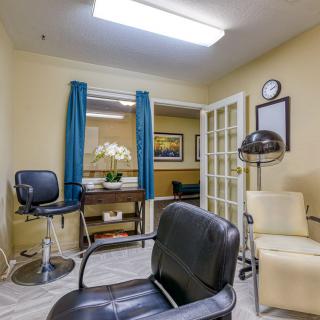
 Beautician on-site
 Devotional services off-site
 Indoor common areas
 Outdoor common areas
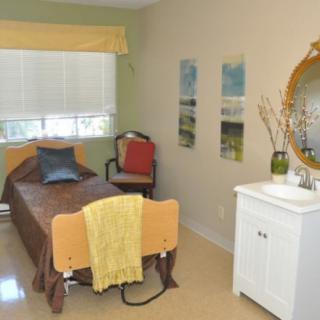
 Private
 Respite or short term stays offered
 Wheelchair accessible showers
 Portland International (14 miles away)
 Diabetic care
 High acuity care
 Medication management
 Kosher


 Nurturing Our Elders: Linda's Journey of Supporting Her Mother
 A Comprehensive Exploration of Common Misunderstandings about Powers of Attorney
 Senior Move Management: Understanding the Role, Value, and Associated Costs