
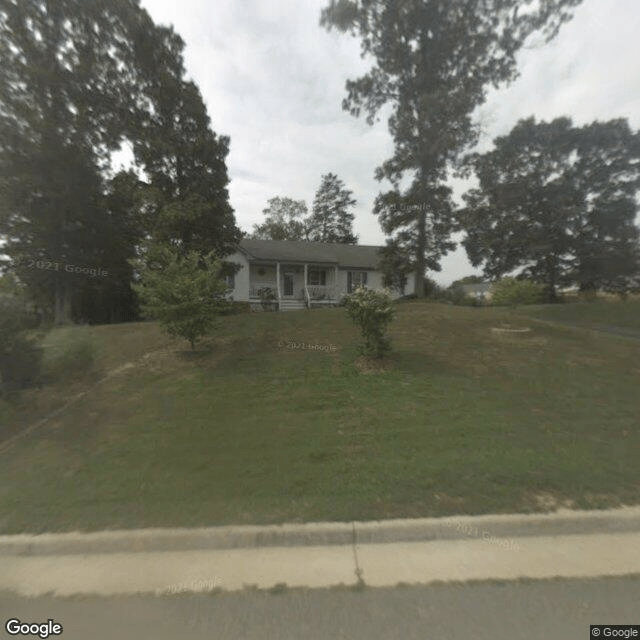
6171 Dijon Dr., Mechanicsville, VA 23116
To contact a resident: (804) 779-4847
For more information about senior living options: (866) 208-4318
The Haven Assisted Living @ Dijon Costs & Pricing
The Haven Assisted Living @ Dijon offers competitive pricing for its residents compared to Hanover County and the broader state of Virginia. For a semi-private room, the monthly cost is $3,850, which is notably lower than Hanover County's average of $4,135, yet remains slightly above the statewide average of $3,991. Residents opting for a one-bedroom suite will pay $5,000 at The Haven, positioned above both Hanover County's rate of $4,867 and Virginia's average of $4,257. Furthermore, the price for a private room is also set at $5,000 - comparable to Hanover County's figure of $4,999 but higher than the state's average of $4,684. Overall, The Haven provides appealing options that balance quality care with affordability in the context of local and state averages.
| Floor plans | The Haven Assisted Living @ Dijon | Hanover County | Virginia |
|---|---|---|---|
| Semi-Private | $3,850 | $4,135 | $3,991 |
| 1 Bedroom | $5,000 | $4,867 | $4,257 |
| Private | $5,000 | $4,999 | $4,684 |
Memory care communities with a similar price nearby
-
from -$375 / mo

The Westmont at Short Pump Community
$3,475 to $5,325 / month16.8 miles away -
from +$499 / mo

Anthology of Midlothian
$4,349 to $7,649 / month16.8 miles away -
About the same
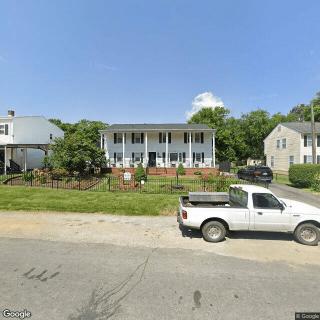
Covenant Columns Manor
$3,800 to $4,940 / month7.4 miles away -
from -$574 / mo

Discovery Village At The West End
$3,276 to $4,108 / month14.0 miles away -
from +$700 / mo
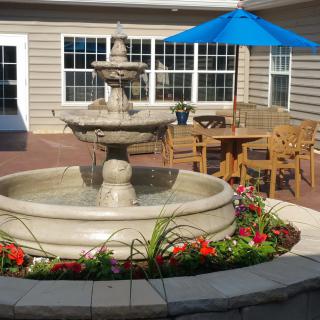
Heritage Green Assisted Living
$4,550 to $7,700 / month1.8 miles away
Overall Review of The Haven Assisted Living @ Dijon
Pros
 The facility provides personalized care from a small, wonderful staff at a much more reasonable rate.
- The haven gave them peace of mind that they had made the right decision for their father's care.
- It was absolutely wonderful.
- Jackie was easygoing and professional.
- The home was well-kept, clean, and organized.
- There was plenty of room for residents to move around outside their rooms.
Review
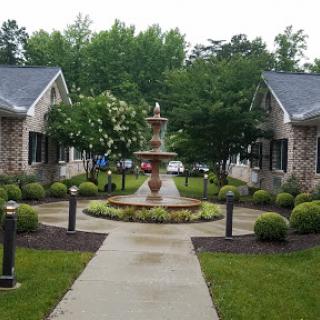
The Haven Assisted Living at Dijon in Mechanicsville is best suited for seniors who want an intimate, home-like setting where care is personal and costs stay predictable. With a small staff and a maximum of four residents, the operation delivers a level of attentiveness and visibility that larger communities rarely match. This is the kind of environment where caregivers know routines, preferences, and medical nuances well, and where families gain reassurance from hands-on supervision rather than anonymous service. It works especially well for residents who don’t require around-the-clock nursing care but still need dependable daily support, safety oversight, and companionship in a quiet, manageable footprint.
If a resident needs intensive medical management, complex wound care, or frequent physician coordination, or if the preference is for a broader social calendar and more built-in programming, a larger assisted living or a facility with dedicated memory care may be a better fit. This isn’t a place designed for high-volume activities or frequent specialist visits; it shines when consistent, individualized attention matters more than a punch-card of amenities. For families prioritizing breadth of programming or robust on-site clinical oversight, alternatives should be explored early in the decision process.
Among the strongest advantages are highly personalized care from a small, devoted staff and a rate that feels fair for the level of attention provided. Families report peace of mind knowing a loved one receives tailored support rather than being one more chart in a crowded hall. The setting itself reinforces this: well-kept, clean, organized, and with residents free to move about; the home can accommodate up to four residents, which translates into genuine privacy, reduced noise, and frequent check-ins. These factors combine to create a safer, more predictable daily rhythm, with caregivers who can flag changes quickly.
Those advantages offset the limited scale because the quality of interaction is consistently high, and the price is typically lower than larger facilities. In practice, this means fewer transitions, more meaningful conversations, and a sense that care decisions are collaborative with family input. For many families, the stronger alignment between staff and resident preferences translates into fewer misunderstandings and faster adjustments when routines need tweaking. On balance, the intimate format often yields safer, more predictable evenings and mornings, which matters greatly for memory- or mobility-challenged seniors who thrive on routine.
Reviewers consistently highlight a caring, easygoing staff; Jackie is noted as professional; the home is clean and organized; residents have room to roam outside their rooms. The four-resident cap is repeatedly framed as a benefit, more attention, less chaos, though it also means potential limits on the breadth of activities and social opportunities. The rating mix shows solid satisfaction, with four five-star reports and two mid-range impressions, suggesting a few residents or families pressed for more features or steadier escalation plans. Taken together, the experiences point to a community that delivers warmth and value, tempered by the realities of a small operation.
For families weighing options, The Haven at Dijon is a practical, cost-conscious choice when emphasis is on individualized care, home-like atmosphere, and dependable daily routines. It is less suitable for those seeking robust programming, extensive on-site medical oversight, or a larger community with more frequent social events. The next steps are to schedule a visit, observe interactions, inquire about what services and medication support are included in the rate, and ask how emergencies are managed with the existing small team. If the resident’s needs evolve toward more intensive care or more social variety, consider alternatives that offer greater staffing breadth and specialized care while still benchmarking cost and personal attention.
 Board and Care Home
 Memory Care
 Activities off-site
 Indoor common areas
 Outdoor common areas
 Private
 Richmond International (9 miles away)
 High acuity care
 Meals provided
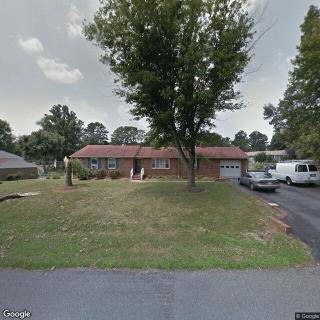

 8 Key Indicators That Suggest It May Be Time to Transition from Assisted Living to Skilled Nursing Care
 Nourishing the Mind: Essential Dietary Approaches for Dementia
 Understanding Dementia Behaviors: Practical Insights and Strategies for Caregivers