The Rehab Center and Memory Care at Bristol

Save

The Rehab Center and Memory Care at Bristol

109 Village Cir, Bristol, VA 24201

For more information about senior living options: (844) 490-3973

4 from 11 reviews
5 stars
6
4 stars
3
3 stars
0
2 stars
0
1 stars
2

Memory Care

The Rehab Center and Memory Care at Bristol Costs & Pricing

At The Rehab Center and Memory Care at Bristol, the costs for care reflect a comprehensive approach to supportive living. For a semi-private room, residents can expect a monthly fee of $4,750, which aligns with the same rate in Bristol city but stands notably higher than the state average of $3,991. For those seeking more privacy and comfort, a studio room is available at $5,250 per month. This rate surpasses the local city average of $3,745 and also exceeds Virginia's state average of $4,436. These costs indicate that while The Rehab Center provides exceptional care and amenities tailored to residents' needs, they do come at a premium compared to broader regional averages.

Floor plansThe Rehab Center and Memory Care at BristolBristol cityVirginia
Semi-Private$4,750$4,750$3,991
Studio$5,250$3,745$4,436

Overall Review of The Rehab Center and Memory Care at Bristol

Pros

  • pro The rehab team at The Rehab Center at Bristol takes such great care of their residents.
  • pro They were knowledgeable and informative.
  • pro Communication was great.
  • pro The facility is always clean.
  • pro They have been very responsive and very helpful.
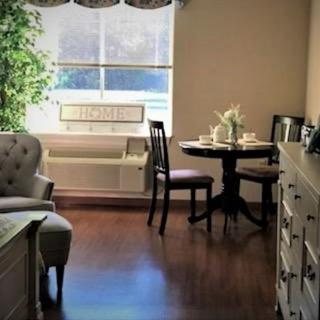
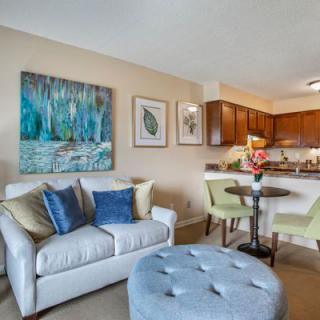
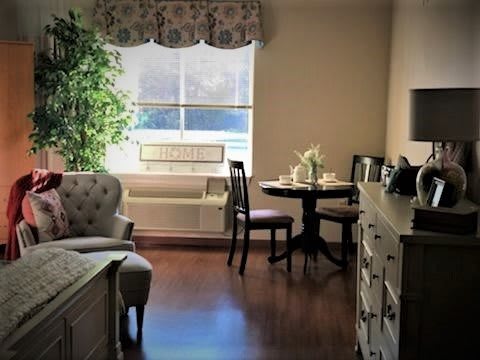
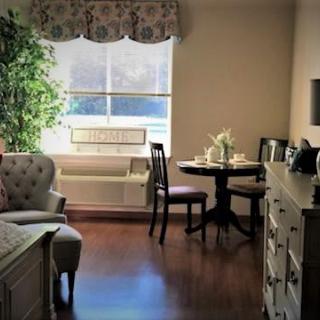
  • pro The old room looked spacious, well lit, and well taken care of.
  • pro The food is well-liked by residents.
  • pro Covington Senior Living's memory care is a wonderful choice that provides peace of mind.
  • pro The staff became like family to families, and they treat residents and their families with love and respect.
  • pro The staff were amazing, kind, and knowledgeable.

Cons

  • pro The reviewers advised avoiding the skilled nursing services at Rehab Center at Bristol.
  • pro A family member had a horrible experience, waiting up to 1.5 hours for nurse assistance after pressing the call button.
  • pro The food was horrible, and visitors were told they could not bring food.
  • pro Administration was never available to address concerns.
  • pro The facility was consistently short-staffed.
  • pro They would not recommend this place to anyone.
  • pro There had been significant turnover of staff.
  • pro The night shift was not good, with only a nurse and an aide on the memory care unit at night.
  • pro The flat rate did not cover all the services or amenities expected.
  • pro The gym was described as lackluster.

Review

This community is best suited for families pursuing short- to mid-term rehab with a strong clinical focus, plus those who want a memory care option housed on the same campus. The Rehab Center and Memory Care at Bristol distinguishes itself with a rehab team that residents and families can trust on important metrics: expertise, ongoing communication, and a clean, inviting environment. The presence of a dedicated memory care wing adds appeal for families navigating cognitive decline, offering a nearby option if this need emerges. When rehab goals are the priority - mobility, independence, and timely progress - this campus delivers a practical, hands-on program that keeps families informed and reassured.

Anyone evaluating this community should also consider alternatives if the emphasis is long-term, predictable care and consistently high daily operation. Families needing steadfast 24/7 nursing, rock-solid overnight staffing, and meals that reliably meet individual preferences may find the experience here uneven. Several reviews flag persistent staffing variability, limited night coverage, and administration that is not always readily available. For residents whose daily routines hinge on consistent caregiver assignments, or who require scrupulous attention to dietary accommodation and rapid response times, external options with a more stable management and staffing model may be a safer bet.

The strongest assets lie in the rehab experience and the facility's overall upkeep. The rehab team is described as knowledgeable and informative, with communication that keeps families in the loop about progress and setbacks. Cleanliness and a welcoming atmosphere - boosted by small touches like friendly dogs during visits - support a hopeful, engaged feel that is critical during recovery. The memory care wing adds depth to the campus's value, and family reports of rooms that feel bright, spacious, and well maintained reinforce the sense that the environment supports dignity and comfort during transitions. These operational strengths translate into tangible benefits for residents focused on rehabilitation outcomes.

Yet, the drawbacks cannot be dismissed. The most frequently cited concerns center on daily care beyond therapy hours: delayed assistance after calls for help, occasional perceptions of being understaffed, and inconsistent nighttime coverage. Recollections of long gaps between request and response touch a nerve for families worried about continence, comfort, and safety after hours. Administration and point-of-contact accessibility also appear variable, which can be frustrating when quick decisions or problem-solving are needed. The food program is another recurrent friction point, with some residents finding meals unpleasant or unwilling to accommodate preferences, a factor that can undermine overall well-being when long-term stays are contemplated.

These pros and cons interact in meaningful ways depending on care priorities. For rehab-focused residents, the proven therapy team and clean, supportive setting can meaningfully offset some daily-care gaps, yielding real progress and a positive recovery trajectory. For families prioritizing consistent, around-the-clock caregiving and menu flexibility, however, the risks - staff turnover, night-shift limitations, and inconsistent administrative responsiveness - may outweigh the benefits. The memory care component is a meaningful asset, but uncertainty about the level and consistency of care in that wing - highlighted by mixed comments on overall SNF quality - means this option should be weighed against other facilities with established, stable memory care protocols.

Bottom line: this campus is a pragmatic choice for rehab-first planning and for families seeking a memory care option without moving to a separate campus. It excels when clear rehab goals drive the decision and when a clean, communicative team supports the recovery journey. It is less suitable for residents who require unwavering, 24/7 nursing coverage, highly consistent staffing, and dietary flexibility as a daily standard. Prospective families should demand specific answers on night shift coverage, onboarding and turnover plans, meal customization, and direct access to the director of nursing. A thorough tour - covering both the rehab unit and the memory care wing - plus candid conversations with frontline staff and leadership will reveal whether the day-to-day reality aligns with the care expectations and the family's long-term objectives.

Features

Types of Care

  • Memory Care Memory CareMemory care is crucial for seniors as it provides specialized support and services for individuals with dementia or Alzheimer's disease. These programs offer a safe and secure environment where residents receive personalized care, cognitive stimulation, and help with daily activities. Memory care helps seniors maintain their independence, quality of life, and dignity while also providing peace of mind for their families.

Amenities

  • Activities off-site Activities off-siteEngaging in off-site activities is crucial for seniors to maintain social connections, stay active, and stimulate their minds. It promotes overall well-being and helps combat feelings of isolation and loneliness.
  • Activities on-site Activities on-siteActivities on-site are important for seniors because they provide opportunities for socialization, mental stimulation, physical activity, and overall well-being. Engaging in activities can help seniors stay active, maintain their independence, and improve their quality of life.
  • Air-conditioning Air-conditioningAir conditioning is important for seniors as they are more vulnerable to heat-related illnesses and may have underlying health conditions that make it difficult for them to regulate their body temperature. It helps to keep them comfortable, safe, and healthy in hot weather.
  • Bath tubs Bath tubsBath tubs are important for seniors because they provide a safe and relaxing way to bathe, helping to prevent slips and falls while promoting independence and overall well-being.
  • Beautician on-site Beautician on-siteHaving a beautician on-site at a senior living community is important for seniors as it allows them to easily access grooming and personal care services, boosting their self-esteem and overall well-being. It also provides convenience and helps seniors maintain their sense of independence and personal style.
  • Cable or satellite TV Cable or satellite TVCable or satellite TV is important for seniors because it provides entertainment, news, and companionship, helping to combat loneliness and boredom. It also offers a wide range of programming options tailored to different interests and preferences.
  • Devotional services on-site Devotional services on-siteDevotional services on-site provide seniors with spiritual support and a sense of community, as well as an opportunity for reflection and guidance during their senior living experience. This can promote emotional well-being and connection to others, leading to a more fulfilling and enriching lifestyle in their later years.
  • Ground floor units Ground floor unitsGround floor units are important for seniors because they provide easy accessibility, reduced risk of falls and injuries, and convenience for those with mobility issues. Seniors can avoid climbing stairs or using elevators, making daily tasks and activities more manageable and enjoyable.
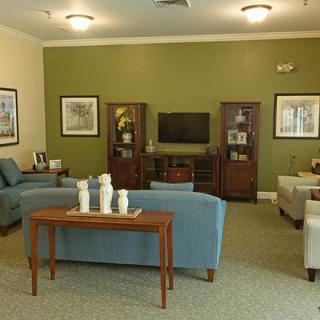
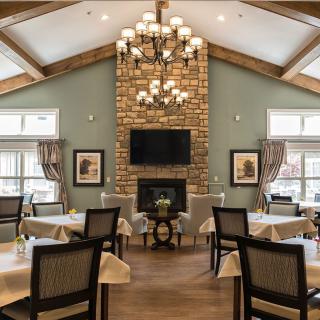
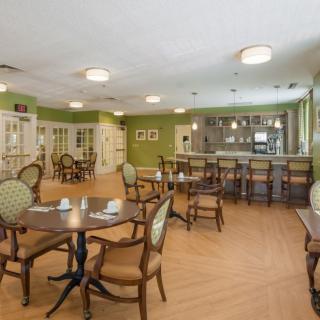
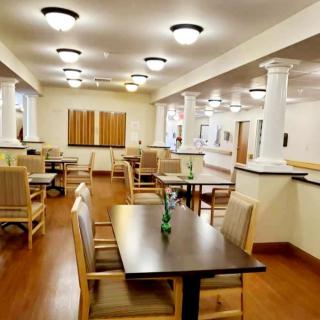
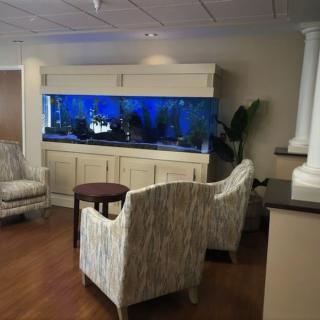
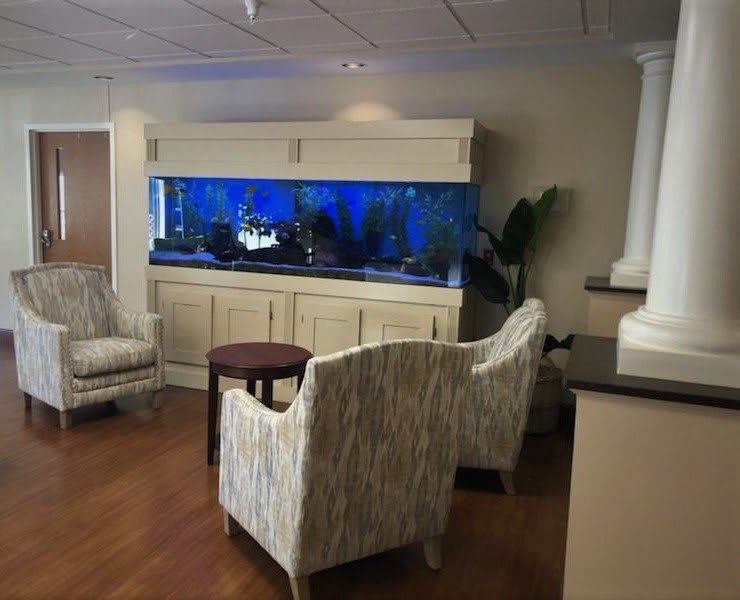
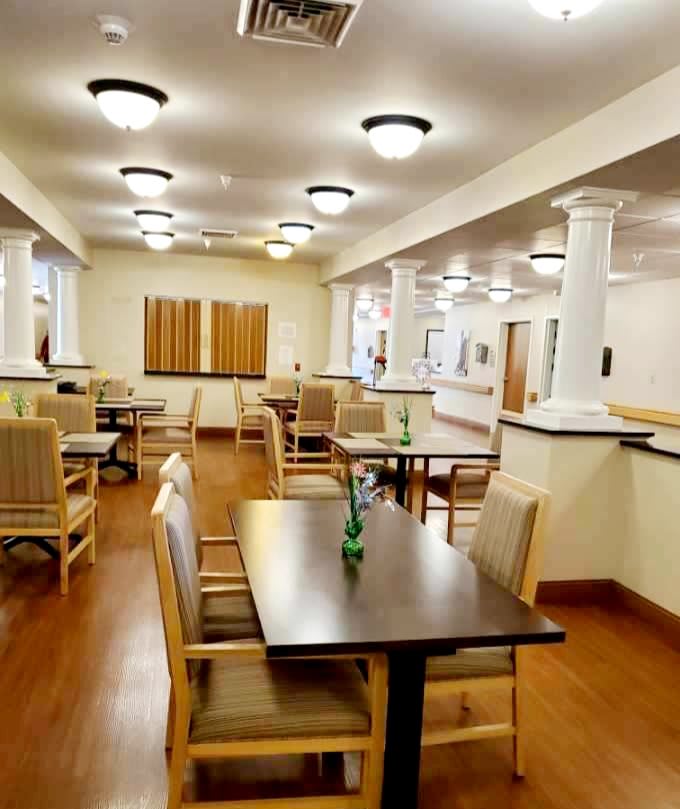
  • Indoor common areas Indoor common areasIndoor common areas are crucial for seniors as they provide a space for socialization, recreation, and community engagement, promoting overall well-being and reducing feelings of isolation and loneliness.
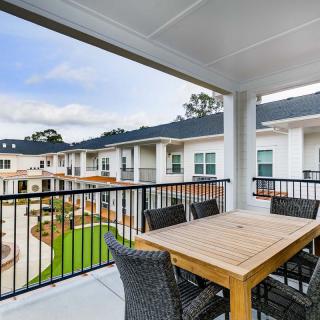
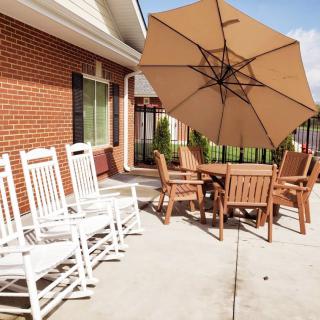
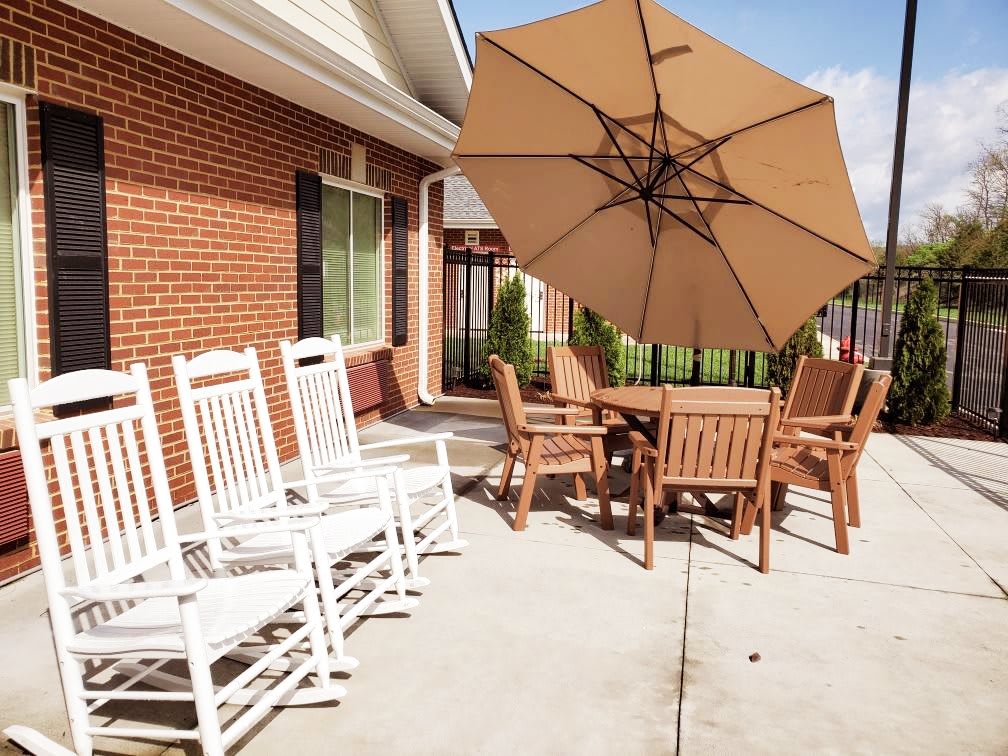
  • Outdoor common areas Outdoor common areasOutdoor common areas are important for seniors as they provide a space for socialization, physical activity, and relaxation. Being outside in nature can improve mood and overall well-being, while also encouraging movement and engagement with others. These spaces can help combat feelings of isolation and promote a sense of community among residents.
  • Respite or short term stays offered Respite or short term stays offeredRespite or short term stays provide seniors with a temporary solution when their regular caregiver is unavailable, offering them the opportunity to receive additional care and support during times of need, while also giving caregivers a chance to rest and recharge.
  • Wheelchair accessible showers Wheelchair accessible showersWheelchair accessible showers are crucial for seniors as they provide a safe and independent bathing option for those with mobility challenges. These showers help prevent falls and allow seniors to maintain their dignity and autonomy while ensuring they can bathe comfortably.
  • Wi-Fi/high-speed internet available Wi-Fi/high-speed internet availableWi-Fi/high-speed internet is important for seniors to stay connected with loved ones, access online resources, and participate in virtual activities to combat feelings of loneliness and isolation. It also allows them to easily manage healthcare needs, access entertainment, and engage in lifelong learning opportunities.

Transportation

  • Tri-Cities Regional (19 miles away) Tri-Cities Regional (19 miles away)

Care Services

  • Ambulatory care Ambulatory care"Ambulatory care services provide essential medical support and treatment to seniors without requiring hospitalization, allowing them to maintain their independence and quality of life while managing chronic conditions or receiving routine medical care."
  • Diabetic care Diabetic careDiabetic care is crucial for seniors as they are more susceptible to developing diabetes due to aging and other health conditions. Proper management of diabetes can help prevent complications such as heart disease, vision loss, and nerve damage, improving the overall quality of life for seniors in senior living communities.
  • High acuity care High acuity careHigh acuity care is important for seniors because it provides specialized medical attention and support for individuals with complex medical needs. This level of care ensures that seniors receive the appropriate treatment and assistance to maintain their health and quality of life as they age.
  • Incontinence care Incontinence careIncontinence care is essential for seniors to maintain their dignity, hygiene, and overall quality of life. By addressing incontinence issues promptly and effectively, seniors can enjoy a sense of independence and comfort in their daily activities.
  • Medication management Medication managementMedication management is crucial for seniors to ensure they are taking the right medications at the correct dosages and times. This helps prevent adverse drug interactions, reduces the risk of medication errors, and promotes overall health and well-being. Proactive management also allows for adjustments as needed based on changing health conditions or new prescriptions.

Dining

  • Anytime dining Anytime diningAnytime dining is important for seniors because it allows them the flexibility to eat when they are hungry, rather than being restricted to set meal times. This can be especially beneficial for those with medical conditions or medications that affect their appetite, as well as those who may have difficulty adhering to a strict dining schedule. Overall, anytime dining promotes independence and overall well-being for seniors in senior living communities.
  • Gluten-free Gluten-freeGluten-free options are important for seniors as they are more prone to digestive issues and dietary sensitivities. Offering gluten-free meal choices in senior living communities can help improve their overall health and well-being.
  • Guest meals Guest mealsGuest meals are important for seniors living in senior living communities because they provide an opportunity for socialization and companionship. Sharing a meal with friends, family, or new acquaintances can help combat feelings of loneliness and isolation, promote a sense of community, and enhance overall well-being. Additionally, guest meals allow seniors to enjoy delicious food in a comfortable setting without the hassle of cooking or cleaning up, making dining a pleasurable and stress-free experience.
  • International cuisine International cuisineInternational cuisine is important for seniors because it offers a variety of flavors, ingredients, and cultural experiences that can help keep their meals interesting and enjoyable. Trying new dishes can also stimulate the senses and provide different nutrients that contribute to overall health and well-being. Additionally, exploring international cuisine can bring back fond memories of travels or childhood experiences, making mealtime more nostalgic and fulfilling for seniors.
  • Kosher KosherKosher options are important for seniors because they adhere to dietary laws that are significant to many Jewish individuals, providing them with peace of mind and an opportunity to maintain their cultural traditions and beliefs while living in a senior living community.
  • Low / no sodium Low / no sodiumLow/no sodium options are important for seniors because excessive sodium intake can lead to high blood pressure, heart disease, and other health issues commonly experienced by older adults. By choosing low/no sodium foods, seniors can better manage their health and reduce their risk of developing these conditions.
  • Meals provided Meals provided"Meals provided" are crucial for seniors in assisted living communities as it ensures they have access to nutritious, balanced meals without the stress of meal planning and preparation. This can help promote overall health and well-being for seniors who may have limited mobility or cognitive abilities.
  • No Sugar No SugarNo sugar diets are important for seniors because they can help prevent or manage chronic conditions such as diabetes, heart disease, and obesity. Sugar can also contribute to cognitive decline and inflammation in the body, so reducing sugar intake can lead to overall improved health and well-being in older adults.
  • Organic OrganicOrganic foods are important for seniors because they contain fewer chemicals and pesticides, which can be harmful to aging bodies. Additionally, organic foods often have higher nutrient levels, making them a healthier choice for maintaining overall well-being in older adults.
  • Professional chef Professional chefProfessional chefs are important for seniors living in senior living communities because they provide nutritious and delicious meals that cater to their dietary needs and preferences. A professional chef can ensure that seniors are receiving balanced, flavorful meals that support their overall health and well-being.
  • Restaurant style dining Restaurant style diningRestaurant style dining is important for seniors as it offers them a social and enjoyable dining experience, promotes healthy eating habits, and provides personalized menu options to cater to their dietary needs and preferences. This type of dining setting can enhance their overall quality of life and create a sense of community within the senior living facility.
  • Room service Room serviceRoom service is important for seniors in a senior living community because it provides convenience and allows them to have their meals delivered directly to their room. This can be especially beneficial for seniors who may have mobility issues or difficulty accessing the dining area. Room service ensures that seniors are able to receive nutritious meals without having to navigate through the facility, allowing them to maintain their independence and overall well-being.
  • Special dining programs Special dining programsSpecial dining programs are important for seniors because they provide nutritious meals tailored to their dietary needs and preferences. These programs also offer socialization opportunities, promote overall health and well-being, and can help prevent malnutrition.
  • Vegan VeganVegan diets can provide numerous health benefits for seniors, including lower risk of chronic diseases, improved digestion, and increased energy levels. Additionally, plant-based diets are often rich in essential nutrients that can support overall well-being and longevity in older adults.
  • Vegetarian VegetarianA vegetarian diet is important for seniors because it can help lower the risk of chronic diseases, maintain a healthy weight, and provide essential nutrients needed for aging bodies. Additionally, plant-based diets are often easier on digestive systems and can contribute to overall well-being in older adults.

Activities

  • Art classes Art classesArt classes are important for seniors because they provide a creative outlet, improve cognitive function, reduce stress and anxiety, promote socialization, and enhance overall well-being and quality of life.
  • Catholic services Catholic servicesCatholic services are important for seniors because they provide spiritual support, a sense of community, and opportunities for social interaction that can enhance overall well-being and quality of life in their later years.
  • Cooking classes Cooking classesCooking classes are important for seniors as they provide opportunities for social interaction, enhance cognitive skills, promote healthy eating habits, and boost confidence in the kitchen.
  • Devotional activities on-site Devotional activities on-siteDevotional activities on-site provide seniors with a sense of community, spiritual fulfillment, and emotional support, promoting overall well-being and a positive sense of purpose in their lives.
  • Educational speakers / life long learning Educational speakers / life long learningEducational speakers and lifelong learning opportunities are crucial for seniors as they provide mental stimulation, promote social engagement, and contribute to overall well-being. Continuous learning helps seniors stay mentally sharp, build new skills, and maintain a sense of purpose and fulfillment in their lives. It also allows them to stay connected to the world around them and fosters a sense of community within senior living facilities.
  • Jewish services Jewish servicesJewish services are important for seniors as they provide a sense of community, spiritual support, and connection to their heritage and traditions. These services help enhance overall well-being and quality of life for older adults in senior living settings.
  • Karaoke KaraokeKaraoke provides seniors with a fun and social activity that can boost mood, confidence, and cognitive function. It encourages social interaction, physical movement, and creative expression, making it an important form of entertainment for senior living communities.
  • Live well programs Live well programs"Live well programs are essential for seniors as they provide opportunities for physical activity, social engagement, and mental stimulation, ultimately promoting overall health and well-being in later years."
  • Mormon/LDS services Mormon/LDS servicesMormon/LDS services are important for seniors as they provide a sense of community, spiritual support, and connection to their faith during their later years. These services offer opportunities for socialization, worship, and guidance in navigating the challenges of aging.
  • Other religious services Other religious servicesOther religious services are important for seniors as they provide a sense of community, spiritual comfort, and opportunities for socializing. These services can help seniors feel connected to their faith and maintain a sense of purpose and belonging in their later years.
  • Protestant services Protestant servicesProtestant services are important for seniors because they provide spiritual nourishment, community support, and a sense of belonging. These services can help seniors connect with others who share their faith, find comfort and guidance in times of need, and maintain a sense of purpose and fulfillment in their later years.
  • Visiting chaplain or priest Visiting chaplain or priestHaving a visiting chaplain or priest at a senior living community is important for seniors because it provides spiritual support, comfort, and guidance during a time of life that can be challenging and uncertain. Their presence can help seniors feel connected to their faith, find peace of mind, and cope with the emotional and mental struggles they may face in their later years.

Description

The Rehab Center and Memory Care at Bristol is an assisted living community located in Bristol, VA. Our community offers a wide range of amenities and care services to ensure the well-being and comfort of our residents.

For recreational activities, we provide various on-site activities to keep our residents engaged and entertained. Our community is equipped with air-conditioning for a comfortable living environment. Bath tubs are available for residents who prefer soaking baths. We also have a beautician on-site for all grooming needs. Residents can enjoy watching their favorite shows with cable or satellite TV in their rooms.

Devotional services are offered on-site for residents who wish to practice their faith. Our indoor common areas provide spaces where residents can socialize and relax. Outdoor common areas allow residents to enjoy nature and fresh air. For short-term stays, we offer respite care.

Our community ensures the safety and convenience of our residents by providing wheelchair accessible showers and Wi-Fi/high-speed internet access.

In terms of care services, we have specialized programs for diabetic care, high acuity care, incontinence care, and medication management.

Dining at The Rehab Center and Memory Care at Bristol is designed to cater to different dietary needs and preferences. We offer gluten-free options, guest meals, international cuisine, kosher meals, low/no sodium meals, organic options, no sugar meals, vegan options, vegetarian options, and meals prepared by a professional chef. Dining is served restaurant-style or through room service. Special dining programs are available as well.

We believe in promoting community engagement by offering various activities centered around different religious affiliations such as Catholic services, Jewish services, Mormon/LDS services, Protestant services etc. We also organize cooking classes, educational speakers/life-long learning sessions as well as karaoke events.

Our location boasts proximity to cafes, parks, pharmacies, physicians' offices restaurants,and places of worship making it convenient for residents to access these amenities in just a few minutes.

At The Rehab Center and Memory Care at Bristol, we strive to provide a compassionate and inclusive environment where residents can thrive and enjoy their retirement years.

Nearby Places of Interest

This part of Bristol, Virginia offers a variety of amenities and services suitable for senior living. There are several restaurants nearby, including Cracker Barrel and Cheddar's Scratch Kitchen, as well as cafes such as Starbucks. For entertainment options, there is a now closed Cinemark Tinseltown USA theater and parks like Sugar Hollow Park within close proximity. Places of worship such as Wallace United Methodist Church and St Anne Catholic Church are also conveniently located. Additionally, pharmacies like CVS and Walgreens, medical facilities like Appalachian Psychiatry and Caris Health Care, and hospitals like Wellmont-Ridgeview At Bristol Regional Medical Center provide easy access to healthcare services. Transportation options are available through Enterprise Rent-A-Car for added convenience. Overall, this area offers a mix of dining, recreational, religious, healthcare, and transportation options that would make it a comfortable choice for seniors looking to settle in Bristol.

Restaurants

  • Cracker Barrel (0 miles)
  • Cheddar's Scratch Kitchen (0.1 miles)
  • Bojangles' Famous Chicken 'n Biscuits (0.2 miles)
  • IHOP (0.2 miles)
  • Sonic Drive-In (0.3 miles)
  • Chili's Grill & Bar (0.3 miles)
  • Wendy's (0.3 miles)

Cafes

  • Starbucks (0.3 miles)
  • Blackbird Bakery (4.3 miles)

Theaters

  • Cinemark Tinseltown USA - Now Closed (0.6 miles)

Parks

  • Sugar Hollow Park (0.6 miles)
  • Sugar Hollow Playground (0.6 miles)
  • Cumberland Square Park (4.2 miles)

Places of Worship

  • Wallace United Methodist Church (1.7 miles)
  • St Anne Catholic Church (3.7 miles)
  • Anderson St United Methodist Church (4.8 miles)
  • Spoon Gap Freewill Baptist Church (6.1 miles)
  • Beech Grove United Methodist Church (6.5 miles)
  • Abingdon Bible Church (8.1 miles)
  • Gathering Place (8.5 miles)

Pharmacies

  • CVS Pharmacy (3.1 miles)
  • Walgreens (3.2 miles)
  • CVS Pharmacy (4.3 miles)
  • Food City Pharmacy (4.7 miles)
  • Bunting's & Northside Drug Center (5.1 miles)
  • Walgreens (5.6 miles)
  • CVS Pharmacy (6.3 miles)

Physicians

  • Appalachian Psychiatry (3.2 miles)
  • Crossroads Medical Mission (3.5 miles)
  • Caris Health Care (4.9 miles)
  • Weberling & Associates OD (5 miles)
  • Integrated Health Concepts (5.9 miles)
  • Lee, Lauren Ballad Health Cancer Care of Bristol (6 miles)
  • Sears Hearing Aid Center by Miracle-Ear (6 miles)

Hospitals

  • Rehabilitation Hospital (5.9 miles)
  • Wellmont-Ridgeview At Bristol Regional Medical Center (6.2 miles)
  • Bristol Surgery Center (6.3 miles)
  • Bristol Regional Medical Center (8.3 miles)

Transportation

  • Enterprise Rent-A-Car (7.9 miles)

Frequently Asked Questions

How much does it cost to live at The Rehab Center and Memory Care at Bristol in Bristol, VA?
Where is The Rehab Center and Memory Care at Bristol?
Does The Rehab Center and Memory Care at Bristol provide care for residents with dementia or Alzheimer's disease?
What photos are available for The Rehab Center and Memory Care at Bristol in Bristol, Virginia?

Nearby Communities

  • The Memory Care at Bristol

    The Memory Care at Bristol

    Bristol, VA

    3.1 from 81 reviews
     

    pro Professional, friendly staff with patient-centered care and engaging activities.

  • Beaver Run Apartments

    Beaver Run Apartments

    Bristol, TN


    pro Excellent access to nearby amenities and healthcare services.

  • Leisure Park Towers

    Leisure Park Towers

    Bristol, VA

    3.1 from 11 reviews
     

    pro Prime Bristol location with abundant nearby amenities (cafes, parks, dining, healthcare, worship, entertainment, hospitals).

  • Fort Shelby Manor

    Fort Shelby Manor

    Bristol, VA

    3.3 from 4 reviews
     

    pro Positive environment with engaging interactions, good meals, and spacious rooms.

  • Oakmont at Gordon Park

    Oakmont at Gordon Park

    Bristol, VA

    4.9 from 65 reviews
    $3,806 to $6,072 / month

    pro Beautiful, well-maintained facility with professional staff and rich amenities.

  • Brookdale Bristol

    Brookdale Bristol

    Bristol, VA

    4.7 from 144 reviews
    $2,180 to $3,695 / month

    pro Welcoming community with caring staff, engaging activities, well-maintained facilities, and pet-friendly policy.

  • Dominion Senior Living Of Bristol

    Dominion Senior Living Of Bristol

    Bristol, TN

    4.7 from 69 reviews
    $5,200 to $6,200 / month

    pro Caring, attentive staff in a clean, welcoming facility with engaging activities

  • American House Bristol

    American House Bristol

    Bristol, TN

    4 from 94 reviews
    $2,135 to $4,690 / month

    pro Kind, attentive staff; clean, well-maintained facility; spacious rooms with amenities; pleasant courtyard; 24/7 nursing.

  • Signature Healthcare Of Elizabethon Rehab & Wellness

    Signature Healthcare Of Elizabethon Rehab & Wellness

    Elizabethton, TN

    4.2 from 29 reviews
     

    pro Extensive amenities and engaging activities.

Related Resources

  • power of attorney for elderly parentGuiding Your Journey: Understanding Power of Attorney for Elderly Parents

    The article emphasizes the significance of establishing a power of attorney for elderly parents to enable an agent to make decisions on their behalf regarding health and finances, especially during cognitive or physical decline. It outlines various types of power of attorney, the importance of consulting legal professionals, and the responsibilities and challenges faced by agents, while also discussing alternatives and common misconceptions.

  • caregiver support group22 Remarkable Caregiver Support Groups Available Online and In-Person

    Caregiver support groups are crucial for providing emotional and practical assistance to those caring for loved ones, offering resources, coping strategies, and a sense of community through various organizations and platforms. These groups help alleviate isolation and burnout while addressing the unique challenges faced by caregivers of individuals with specific conditions.

  • does medicaid pay for assisted livingUnderstanding Medicaid Coverage for Assisted Living: A Comprehensive Guide
    The guide outlines the complexities of Medicaid coverage for assisted living, highlighting significant state-to-state variations, limited coverage often restricted to personal care services, and the existence of specialized waivers for certain needs like memory care. It advises families to consult local Medicaid offices for options while emphasizing the importance of understanding state-specific regulations and facility policies.