Woodbine Rehab/Healthcare Ctr in Alexandria, VA
Save2729 King St, Alexandria, VA 22302
For more information about senior living options: (844) 490-3973
Woodbine Rehab/Healthcare Center in Alexandria is best suited for seniors needing short- to mid-term post-acute rehabilitation and for families seeking a memory-care environment where therapy-driven care and proactive social-work support are central to the experience. The facility earns value for those who prioritize hands-on, compassionate nursing assistance on a consistent unit, and for families who want active engagement with social workers who can navigate discharge planning and service coordination. The third-floor memory care team, along with other floor teams that receive frequent praise, demonstrates that Woodbine can deliver personalized, relationship-focused care when staff are engaged and supported. For Spanish-speaking families and others who want accessible, direct communication with care managers, Woodbine's social-work and nursing leadership has repeatedly shown notable competence and warmth.
Those weighing alternatives will want to consider whether the facility's strengths align with a need for dependable, around-the-clock responsiveness and a consistently high standard of long-term care. Several reviews point to shift-change communication gaps, wait times for med administration, and periods of staffing strain, especially at night. Families that require relentless, minute-by-minute reliability, or that must manage complex medical needs without frequent advocacy, may find more peace of mind elsewhere. For residents at high risk of pressure ulcers, dehydration, or rapid functional decline, the mixed experiences documented in long-term care episodes suggest that alternative facilities with staunch infection control, stronger wound care, and steadier staffing patterns could be preferable.
The strongest positives at Woodbine live in the rehabilitation and social-work domains. A cadre of CNAs and nurses are described as compassionate, patient, and highly competent when supported by a well-functioning team. The therapy program - PT and OT - receives steady, affirmative feedback, with standout practitioners who help patients regain strength, mobility, and confidence. The social-work team - particularly leadership and clinicians who coordinate discharge, answer questions, and advocate for families - emerges repeatedly as a core strength. On many floors, cleanliness and a renovated, welcoming environment complement the care, and memory-care staff in particular receive high praise for safety, patience, and attentiveness. When care teams operate with clear leadership and families engage through the social-work staff, Woodbine demonstrates a cohesive, patient-centered approach.
Yet the cons cannot be dismissed. Night shifts and some daytime periods have been criticized for being understaffed or slow to respond, and there are vivid accounts of delayed medication administration, inadequate monitoring, and gaps in discharge and case-management follow-through. Instances of alleged neglect or harm - ranging from bed sores to dehydration or missed medical cues - circulate in reviews, creating legitimate caution for families evaluating long-term placement. Reports of missing personal items, room cleanliness issues, and inconsistent communication add to a picture of variability in experience that hinges heavily on unit leadership, shift staffing, and the attentiveness of frontline staff. The facility's physical environment - though improved in parts - still receives mixed commentary, with some residents noting outdated rooms or shared accommodations that can affect comfort and dignity.
Relational strength and disciplined advocacy are Woodbine's most practical buffers against the drawbacks. Families can offset gaps by directing the trajectory of care through the social-work team, insisting on specific discharge plans, and requesting continuity of care with a trusted nurse or CNA when possible. Engagement with Noemi Andrade on the 1 North unit, and with the broader social-work leadership (Janese, Angela, Issatu, Marcellis, Shawnita), can dramatically shift the quality and transparency of the experience. For rehab-focused stays, asking therapists like Zaiby Rafiq or the Reliant Rehab team about individualized goals and ongoing progress helps maintain momentum. For memory-care residents, leveraging the third-floor team's strengths and ensuring robust safety protocols can deliver stability that counterbalances some of the systemic bumps elsewhere in the building.
Bottom line: Woodbine is not uniformly flawless, but it remains a compelling option for rehab and memory care when families come prepared to actively participate in care planning and to lean on a strong social-work presence. Prospective residents with clear goals for recovery, and families willing to partner with Janese and her team, will often find Woodbine meets those aims well. Those needing unwavering, high-touch care without persistent advocacy, or who must avoid the potential negatives tied to shift-based staffing and long-term care challenges, should carefully compare alternatives. A targeted tour, conversations with current unit leaders, and a direct ask to meet the social worker team will reveal whether Woodbine can be the right fit for a given loved one's path to healing and daily living.
Woodbine Rehab/Healthcare Center in Alexandria, VA is a premier assisted living community that focuses on providing exceptional care and support to individuals who require skilled nursing services. Our dedicated team of healthcare professionals is committed to ensuring the well-being and comfort of our residents throughout their stay.
Situated in a convenient location, Woodbine Rehab/Healthcare Center offers easy access to various amenities and services. With 7 cafes nearby, residents have the opportunity to enjoy delicious meals or have a refreshing cup of coffee with friends and family. The presence of 6 parks nearby also provides an excellent backdrop for leisurely strolls or enjoying outdoor activities.
Ensuring the well-being of our residents is our priority, which is why we have 20 pharmacies nearby. This not only allows for quick access to necessary medications but also provides peace of mind knowing that medical needs can be easily met. Additionally, having 2 physicians nearby ensures that medical assistance is readily available when needed.
Our commitment to creating a comfortable and welcoming environment extends beyond the facility itself. With 30 restaurants nearby, residents have a wide range of dining options available to suit their preferences. Furthermore, with 14 transportation options nearby, getting around the city or attending appointments becomes hassle-free for our residents.
We understand the importance of engaging in cultural experiences, which is why we take pride in being located close to 1 theater. Residents can enjoy various performances and entertainment shows without having to travel far from their home.
At Woodbine Rehab/Healthcare Center, we strive to provide comprehensive care while keeping our residents connected with the surrounding community. Through our superior services and convenient location near cafes, parks, pharmacies, physicians, restaurants, transportation options, and theaters, we aim to ensure that our residents experience a vibrant and fulfilling lifestyle during their time with us.
Woodbine Rehab/Healthcare Ctr is located at 2729 King St, Alexandria, VA 22302 in Alexandria city, Virginia
Yes, Woodbine Rehab/Healthcare Ctr provides memory care services for residents with mild or advanced stages of dementia or Alzheimer's disease.
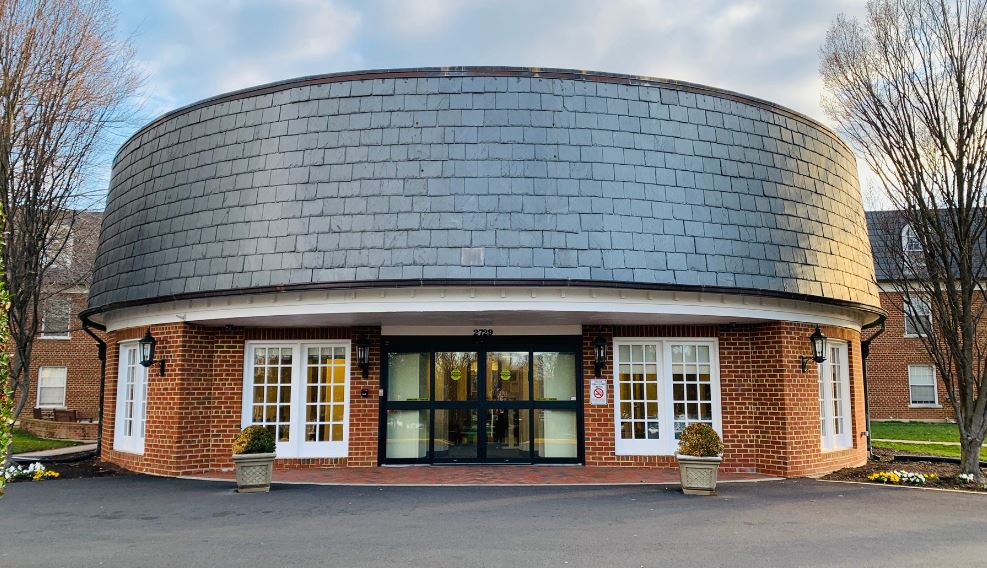
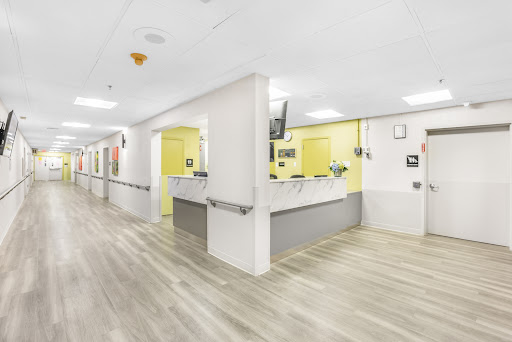
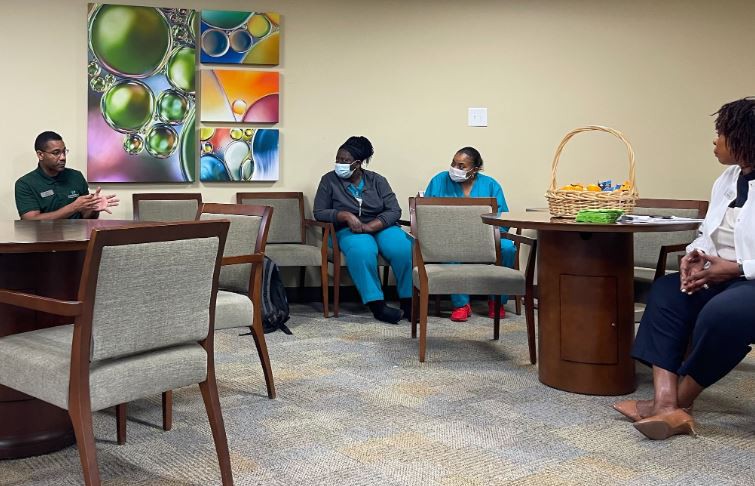
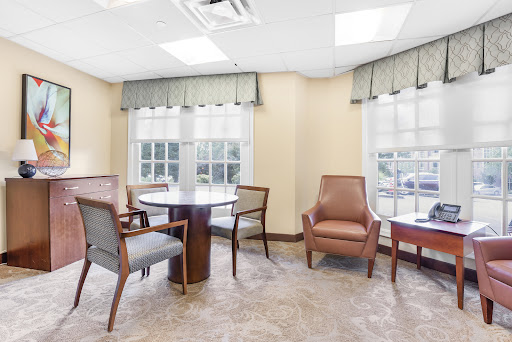
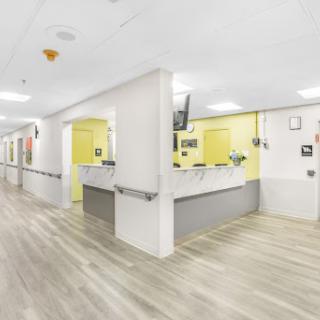
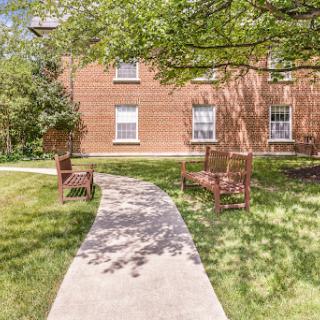
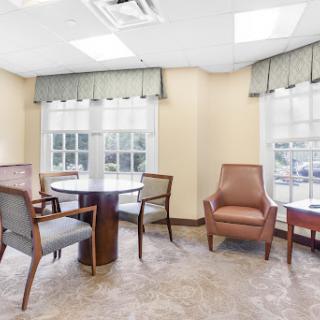
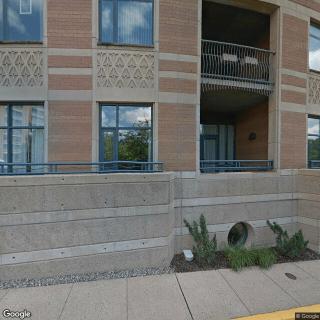
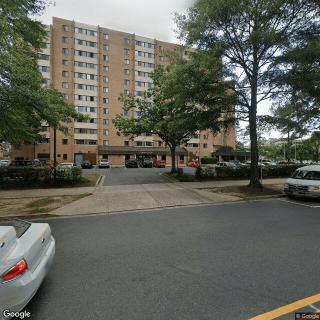
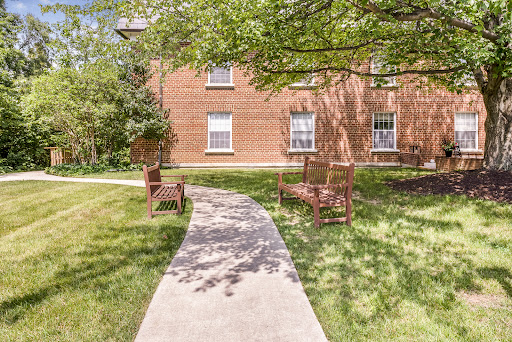
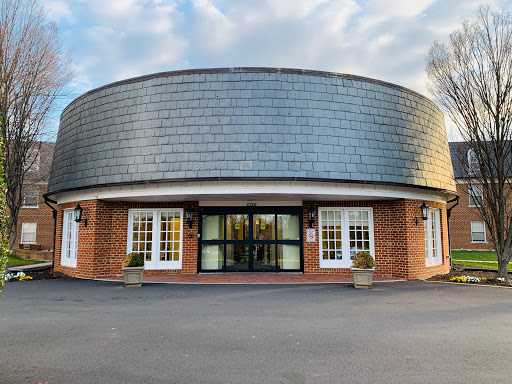
Woodbine Rehab/Healthcare Ctr on seniors.fyi includes 11 photos including images showing landscaping, interior, seating area, garden, outdoor, building, entrance, architecture, and more.
Nourishing the Mind: Essential Dietary Approaches for Dementia

Dementia is characterized by cognitive decline, with nutrition playing a vital role in brain health; while no specific diet can prevent or reverse it, a nutrient-dense diet rich in antioxidants and healthy fats may support cognitive function. The MIND diet, which emphasizes beneficial foods and limits processed items, along with proper hydration and individualized meal strategies, can enhance the well-being of dementia patients.
Understanding Dementia Behaviors: Practical Insights and Strategies for Caregivers

Dementia affects memory and cognitive function in older adults, presenting challenges for caregivers due to behavioral changes such as confusion and mood swings. Compassionate, person-centered care that considers individual history and preferences, along with effective communication and environmental modifications, is essential for supporting both patients and their caregivers.
When Dementia Sparks Anger and Aggression: Understanding the Connection and Ways to Cope

Dementia leads to cognitive impairment and can cause emotional and behavioral changes, including aggression that arises from frustration, confusion, or fear. Effective coping strategies for caregivers include understanding dementia's nature, recognizing triggers, using empathetic communication, and employing non-pharmacological interventions like music and art therapy.