Legacy Village of Taylorsville Costs & Pricing
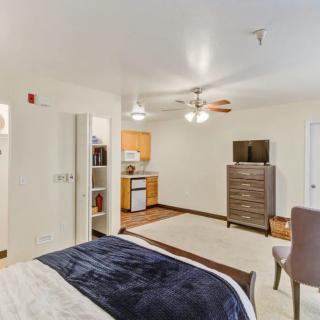
Legacy Village of Taylorsville offers a studio room at a monthly cost of $5,100, which significantly exceeds the average costs found in both Salt Lake County and the broader state of Utah. In Salt Lake County, the average monthly expense for similar accommodations is approximately $3,331, while throughout Utah it is even lower at around $3,206. This disparity suggests that Legacy Village may provide unique amenities or services that justify the higher price point, appealing to those seeking enhanced care or a more luxurious living environment. Nonetheless, potential residents should carefully consider these financial factors in relation to their specific needs and budget.
| Floor plans | Legacy Village of Taylorsville | Salt Lake County | Utah |
|---|
| Studio | $5,100 | $3,331 | $3,206 |
Memory care communities with a similar price nearby
-
from -$900 / mo
The Peaks at South Jordan
$4,200 to $7,050 / month
7.5 miles away
-
from +$775 / mo

The Auberge at Aspen Park
$5,875 to $8,900 / month
6.3 miles away
-
from -$599 / mo
Escalante at Coventry
$4,501 / month
7.7 miles away
Overall Review of Legacy Village of Taylorsville
common
34 reviews mention this
Caregivers feel attentive and kind
Residents and families repeatedly describe staff as caring, patient, and responsive.
Many reviewers emphasize that the staff approaches residents with patience, kindness, and respect, including during difficult situations. Several families specifically call out consistent check-ins and reassurance, and they say the team treated their loved one as a person. A few reviewers also mention that staff communication and responsiveness helped ease a stressful transition.
differentiator
12 reviews mention this
Memory care support is a highlight
Memory care reviews focus on compassionate dementia support.
In the memory care reviews, families describe caregivers as gentle and attentive, with a focus on dignity and comfort. Several reviewers mention patience and understanding for dementia-related needs, and they describe feeling more at ease knowing their loved one was supported day to day. One review also notes that the facility’s initial evaluation needed adjustments that were made to provide the care needed.
common
10 reviews mention this
Planned activities keep residents engaged
Reviews consistently mention engaging daily activities and events.
A recurring theme is that residents have scheduled activities and community events, and multiple families describe having good experiences during those gatherings. Reviewers mention event participation like the Easter egg hunt and specific community celebrations, and they describe residents looking forward to activities. A few reviewers also describe fun, targeted activity offerings and engagement that helps residents feel connected.
caveat
6 reviews mention this
Dining is mostly praised, sometimes criticized
Food is usually described positively, with some notable complaints.
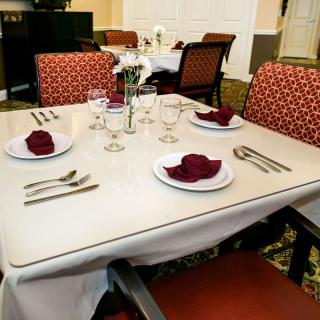
Several reviews say the food is good, and some reviewers mention residents enjoying meals. At the same time, there are a few strong negative comments about food quality and meal service. One reviewer also says the meals were balanced and another mentions food being good as part of what was promised for rehab care.
common
6 reviews mention this
Rehab and therapy experiences vary by reviewer
Rehab reviews highlight therapy quality and, in some cases, care gaps.
Some rehab and therapy reviewers are very specific about how helpful therapists were, and they describe progress and attentive treatment during recovery. A few also mention the facility’s gym and overall rehab experience. However, there are also reviews that describe promises not being met, including lack of monitoring devices and difficulty getting help—though one of those reviews still praises a specific PT.
caveat
3 reviews mention this
Cost is called out as a concern
Pricing comes up in reviews, including complaints about value and charges.
Some reviewers describe the pricing structure as all-inclusive, while others question overall value. There are also negative comments that focus on fees or charges that felt unfair. At the same time, one review says it is a good price for the level of care they believe they received.
How we summarize
Counts show how many written reviews mention each theme; a review can touch several themes, and only frequently mentioned themes are displayed.








 42 resident community capacity
 Hospice Agency
 Memory Care
 Cats allowed
 Dogs allowed
 Activities off-site
 Air-conditioning
 Beauty salon
 Cable or satellite TV
 Devotional services off-site
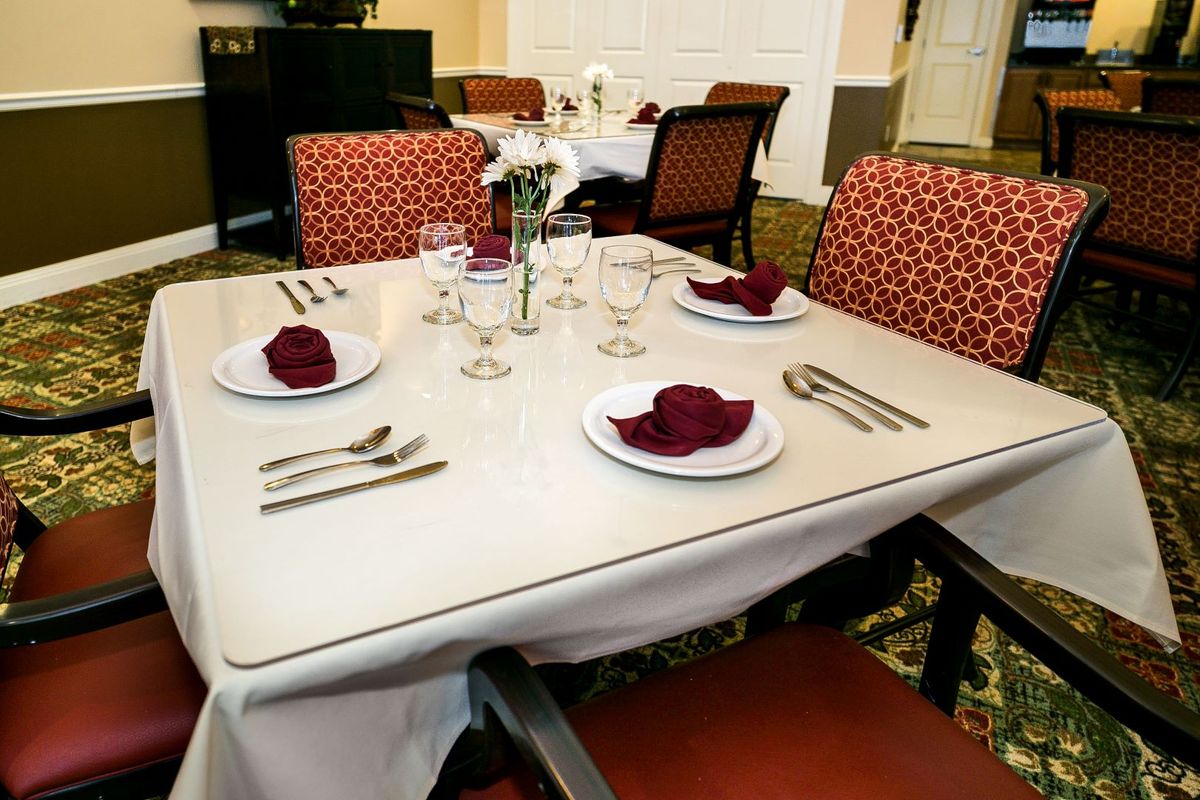
 Dining room
 Fully furnished
 Garden
 Handicap accessible
 Housekeeping services
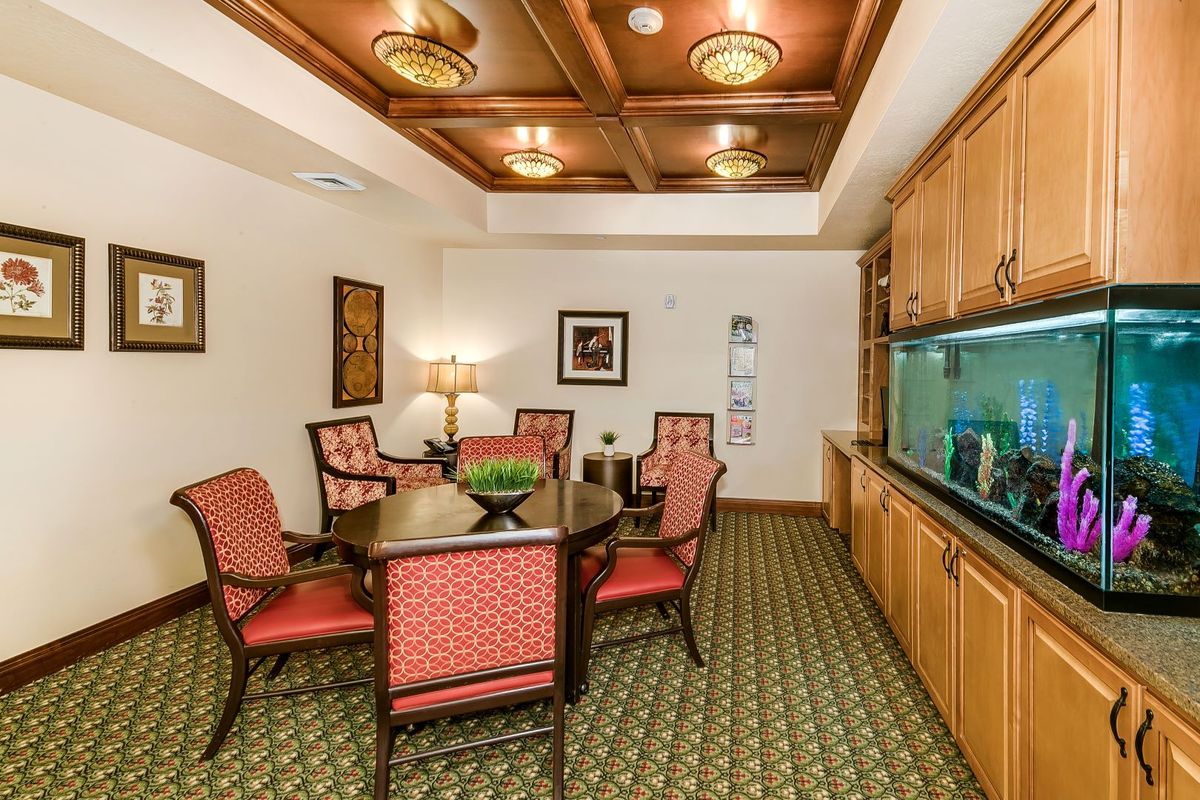
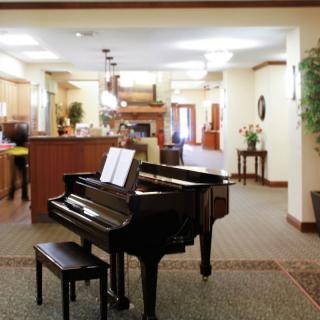
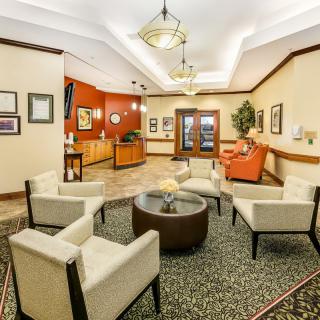
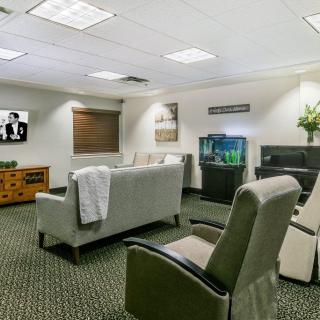
 Indoor common areas
 Kitchenette
 Located close to restaurants
 Located close to shopping centers
 Move-in coordination
 Outdoor common areas
 Respite or short term stays offered
 Restaurant-style dining
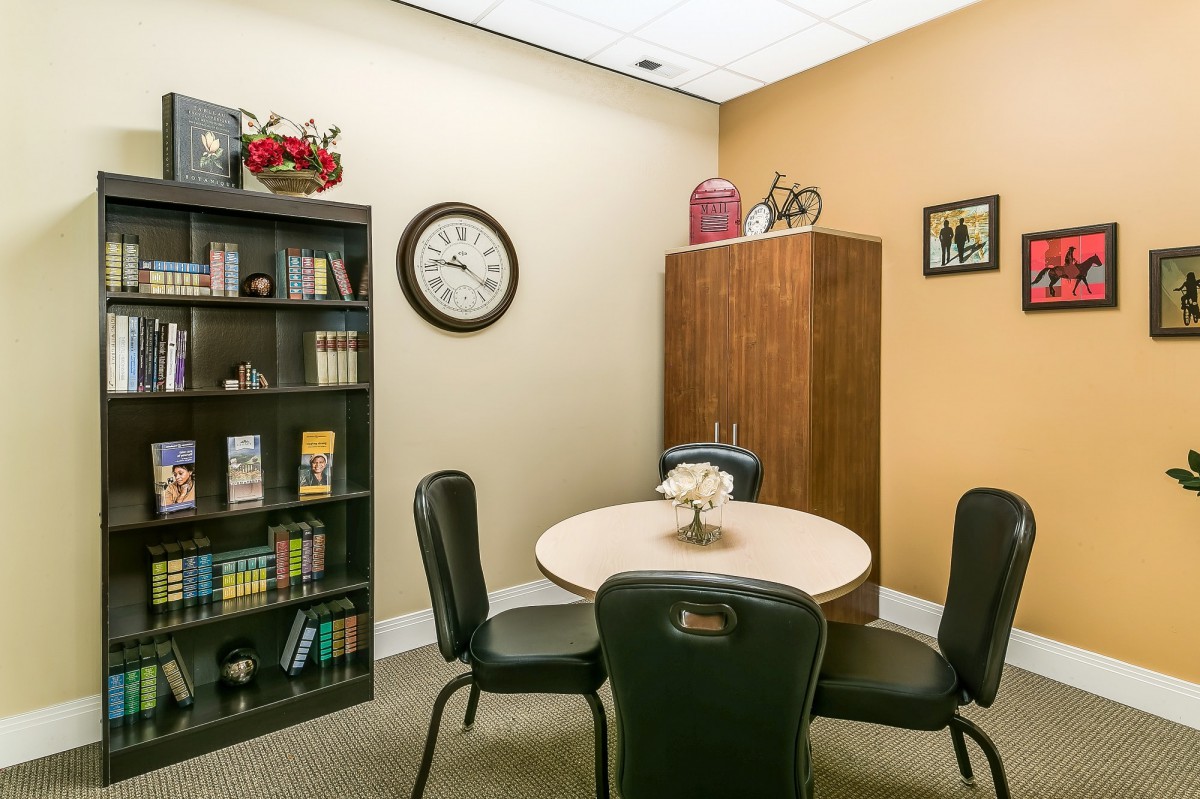
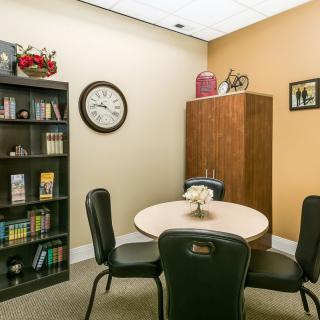
 Small library
 Telephone
 Wheelchair accessible showers
 Wi-Fi/high-speed internet available
 Salt Lake City International (9 miles away)
 24-hour call system
 Ambulatory care
 Assistance with bathing
 Assistance with dressing
 Assistance with transfers
 Diabetes diet
 Diabetic care
 High acuity care
 Incontinence care
 Medication management
 Mental wellness program
 Special dietary restrictions
 Transportation arrangement (medical)
 Transportation to doctors appointments
 BBQs or picnics
 Birthday parties
 Sensory-based programs
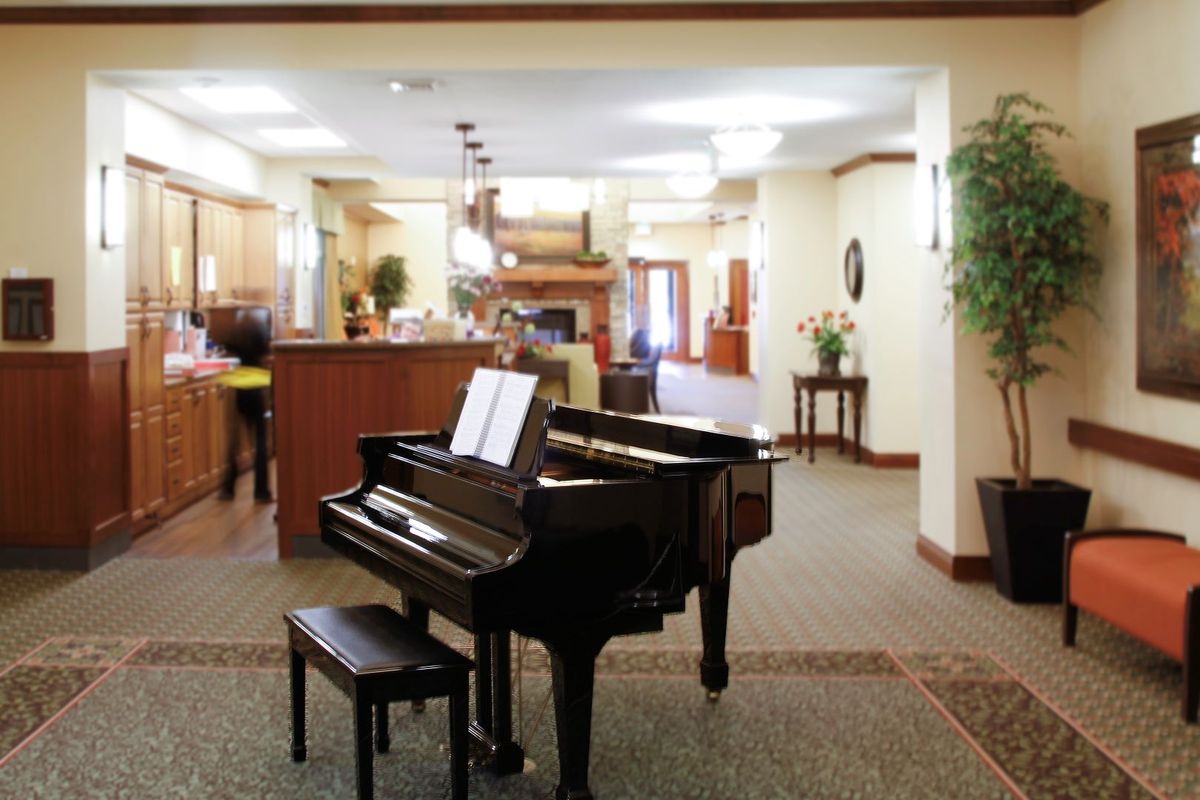
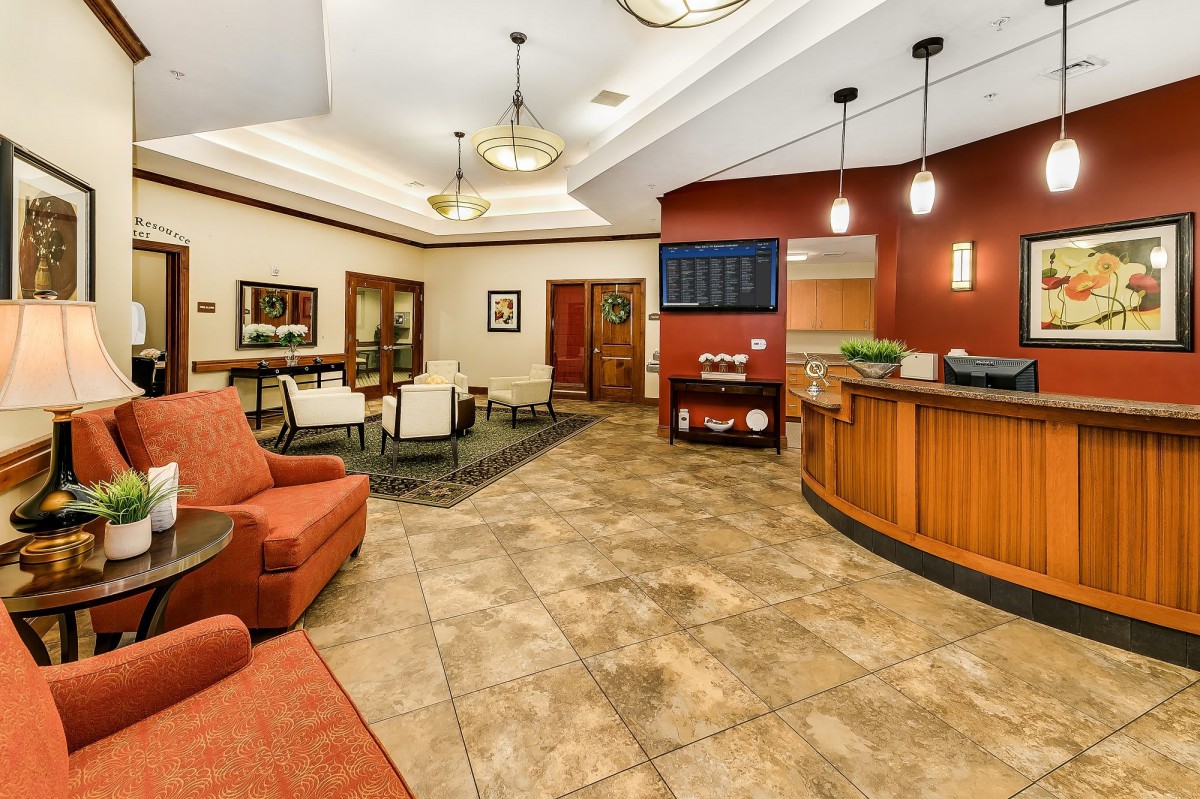
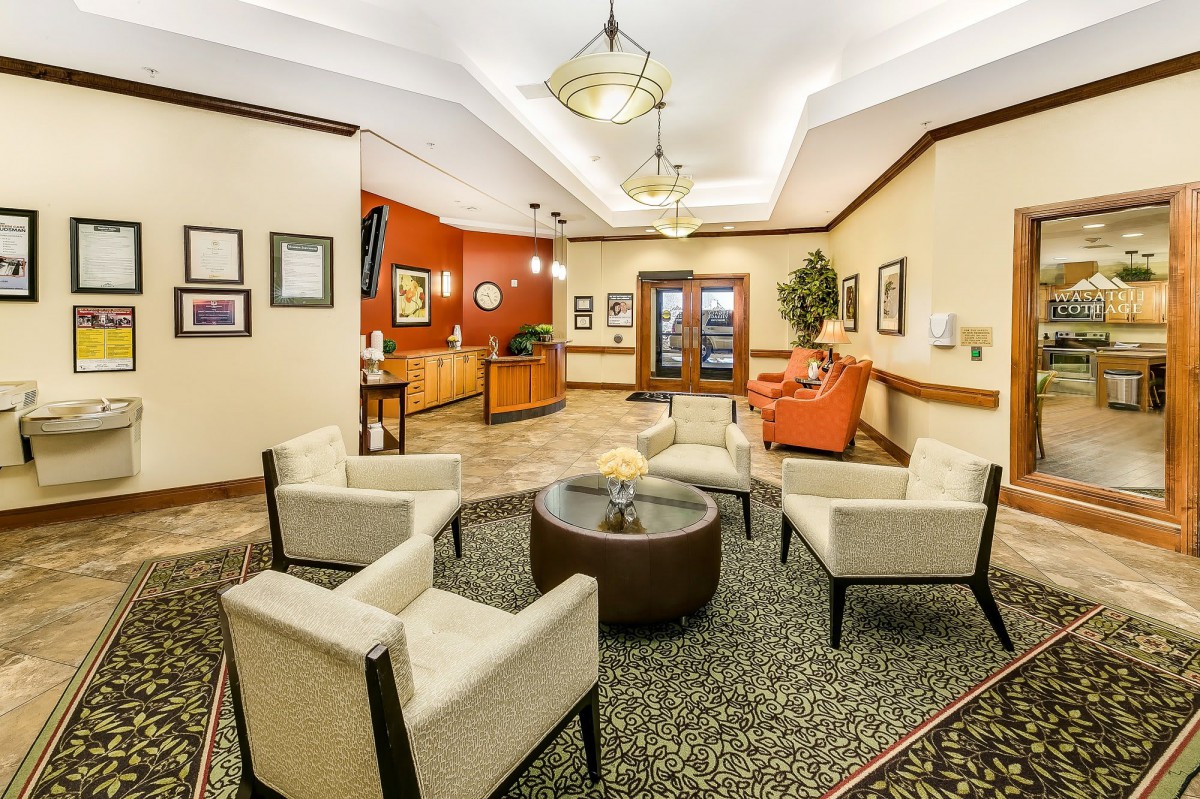
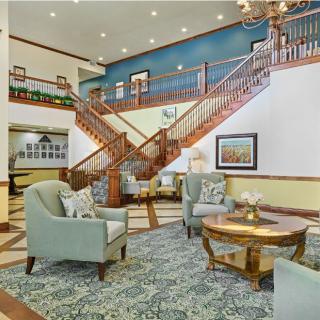
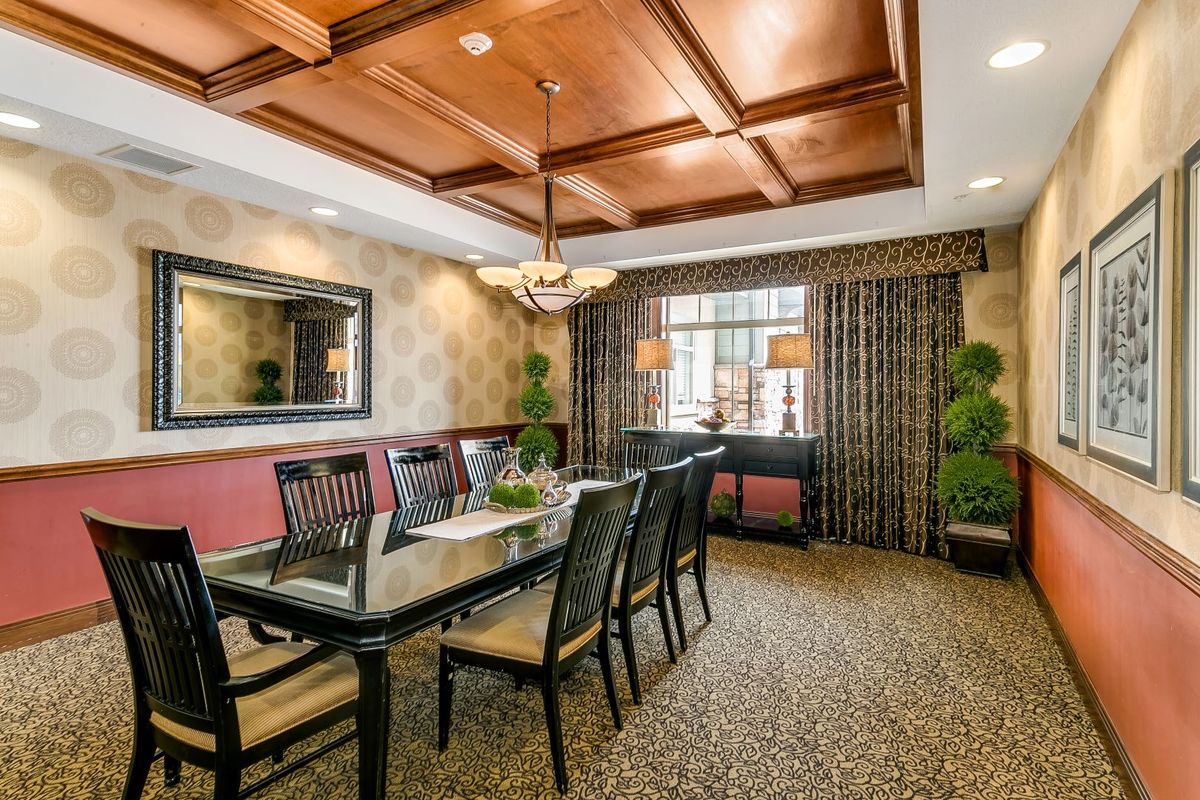
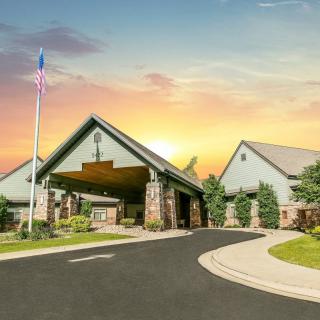
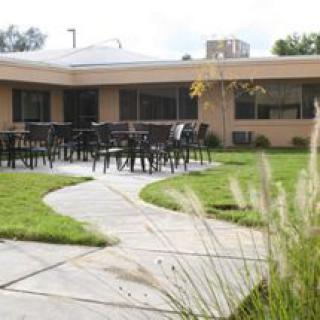
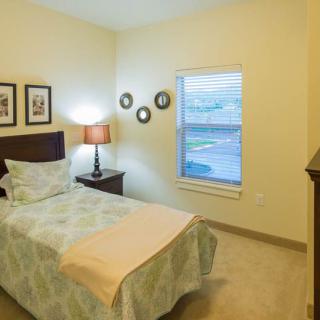
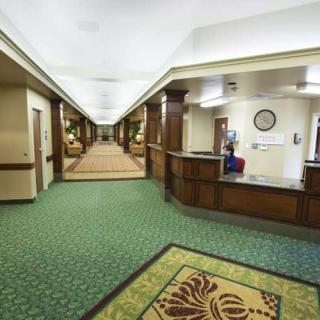
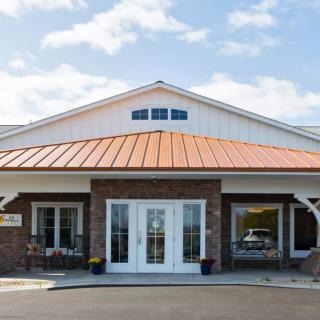
 Extensive activities and strong facilities with attentive staff and on-site dining options.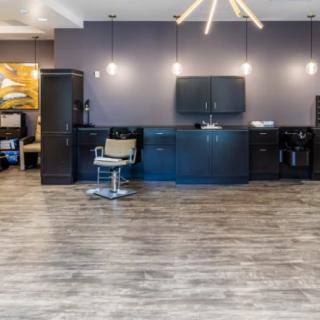

 Dementia, Paranoia, and Caregiver Guidance: Understanding the Connection
 Engaging Memory Care Activities That Enhance Quality of Life
 When to Transition from Assisted Living to Memory Care: Key Indicators, Steps, and Finding the Right Community