
3411 Paesanos Parkway, Sugar Land, TX 77478
To contact a resident: (281) 313-2500
For more information about senior living options: (866) 208-4318
Overall Review of Bader House Of Sugar Land
Pros
 The mother was loved unconditionally by everyone at Bader House.
- Lydia, Maxi, and the staff at Bader House consistently found ways to calm her down and help her have a good day.
- The mother was given excellent care whether the family was in town or out of town.
- She was kept safe and happy at Bader House.
- Lydia has a way of building relationships with the residents and their families.
- The staff provided one-on-one foot massages to the mother.
- Bader House's love and support made the dementia journey more bearable for the mother and her family.
- Bader House will always hold a special place in the family's hearts.
Cons
 There were no nurses available and no desk to call into.
- Calls were not returned and voicemails were ignored.
- The POA had sole control over information and decisions regarding the aunt.
- The facility was described as poorly managed and unprofessional.
- A blanket with family pictures was kept by the POA and never returned.
- The director was reportedly agreeable to the POA’s concerns, and the aunt was referred to by the POA’s nickname rather than her real name.
- The facility was seen as aiding a separation from family, suggesting it was a poor choice for a loved one with fading memory.
Review
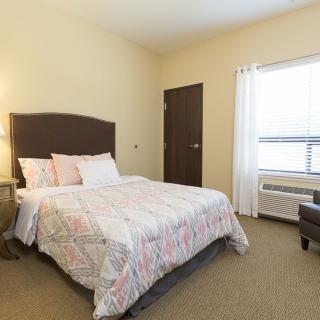
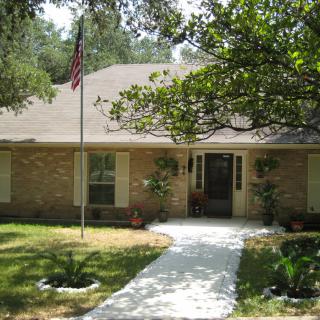
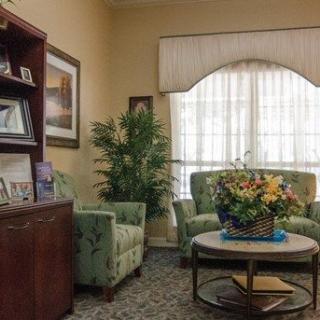
Bader House of Sugar Land is best suited for families seeking a small, intimate memory-care setting where staff establish close relationships and stay engaged with daily life. The community shines for residents with dementia who respond to steady, personal attention and for families that value hands-on, consistent caregiving over bedroom numbers or luxury amenities. In Sugar Land, this facility tends to appeal to those who want a home-like atmosphere, where caregivers strive to know the resident’s history, preferences, and routines, and where daily routines can be adjusted to reduce stress. The hallmark is warmth, rather than clinical glitz. Families that prioritize emotional continuity, predictable staff assignments, and one-to-one moments will find Bader House a strong fit.
Placing this community under consideration should come with an honest appraisal of governance and communication. Those who must see regular, transparent nursing oversight and want straightforward, unfettered access to a loved one will want to compare other options. A recent concern highlights the risk in smaller homes where a POA may effectively control decisions and information flow, with limited on-site nursing presence and inconsistent updates to relatives. Families that cannot tolerate restricted contact or unclear care governance may want to look at larger memory-care facilities or smaller homes with formal family liaison structures and demonstrated nursing coverage.
On the upside, the strongest proof of value comes from how staff relate to residents. The care providers at Bader House are described as loving and steadied by gentle, respectful communication. Relationships with residents and their families are a core philosophy, not an afterthought. Staff members are willing to engage residents in meaningful tasks, such as medication routines and basic health checks, in ways that honor autonomy while maintaining safety. The result is a sense of dignity, calm, and purpose that can meaningfully offset the lack of on-site medical staffing by creating a stable, high-trust daily rhythm. For families who interpret compassionate presence as care, the pros here credibly counterbalance practical gaps.
However, the downsides are real and should not be minimized. The same small footprint that fosters intimacy can also enable uneven access to information and services if leadership isn’t consistently responsive. One review points to situations where calls and updates to family members did not come promptly, and where administrative handling of personal items became tangled in family dynamics. The absence of regular on-site nursing oversight means medical needs may require coordination with external providers, and not all families will feel comfortable with that reliance. Finally, the perception, whether accurate or not, that family involvement can be constrained or overshadowed by the facility’s governance warrants careful scrutiny before committing.
When evaluating Bader House, prospective clients should demand clarity on communication, care planning, and medical oversight before move-in. Request a direct line to a designated caregiver or a consistent point of contact, and confirm how medications are administered and who monitors vitals. Visit with a family liaison or administrator to observe how decisions get communicated to relatives and whether there are formal processes for updates. Ask about daily activity offerings that support memory care and whether staff can provide one-on-one engagement even during peak times. If these conditions align with a family’s expectations and capacity for hands-on oversight, Bader House becomes a practical and deeply humane choice.
Bottom line: Bader House offers a compelling, relationship-driven environment for memory care, particularly for families who can navigate the smaller home’s governance and maintain close contact. For those who require robust nursing coverage, unrestricted family access, and consistently transparent communication, alternatives may be a safer fit. A deliberate tour, conversations with Lydia and Maxi, and a clear review of medical oversight and family liaison structures will reveal whether this setting can deliver sustained safety, joy, and dignity. In the right hands, the intimacy and warmth of Bader House become a real asset in managing dementia’s daily challenges.
 Memory Care
 San Antonio International (6 miles away)





 Dementia-Related Hallucinations: Causes, Experiences, and Practical Approaches
 Illuminating Insights About Alzheimer's Disease: Ten Crucial Realities
 A Thorough Discussion of Medications Potentially Linked to Dementia Risk