
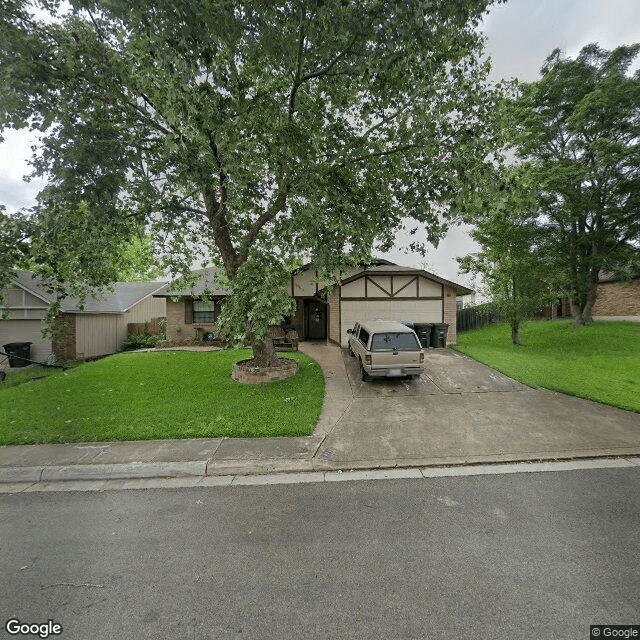
4711 Saddle Ridge, San Antonio, TX 78217
To contact a resident: (210) 422-4076
For more information about senior living options: (866) 208-4318
Ortega's Home Style Assisted Living Costs & Pricing
Ortega's Home Style Assisted Living offers competitive pricing for its services, with monthly rates that are notably lower than both Bexar County and the state average in Texas. For instance, their semi-private rooms are priced at $2,800 compared to $3,488 in Bexar County and $3,680 statewide. Similarly, private rooms and studios are available for $3,000 each, which is more affordable than the county's rate of $3,627 and the state's average of $4,096 for private accommodations. Even their one-bedroom units maintain this trend, costing only $3,000 while similar options in the county reach $3,506 and the state averages around $3,761. Overall, Ortega's provides a compelling value proposition for those seeking assisted living facilities without compromising on quality care.
| Floor plans | Ortega's Home Style Assisted Living | Bexar County | Texas |
|---|---|---|---|
| Semi-Private | $2,800 | $3,488 | $3,680 |
| Private | $3,000 | $3,627 | $4,096 |
| Studio | $3,000 | $3,708 | $3,758 |
| 1 Bedroom | $3,000 | $3,506 | $3,761 |
Memory care communities with a similar price nearby
-
from +$200 / mo
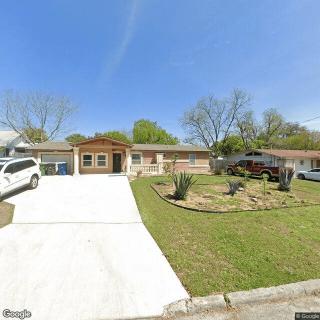
Paam Care, LLC
$3,000 to $3,500 / month12.9 miles away -
from -$300 / mo
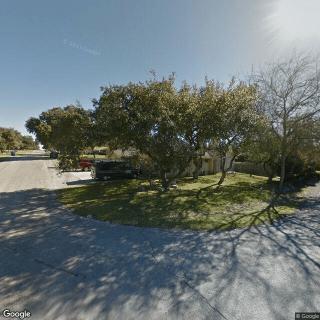
Pipestone Place Assisted Living
$2,500 to $3,000 / month4.0 miles away -
from -$255 / mo

Lakeside Assisted Living By Trisun Healthcare
$2,545 to $4,445 / month18.3 miles away -
from +$99 / mo

The Etta at Shavano Park
$2,899 to $5,199 / month10.0 miles away -
from +$340 / mo

The Forum at Lincoln Heights
$3,140 to $4,510 / month6.7 miles away
Overall Review of Ortega's Home Style Assisted Living
Pros
 The review notes that the care was amazing.
Cons
 The reviewer's experience with Ortega's was a nightmare.
- A caregiver stole checks and spent $22,000 of their money.
- The father was dropped and broke his femur.
- They were told in the ER that he would die from this.
- He died within 6–8 months.
- The stepmother's wheelchair was taken away because the staff wanted her to stay in bed.
- She died in 2 months from a fractured hip.
- There are other issues too numerous to post.
Review
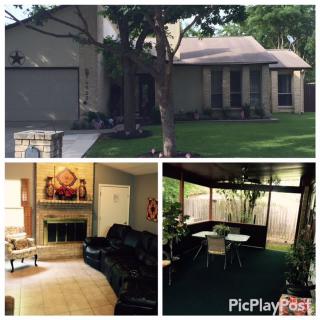
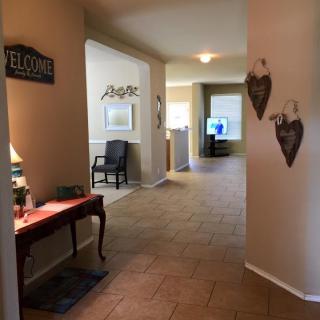
Ortega's Home Style Assisted Living in San Antonio is best suited for families seeking a small, home-like setting where seniors receive frequent, personal care rather than institutional-level services. It appeals to residents who can thrive with light daily support, enjoy close daily contact with caregivers, and whose families are prepared to stay actively involved in oversight, safety, and daily routines. The format favors intimacy and predictability over clinical rigor, making it well-suited for individuals who prize a warm, domestic atmosphere and are not negotiating high medical complexity.
Caution is essential. One particularly troubling review describes a caregiver stealing checks and spending a substantial sum, alongside alleged neglect that contributed to serious harm and premature death. The reviewer also questions the veracity or relevance of older accounts tied to prior ownership. Such claims, if borne out, signal serious governance and safety gaps that cannot be dismissed. Families evaluating Ortega's should demand transparent leadership accountability, rigorous staff screening and retention practices, and clear, enforceable controls on resident finances. If medical complexity, falls rehabilitation, or around-the-clock nursing oversight are priorities, alternatives with stronger nursing coverage deserve serious consideration.
On the upside, several families report genuinely remarkable care, an “amazing care” sentiment emphasized in positive accounts, set within a homelike environment where staff appear attentive, engaged, and capable of forming meaningful relationships with residents. This intimate dynamic can translate into quicker recognition of subtle changes in health or mood, better day-to-day companionship, and a sense of being known by name. When combined with stable staffing and predictable routines, these strengths can offset some of the inconveniences of a smaller operation. However, the favorable impressions rest on the facility’s ability to prove ongoing reliability, not just favorable anecdotes, especially in light of the serious red flags raised in another review.
A practical visit should focus on verifiable governance and safety dynamics as much as on feel and mood. Prospective families should inquire about current caregiver-to-resident ratios across day and night, staff stability, and how assignments are managed. Examine how resident finances and medications are handled, and request to see the most recent incident logs, care plans, and written policies governing finances, admissions, and emergency response. Verify licensing and enforcement status with the Texas Department of Aging and Disability Services, and push for clarity on ownership structure, recent changes, and the steps taken to address any past concerns. A transparent, responsive leadership team is non-negotiable here.
The bottom line is nuanced: Ortega's presents an appealing blend of warmth and personalized attention in a compact, home-style setting, which may be exactly what certain families want. Yet the stark contrast between highly positive experiences and a single, severe accusation of financial exploitation and harm cannot be ignored. Decision-making should hinge on rigorous due diligence rather than sentiment. If credible assurances are provided, around staff screening, consistent caregiving teams, transparent financial controls, and demonstrable corrective actions, the home-like advantages can carry real weight. If those assurances feel uncertain or elusive, exploring alternatives with stronger safety records and governance is prudent.
When moving forward, adopt a disciplined, no-nonsense evaluation path. Schedule a tour with a prepared set of questions, insist on meeting frontline caregivers, and speak candidly with current residents and their families about daily life and safety. Request written policies on finances, emergency procedures, and fall management, plus measurable safety outcomes and a clear plan for addressing grievances. For families willing to invest the oversight required and to tolerate the inherent risk of a small-setting model, Ortega's may be a fit. For those who prioritize predictable safety, robust financial safeguards, and independent accountability, pursuing other options first is a prudent strategy.
 Board and Care Home
 Memory Care
 Cats allowed
 Dogs allowed
 Activities off-site
 Devotional services off-site
 Indoor common areas
 Outdoor common areas
 Private
 Wheelchair accessible showers
 San Antonio International (5 miles away)
 Ambulatory care
 Diabetic care
 Incontinence care
 Meals provided




 8 Key Indicators That Suggest It May Be Time to Transition from Assisted Living to Skilled Nursing Care
 Nourishing the Mind: Essential Dietary Approaches for Dementia
 Understanding Dementia Behaviors: Practical Insights and Strategies for Caregivers