
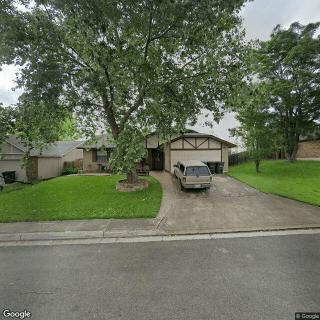
4711 Saddle Ridge, San Antonio, TX 78217
For more information about senior living options: (866) 208-4318
Overall Review of Ortega's Homestyle Assiste Living
Pros
 They describe the care as amazing.
Cons
 The reviewer describes the Ortega's experience as a nightmare.
- A caregiver allegedly stole checks and misused about $22,000 of their money.
- The father was dropped, resulting in a broken femur.
- ER staff told him he would die from the injury.
- He died within six to eight months.
- The stepmother's wheelchair was taken away because staff wanted her to stay in bed.
- She died two months later from a fractured hip.
- There are other issues, too numerous to post.
- The reviewer notes that earlier reviews came from the previous owner and a former employee, casting doubt on credibility.
Review
Ortega's Homestyle Assiste Living in San Antonio is best suited for families seeking a small, home-like setting where residents receive hands-on daily care in a familiar, intimate environment. The community tends to attract seniors who prefer routines they can see and touch: predictable meal times, personal caregiving attention, and staff who seem readily available for a chat or a quick assist. The overall impression from the four reviews is a blend of warmth and occasional alarm, with three reviewers praising the level of care and one delivering a stark cautionary tale. That contrast is real and must be weighed carefully: one highly negative account alleges financial exploitation by a caregiver, a serious injury that allegedly led to a rapid physical decline, and perceived neglect around mobility needs. These claims are not incidental to the decision; they are the fulcrum on which evaluation tilts for many families.
That mix of experiences matters most for families where safety, accountability, and financial safeguards are non-negotiable. If the top priority is rigorous medical oversight, rapid escalation of problems, transparent incident reporting, and protections against improper handling of funds, alternatives with stronger governance may be worth pursuing. For residents needing heavy clinical support, frequent monitoring, or sophisticated fall prevention and mobility management, larger campuses or providers with a long track record of regulatory compliance will likely be more suitable. Ortega's can deliver comfort and companionship, but the questions raised by the negative review, especially around finances and emergency response, make a cautious buyer pause and insist on verifiable safeguards before committing.
On the upside, the positive anecdotes point to genuine, day-to-day warmth: attentive staff, visible companionship, and routines that feel personal rather than procedural. When staffing aligns with resident needs, the small-scale setting can yield quicker responses, deeper familiarity, and a sense of community that large facilities struggle to match. Families seeking a less institutional atmosphere often value that meticulous, neighborly vibe. Those strengths, however, must be measured against the possibility that not every shift delivers the same level of attentiveness, given the concerns raised in that troubling report. The disparity between experiences, some pockets of excellent care and at least one profoundly troubling account, demands a rigorous vetting process before any binding commitment.
To mitigate risk, prospective residents should demand tangible, written safeguards before touring or signing any agreement. Verify the current licensure status and access the most recent state inspection outcomes, then confirm ownership stability and any recent changes in leadership. Request a complete staff roster with clear background checks, turnover rates, and defined policies about staff handling resident funds, ideally with a formal fiduciary arrangement if finances are involved. Inquire about incident reporting, grievance procedures, and how medical emergencies are escalated. Observe how staff interact with a resident during a visit, and speak directly with current residents and families about real-time day-to-day experiences. A transparent, well-documented governance framework is non-negotiable in light of the red flags raised.
For a family prioritizing companionship and a gentle, non-clinical pace, Ortega's can be a strong fit, provided due diligence confirms robust safeguards and reliable care. It may serve well as a transitional step for someone moving from a family home who wants supervised independence with a familiar touch. However, those requiring 24/7 skilled medical staffing, ironclad financial protections, or a proven, consistent safety record should compare alternatives with clearer accountability and a demonstrable history of safe, compliant operation. The decision should hinge less on sentiment and more on verified processes, with visits treated as formal due-diligence exercises rather than cursory previews.
In sum, Ortega's Homestyle Assiste Living presents a practical, human-centered option that can deliver meaningful daily support, companionship, and a comforting atmosphere. The existence of a seriously negative account cannot be ignored and should be resolved through thorough verification and a frank assessment of risk versus reward. If families proceed, securing independent protections, audited financial controls, a detailed, resident-centered care plan, and an openly governed administration, will be essential. For those prepared to invest the time to confirm safety and governance, Ortega's offers a tangible, warm alternative; for others, a careful comparison with facilities known for stronger safety records and financial safeguards will prove the wiser course.
 6 resident community capacity
 Assisted Living
 Board and Care Home
 Respite Care
 Cable or satellite TV
 Dining room
 Fully furnished
 Garden
 Housekeeping services
 Move-in coordination
 Outdoor space
 Telephone
 Wi-Fi/high-speed internet available
 San Antonio International (5 miles away)
 24-hour supervision
 Activities of daily living assistance
 Assistance with bathing
 Assistance with dressing
 Assistance with transfers
 Diabetes diet
 Meal preparation and service
 Medication management
 Special dietary restrictions
 Transportation arrangement (medical)
 Transportation to doctors appointments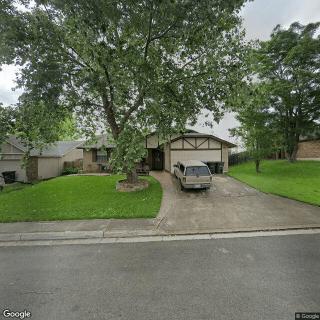





 Exploring the Path to Senior Living: A Comprehensive Look at Independent Living and Assisted Living
 Is Assisted Living Deductible on Your Taxes? Understanding the Complexities of Assisted Living Expenses and Deductions
 Assisted Living Support for Veterans: A Complete and Detailed Overview