

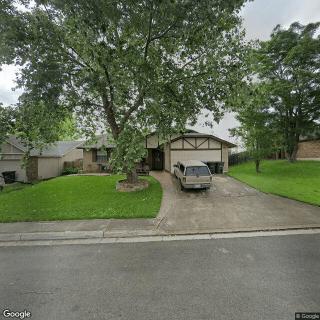
13420 Nacogdoches Rd, San Antonio, TX 78217
For more information about senior living options: (866) 208-4318
Overall Review of Grace Place Alzheimers Activity Centers
Pros
 MOWs deliver healthy, tasty meals and check on clients’ well-being.
- The program is regarded as good, with ratings in the very good to excellent range.
- It is beneficial for elderly folks to interact and participate in activities.
- The program offers a little bit of everything, including games, exercises, and crafts.
- It is a good place for elderly folks to socialize.
Review
Grace Place Alzheimers Activity Centers in San Antonio is best suited for seniors who are in the early to mid stages of memory loss and who thrive on steady social contact and a varied daytime routine. The center excels at creating a predictable rhythm that accommodates light physical activity, cognitive-friendly games, and crafts, all designed to keep residents engaged with peers rather than isolated. For families prioritizing companionship, meaningful interaction, and structured enrichment over clinical intensity, Grace Place offers a practical, reassuring option that centers on social wellness as a core service.
Those considering alternatives should note this setting may not meet needs that require constant medical supervision or highly specialized dementia therapies. If 24/7 oversight, acute behavioral management, or comprehensive clinical care are anticipated, a traditional memory-care community, skilled-nursing environment, or in-home dementia care with trained aides will be more suitable. Families with tight budgets or demands for flexible weekend coverage may also find the program’s daytime activity focus less compatible, particularly if care needs escalate beyond social enrichment.
From the reviews, the strongest selling point is the emphasis on social vitality. The program delivers a broad spectrum of activities, games, gentle exercises, and crafts, that foster peer interaction and a sense of belonging. Ratings describe the experience as very good to excellent, signaling not only enjoyable activities but also a dependable routine that residents can anticipate each day. The social fabric appears to be the engine of value here, producing mood stability and a meaningful daily structure that many families seek.
Nevertheless, the narrative leaves a gap on medical assurances. There is no explicit confirmation of trained dementia-care staff, medical supervision capabilities, or treatment approaches tailored to progression. While the activities are evidently engaging, this absence matters for care plans that require consistent monitoring, medication management, or rapid escalation of support. In practice, Grace Place functions most convincingly as a daytime enrichment venue whose strength lies in social stimulation rather than as a substitute for clinical memory-care services.
The practical payoff is clear: the robust social program and routine help reduce isolation and potential agitation, offering respite for caregivers and predictable daily life for residents. The benefit is not just happiness in the moment; it is a structured environment that preserves social identity and cognitive engagement, which can translate into better mood and engagement over time. For families navigating the balance between independence, safety, and support, Grace Place provides a reliable option that aligns with goals of companionship, activity, and routine.
Decision-making steps should center on experiential validation. Schedule a trial visit to observe interaction quality, staff responsiveness, and safety practices firsthand. Inquire about staff training in dementia care, how staff respond to escalating behaviors, and the exact process for emergencies. Confirm practical logistics such as hours, transportation options, and how the activity calendar aligns with a resident’s preferences and stamina. If the resident’s needs are firmly rooted in social engagement and routine, Grace Place can be a strong, well-rated fit; if medical oversight or progressive care is anticipated, plan to complement with additional support or explore communities that integrate clinical care with dementia programming.
 Memory Care
 San Antonio International (5 miles away)




 Understanding Dementia Through Its Seven Stages: A Comprehensive Look at Progression and Expectations
 A Holistic Dementia Care Guide: Effective Strategies for Memory Support
 Comprehensive Insights into Activities of Daily Living (ADLs) and Their Assessment