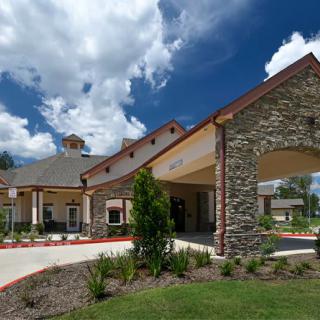
Loving Care Cottages in Houston, TX

Save

  • Interior

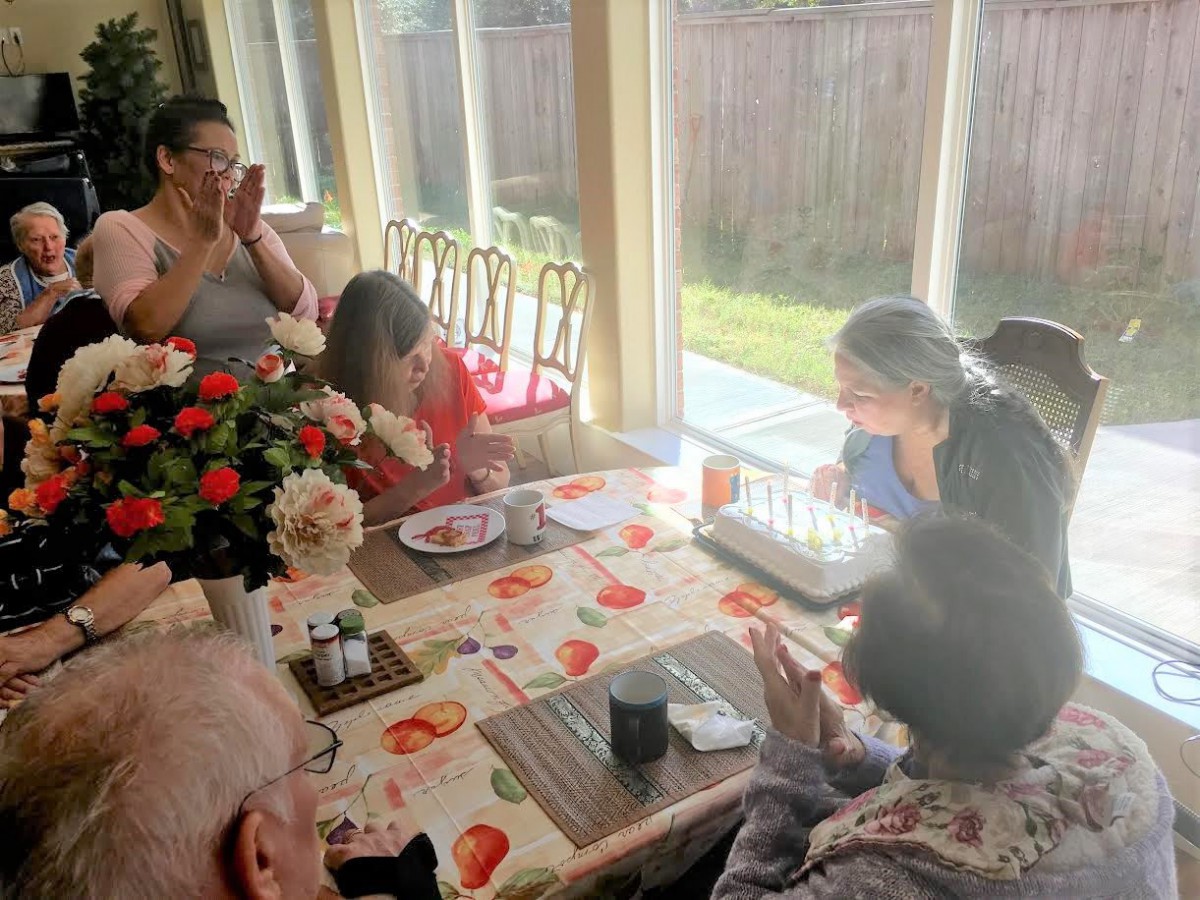
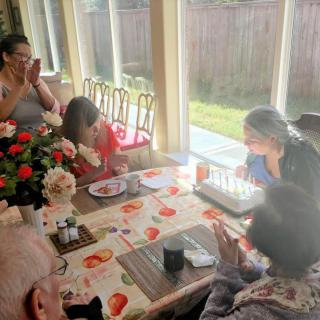
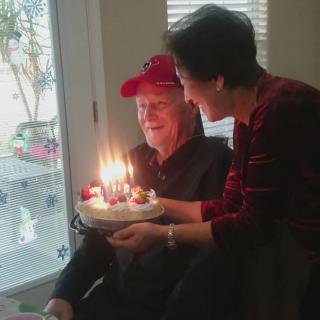
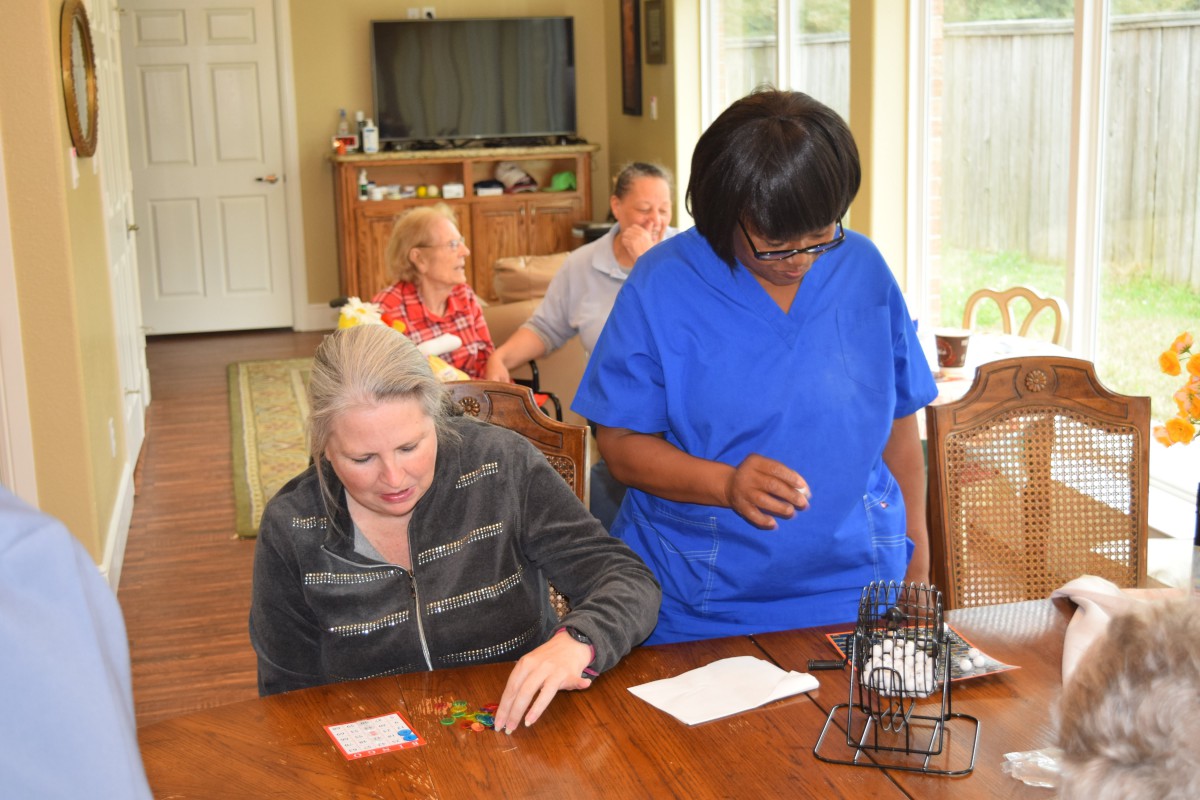
    A family gathers around a table to celebrate a birthday with cake and candles.
  • Living Room

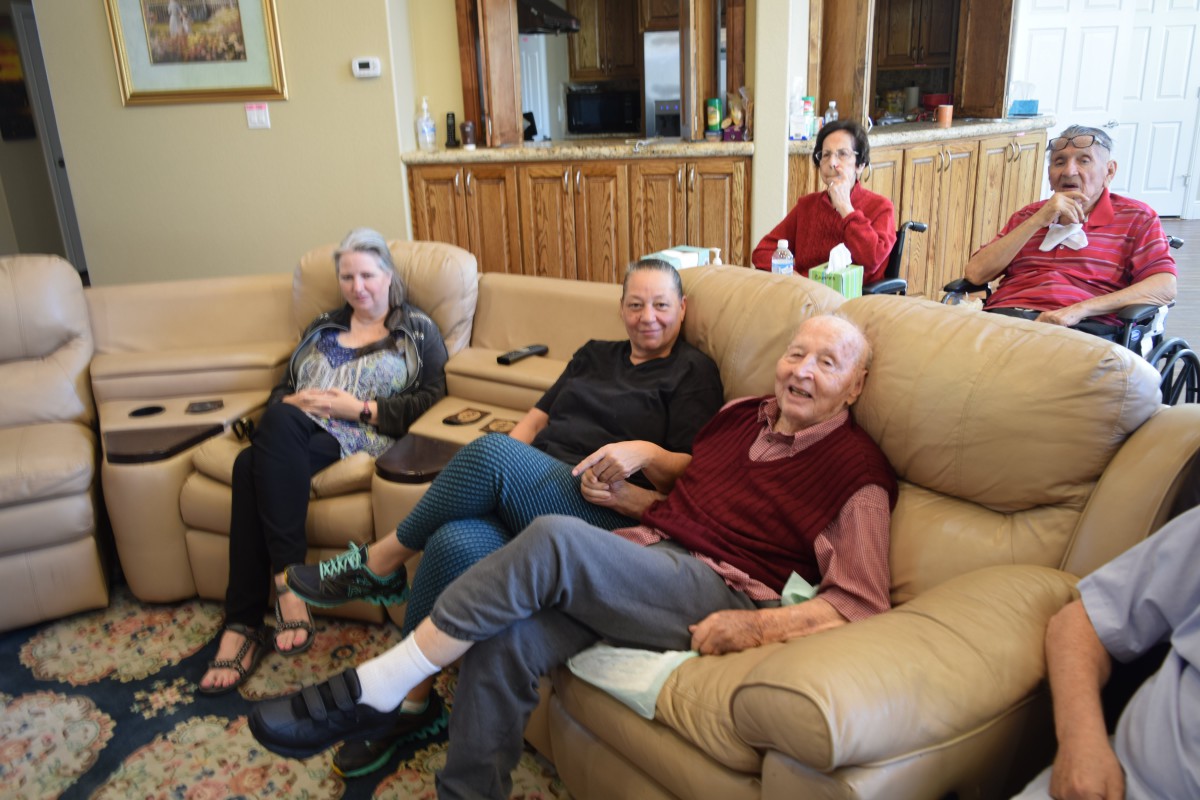
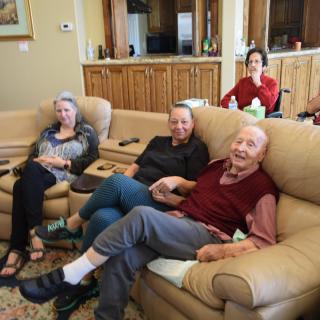
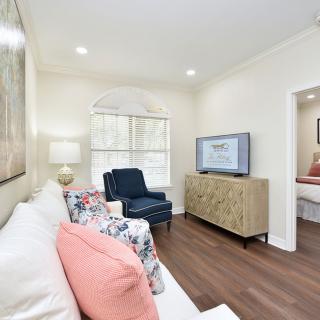
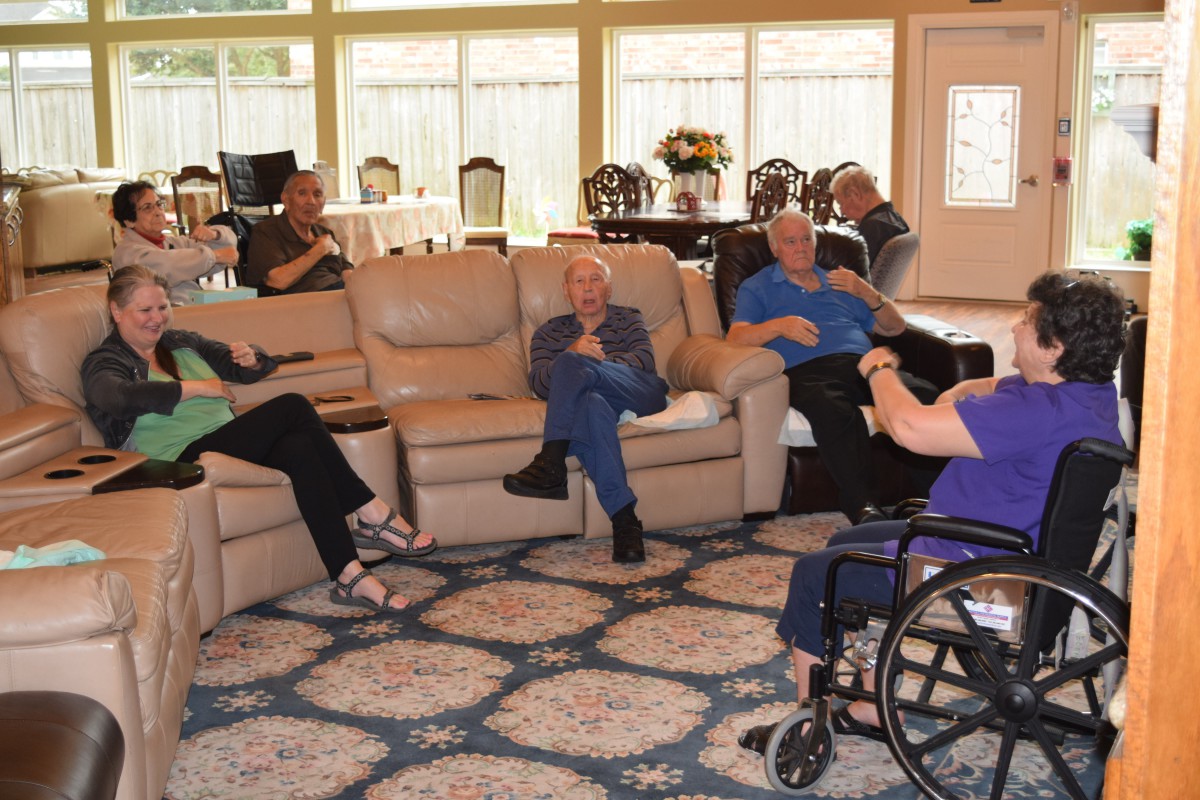
    A family gathering in the living room, enjoying each other's company on the couch.
  • Kitchen

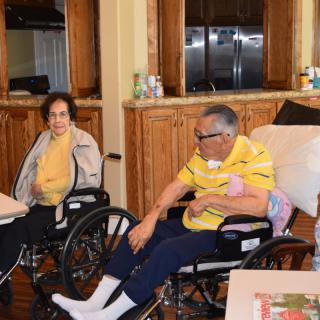
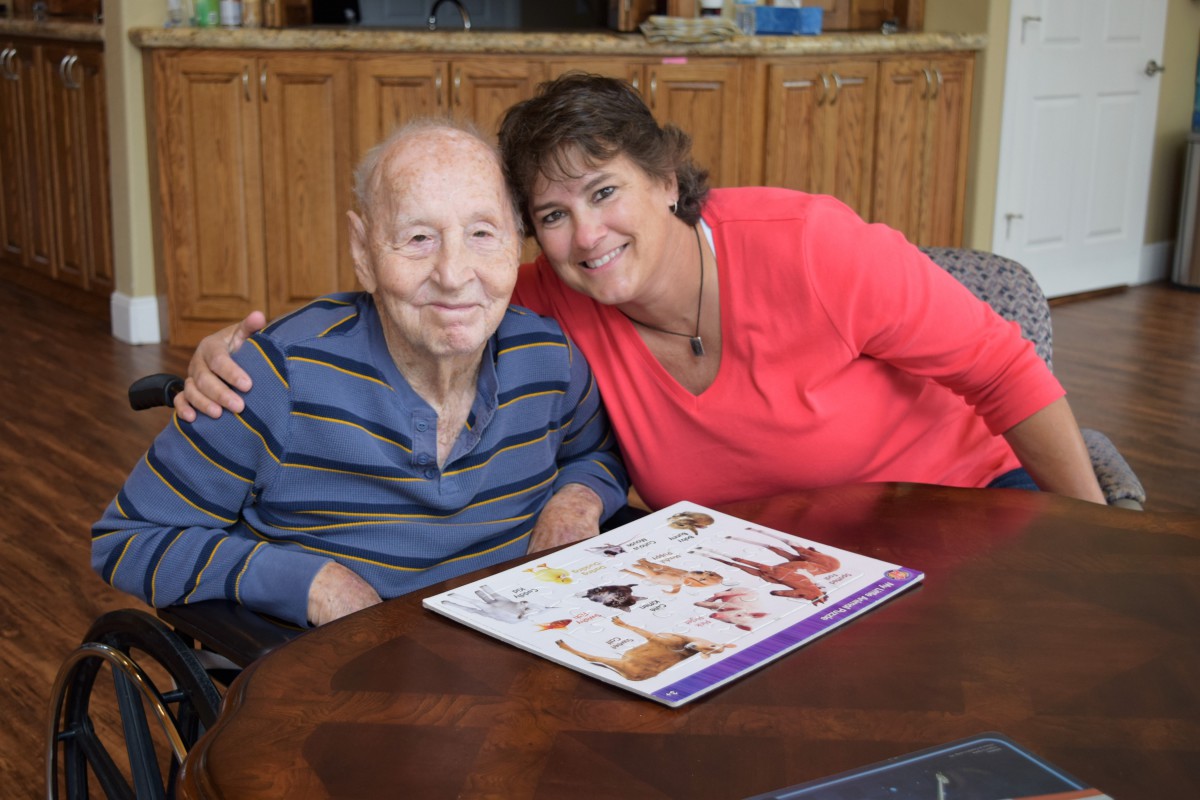
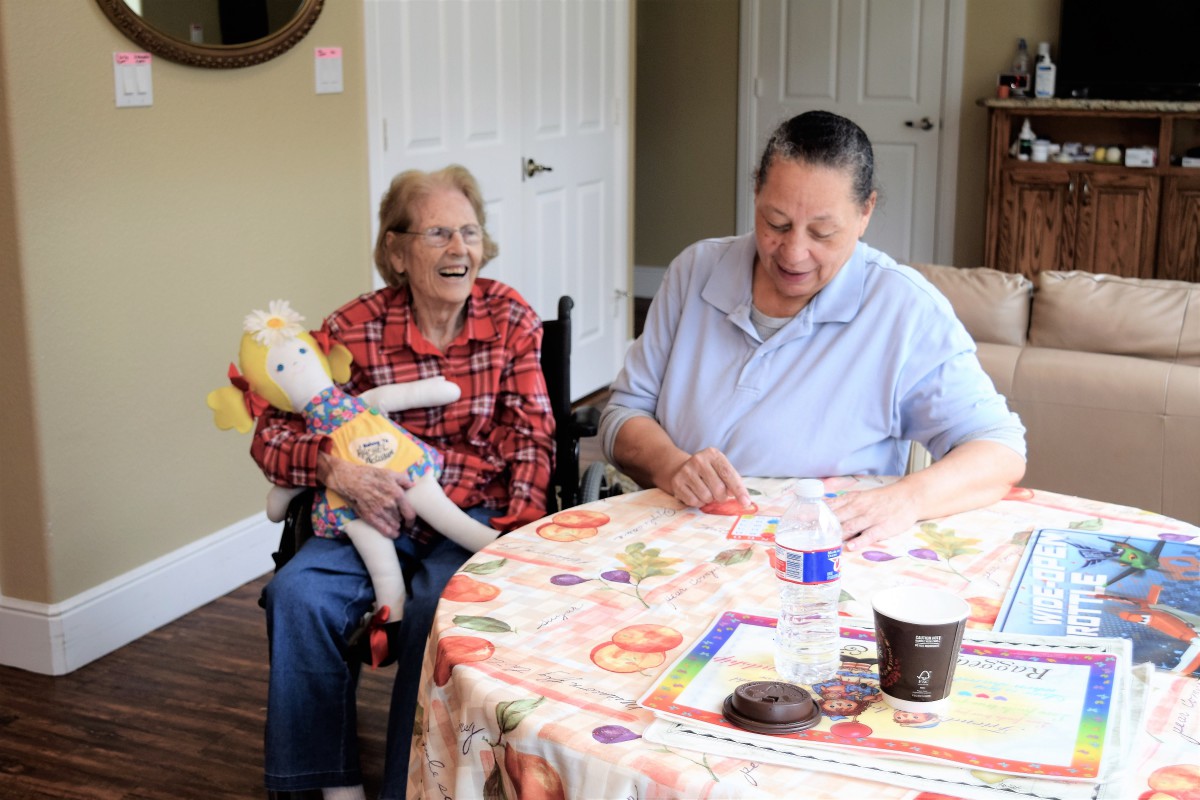
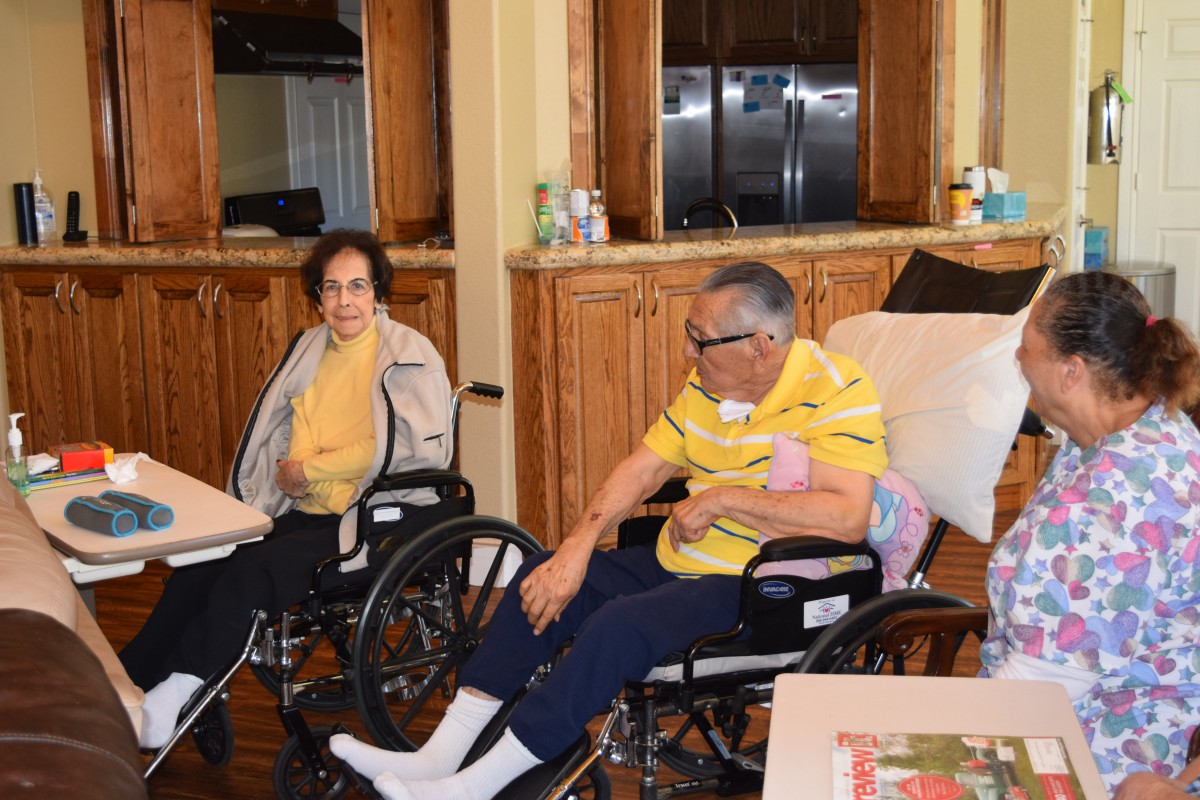
    Two elderly individuals sitting in wheelchairs, engaging in conversation in a home setting.
  • Rehabilitation

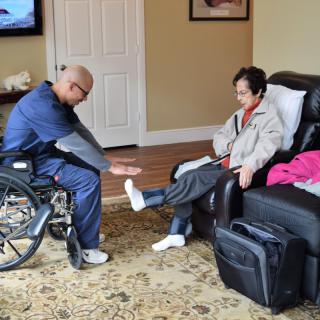
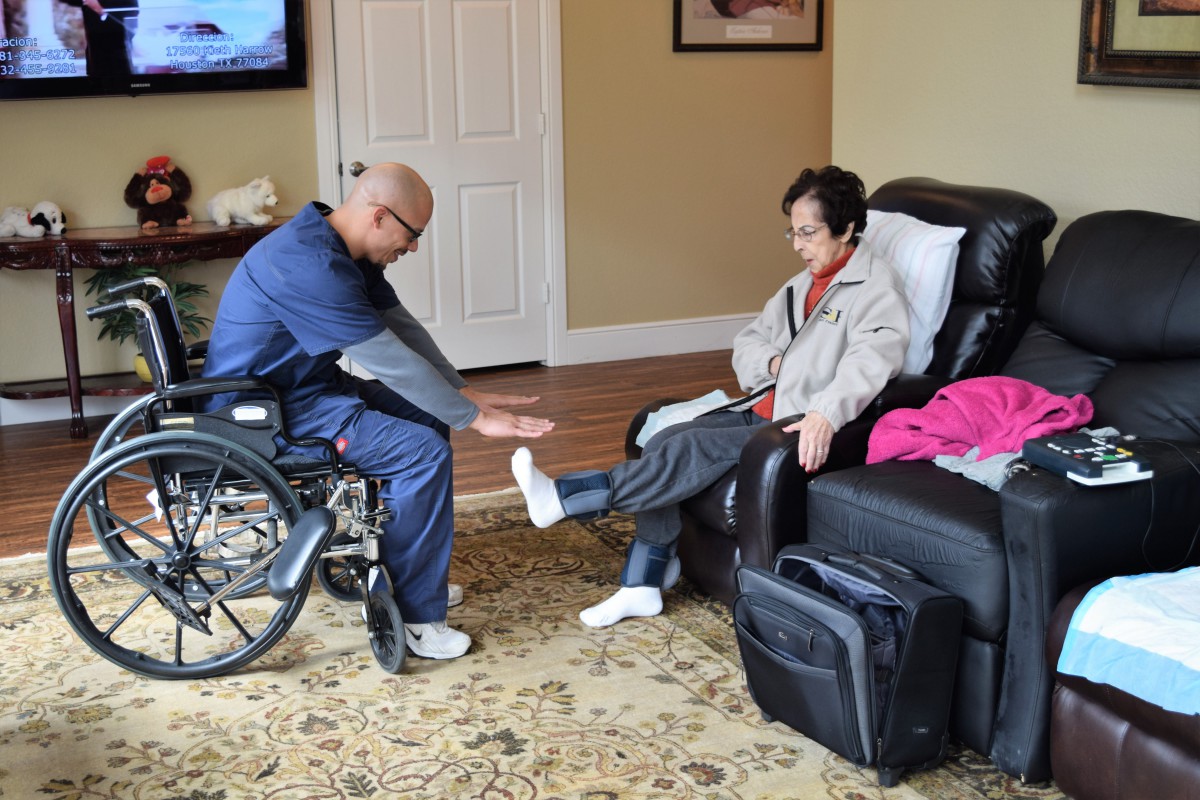
    A caregiver assists a person with leg exercises in a home setting.
  • Exercise

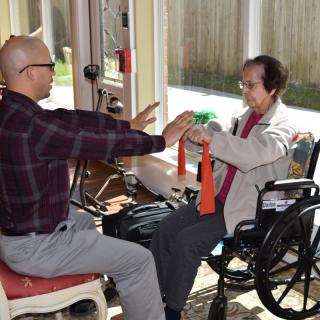
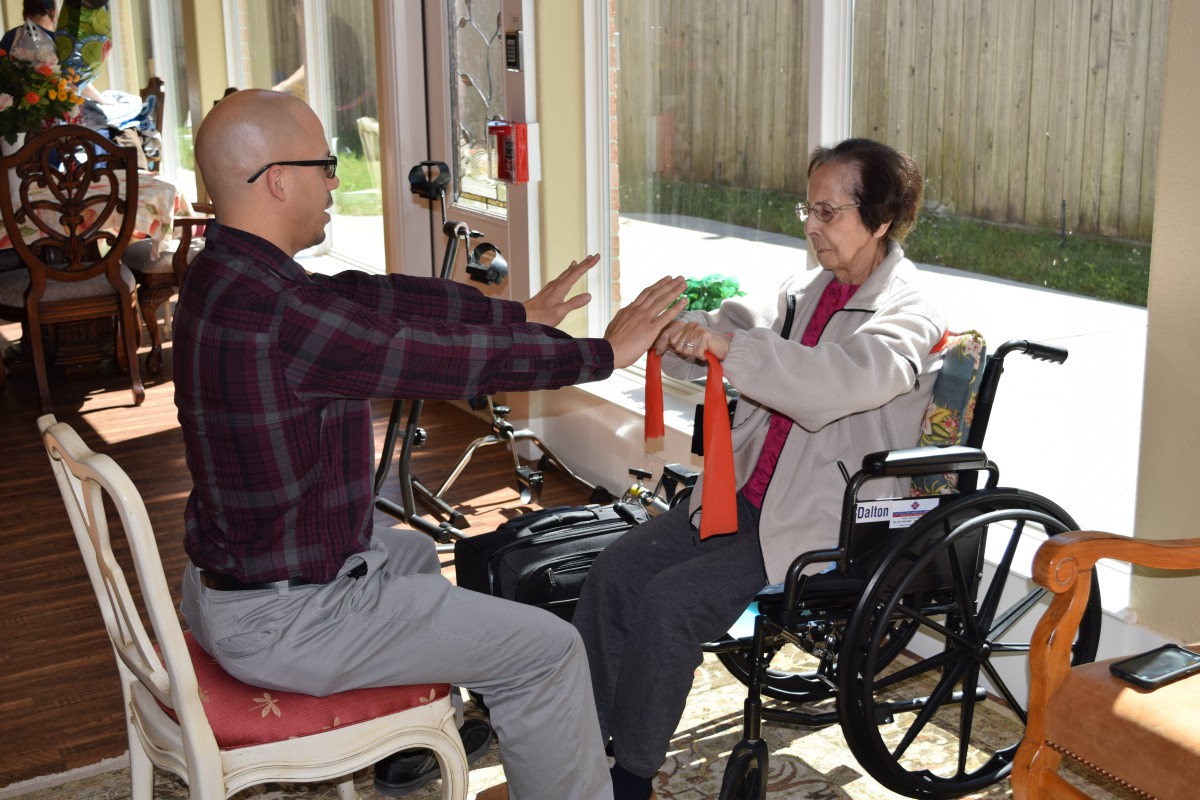
    A caregiver assists an elderly person in a wheelchair with physical therapy exercises using resistance bands.
  • Wheelchair

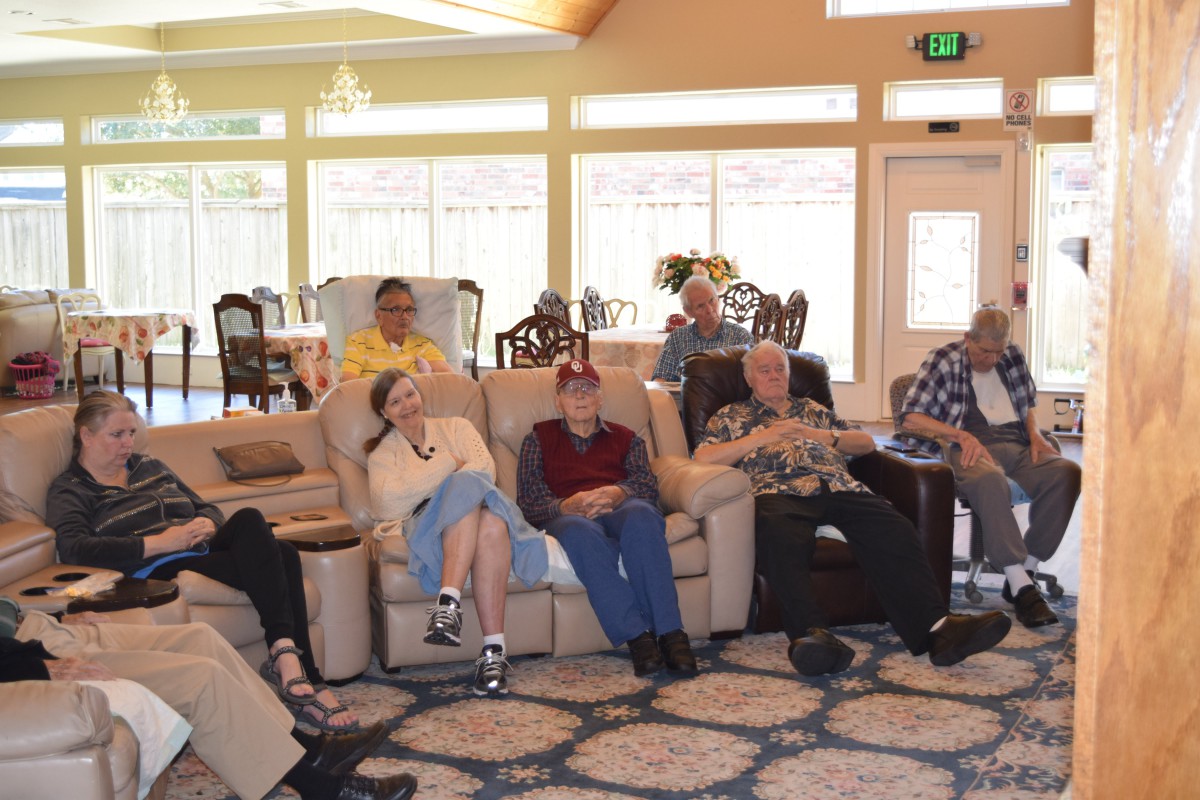
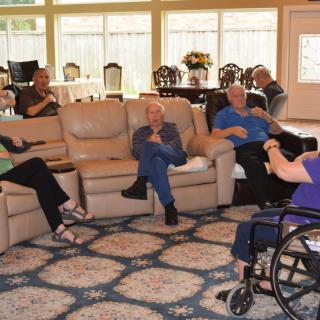
    A group of seniors socializing in a comfortable living room setting.
  • Nursing Home

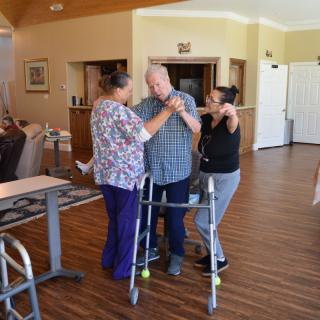
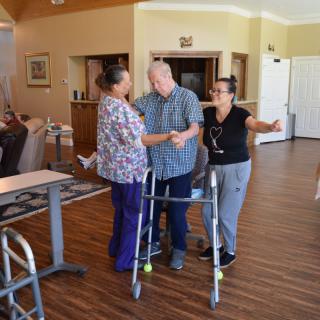
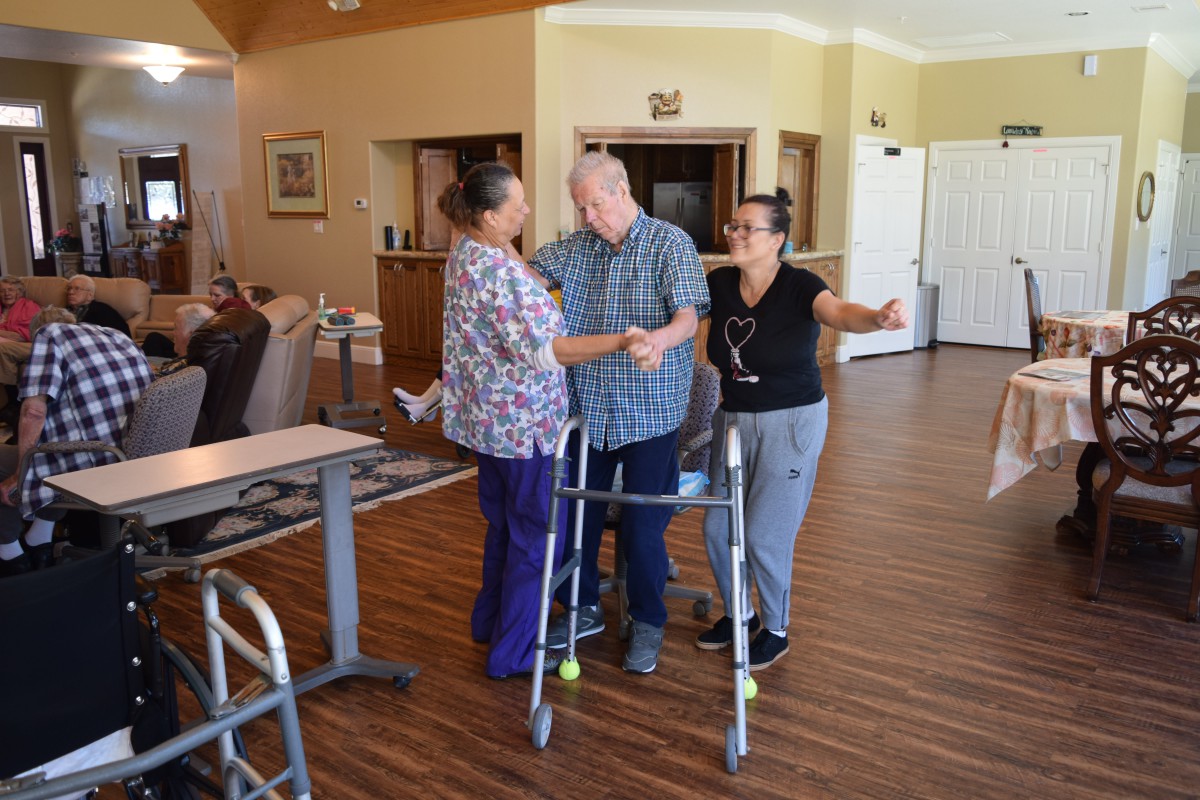
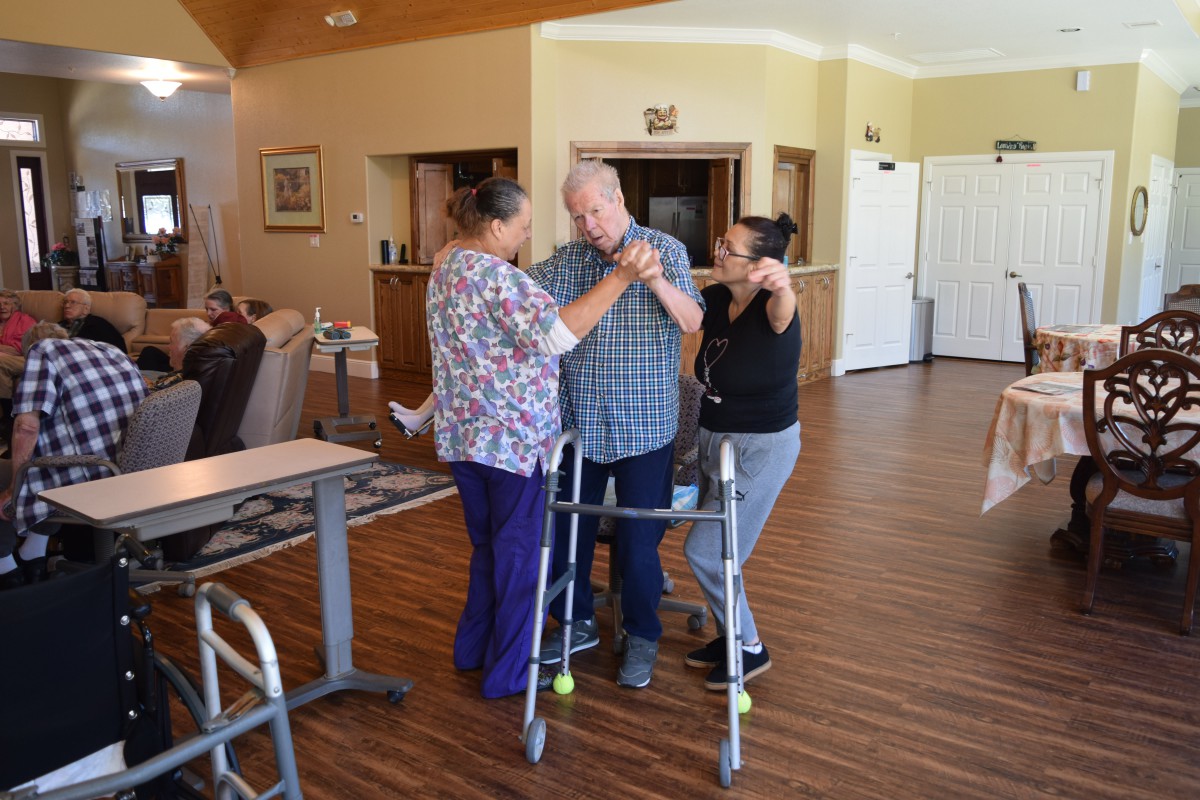
    Caregivers assist an elderly man with a walker, providing support and encouragement.
  • Caregiver

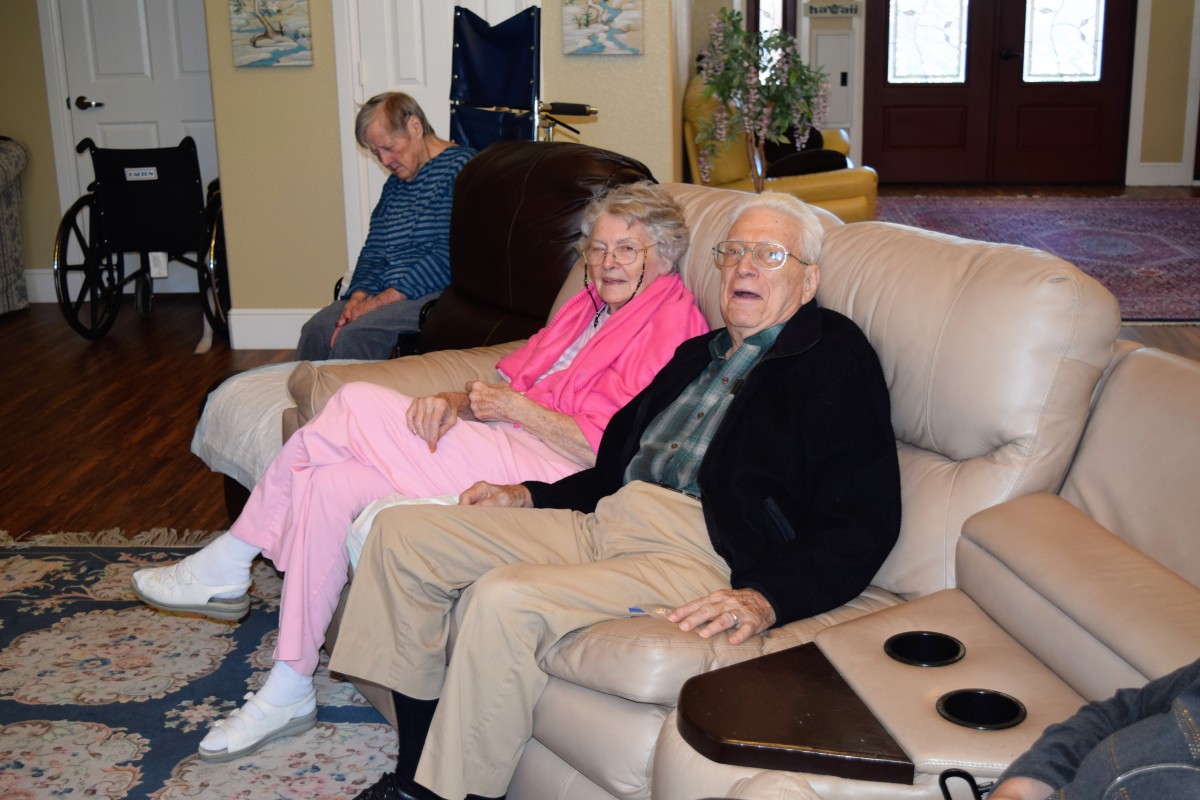
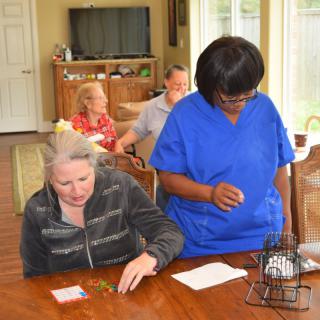
    A caregiver assists seniors in a nursing home setting.
  • Assistance

    Caregivers assist an elderly man using a walker in a nursing home setting.

Loving Care Cottages in Houston, TX

14977 Terrace Oak Dr., Houston, TX 77068

For more information about senior living options: (844) 490-3973

4.8 from 24 reviews
5 stars
20
4 stars
2
3 stars
2
2 stars
0
1 stars
0

Board and Care Home Memory Care Skilled Nursing Facility

Loving Care Cottages Costs & Pricing

Loving Care Cottages offers a range of room types with pricing that reflects the unique care environment they provide. For a semi-private room, residents can expect to pay $4,000 per month, which is notably higher than both the Harris County average of $3,518 and the state average of $3,680. Similarly, their one-bedroom units are priced at $4,500, surpassing the local average of $4,027 but remaining competitive against Texas's statewide figure of $3,761. Additionally, for those seeking private accommodations, Loving Care Cottages again charges $4,500 per month - slightly below the Texas average of $4,096 but above Harris County's average cost of $3,784. While these rates may be higher than some regional alternatives, they reflect the quality and personal touch that Loving Care Cottages prides itself on offering to its residents and families.

Floor plansLoving Care CottagesHarris CountyTexas
Semi-Private$4,000$3,518$3,680
1 Bedroom$4,500$4,027$3,761
Private$4,500$3,784$4,096

What level of care are you interested in?

Assisted Living

Memory Care

Independent Living

Skilled Nursing Facility

Continuing Care Retirement Community (CCRC)CCRC

Other


Request a tour at Loving Care Cottages

    Overall Review of Loving Care Cottages

    Pros

    • pro Loving Care Cottages provides exceptional care and is easy for families to work with.
    • pro The caregiver-to-resident ratio is notably better, enabling more personalized attention.
    • pro The facility feels like a home rather than a sterile or hospital-like environment.
    • pro The staff are friendly, compassionate, and attentive, with engaging activities for residents.
    • pro The management is organized, dedicated, and focused on the well-being of each resident.
    • pro The home is clean, bright, and well-maintained, with comfortable rooms.
    • pro Nutritious meals are provided, and daily exercises and activities are encouraged.
    • pro The community is intimate and small, allowing individualized care.
    • pro Families consistently would highly recommend Loving Care Cottages for memory care.

    Cons

    • pro They perceived other facilities as sterile or hospital-like.
    • pro The community had too many residents, making it feel cramped.
    • pro The tour staff could not provide pricing for rent, which frustrated them.
    • pro One visitor was upset by the staff's attitude during the visit.
    • pro They described the previous memory care facility as sedating their mother with medications and causing falls.
    • pro The staff did not discuss pricing and only handed them a brochure.

    Review

    Loving Care Cottages in Houston, Texas is best suited for families who want an intimate, home-like memory care environment where daily life centers on individualized attention, warm communication, and a hands-on approach from a small team. The facility operates as a refurbished house with a strict cap of about 16 residents, which delivers a noticeably higher caregiver-to-resident ratio than typical memory care settings. This arrangement yields more personalized assistance with eating, transferring, and activities, and it supports residents staying dressed, engaged, and present in shared spaces. For families navigating dementia or Alzheimer's care, the combination of a private-residence vibe, consistent staff affection, and budget-savvy pricing makes this option particularly compelling. Those who crave a larger campus, more clinical structure, or absolute upfront price transparency may want to explore alternatives.

    The most persuasive advantages center on the human scale of care. Staffing remains consistently friendly, attentive, and genuinely involved in residents' daily routines. The home-like layout - rooms arranged around a central common area, open dining, and communal spaces - facilitates spontaneous socializing and easy monitoring. Residents benefit from daily exercises, regular meals prepared on site, and a quiet, clean, inviting atmosphere that feels lived-in rather than institutional. Families repeatedly emphasize the feeling of being welcomed as part of a small, caring network, with management and caregivers who remember names, preferences, and milestones. The owners' hands-on leadership reinforces trust and reliability, with staff clarity and proactive communication cited as standout strengths.

    A handful of drawbacks surface in a few reviews, though none undermine the overall value. Some observers note that the home can feel cramped when fully occupied, a consequence of the small footprint and high occupancy that makes privacy harder to guarantee. Pricing discussions can be uneven during initial tours, with not all staff immediately providing upfront figures, which can complicate early comparisons. A few families express a desire for broader activity offerings or more diverse programming to sustain long-term engagement for residents with higher social needs. Nevertheless, these concerns tend to be outweighed by the benefits of individualized attention, a calm atmosphere, and the sense that care decisions are personal and deliberate.

    The pros offset the cons through tangible, repeatable strengths. The near-perfect caregiver ratio means more hands-on help during meals, transfers, and daily routines, which often translates into fewer UTIs, better mobility support, and a steadier sense of safety. A small, homey setting fosters dignity and reduces the agitation that can accompany more impersonal environments. Families point to consistent, compassionate interactions, transparent communication from Cory and the management team, and a culture that treats residents like beloved family members. The presence of a friendly therapy dog, well-maintained spaces, and meals that feel nourishing further reinforce the impression of a well-rounded, resident-centered program. Where some facilities rely on volume, Loving Care Cottages relies on depth of attention and steady, reliable care.

    For families weighing options, several practical decision factors stand out. Investigate the full cost structure early and confirm what is included in monthly rates to avoid surprises; price transparency can vary by encounter, even in a highly regarded home. Consider how important a home-like ambience and intimate staffing are relative to desired social breadth and activity calendars. If a loved one values consistent, personal interactions, flexible staffing, and a setting that resembles a private residence, this is a strong match. If transportation demands or the need for a larger, more conventional campus are pivotal, or if immediate equity in upfront pricing is non-negotiable, alternatives may be more suitable. A tour with Cory or the owner team often crystallizes whether the fit aligns with expectations.

    In the end, Loving Care Cottages stands out as a top choice for families prioritizing intimacy, empathy, and practical, hands-on dementia care at a price that typically undercuts larger memory care facilities. The combination of a small, home-like environment, a robust caregiver presence, and a family-owned ethos creates a trustworthy platform for daily living and end-of-life moments alike. Those prepared to accept a more intimate footprint, fewer formal programs, and a community where care decisions are deeply personalized will find the alignment strong and enduring. For others, particularly those seeking a broader social catalog, a more clinical ambiance, or crystal-clear upfront pricing, it pays to compare several communities to identify the best structural fit.

    Features

    Housing

    • 1-bedroom apartments 1-bedroom apartments1-bedroom apartments are important for seniors because they provide a sense of independence, privacy, and autonomy while still offering the necessary space for comfortable living. These apartments allow seniors to maintain their own personal space and lifestyle preferences in a supportive community setting.

    Types of Care

    • Board and Care Home Board and Care HomeBoard and care homes provide a smaller, more intimate setting for seniors who require assistance with daily tasks but do not need the level of care offered by a nursing home. They offer personalized care, meals, and social activities in a homelike environment, ensuring that seniors receive individualized attention and support in their golden years.
    • Memory Care Memory CareMemory care is crucial for seniors as it provides specialized support and services for individuals with dementia or Alzheimer's disease. These programs offer a safe and secure environment where residents receive personalized care, cognitive stimulation, and help with daily activities. Memory care helps seniors maintain their independence, quality of life, and dignity while also providing peace of mind for their families.
    • Skilled Nursing Facility Skilled Nursing FacilitySkilled Nursing Facilities are crucial for seniors as they provide round-the-clock medical care, rehabilitation services, and assistance with daily activities. These facilities ensure that seniors receive the specialized care they need to maintain their health and well-being as they age.

    Pets

    • Cats allowed Cats allowed"Pet friendly" senior living communities are important for seniors because pets provide companionship, reduce feelings of loneliness and depression, promote physical activity and mental stimulation, and offer a sense of purpose and responsibility. Pets can improve overall well-being and quality of life for seniors in many ways.
    • Dogs allowed Dogs allowed"Pet friendly" senior living communities are important for seniors because pets provide companionship, reduce feelings of loneliness and depression, promote physical activity and mental stimulation, and offer a sense of purpose and responsibility. Pets can improve overall well-being and quality of life for seniors in many ways.

    Amenities

    • Activities on-site Activities on-siteActivities on-site are important for seniors because they provide opportunities for socialization, mental stimulation, physical activity, and overall well-being. Engaging in activities can help seniors stay active, maintain their independence, and improve their quality of life.
    • Air-conditioning Air-conditioningAir conditioning is important for seniors as they are more vulnerable to heat-related illnesses and may have underlying health conditions that make it difficult for them to regulate their body temperature. It helps to keep them comfortable, safe, and healthy in hot weather.
    • Beautician on-site Beautician on-siteHaving a beautician on-site at a senior living community is important for seniors as it allows them to easily access grooming and personal care services, boosting their self-esteem and overall well-being. It also provides convenience and helps seniors maintain their sense of independence and personal style.
    • Cable or satellite TV Cable or satellite TVCable or satellite TV is important for seniors because it provides entertainment, news, and companionship, helping to combat loneliness and boredom. It also offers a wide range of programming options tailored to different interests and preferences.
    • Dining room Dining roomDining rooms are important for seniors as they provide a space for socialization, connection, and nutritious meals. They offer opportunities for residents to bond over shared meals, foster a sense of community, and promote healthy eating habits. Dining rooms also ensure that seniors have access to well-balanced meals tailored to their dietary needs and preferences.
    • Garden view Garden viewGarden views are important for seniors as they provide natural beauty and tranquility, promoting relaxation and overall well-being. Access to green spaces can also encourage outdoor activity and socialization, enhancing physical and mental health.
    • Ground floor units Ground floor unitsGround floor units are important for seniors because they provide easy accessibility, reduced risk of falls and injuries, and convenience for those with mobility issues. Seniors can avoid climbing stairs or using elevators, making daily tasks and activities more manageable and enjoyable.
    • Guest parking Guest parkingGuest parking is important for seniors because it allows their friends and family members to visit them easily and safely. Having convenient parking options can help combat feelings of isolation and loneliness, promote regular social interaction, and improve overall mental and emotional well-being for seniors in senior living communities.
    • Housekeeping services Housekeeping servicesHousekeeping services are important for seniors because they help maintain a clean and safe living environment, promote independence, and reduce the risk of accidents or illnesses. Additionally, having assistance with household chores can alleviate physical strain and allow seniors to focus on other aspects of their well-being.
    • Indoor common areas Indoor common areasIndoor common areas are crucial for seniors as they provide a space for socialization, recreation, and community engagement, promoting overall well-being and reducing feelings of isolation and loneliness.
    • Laundry LaundryLaundry services are important for seniors as they may have difficulty with physical tasks such as bending, lifting, or carrying heavy loads. Having access to laundry services can help seniors maintain personal hygiene, cleanliness, and independence in their daily lives.
    • Outdoor common areas Outdoor common areasOutdoor common areas are important for seniors as they provide a space for socialization, physical activity, and relaxation. Being outside in nature can improve mood and overall well-being, while also encouraging movement and engagement with others. These spaces can help combat feelings of isolation and promote a sense of community among residents.
    • Private PrivatePrivacy is important for seniors as it allows them to maintain their independence, dignity, and sense of control over their own lives. It also gives them the space and freedom to relax, reflect, and engage in activities that bring them joy and fulfillment. Creating private spaces within senior living facilities is crucial for promoting overall well-being and quality of life.
    • Private cleaning services Private cleaning servicesPrivate cleaning services are important for seniors because they provide a safe and healthy living environment, maintain independence, and alleviate the physical strain of household chores. These services ensure that seniors can remain in their own homes longer and enjoy a higher quality of life.
    • Private patio, deck, or balcony Private patio, deck, or balconyHaving a private patio, deck, or balcony is crucial for seniors living in a retirement community as it provides them with access to fresh air, natural light, and the outdoors without having to leave their home. This outdoor space can promote physical activity, mental well-being, and socialization opportunities for seniors, contributing to an overall improved quality of life.
    • Respite or short term stays offered Respite or short term stays offeredRespite or short term stays provide seniors with a temporary solution when their regular caregiver is unavailable, offering them the opportunity to receive additional care and support during times of need, while also giving caregivers a chance to rest and recharge.
    • TV room TV roomTV rooms are important for seniors in senior living communities because they provide a space for social interaction, entertainment, and relaxation. Watching TV can help reduce feelings of loneliness and boredom, and create a sense of community among residents. Additionally, TV rooms offer a break from daily routines and can be a source of comfort and familiarity for seniors.
    • VA Benefits Consultation VA Benefits ConsultationVA Benefits Consultations are important for seniors because they provide valuable information on the benefits and resources available to them as veterans. These consultations can help seniors access financial assistance, healthcare services, and other support that can greatly improve their quality of life in their later years.
    • Wheelchair accessible showers Wheelchair accessible showersWheelchair accessible showers are crucial for seniors as they provide a safe and independent bathing option for those with mobility challenges. These showers help prevent falls and allow seniors to maintain their dignity and autonomy while ensuring they can bathe comfortably.
    • Wi-Fi/high-speed internet available Wi-Fi/high-speed internet availableWi-Fi/high-speed internet is important for seniors to stay connected with loved ones, access online resources, and participate in virtual activities to combat feelings of loneliness and isolation. It also allows them to easily manage healthcare needs, access entertainment, and engage in lifelong learning opportunities.

    Transportation

    • George Bush Intercontinental (9 miles away) George Bush Intercontinental (9 miles away)

    Care Services

    • Ambulatory care Ambulatory care"Ambulatory care services provide essential medical support and treatment to seniors without requiring hospitalization, allowing them to maintain their independence and quality of life while managing chronic conditions or receiving routine medical care."
    • Companion care Companion careCompanion care is crucial for seniors as it provides social interaction, emotional support, and companionship, which can improve quality of life, mental health, and overall well-being. This type of care can combat feelings of loneliness and isolation often experienced by seniors and ensure they have someone to talk to and engage with on a regular basis.
    • Diabetic care Diabetic careDiabetic care is crucial for seniors as they are more susceptible to developing diabetes due to aging and other health conditions. Proper management of diabetes can help prevent complications such as heart disease, vision loss, and nerve damage, improving the overall quality of life for seniors in senior living communities.
    • High acuity care High acuity careHigh acuity care is important for seniors because it provides specialized medical attention and support for individuals with complex medical needs. This level of care ensures that seniors receive the appropriate treatment and assistance to maintain their health and quality of life as they age.
    • Hospice care Hospice careHospice care is important for seniors as it provides specialized end-of-life support, pain management, and emotional comfort for both the senior and their loved ones. It allows seniors to maintain dignity, receive personalized care, and spend their remaining time in a peaceful and comfortable environment.
    • Incontinence care Incontinence careIncontinence care is essential for seniors to maintain their dignity, hygiene, and overall quality of life. By addressing incontinence issues promptly and effectively, seniors can enjoy a sense of independence and comfort in their daily activities.
    • Medication management Medication managementMedication management is crucial for seniors to ensure they are taking the right medications at the correct dosages and times. This helps prevent adverse drug interactions, reduces the risk of medication errors, and promotes overall health and well-being. Proactive management also allows for adjustments as needed based on changing health conditions or new prescriptions.
    • Personal care assistants Personal care assistantsPersonal care assistants are essential for seniors as they provide assistance with daily tasks, such as dressing, bathing, and medication management. They offer crucial support and companionship to help seniors maintain independence and quality of life in their own homes or in senior living communities.
    • Physical therapy Physical therapyPhysical therapy is essential for seniors to maintain and improve their mobility, strength, and overall quality of life. It helps reduce pain, prevent falls, and enhance independence in daily activities. By promoting movement and function, physical therapy can help seniors stay active, healthy, and engaged in their communities.
    • Psychiatric care Psychiatric carePsychiatric care is important for seniors as they may experience mental health issues such as depression, anxiety, or dementia. Proper diagnosis and treatment can improve quality of life, cognitive function, and overall well-being in older adults.

    Dining

    • Meals provided Meals provided"Meals provided" are crucial for seniors in assisted living communities as it ensures they have access to nutritious, balanced meals without the stress of meal planning and preparation. This can help promote overall health and well-being for seniors who may have limited mobility or cognitive abilities.
    • No Sugar No SugarNo sugar diets are important for seniors because they can help prevent or manage chronic conditions such as diabetes, heart disease, and obesity. Sugar can also contribute to cognitive decline and inflammation in the body, so reducing sugar intake can lead to overall improved health and well-being in older adults.
    • Special dietary restrictions Special dietary restrictionsSpecial dietary restrictions are important for seniors because age-related changes in metabolism and health conditions can make it difficult for their bodies to process certain foods. By following a diet tailored to their specific needs, seniors can maintain their overall health and well-being, manage chronic conditions, and reduce the risk of complications such as malnutrition or food interactions with medications.
    • Vegetarian VegetarianA vegetarian diet is important for seniors because it can help lower the risk of chronic diseases, maintain a healthy weight, and provide essential nutrients needed for aging bodies. Additionally, plant-based diets are often easier on digestive systems and can contribute to overall well-being in older adults.

    Activities

    • Activities on-site Activities on-siteActivities on-site are important for seniors because they provide opportunities for socialization, mental stimulation, physical activity, and overall well-being. Engaging in activities can help seniors stay active, maintain their independence, and improve their quality of life.
    • Arts and crafts Arts and craftsEngaging in arts and crafts activities provides seniors with a creative outlet, promotes cognitive function, enhances dexterity and fine motor skills, fosters social interaction, and boosts overall well-being and mental health.
    • Book club Book clubBook clubs are important for seniors because they provide socialization, intellectual stimulation, and a sense of community. They offer the opportunity to engage in meaningful discussions, share perspectives, and connect with others who share a love of reading. Book clubs can also help seniors stay mentally active and combat feelings of loneliness or isolation.
    • Christian services Christian servicesChristian services are important for seniors because they provide a sense of community, spiritual support, and opportunities for connection with others who share their faith. These services can offer comfort, hope, and guidance as seniors navigate the challenges of aging and find meaning and purpose in their lives.
    • Educational speakers / life long learning Educational speakers / life long learningEducational speakers and lifelong learning opportunities are crucial for seniors as they provide mental stimulation, promote social engagement, and contribute to overall well-being. Continuous learning helps seniors stay mentally sharp, build new skills, and maintain a sense of purpose and fulfillment in their lives. It also allows them to stay connected to the world around them and fosters a sense of community within senior living facilities.
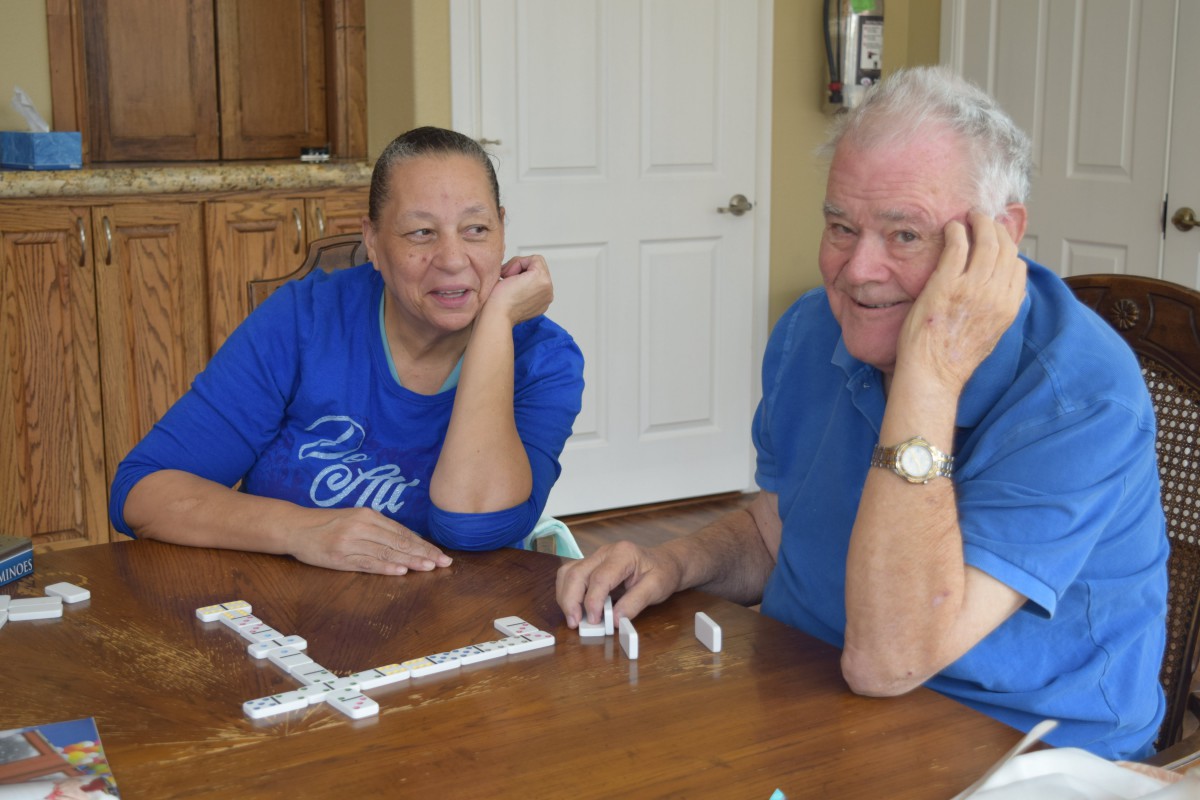
    • Games GamesGames are an essential part of senior living as they help promote cognitive function, social interaction, and overall well-being. Playing games can improve memory, concentration, and decision-making skills while also providing a fun and engaging way to connect with others. Seniors who participate in games regularly tend to experience higher levels of satisfaction and happiness in their daily lives.
    • Light therapy programs Light therapy programsLight therapy programs are important for seniors because they can help improve mood, regulate sleep patterns, and reduce symptoms of depression and anxiety. Exposure to natural light can also have positive effects on cognitive function and overall well-being in older adults.
    • Live musical performances Live musical performancesLive musical performances can provide seniors with a sense of joy, nostalgia, and connection. Music has the power to evoke emotions and memories, improve mood and cognitive function, and foster social interaction among seniors. It can also serve as a form of therapy and stress relief for older adults, making it an important activity to include in senior living communities.
    • Religious services Religious servicesReligious services provide seniors with a sense of community, support, and spiritual fulfillment, which can improve their overall well-being and mental health. It also offers them opportunities for socialization and connection with others who share their beliefs.
    • Stories StoriesStories are important for seniors because they provide a sense of connection, stimulate memory and cognitive function, and offer entertainment and emotional engagement. Sharing stories can foster social interaction and create a sense of community among seniors, enhancing their overall well-being and quality of life.
    • Visiting chaplain or priest Visiting chaplain or priestHaving a visiting chaplain or priest at a senior living community is important for seniors because it provides spiritual support, comfort, and guidance during a time of life that can be challenging and uncertain. Their presence can help seniors feel connected to their faith, find peace of mind, and cope with the emotional and mental struggles they may face in their later years.

    Description

    Loving Care Cottages in Houston, TX is a premier assisted living community that offers top-notch care for seniors in need of memory care and skilled nursing services. Situated in a peaceful and welcoming neighborhood, our community provides a range of amenities to ensure the comfort and well-being of our residents.

    Our cottages feature air-conditioning, ensuring a pleasant and cool atmosphere throughout the year. Residents can enjoy the convenience of an on-site beautician to help them look and feel their best. Cable or satellite TV is available in each cottage for entertainment purposes, while our spacious dining room offers a beautiful garden view for a relaxing meal experience.

    Our ground floor units are easily accessible for residents with mobility issues, and ample guest parking is available for visitors. We pride ourselves on providing excellent housekeeping services to maintain cleanliness and hygiene standards. Our indoor common areas provide comfortable spaces for socializing and engaging in activities, while laundry facilities are conveniently located on-site.

    For those who enjoy spending time outdoors, our community boasts well-maintained outdoor common areas where residents can relax or participate in group activities. Each cottage has its own private patio, deck, or balcony, allowing residents to enjoy fresh air and sunshine at their leisure. We also offer respite or short-term stays to cater to individuals needing temporary assistance or recovery support.

    We understand the importance of staying connected in today's modern world; therefore, we provide Wi-Fi/high-speed internet access throughout our premises. Additionally, we offer consultations for veterans regarding VA benefits. For added convenience and accessibility, wheelchair accessible showers are available.

    At Loving Care Cottages, we prioritize personalized care services tailored to meet individual needs. Our compassionate staff members provide companion care to ensure that residents never feel alone. We have specialized care programs for diabetes management, high acuity cases, hospice care, incontinence management, medication supervision as well as personal care assistance.

    Physical therapy sessions are available to promote mobility and overall well-being, while psychiatric care is provided for residents with specific mental health needs. Our dining options cater to special dietary restrictions, including a no sugar menu and vegetarian choices.

    Our vibrant community offers a variety of enriching activities to keep residents engaged and stimulated. From arts and crafts to book clubs, educational speakers, games, light therapy programs, live musical performances, religious services, stories, and visits from chaplains or priests – there is something for everyone to enjoy.

    Located in close proximity to cafes, parks, pharmacies, restaurants, places of worship, theaters, and hospitals, Loving Care Cottages ensures that our residents have easy access to daily amenities and essential services.

    Discover the comfort and peace of mind that come with life at Loving Care Cottages. Experience exceptional care in a warm and inviting atmosphere where every resident is treated like family.

    Nearby Places of Interest

    This part of Houston, Texas offers convenience and accessibility for senior living. With multiple pharmacies such as CVS and Walgreens within a few miles, access to medication and healthcare is readily available. There are also a variety of restaurants to choose from, including Gringo's Mexican Kitchen and Chick-Fil-A, providing options for dining out or grabbing a quick meal. Nearby parks like Ponderosa Park and Oakwood Glen Park offer opportunities for outdoor recreation and relaxation. Places of worship such as John Wesley United Methodist Church and St John Neumann Catholic Church provide spiritual support and community engagement. Additionally, healthcare services at Houston Northwest Medical Center are easily accessible. For entertainment, AMC Willowbrook 24 theater is close by. Overall, this area offers a mix of amenities that cater to the needs of seniors looking for a vibrant and convenient living environment in Houston.

    Pharmacies

    • CVS Pharmacy (0.5 miles)
    • CVS Pharmacy (2 miles)
    • CVS Pharmacy (2.3 miles)
    • Walgreens (2.3 miles)
    • Walgreens (2.7 miles)
    • Walgreens (3.1 miles)
    • CVS Pharmacy (3.2 miles)

    Restaurants

    • Gringo's Mexican Kitchen (1.7 miles)
    • Chick-Fil-A (3.3 miles)
    • Chick-Fil-A (3.7 miles)
    • Pappasito's Cantina (3.7 miles)
    • Perry's Steakhouse & Grille (4.2 miles)
    • In-N-Out Burger (4.3 miles)
    • Chili's Grill & Bar (4.4 miles)

    Parks

    • Ponderosa Park (2 miles)
    • Oakwood Glen Park and Jogging Track (3.5 miles)
    • Willowood Park (6 miles)
    • Matzke Park (6.4 miles)
    • Mercer Arboretum and Botanic Gardens (6.8 miles)

    Places of Worship

    • John Wesley United Methodist Church (2.5 miles)
    • St John Neumann Catholic Church (5.1 miles)
    • New Life Fellowship (7.9 miles)
    • First Metropolitan Church (8 miles)

    Cafes

    • Starbucks (2.8 miles)
    • Starbucks (5.1 miles)
    • Panera Bread (6.3 miles)
    • Olio (8.7 miles)
    • Starbucks (8.7 miles)
    • Third Gen Coffee (8.8 miles)
    • Starbucks (8.8 miles)

    Hospitals

    • Houston Northwest Medical Center (2.9 miles)

    Theaters

    • AMC Willowbrook 24 (4.7 miles)

    Physicians

    • Sterling Ridge Orthopaedics & Sports Medicine (5 miles)
    • Spring Dermatology (5.4 miles)
    • Affinity Medical Associates Clinic (7.8 miles)

    Transportation

    • Union Pacific Railroad Co. (6.4 miles)
    • Runway 15L/33R (7.8 miles)
    • American Airlines Admirals Club (8.2 miles)
    • CLEAR Terminal A (8.2 miles)
    • Terminal A (8.2 miles)
    • Terminal B Parking Shuttle (8.4 miles)
    • George Bush Intercontinental Airport (IAH) (8.5 miles)

    Frequently Asked Questions

    How much does it cost to live at Loving Care Cottages in Houston, TX?
    What floor plans and room types does Loving Care Cottages offer?
    Where is Loving Care Cottages?
    Does Loving Care Cottages provide care for residents with dementia or Alzheimer's disease?
    Does Loving Care Cottages allow residents to have pets?
    What photos are available for Loving Care Cottages in Houston, Texas?

    Nearby Communities

    • Loving Care Cottages II

      Loving Care Cottages II

      Houston, TX

      4.8 from 11 reviews
       

      pro Warm, home-like, intimate setting with an on-site nurse administrator and family-run management.

    • Avid Care Cottages

      Avid Care Cottages

      Houston, TX

      3.9 from 17 reviews
      $3,200 to $4,000 / month

      pro Warm, attentive staff and affordable, home-like care with home-cooked meals.

    • Assisting Hands North Houston

      Assisting Hands North Houston

      Houston, TX

      5 from 1 review
       

      pro Extensive nearby amenities and diverse dietary options.

    • Caring Senior Service

      Caring Senior Service

      Houston, TX

      5 from 2 reviews
       

      pro Compassionate caregivers and a clean, well-maintained home.

    • Houston At Home

      Houston At Home

      Houston, TX


      pro 24/7 supervision and daily living assistance; fully furnished apartments with dining and diabetes-friendly meals; mental wellness program and transportation to medical appointments.

    • Northgate Assisted Living

      Northgate Assisted Living

      Houston, TX

      4.9 from 18 reviews
      $2,500 to $3,000 / month

      pro Warm, home-like environment with attentive staff and active owner involvement.

    • Holiday Paradise Springs

      Holiday Paradise Springs

      Spring, TX

      4.6 from 179 reviews
      $2,109 to $3,699 / month

      pro Clean, welcoming facility with friendly staff and engaging activities.

    • Novellus Cypresswood

      Novellus Cypresswood

      Spring, TX

      4.5 from 87 reviews
      $3,695 to $6,790 / month

      pro Friendly staff and engaging activities in a clean, intimate setting.

    • Ella Springs Senior Living Community

      Ella Springs Senior Living Community

      Houston, TX

      4.6 from 183 reviews
      $2,995 to $4,975 / month

      pro Friendly staff, engaging activities, and quality meals create a supportive, vibrant community.

    Related Resources

    • can you die from dementiaAre Dementia and Alzheimer's Disease Lethal? A Comprehensive Exploration

      Dementia, including Alzheimer’s disease, is often mischaracterized in terms of lethality as it leads to complications that can be fatal rather than being a direct cause of death; it causes a progressive decline in cognitive and physical health, making patients vulnerable to infections and other health crises. Effective management of nutrition, hydration, and communication is crucial in patient care, with palliative care becoming vital in advanced stages to enhance comfort and quality of life while caregivers play a key role amidst the challenges posed by the disease.

    • reminiscence therapyExploring the Power of Reminiscence Therapy for Individuals With Dementia

      Reminiscence therapy helps individuals with dementia recall past memories through structured discussions and meaningful objects, enhancing mood, relationships, and sense of identity while celebrating their lives. It can be practiced in formal settings or at home, requiring sensitivity to personal histories and cultural backgrounds.

    • reminiscence therapyAn In-Depth Look at Reminiscence Therapy in Dementia Care
      Reminiscence therapy is a structured method for older adults, especially those with dementia, to share life stories using prompts and sensory cues, fostering emotional well-being, social engagement, and self-identity. It aims to improve quality of life by enhancing interpersonal connections and cognitive stimulation while requiring careful facilitation to avoid distressing memories.


    Get Pricing Ask A Question Schedule A Tour Contact Senior Advisor