Rocky Hollow Lake House in Georgetown, TX

Save

  • Interior

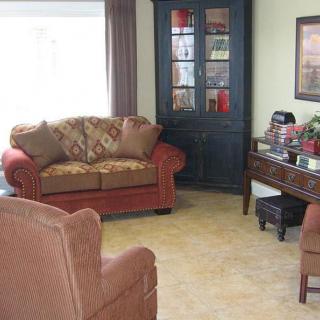
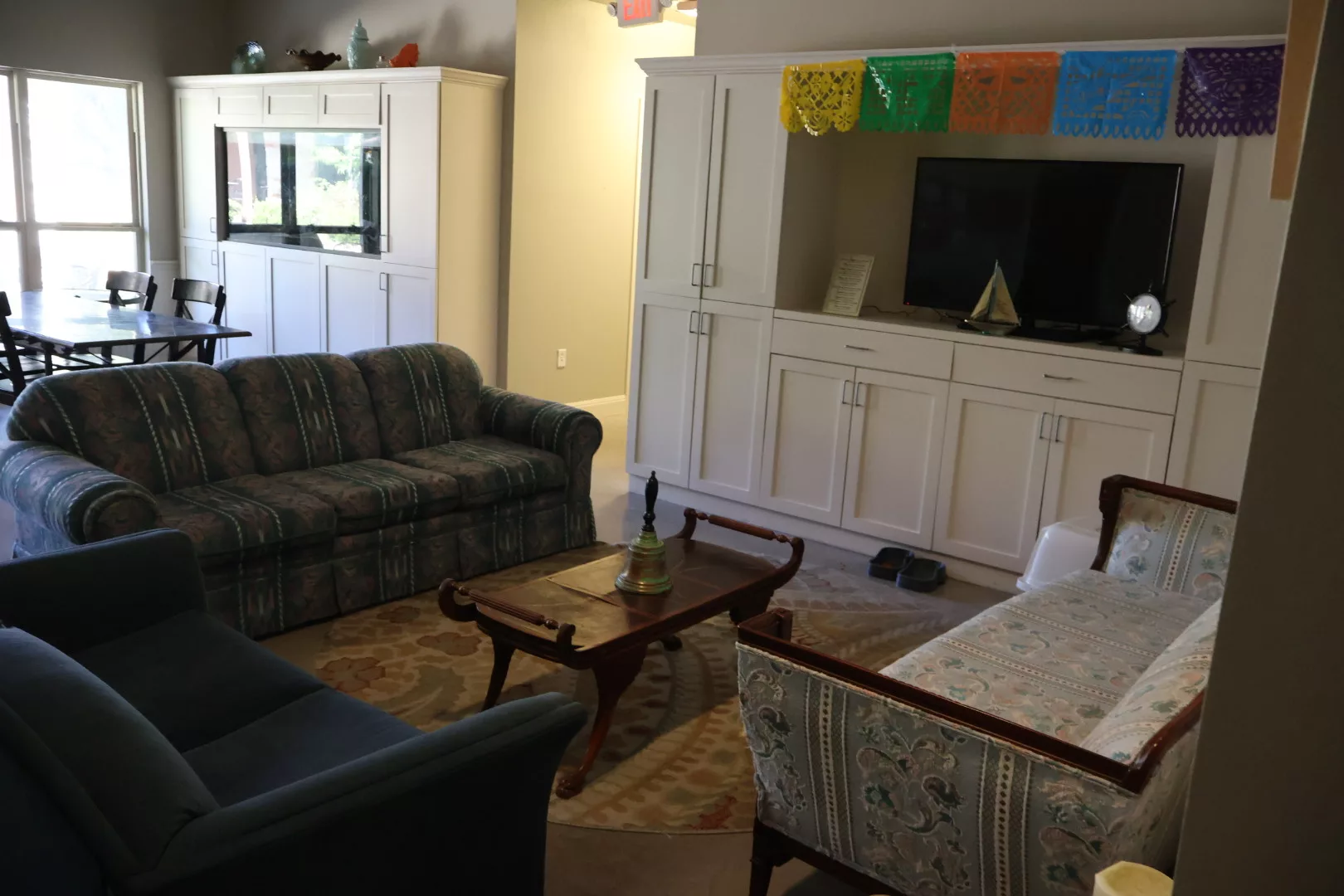
    Cozy living room with sofas, a coffee table, and a television in a white cabinet.
  • Living Room

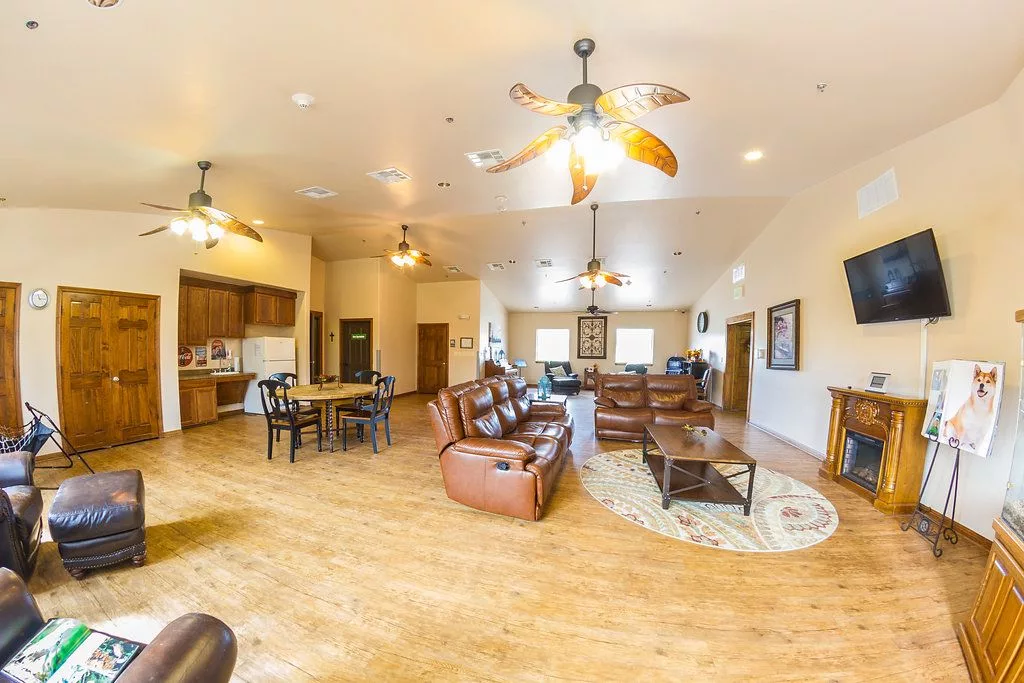
    A spacious open floor plan living room with leather furniture, wood floors, and ceiling fans, adjacent to a kitchen area.
  • Building

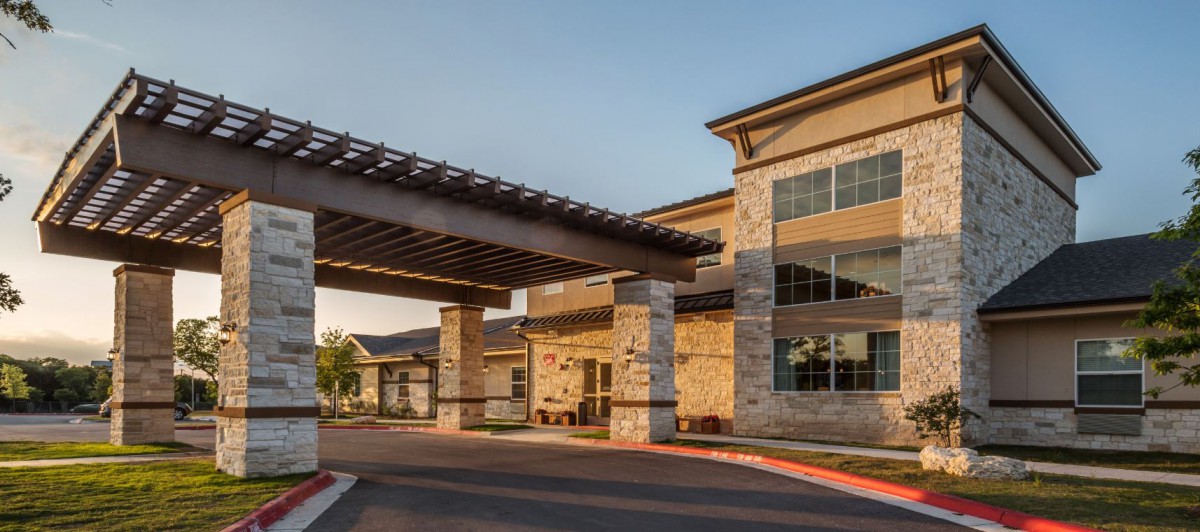
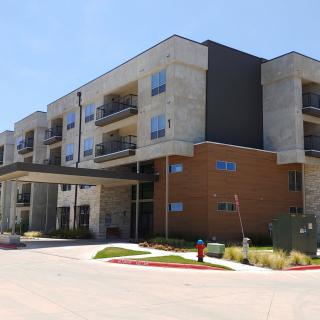
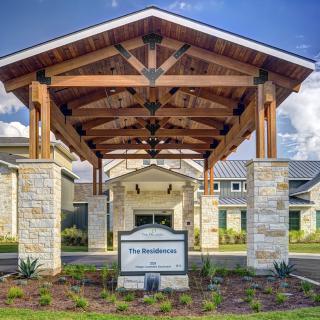
    A modern commercial building with a stone entrance and covered walkway.
  • Architecture

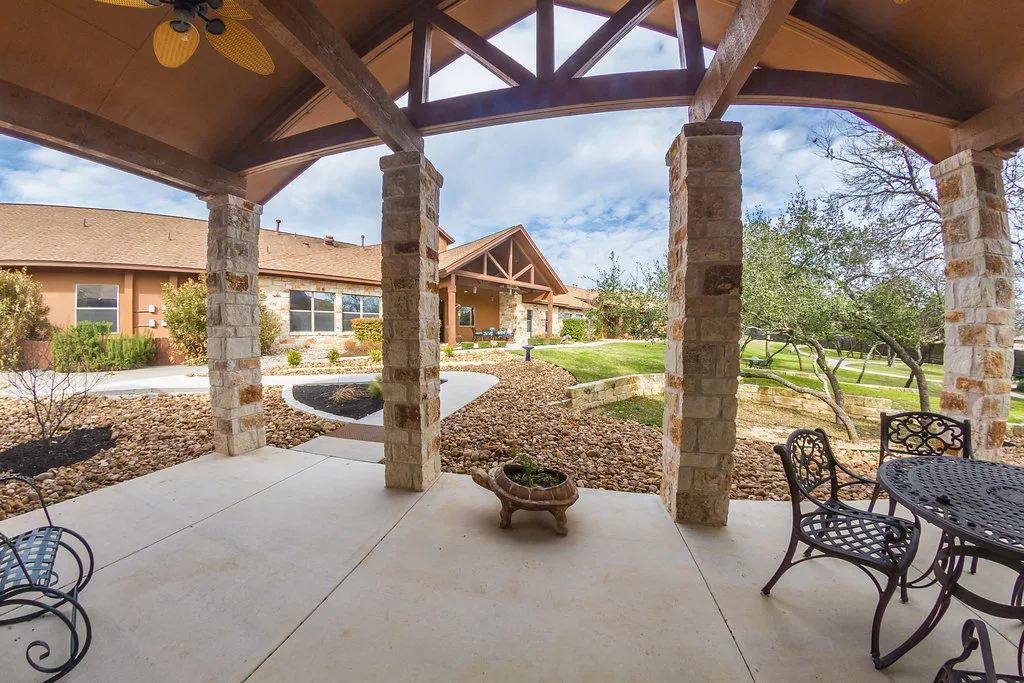
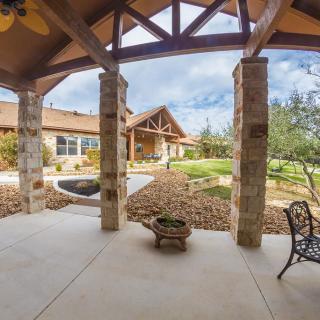
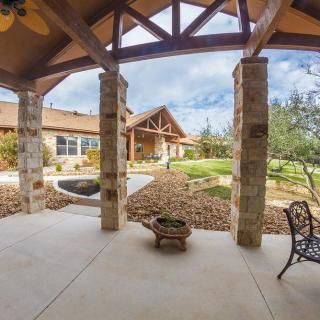
    A spacious outdoor patio featuring stone pillars and a landscaped garden.
  • Trees

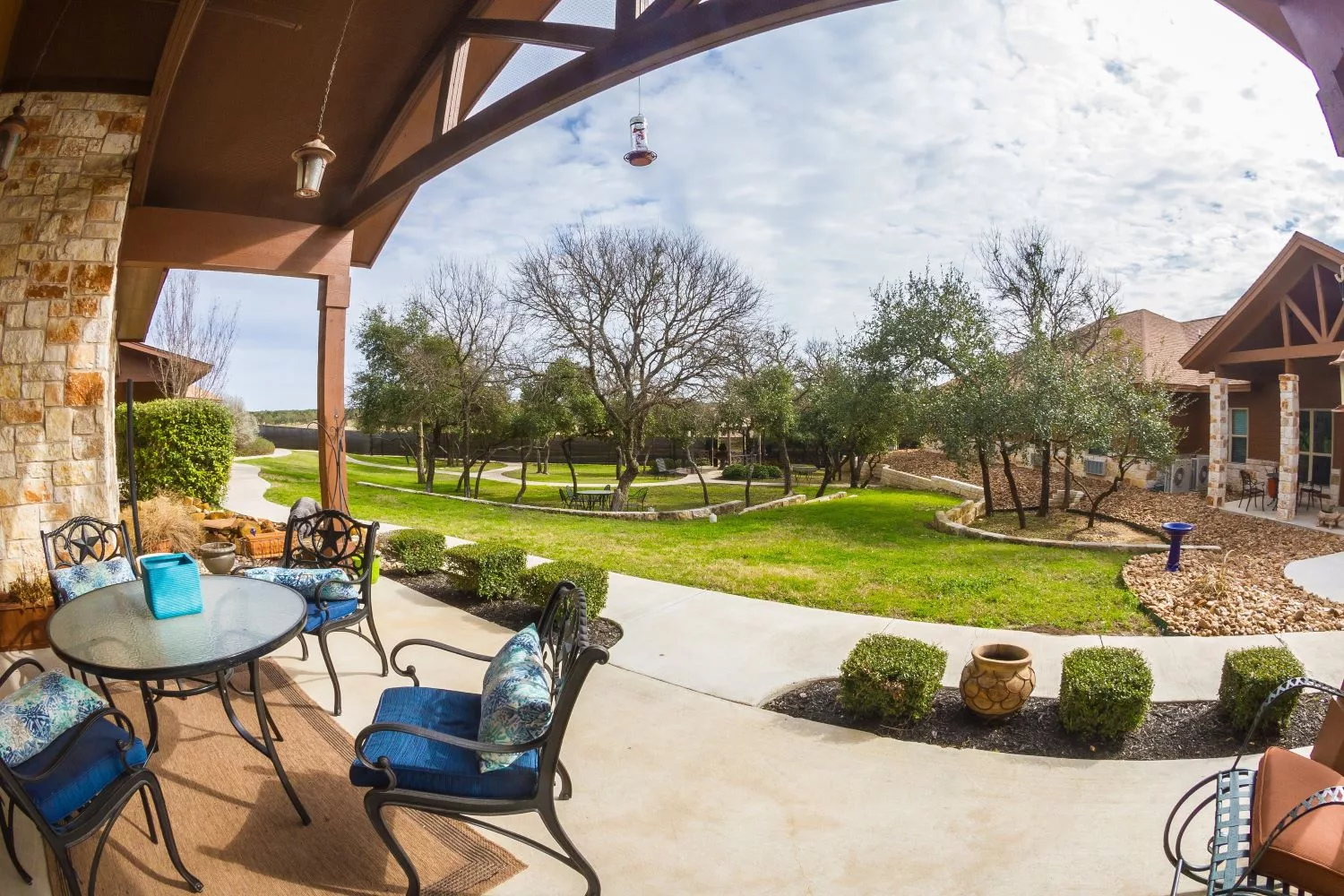
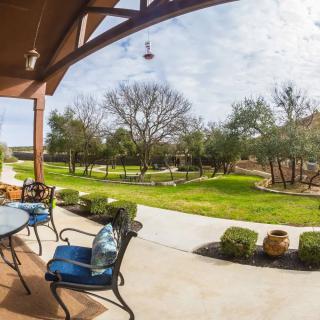
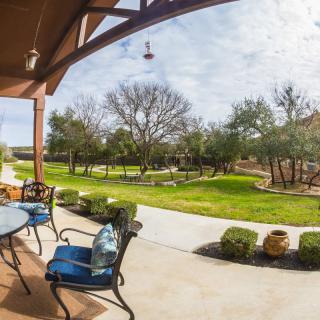
    A sunny patio overlooking a lush garden with trees and a well-maintained lawn.
  • Windows

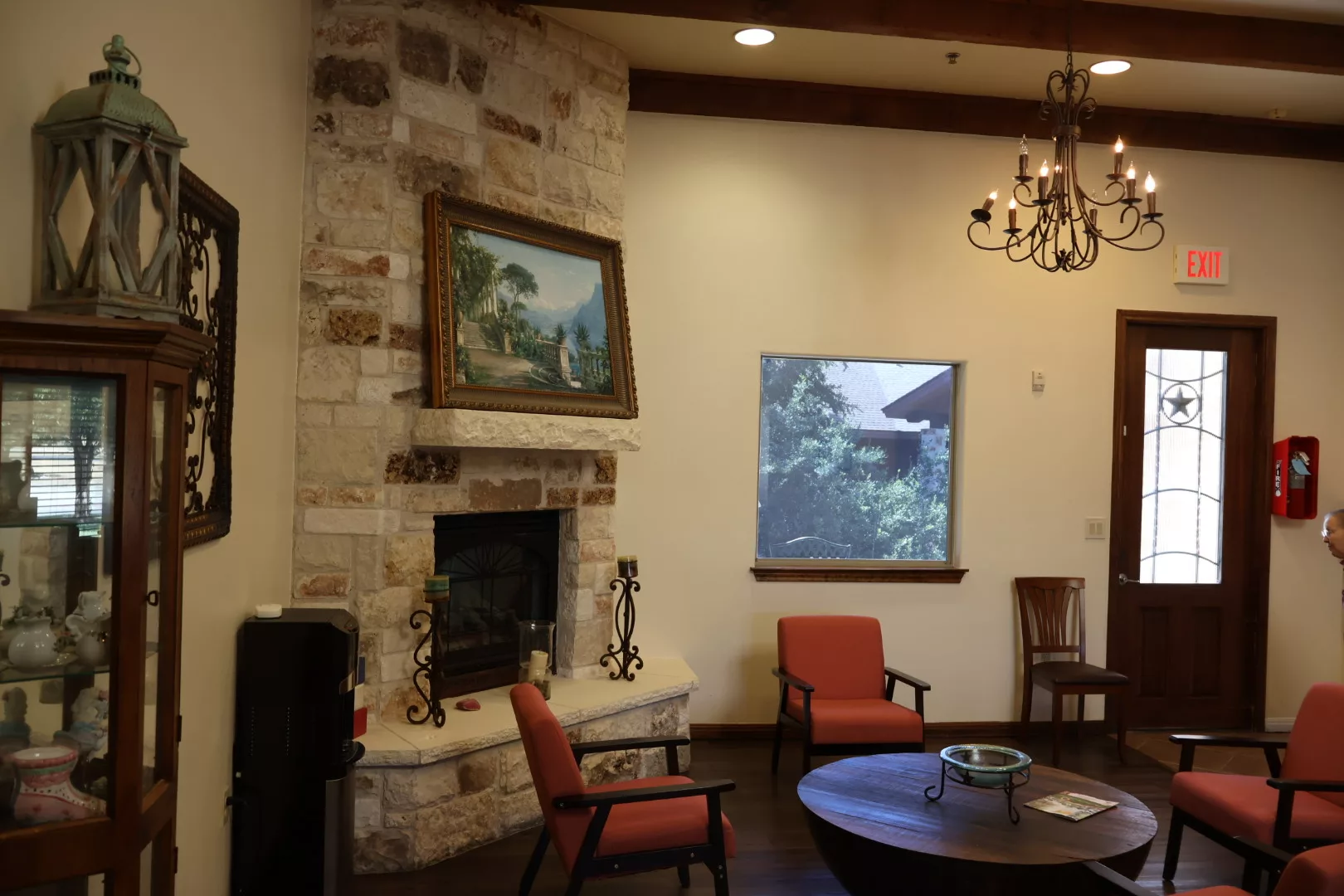
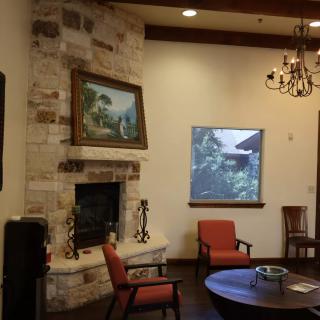
    A cozy living room with a stone fireplace, chandelier, and seating area.

Rocky Hollow Lake House in Georgetown, TX

1650 CR245, Georgetown, TX 78633

For more information about senior living options: (844) 490-3973

4.7 from 102 reviews
5 stars
89
4 stars
6
3 stars
0
2 stars
3
1 stars
4

Board and Care Home Memory Care

Rocky Hollow Lake House Costs & Pricing

At Rocky Hollow Lake House, the monthly costs for accommodations are reflective of both the local and state averages, offering a competitive option for prospective residents. For a semi-private room, the rate is set at $4,500, which is notably higher than Williamson County's average of $4,006 but slightly lower than the broader Texas state average of $3,680. In contrast, those opting for a private room will pay $4,800 per month; this price also exceeds Williamson County's average of $4,482 and surpasses Texas' statewide average of $4,096. These pricing dynamics suggest that while Rocky Hollow Lake House may be positioned at a premium compared to its immediate county peers and state averages, it potentially offers unique benefits or services that justify the investment in quality care and living experience.

Floor plansRocky Hollow Lake HouseWilliamson CountyTexas
Semi-Private$4,500$4,006$3,680
Private$4,800$4,482$4,096

Overall Review of Rocky Hollow Lake House

Pros

  • pro The staff are friendly, attentive, and genuinely care for the residents.
  • pro The environment feels like home: clean, quiet, and welcoming.
  • pro Maddi is awesome and a great addition to the team.
  • pro Families feel peace of mind knowing their loved ones are well cared for.
  • pro The facility is beautifully maintained with ample outdoor spaces.
  • pro The new ownership has improved the atmosphere and the quality of care.
  • pro The memory care programs provide compassionate, individualized care that respects residents.
  • pro Residents are thriving, engaged, and cared for with dignity.
  • pro The dining areas and rooms are spacious, clean, and inviting.
  • pro The staff consistently demonstrate kindness, compassion, and dedication.

Cons

  • pro Some reviewers say Mercy House staff are standoffish and fake, the meals are slop, and their loved ones seem to get sicker, advising not to place a relative there.
  • pro A reviewer claimed Rocky Hollow Lake House overmedicated their father, with two overdoses in the first month and his death within two months, and strongly advised not to bring anyone you care about there.
  • pro One reviewer found Rocky Hollow Lake House poorly run and cluttered, old-fashioned and outdated, a place they wouldn't recommend for a spouse.
  • pro Another reviewer said Rocky Hollow Lake House smelled like a nursing home.
  • pro A reviewer noted that Rocky Hollow Lake House memory care had unlocked rooms and lacked security, feeling more like a bedroom than an apartment.
  • pro Some reviewers complained that meals are not prepared on site and are of poor quality.
  • pro Several reviewers criticized staff for not speaking English fluently, making communication difficult for residents.
  • pro Some reviewers described Rocky Hollow Lake House as older with small, unappealing rooms and outdated d?cor.

Review

Rocky Hollow Lake House Mercy House in Georgetown, TX is best suited for families seeking a warm, memory-care?leaning assisted living environment where care feels deeply personal and the setting resembles a family home more than a facility. The community shines for residents with dementia or cognitive decline who benefit from daily structure, meaningful activities, and steady medical oversight delivered in a calm, home-like atmosphere. It serves well those who want direct access to on-site professionals, regular family communication, and an environment that emphasizes dignity and connection. Those prioritizing independent living, a newer or more clinical campus, or restaurant-grade dining without a strong emphasis on memory care may want to consider alternatives.

On the upside, the strongest pro here is unmistakable: a staff culture that families consistently describe as compassionate, patient-centered, and readily available. The leadership - Maddi, Faez, Donna, and the rest of the team - are repeatedly praised for greeting families warmly, answering questions thoroughly, and tailoring care to individual resident histories and preferences. The property itself reinforces the feeling of home: clean common areas, spacious rooms, landscaped outdoors, shaded courtyards, and even pets that brighten daily life. The memory-care program, supported by on-site nurses, visiting doctors, and routine activities, helps residents stay engaged and connected, a crucial factor for many families weighing dementia care options.

The community's recent transition to Mercy House and the emphasis on a holistic, home-like experience are viewed as meaningful improvements by many families. Reviews repeatedly note a calmer, more welcoming atmosphere, with guests praising the attentive pace of the schedule, the quality of interaction during meals, and the sense that residents are treated with real respect and affection. The availability of in-house amenities - barber/beautician, in-house doctor visits, coordinated activities, and an accessible outdoor space - tends to offset anxieties about the need for constant monitoring and medical support. When families need reassurance during transitions, the facility's responsiveness and transparent communication often turn initial fears into long-term confidence.

Yet there are credible concerns that cannot be ignored. A subset of reviewers reports inconsistent communication or language barriers among staff, which complicates care plans for residents with dementia and can leave families feeling out of the loop. Medication management is another point of vulnerability for some families, with isolated anecdotes about overmedication or abrupt cognitive changes after placement. Dining quality is described as variable - some residents enjoy well-balanced, home-style meals, while others describe food as not always prepared on site or not meeting expectations. A few visitors view the physical plant as older or less polished than newer campuses, and several comments flag the facility as memory-care focused rather than a broader assisted living environment, which can matter for residents who do not require intensive memory support. Even with strong positives, the risk profile is non-negligible for families seeking a uniformly flawless experience.

These pros can offset the cons when viewed through the lens of what matters most to many families: consistent, compassionate care and a stable, supportive daily rhythm. The homey ambiance, robust family communication, and strong memory-care framework help families feel their loved ones are known and valued. The on-site medical support and the emphasis on meaningful routines reduce the sense of risk that often accompanies dementia care in larger, more impersonal campuses. In practice, the facility often delivers on its core promise - treating residents like family and enabling families to visit with confidence - thereby making the tradeoffs for some riskier areas worthwhile.

For families comparing options in Georgetown, two clear alternatives deserve consideration. The Lodge at Rocky Hollow is a smaller, family-owned memory-care-focused setting that prioritizes intimate, 2:1 caregiver-to-resident ratios, private rooms, and a country-house ambiance with a strong emphasis on Alzheimer's care. It offers a more hands-on, tightly supervised environment for residents needing high levels of attention, albeit with fewer on-site medical services and amenities than Mercy House. In contrast, a larger, newer campus may appeal to those seeking more clinical infrastructure, sometimes broader programming, or a different culinary experience. Visiting both types of communities with a detailed checklist will clarify fit.

The bottom-line decision hinges on this: if the priority is a heartfelt, home-like memory-care experience with devoted staff, open family communication, and a warm, engaged daily life, Mercy House Rocky Hollow Lake House stands out as a compelling option. Families should insist on current, specific care plans, staffing schedules, and menus; probe how bilingual communication is handled; and seek recent updates on any prior concerns about medication management or facility upkeep. If independence, modern design, or highly varied non-memory-care programming are non-negotiable, or if a stricter emphasis on medical oversight without the home atmosphere is desired, alternatives - whether a smaller Alzheimer's-focused lodge or a larger campus with broader services - will likely be stronger choices.

Features

Housing

  • Studio apartments Studio apartmentsStudio apartments are important for seniors because they offer a smaller, more manageable living space that is easier to navigate and maintain as physical abilities decline. Additionally, studio apartments provide seniors with independence and privacy while still being part of a community that offers support and social opportunities.

Types of Care

  • Board and Care Home Board and Care HomeBoard and care homes provide a smaller, more intimate setting for seniors who require assistance with daily tasks but do not need the level of care offered by a nursing home. They offer personalized care, meals, and social activities in a homelike environment, ensuring that seniors receive individualized attention and support in their golden years.
  • Memory Care Memory CareMemory care is crucial for seniors as it provides specialized support and services for individuals with dementia or Alzheimer's disease. These programs offer a safe and secure environment where residents receive personalized care, cognitive stimulation, and help with daily activities. Memory care helps seniors maintain their independence, quality of life, and dignity while also providing peace of mind for their families.

Pets

  • Cats allowed Cats allowed"Pet friendly" senior living communities are important for seniors because pets provide companionship, reduce feelings of loneliness and depression, promote physical activity and mental stimulation, and offer a sense of purpose and responsibility. Pets can improve overall well-being and quality of life for seniors in many ways.
  • Dogs allowed Dogs allowed"Pet friendly" senior living communities are important for seniors because pets provide companionship, reduce feelings of loneliness and depression, promote physical activity and mental stimulation, and offer a sense of purpose and responsibility. Pets can improve overall well-being and quality of life for seniors in many ways.

Amenities

  • Activities off-site Activities off-siteEngaging in off-site activities is crucial for seniors to maintain social connections, stay active, and stimulate their minds. It promotes overall well-being and helps combat feelings of isolation and loneliness.
  • Activities on-site Activities on-siteActivities on-site are important for seniors because they provide opportunities for socialization, mental stimulation, physical activity, and overall well-being. Engaging in activities can help seniors stay active, maintain their independence, and improve their quality of life.
  • Air-conditioning Air-conditioningAir conditioning is important for seniors as they are more vulnerable to heat-related illnesses and may have underlying health conditions that make it difficult for them to regulate their body temperature. It helps to keep them comfortable, safe, and healthy in hot weather.
  • Beautician on-site Beautician on-siteHaving a beautician on-site at a senior living community is important for seniors as it allows them to easily access grooming and personal care services, boosting their self-esteem and overall well-being. It also provides convenience and helps seniors maintain their sense of independence and personal style.
  • Cable or satellite TV Cable or satellite TVCable or satellite TV is important for seniors because it provides entertainment, news, and companionship, helping to combat loneliness and boredom. It also offers a wide range of programming options tailored to different interests and preferences.
  • Devotional services off-site Devotional services off-siteDevotional services off-site are important for seniors as they provide spiritual nourishment, social engagement, and a sense of community outside of the senior living facility. This can enhance overall well-being and help combat feelings of isolation and loneliness often experienced by older adults.
  • Devotional services on-site Devotional services on-siteDevotional services on-site provide seniors with spiritual support and a sense of community, as well as an opportunity for reflection and guidance during their senior living experience. This can promote emotional well-being and connection to others, leading to a more fulfilling and enriching lifestyle in their later years.
  • Dining room Dining roomDining rooms are important for seniors as they provide a space for socialization, connection, and nutritious meals. They offer opportunities for residents to bond over shared meals, foster a sense of community, and promote healthy eating habits. Dining rooms also ensure that seniors have access to well-balanced meals tailored to their dietary needs and preferences.
  • Garden GardenGardens are important for seniors as they provide a peaceful and therapeutic environment for relaxation, physical activity, and socialization. Being in nature has been shown to reduce stress, improve mood, and promote overall well-being. Gardens also offer opportunities for seniors to engage in gardening activities, which can improve mobility, flexibility, and cognitive function. Additionally, gardens create a sense of community and connection with others who share a passion for plants and outdoor spaces.
  • Ground floor units Ground floor unitsGround floor units are important for seniors because they provide easy accessibility, reduced risk of falls and injuries, and convenience for those with mobility issues. Seniors can avoid climbing stairs or using elevators, making daily tasks and activities more manageable and enjoyable.
  • Handicap accessible Handicap accessible"Handicap accessible" amenities are crucial for seniors to ensure they can easily navigate and access facilities, services, and activities without barriers or limitations due to physical impairments. This promotes independence, safety, and inclusivity for seniors in senior living communities.
  • Housekeeping services Housekeeping servicesHousekeeping services are important for seniors because they help maintain a clean and safe living environment, promote independence, and reduce the risk of accidents or illnesses. Additionally, having assistance with household chores can alleviate physical strain and allow seniors to focus on other aspects of their well-being.
  • Indoor common areas Indoor common areasIndoor common areas are crucial for seniors as they provide a space for socialization, recreation, and community engagement, promoting overall well-being and reducing feelings of isolation and loneliness.
  • Kitchenette KitchenetteKitchenettes are important for seniors living in senior living communities because they provide the convenience and independence of being able to prepare simple meals and snacks in the comfort of their own living space. This can help promote a sense of autonomy and well-being for seniors, allowing them to maintain some level of control over their dietary choices and daily routines.
  • Laundry LaundryLaundry services are important for seniors as they may have difficulty with physical tasks such as bending, lifting, or carrying heavy loads. Having access to laundry services can help seniors maintain personal hygiene, cleanliness, and independence in their daily lives.
  • Outdoor common areas Outdoor common areasOutdoor common areas are important for seniors as they provide a space for socialization, physical activity, and relaxation. Being outside in nature can improve mood and overall well-being, while also encouraging movement and engagement with others. These spaces can help combat feelings of isolation and promote a sense of community among residents.
  • Party space Party spaceHaving access to party space is important for seniors as it provides opportunities for socialization, connection, and enjoyment. These spaces allow seniors to celebrate special occasions, host gatherings with friends and family, and participate in community events, enhancing their overall well-being and quality of life.
  • Private PrivatePrivacy is important for seniors as it allows them to maintain their independence, dignity, and sense of control over their own lives. It also gives them the space and freedom to relax, reflect, and engage in activities that bring them joy and fulfillment. Creating private spaces within senior living facilities is crucial for promoting overall well-being and quality of life.
  • Private bathrooms Private bathroomsPrivate bathrooms are important for seniors in senior living communities because they provide independence, dignity, and comfort. Having a private bathroom allows seniors to maintain their personal hygiene routines without the need for assistance, promoting a sense of autonomy and privacy. Additionally, private bathrooms help prevent the spread of infections and provide a safe and clean environment for seniors to navigate safely.
  • Respite or short term stays offered Respite or short term stays offeredRespite or short term stays provide seniors with a temporary solution when their regular caregiver is unavailable, offering them the opportunity to receive additional care and support during times of need, while also giving caregivers a chance to rest and recharge.
  • Wheelchair accessible showers Wheelchair accessible showersWheelchair accessible showers are crucial for seniors as they provide a safe and independent bathing option for those with mobility challenges. These showers help prevent falls and allow seniors to maintain their dignity and autonomy while ensuring they can bathe comfortably.
  • Wi-Fi/high-speed internet available Wi-Fi/high-speed internet availableWi-Fi/high-speed internet is important for seniors to stay connected with loved ones, access online resources, and participate in virtual activities to combat feelings of loneliness and isolation. It also allows them to easily manage healthcare needs, access entertainment, and engage in lifelong learning opportunities.

Transportation

  • Robert Gray AAF (22 miles away) Robert Gray AAF (22 miles away)
  • Transportation & parking Transportation & parkingTransportation and parking are vital for seniors as they offer access to essential services, activities, and social interactions. Reliable transportation options can help seniors maintain independence, stay connected within their community, and enjoy a higher quality of life. Additionally, convenient parking facilities ensure that seniors can easily access necessary resources and amenities without added stress or difficulty.

Care Services

  • Diabetic care Diabetic careDiabetic care is crucial for seniors as they are more susceptible to developing diabetes due to aging and other health conditions. Proper management of diabetes can help prevent complications such as heart disease, vision loss, and nerve damage, improving the overall quality of life for seniors in senior living communities.
  • High acuity care High acuity careHigh acuity care is important for seniors because it provides specialized medical attention and support for individuals with complex medical needs. This level of care ensures that seniors receive the appropriate treatment and assistance to maintain their health and quality of life as they age.
  • Incontinence care Incontinence careIncontinence care is essential for seniors to maintain their dignity, hygiene, and overall quality of life. By addressing incontinence issues promptly and effectively, seniors can enjoy a sense of independence and comfort in their daily activities.
  • Medication management Medication managementMedication management is crucial for seniors to ensure they are taking the right medications at the correct dosages and times. This helps prevent adverse drug interactions, reduces the risk of medication errors, and promotes overall health and well-being. Proactive management also allows for adjustments as needed based on changing health conditions or new prescriptions.
  • Walking wheelchair assistance Walking wheelchair assistanceWalking wheelchair assistance is vital for seniors as it helps them maintain their independence and mobility. It provides support and stability, allowing them to safely navigate their surroundings and engage in daily activities without fear of falling or injury. This assistance can significantly improve their quality of life and overall well-being.

Dining

  • Gluten-free Gluten-freeGluten-free options are important for seniors as they are more prone to digestive issues and dietary sensitivities. Offering gluten-free meal choices in senior living communities can help improve their overall health and well-being.
  • Guest meals Guest mealsGuest meals are important for seniors living in senior living communities because they provide an opportunity for socialization and companionship. Sharing a meal with friends, family, or new acquaintances can help combat feelings of loneliness and isolation, promote a sense of community, and enhance overall well-being. Additionally, guest meals allow seniors to enjoy delicious food in a comfortable setting without the hassle of cooking or cleaning up, making dining a pleasurable and stress-free experience.
  • Low / no sodium Low / no sodiumLow/no sodium options are important for seniors because excessive sodium intake can lead to high blood pressure, heart disease, and other health issues commonly experienced by older adults. By choosing low/no sodium foods, seniors can better manage their health and reduce their risk of developing these conditions.
  • Meals provided Meals provided"Meals provided" are crucial for seniors in assisted living communities as it ensures they have access to nutritious, balanced meals without the stress of meal planning and preparation. This can help promote overall health and well-being for seniors who may have limited mobility or cognitive abilities.
  • No Sugar No SugarNo sugar diets are important for seniors because they can help prevent or manage chronic conditions such as diabetes, heart disease, and obesity. Sugar can also contribute to cognitive decline and inflammation in the body, so reducing sugar intake can lead to overall improved health and well-being in older adults.
  • Professional chef Professional chefProfessional chefs are important for seniors living in senior living communities because they provide nutritious and delicious meals that cater to their dietary needs and preferences. A professional chef can ensure that seniors are receiving balanced, flavorful meals that support their overall health and well-being.
  • Special dining programs Special dining programsSpecial dining programs are important for seniors because they provide nutritious meals tailored to their dietary needs and preferences. These programs also offer socialization opportunities, promote overall health and well-being, and can help prevent malnutrition.
  • Vegan VeganVegan diets can provide numerous health benefits for seniors, including lower risk of chronic diseases, improved digestion, and increased energy levels. Additionally, plant-based diets are often rich in essential nutrients that can support overall well-being and longevity in older adults.

Activities

  • Activities off-site Activities off-siteEngaging in off-site activities is crucial for seniors to maintain social connections, stay active, and stimulate their minds. It promotes overall well-being and helps combat feelings of isolation and loneliness.
  • Art classes Art classesArt classes are important for seniors because they provide a creative outlet, improve cognitive function, reduce stress and anxiety, promote socialization, and enhance overall well-being and quality of life.
  • Catholic services Catholic servicesCatholic services are important for seniors because they provide spiritual support, a sense of community, and opportunities for social interaction that can enhance overall well-being and quality of life in their later years.
  • Cooking classes Cooking classesCooking classes are important for seniors as they provide opportunities for social interaction, enhance cognitive skills, promote healthy eating habits, and boost confidence in the kitchen.
  • Day trips and outings Day trips and outingsDay trips and outings are important for seniors as they provide opportunities for socialization, mental stimulation, physical activity, and a break from daily routines. These experiences can enhance overall well-being and quality of life for older adults living in senior communities.
  • Devotional activities offsite Devotional activities offsiteDevotional activities offsite are important for seniors because they provide social engagement, spiritual growth, and a sense of community outside of their living environment. This can improve overall well-being, mental health, and combat feelings of isolation or loneliness.
  • Devotional activities on-site Devotional activities on-siteDevotional activities on-site provide seniors with a sense of community, spiritual fulfillment, and emotional support, promoting overall well-being and a positive sense of purpose in their lives.
  • Jewish services Jewish servicesJewish services are important for seniors as they provide a sense of community, spiritual support, and connection to their heritage and traditions. These services help enhance overall well-being and quality of life for older adults in senior living settings.
  • Live well programs Live well programs"Live well programs are essential for seniors as they provide opportunities for physical activity, social engagement, and mental stimulation, ultimately promoting overall health and well-being in later years."
  • Mormon/LDS services Mormon/LDS servicesMormon/LDS services are important for seniors as they provide a sense of community, spiritual support, and connection to their faith during their later years. These services offer opportunities for socialization, worship, and guidance in navigating the challenges of aging.
  • Other religious services Other religious servicesOther religious services are important for seniors as they provide a sense of community, spiritual comfort, and opportunities for socializing. These services can help seniors feel connected to their faith and maintain a sense of purpose and belonging in their later years.
  • Protestant services Protestant servicesProtestant services are important for seniors because they provide spiritual nourishment, community support, and a sense of belonging. These services can help seniors connect with others who share their faith, find comfort and guidance in times of need, and maintain a sense of purpose and fulfillment in their later years.
  • Religious services Religious servicesReligious services provide seniors with a sense of community, support, and spiritual fulfillment, which can improve their overall well-being and mental health. It also offers them opportunities for socialization and connection with others who share their beliefs.
  • Visiting Rabbi Visiting Rabbi"Visiting rabbis provide spiritual and emotional support to seniors in assisted living communities, helping them connect with their faith, find comfort in times of need, and maintain a sense of community and belonging."
  • Visiting chaplain or priest Visiting chaplain or priestHaving a visiting chaplain or priest at a senior living community is important for seniors because it provides spiritual support, comfort, and guidance during a time of life that can be challenging and uncertain. Their presence can help seniors feel connected to their faith, find peace of mind, and cope with the emotional and mental struggles they may face in their later years.

Languages Spoken

  • English EnglishEnglish is important for seniors as it allows them to communicate effectively with healthcare providers, understand important information related to their health and medications, stay connected with loved ones, and engage in social activities within their communities. It also opens up opportunities for lifelong learning and intellectual stimulation.

Description

Rocky Hollow Lake House in Georgetown, TX is an assisted living community that specializes in providing memory care to its residents. The community offers a range of amenities and care services to ensure the comfort and well-being of its residents.

The community features various on-site activities to keep residents engaged and entertained. Additionally, there are indoor and outdoor common areas where residents can socialize and enjoy the beautiful surroundings. A garden is available for those who appreciate nature, while a party space is offered for special events and celebrations.

Each living space at Rocky Hollow Lake House is equipped with air-conditioning to provide a comfortable environment for all residents. Handicap accessible units are available to accommodate individuals with mobility challenges, and private bathrooms are provided for personal convenience. Wi-Fi/high-speed internet is also offered throughout the community.

Residents can take advantage of housekeeping services to maintain clean living spaces, while laundry services ensure that their clothing and linens are kept fresh. Transportation services are available for appointments or outings, making it easy for residents to stay active in the local community.

The community provides high acuity care for individuals with advanced medical needs, as well as assistance with incontinence management. Medication management services help ensure that medications are administered properly and on time. Walking wheelchair assistance is also available as needed.

Dining at Rocky Hollow Lake House is carefully catered to meet various dietary requirements. Guest meals can be arranged for family or friends visiting residents, while low/no sodium options cater to specific health needs. Meals are provided by a professional chef who prepares delicious dishes using quality ingredients. Special dining programs such as vegan or no sugar options are available upon request.

In terms of activities, Rocky Hollow Lake House offers a diverse range of options tailored to each resident's interests and religious preferences. From art classes and cooking classes to day trips and outings, there is always something exciting happening within the community. Devotional activities off-site as well as on-site cater to different religious affiliations, including Catholic, Jewish, Mormon/LDS, and Protestant services. A visiting Rabbi and chaplain or priest are available for spiritual support.

Additionally, the community is conveniently located near parks and pharmacies, ensuring easy access to recreational spaces and healthcare resources.

Overall, Rocky Hollow Lake House provides a nurturing environment where individuals with memory care needs can receive exceptional care and enjoy a fulfilling lifestyle.

Nearby Places of Interest

This area of Georgetown, Texas offers a variety of amenities and services that may be beneficial for seniors looking to relocate. With multiple pharmacies within close proximity, access to healthcare and medications is convenient. Additionally, there are several parks nearby for outdoor recreation and relaxation, as well as a range of restaurants and cafes for dining options. For medical needs, there are physicians and hospitals available in the area. Places of worship can provide spiritual support, and entertainment options include a local theater for cultural experiences. Transportation services are also accessible for those needing to travel locally or beyond. Overall, this part of Georgetown offers a well-rounded community with resources to support senior living needs.

Pharmacies

  • Texas Task Management (3.4 miles)
  • Walgreens (3.7 miles)
  • Baylor Scott & White Pharmacy #202 (4 miles)
  • CVS Pharmacy (5.6 miles)
  • Walgreens (7.4 miles)
  • Gallagher's Pharmacy (7.9 miles)
  • Walmart Pharmacy (8.8 miles)

Parks

  • Jim Hogg Park (4 miles)
  • Berry Springs Park (9 miles)
  • San Gabriel Park (9 miles)
  • San Gabriel Park (9.1 miles)
  • Williamson County Regional Park (12.8 miles)
  • Lakewood Park (13 miles)
  • Robin Bledsoe Park (13.5 miles)

Restaurants

  • Whataburger (5.6 miles)
  • 2020 Market Scratch Kitchen & Bar (8.5 miles)
  • Plaka Greek Cafe (8.7 miles)
  • McDonald's (8.9 miles)
  • Rentsch Brewery (8.9 miles)
  • Sonic Drive-In (9 miles)
  • Chick-Fil-A (9.1 miles)

Physicians

  • Texas Vision (6.1 miles)
  • Physicians Center Pa (6.9 miles)
  • Georgetown Kids (7 miles)
  • Family Medicine (7.5 miles)
  • San Gabriel Eye Center (8.4 miles)
  • Soileau, Michael Texas Movement Disorder Specialists (8.7 miles)
  • Total Men's Primary Care (8.7 miles)

Cafes

  • HTeaO (7.4 miles)
  • Koffe Cafe (8.1 miles)
  • Starbucks (9.2 miles)
  • Monument Cafe (9.4 miles)
  • Perky Beans Coffee (9.7 miles)
  • Red Brick Java (9.7 miles)
  • Mojo Coffee (9.7 miles)

Transportation

  • Georgetown Municipal Airport (7.5 miles)
  • U-Haul Neighborhood Dealer (9.9 miles)
  • MetroRail - Leander Station (11.9 miles)
  • Fault Line Flyers (12.9 miles)

Hospitals

  • Lone Star Circle Of Care (7.9 miles)
  • Georgetown Healthcare System (9.8 miles)
  • Scott & White Hospital (13.7 miles)

Places of Worship

  • Grace Episcopal Church (10.2 miles)
  • Southern Baptist Convention (10.4 miles)
  • Sonterra Fellowship (11.7 miles)
  • Pentecostal Lighthouse (11.7 miles)
  • Southern Baptist Convention (12.2 miles)
  • First Baptist Church Of Weir (12.2 miles)
  • Southern Baptist Convention (13.5 miles)

Theaters

  • Cinemark 14 Round Rock (13.6 miles)

Frequently Asked Questions

How much does it cost to live at Rocky Hollow Lake House in Georgetown, TX?
What floor plans and room types does Rocky Hollow Lake House offer?
Where is Rocky Hollow Lake House?
Does Rocky Hollow Lake House provide care for residents with dementia or Alzheimer's disease?
Does Rocky Hollow Lake House allow residents to have pets?
What photos are available for Rocky Hollow Lake House in Georgetown, Texas?

Nearby Communities

  • Rocky Hollow Lake House Assisted Living & Memory Care

    Rocky Hollow Lake House Assisted Living & Memory Care

    Georgetown, TX


    pro 24/7 supervision with memory care and medication management; move-in coordination; comprehensive amenities.


  • Rocky Hollow Lake House

    Rocky Hollow Lake House

    Georgetown, TX

    4.5 from 99 reviews
    $4,900 to $5,500 / month

    pro Friendly staff, pleasant outdoor spaces, and engaging activities.

  • Tiffin House II

    Tiffin House II

    Georgetown, TX

    4.9 from 54 reviews
     

    pro 24-hour supervision with daily living assistance and medication management.

  • Tiffin House

    Tiffin House

    Georgetown, TX

    4.9 from 90 reviews
    $3,950 to $5,900 / month

    pro Compassionate, family-like care from attentive staff in a warm, home-like setting.

  • The Hacienda At Georgetown

    The Hacienda At Georgetown

    Georgetown, TX


    pro Comprehensive care options (Independent Living, Assisted Living, Memory Care) with 24/7 safety and engaging activities.

  • Sun City Texas

    Sun City Texas

    Georgetown, TX

    5 from 5 reviews
     

    pro Friendly staff, well-maintained grounds, and diverse activities.

  • Merritt Heritage Senior Village

    Merritt Heritage Senior Village

    Georgetown, TX

    4.7 from 29 reviews
    $1,049 to $1,470 / month

    pro Ideal location with well-maintained units, abundant amenities, and a welcoming community.

  • The Delaney at Georgetown Village

    The Delaney at Georgetown Village

    Georgetown, TX

    4.7 from 192 reviews
    $3,412 to $5,200 / month

    pro Caring, friendly staff in an elegant, well-maintained setting with engaging activities and restaurant-style dining.

  • The Wesleyan At Estrella Assisted Living

    The Wesleyan At Estrella Assisted Living

    Georgetown, TX

    4.4 from 16 reviews
    $4,425 to $5,550 / month

    pro Engaging activities and friendly, caring staff with dedicated memory-care options.

Related Resources

  • active senior livingVibrant Senior Living: A Comprehensive Guide for Active Older Adults

    Vibrant Senior Living emphasizes active senior living communities that promote independence and engagement through diverse amenities and activities, fostering wellness and social interaction among older adults. These communities range from independent to assisted living, with a focus on personal growth, family involvement, financial planning, and leveraging technology to enhance residents' experiences.

  • assisted living vs memory careAssisted Living and Memory Care: Understanding Their Core Differences

    Assisted living provides moderate support for seniors seeking independence, while memory care offers specialized support for individuals with dementia or cognitive impairments through structured routines and trained staff. Key differences include care approaches, environment security measures, staff training levels, activity types, and cost considerations.

  • assisted living vs nursing homeChoosing the Right Senior Care: A Detailed Exploration of Assisted Living and Nursing Homes
    Choosing between assisted living and nursing homes involves evaluating emotional and financial factors, with assisted living offering independence and support for daily activities at a lower cost, while nursing homes provide intensive medical care for individuals with significant health needs. The decision is influenced by personal preferences, health status, cognitive function, and varying Medicaid coverage across states.