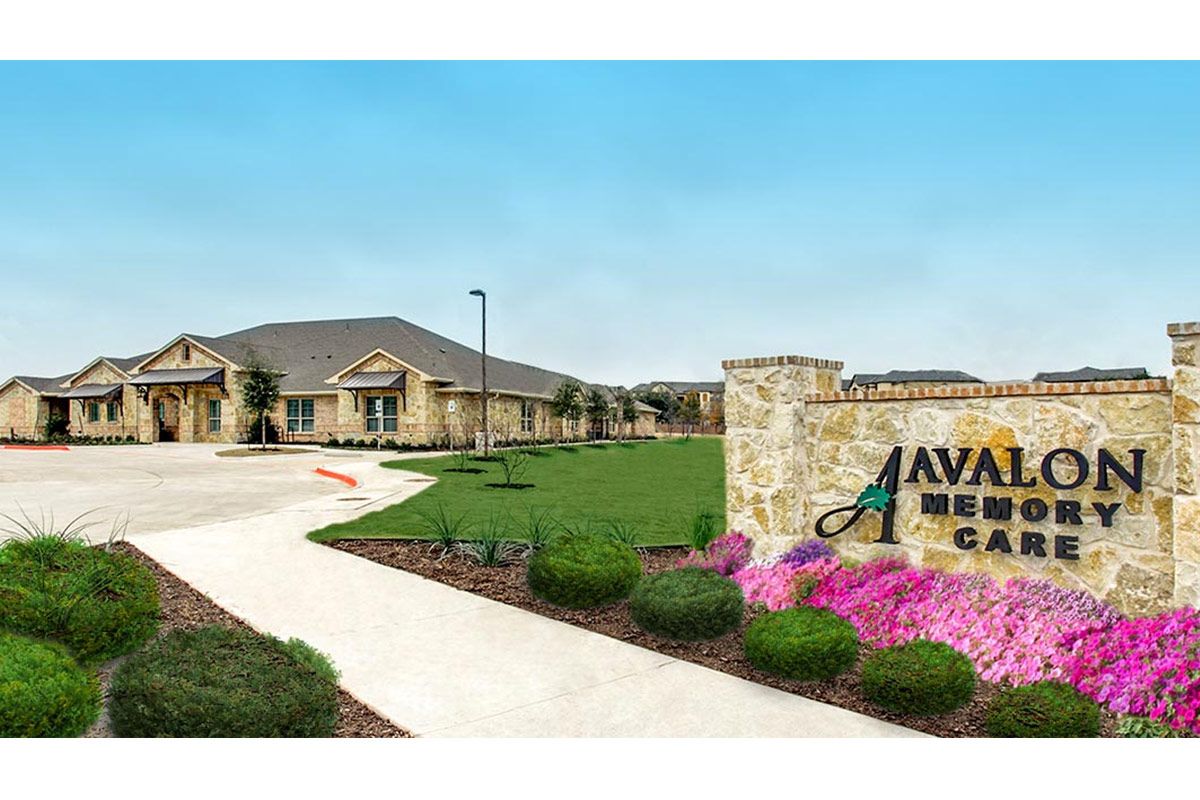
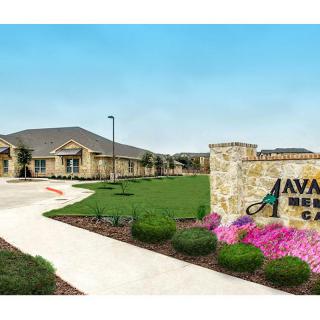
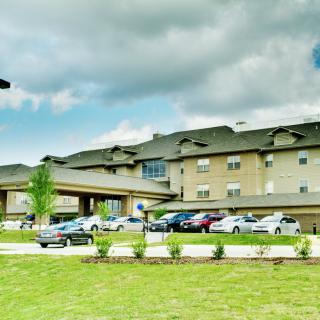
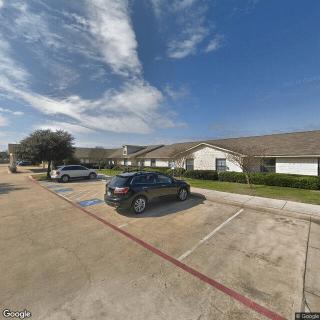
2215 South Lakeline, Cedar Park, TX 78613
For more information about senior living options: (866) 208-4318
Overall Review of Avalon Care Group Cedar Park I
Pros
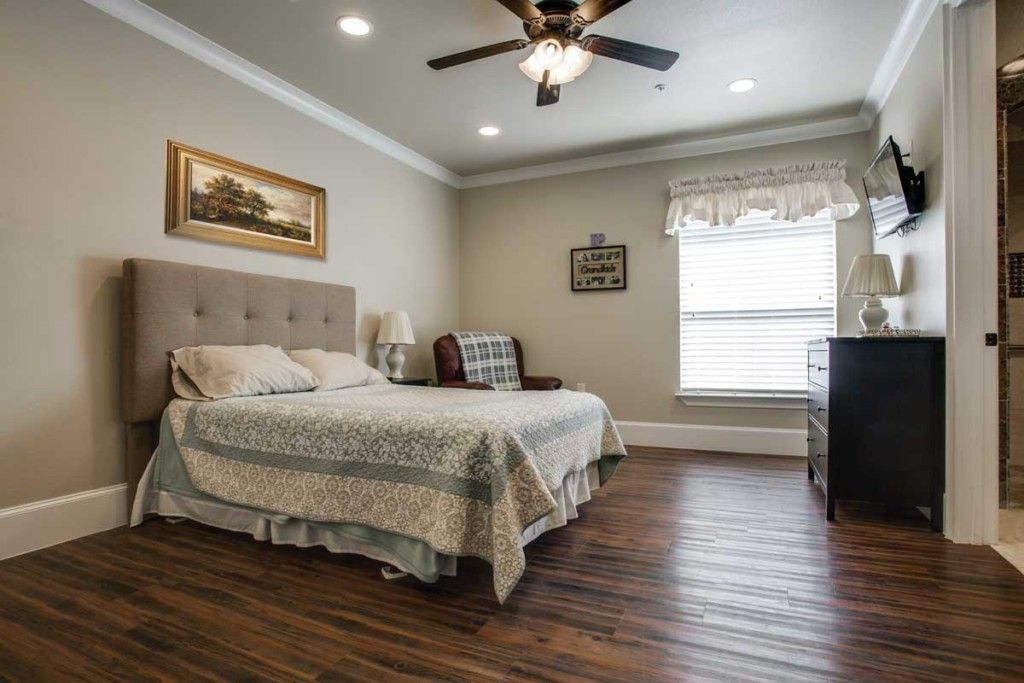
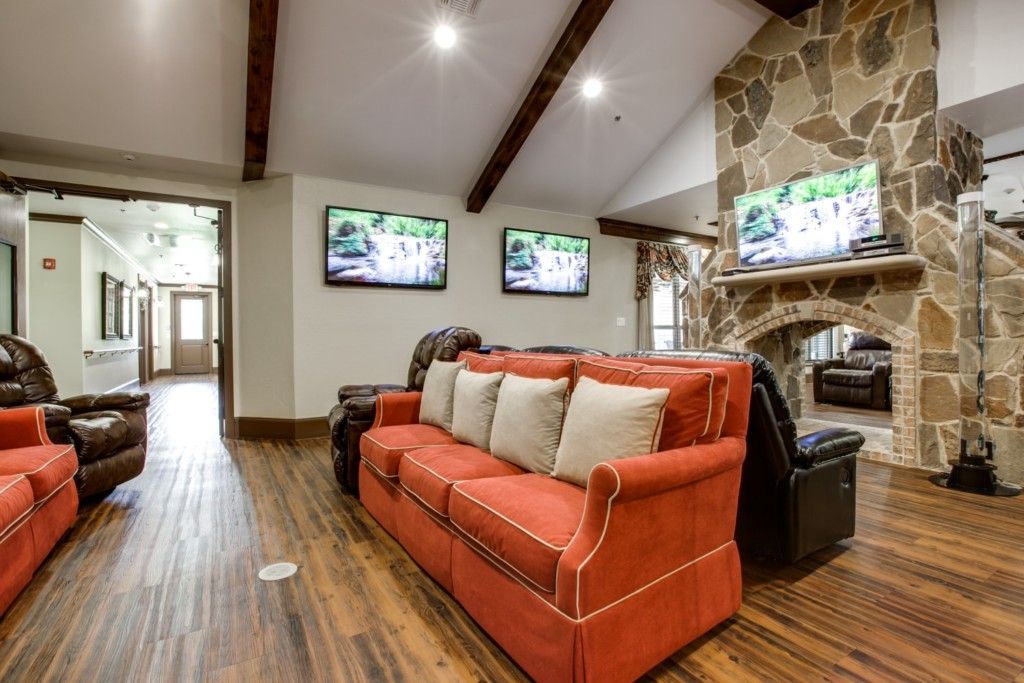
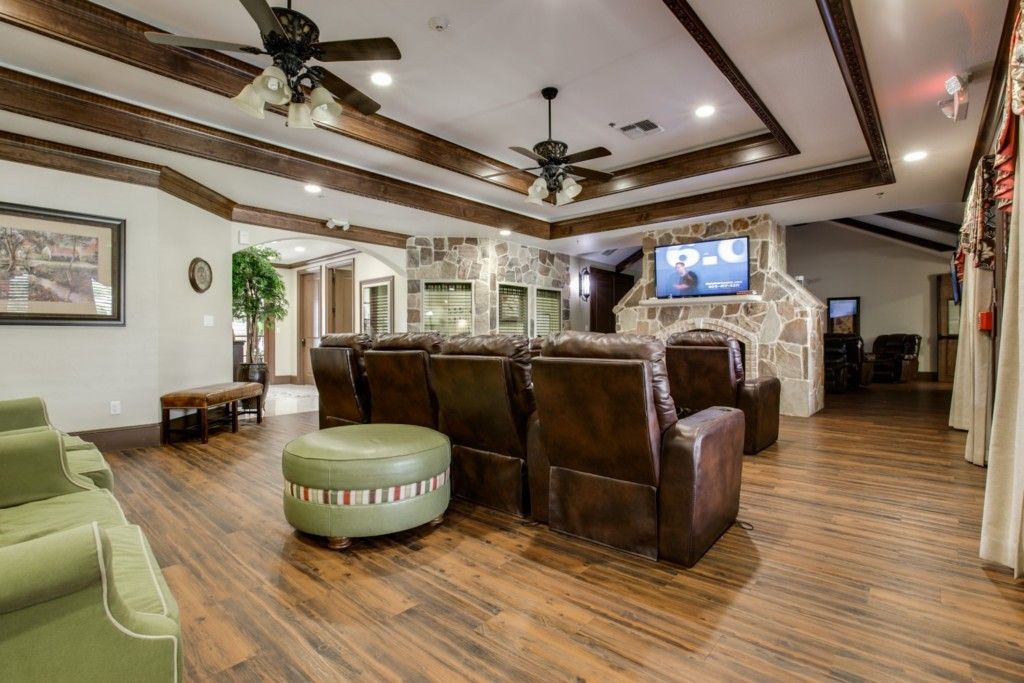
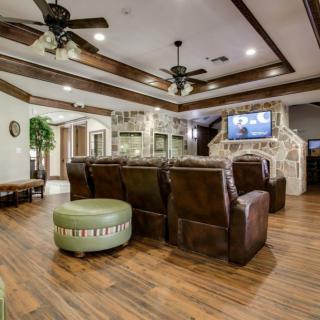
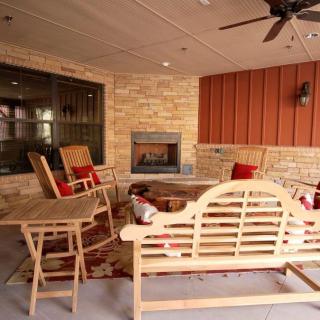
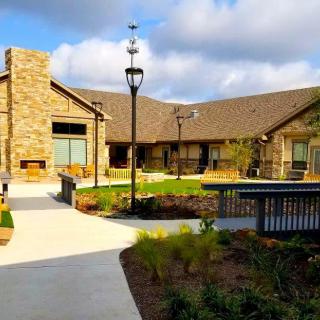
 Avalon Memory Care is described as a warm, home-like environment rather than a cold facility.
- The staff are cheerful, helpful, and responsive to residents’ needs and preferences.
- They quickly get to know residents, speak to them by name, and treat them with dignity and respect.
- Families feel confident in their choice and often call Avalon the best memory care option.
- The care is compassionate and patient, with staff going above and beyond to show genuine affection.
- Residents are engaged, well cared for, and kept in a clean, comfortable setting.
- The owners and front-line caregivers are deeply involved, making Avalon feel like a true home for loved ones.
Cons
 During Nanna’s time at other facilities she was very unhappy to be away from home.
- There is such a negative connotation with "putting your parents in a home" but that's unfortunate and unfair.
Review
Avalon Care Group Cedar Park I is best suited for families seeking a memory-care focused environment that feels like home more than a clinical campus. This community shines for residents who need daily, deliberate memory-support, structured social interaction, and highly attentive staff who treat residents with dignity and personal warmth. It is a setting where routines are predictable, the atmosphere is intimate, and caregivers actively engage in individual histories, preferences, and meaningful activities. In short, it serves as a practical, peace-of-mind solution for families navigating memory impairment and wanting a tight-knit, hands-on care team.
Those who should consider alternatives are families facing higher needs than memory care can comfortably accommodate. If a loved one requires robust 24/7 skilled nursing, complex medical interventions, or a wider array of hospital-level services, a larger campus with broader clinical capabilities may be prudent. Similarly, if the priority is aggressive rehab programs, a broader activity slate, or a setting that feels less like a home and more like a traditional care facility, exploring other options would be wise. The Cedar Park location excels precisely because of its specialized, intimate approach, not because it attempts to be everything to everyone.
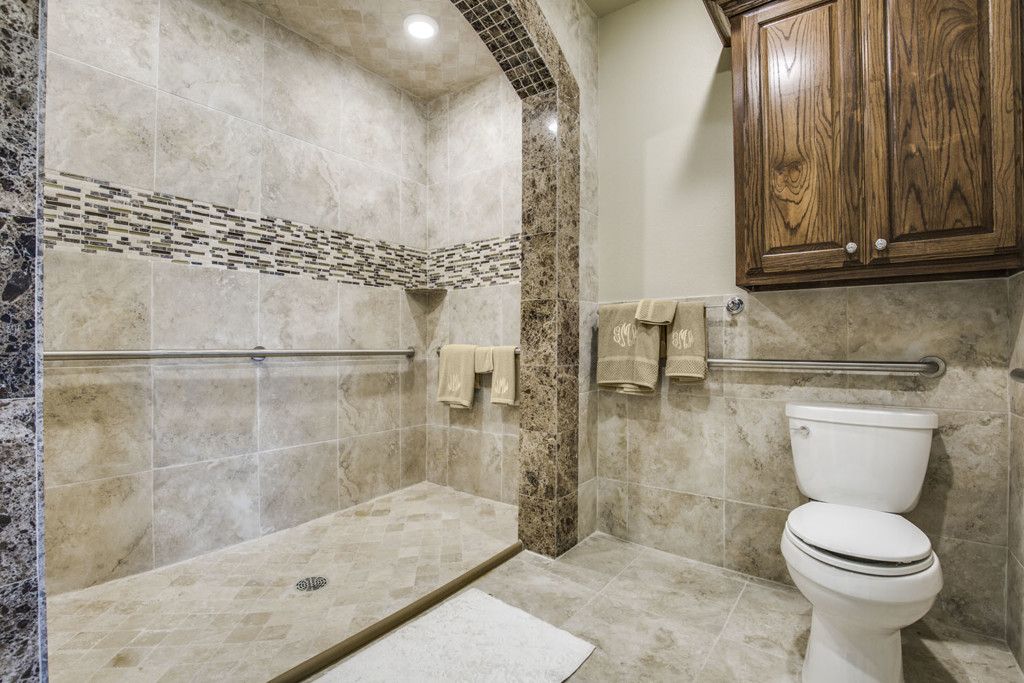
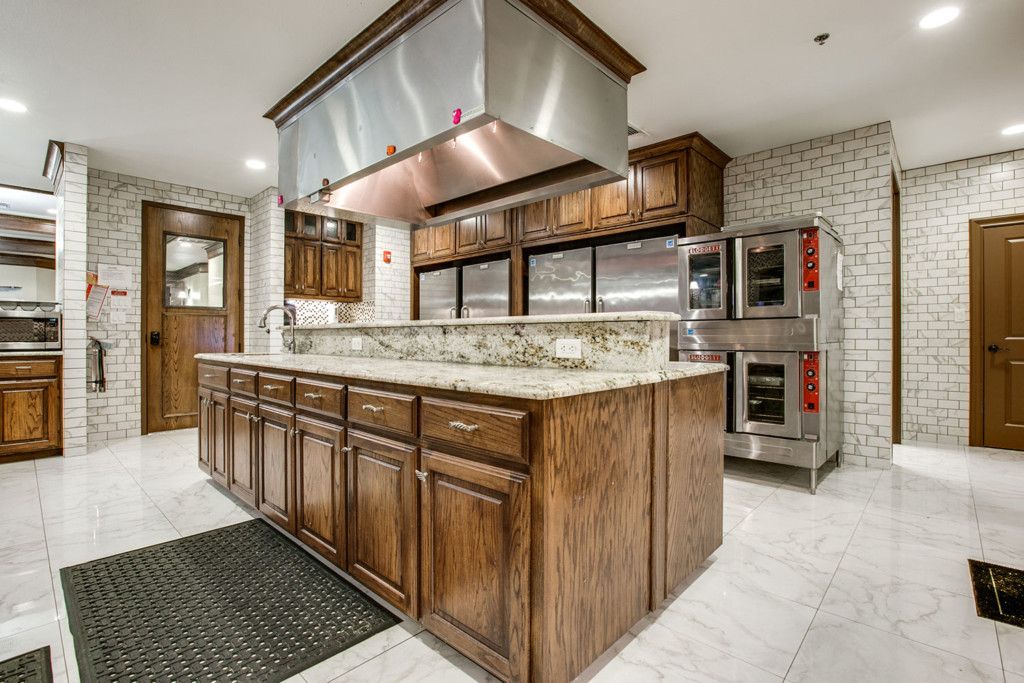
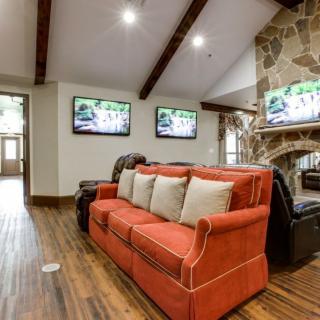
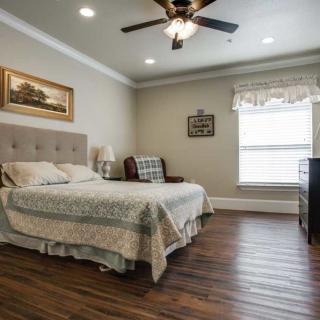
The strongest positives, cleanliness and a welcoming, open layout; a home-like, not hospital-like, ambiance; and a staff culture that visibly leads with kindness, form a compelling case for Avalon. Residents are greeted by smiling caregivers who quickly learn names and preferences, and families consistently report that staff go beyond routine duty to engage residents in activities, songs, games, and shared meals. The memory-care expertise is repeatedly praised: caregivers demonstrate patience, tenderness, and steadiness in moments that often challenge families, and leaders like the ED are described as deeply involved, guiding care decisions and team performance with genuine investment. These elements create not only comfort but continuity, which is priceless for people dealing with memory loss and their relatives.
Where the model is strongest, it also naturally threads into practical realities. The small, community-like scale supports consistent staffing and meaningful relationships, which in turn reduces the turnover risk families fear when placing a loved one in care. The daily life at Avalon, family-style meals, lively group activities, and opportunities for family participation, helps residents stay connected and engaged, even as memory challenges progress. Even during difficult moments, families report that staff respond with the kind of attention that eases fear and preserves a sense of normalcy. The personal stories, from staff who sit with residents to help with TV setup, to caregivers who celebrate birthdays with small gifts, illustrate a culture where care feels personal and sustainable.
Nonetheless, the most defensible critique of any specialized setting is whether it can scale to every clinical need. Avalon’s tight-knit, memory-focused model may not satisfy those expecting wide-ranging medical services beyond daily care, advanced therapies, or extensive hospital-level oversight. Families should verify the exact scope of medical attention, available therapies, and how care plans adapt as needs evolve. It is reasonable to anticipate that the litmus test for suitability will be whether a loved one’s care plan requires more than memory-support and daily supervision, rather than a lack of compassion or capability on the part of the staff.
In the end, Avalon Cedar Park I delivers a practical, emotionally intelligent solution for memory-care placement. It is especially strong for families who value a compassionate, home-like setting, dedicated memory-care expertise, and a staff culture that treats residents like family. The main caveat is the same tradeoff that comes with a small, specialized facility: if broader medical services or a more varied activity portfolio are priorities, alternatives should be weighed. For families prioritizing warmth, dignity, and intentional daily engagement, this community represents a compelling and trustworthy choice.
 32 resident community capacity
 Memory Care
 Beauty salon
 Cable or satellite TV
 Dining room
 Fully furnished
 Garden
 Housekeeping services
 Kitchenette
 Move-in coordination
 Outdoor space
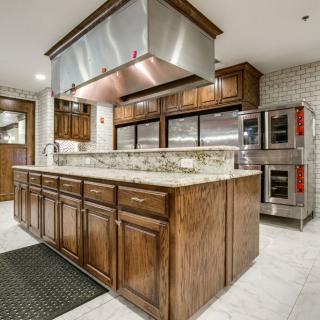
 Restaurant-style dining
 Small library
 Telephone
 Wi-Fi/high-speed internet available
 Austin-Bergstrom International (22 miles away)
 24-hour call system
 Activities of daily living assistance
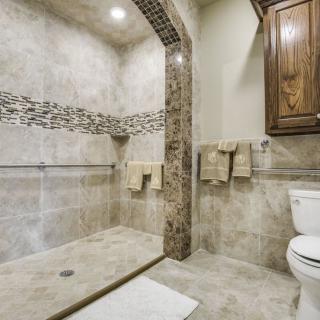
 Assistance with bathing
 Assistance with dressing
 Assistance with transfers
 Diabetes diet
 Medication management
 Mental wellness program
 Special dietary restrictions


 When to Transition from Assisted Living to Memory Care: Key Indicators, Steps, and Finding the Right Community
 Understanding the Distinctions: Assisted Living and Memory Care Explained
 How to Communicate with a Loved One Living with Dementia: 10 Supportive Strategies