
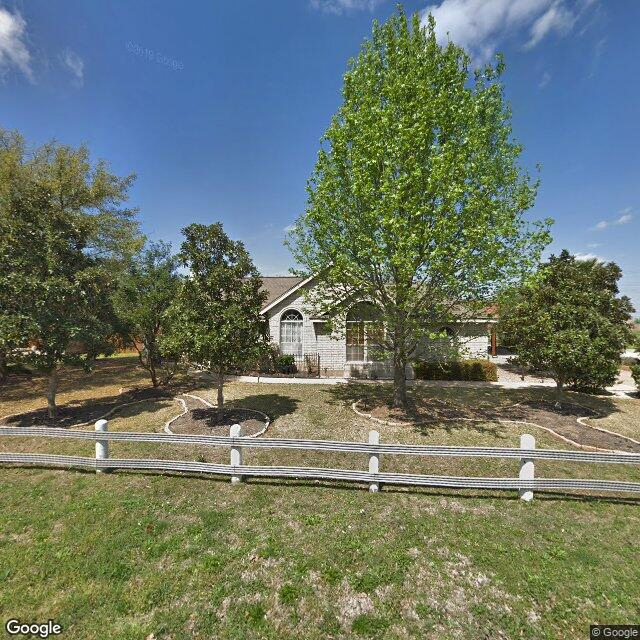
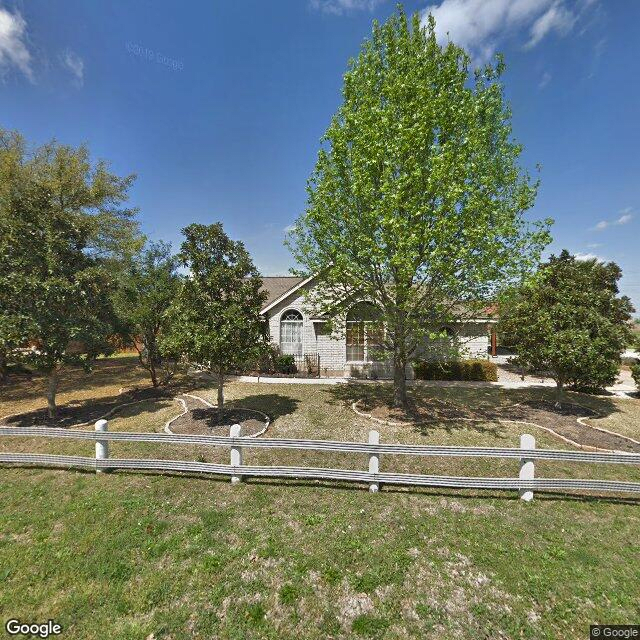
1623 Shenandoah Drive, Cedar Park, TX 78613
To contact a resident: (512) 257-7526
For more information about senior living options: (866) 208-4318
Shenandoah Villa Costs & Pricing
Shenandoah Villa offers competitive pricing for its accommodations compared to both Williamson County and the broader Texas market. For a semi-private room, residents can expect to pay $2,500 per month, which is significantly lower than the county average of $4,006 and the statewide average of $3,680. Similarly, for private rooms, Shenandoah Villa's monthly rate of $3,500 remains attractive against Williamson County's average of $4,482 and Texas's average of $4,096. This cost-effective approach not only underscores Shenandoah Villa's commitment to affordability but also highlights its efforts to provide quality care while making financial accessibility a priority for residents and their families.
| Floor plans | Shenandoah Villa | Williamson County | Texas |
|---|---|---|---|
| Semi-Private | $2,500 | $4,006 | $3,680 |
| Private | $3,500 | $4,482 | $4,096 |
Assisted Living communities with a similar price nearby
-
from +$414 / mo

Maravilla at the Domain
$2,914 / month8.0 miles away -
from +$75 / mo
Wells Point Lodge
$2,575 to $4,300 / month11.0 miles away -
from -$400 / mo
Parsons House Austin
$2,100 to $4,550 / month12.8 miles away -
from +$440 / mo

Brookdale Gaines Ranch
$2,940 to $5,750 / month16.1 miles away -
from -$250 / mo
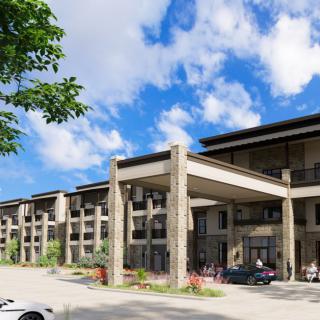
The Oscar at Georgetown
$2,250 to $4,700 / month14.8 miles away
Overall Review of Shenandoah Villa
Pros
 The staff are incredibly kind, attentive, and genuinely connected with residents.
- Shenandoah Villas is a family-owned and operated facility that treats residents like extended family.
- The meals are completely homemade, healthy, and nutritious with whole foods.
- The owner, Zalina, built Shenandoah Villas from the ground up nearly 30 years ago.
- The facility is clean, bright, and maintains a homey atmosphere.
- The meals are freshly made every day and cater to residents’ dietary needs.
- The staff monitor medications carefully, ensuring accurate administration and attention to needs.
- The environment is friendly, structured, and family-oriented with a strong sense of community.
- Families report positive experiences and recommend Shenandoah Villa Assisted Living for caring support.
- The facility provides top-notch care, with residents often described as well cared for and well looked after.
Cons
 Prospective families are advised not to send a loved one there because the staff are unprofessional and only treat residents who are completely independent well.
- The facility allegedly neglected a grandmother by not checking on her from 4:00 p.m. until 7:30 a.m.
- The resident was left in soiled clothes and was not attended to after the door was shut.
- A nurse discontinued certain prescription medications and then placed the grandmother on multiple over-the-counter medications with zero oversight.
- Soiled sheets and clothes were discarded into the bathroom.
- The staff were described as having zero empathy and primarily interested in the monthly payment.
- The facility owner Zalina and her family staff have not provided the care they promised.
Review
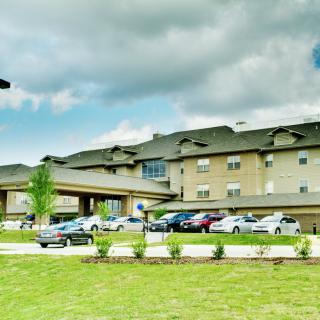
Shenandoah Villa is best suited for seniors who want a true small-house, family-run atmosphere where caregivers feel like extended family and residents are treated with steady, daily consistency. With a ceiling of about 16 residents, the community preserves a home-like vibe, where staff can know each person’s preferences, routines, and dietary needs. The on-site meals are a standout, prepared fresh and designed around whole foods, vegetables, and protein, which matters for balance and enjoyment. The Cedar Park setting and the owner-led model mean families gain direct access to leadership and a sense that care standards come with personal accountability. This is the pick for families prioritizing intimacy, continuity, and a warm, non-institutional daily rhythm.
That focus on intimacy, however, does not mesh with every senior care need. For residents who require robust, around-the-clock nursing oversight, high-acuity medical support, or advanced memory care, alternatives may be more appropriate. The most cautionary note among the reviews is a rare, explicit account of neglect and medication mismanagement, raising a flag for families that value absolute, formalized clinical processes. While the overwhelming majority describe consistently attentive staff and well-managed medications, the small team reality means families should verify current staffing levels, dispersion of responsibilities, and the facility’s protocols for escalating concerns. In short, Shenandoah Villa shines in personal touch but may not be the best match for those needing intensive professional oversight.
The strongest proofs of value lie in the documented strengths: genuinely caring staff, strong caregiver-to-resident attention, and a home-centered daily life. Families consistently praise the staff’s kindness, reliability, and professionalism, plus medication management that is careful and precise. The home-cooked menu, fresh, tasty, and accommodating to dietary restrictions, coupled with a clean, bright, and pleasantly scented environment, reinforces a sense of well-being and dignity. The facility’s structure, regular activities, planned walks, and a rhythm that makes days predictable, helps residents feel secure and engaged. And because Shenandoah Villa is family owned, families often sense a level of responsiveness and accountability not always present in larger operations.
A key balance point is the way pros offset the occasional drawbacks. The intimate setting translates into highly personalized care, with staff who know each resident’s history, preferences, and quirks. Direct access to the owner and senior staff means concerns can be addressed swiftly, and the small, family atmosphere typically supports stronger emotional health and fewer behavioral challenges. The consistent routine and intimate staffing model can reduce anxiety for residents who benefit from familiarity, while the high-quality meals and hospitable environment help preserve dignity during aging. Taken together, these factors produce a strong argument for Shenandoah Villa as a reliable long-term home for suitable residents.
For families deciding where to place a loved one, Shenandoah Villa represents a pragmatic balance: a low-key, warmly operated setting that delivers real care at a reasonable scale and cost. It excels when the goal is steady companionship, daily personal attention, and meals prepared with heart. Pros offset the potential risk of gaps in clinical infrastructure by virtue of hands-on ownership, transparent communication, and a proven track record of compassionate, individualized service. Those who must navigate significant medical complexity or demand a formalized memory-care program should proceed with caution and compare options that offer on-site physicians, more extensive nursing, and a defined dementia-care pathway. Tours and conversations with current residents’ families are essential to confirm fit.
 16 resident community capacity
 Assisted Living
 Board and Care Home
 Respite Care
 Activities on-site
 Air-conditioning
 Beautician on-site
 Cable or satellite TV
 Devotional services off-site
 Dining room
 Fully furnished
 Garden
 Handicap accessible
 Housekeeping services
 Indoor common areas
 Move-in coordination
 Outdoor common areas
 Private
 Telephone
 Wheelchair accessible showers
 Wi-Fi/high-speed internet available
 Austin-Bergstrom International (21 miles away)
 24-hour supervision
 Ambulatory care
 Assistance with bathing
 Assistance with dressing
 Assistance with transfers
 Diabetes diet
 Diabetic care
 High acuity care
 Incontinence care
 Meal preparation and service
 Medication management
 Special dietary restrictions
 Transportation arrangement (medical)
 Transportation to doctors appointments
 Art classes
 Bible study group
 Forever fit
 Live dance or theater performances
 Live musical performances
 Stretching classes
 Wine tasting




 Understanding Medicaid Coverage for Assisted Living: A Comprehensive Guide
 How and When Medicaid May Cover Assisted Living Costs
 A Detailed Exploration of Assisted Living Medicaid Waivers Across the United States