Provident Memory Care in Buda offers competitive pricing for its residential care services when compared to both Travis County and the broader Texas market. For private rooms, the facility charges $3,750 per month, which is notably lower than the average costs of $4,194 in Travis County and $4,096 across Texas. However, for studio accommodations, Provident Memory Care's rate of $4,825 stands higher than both local and state averages, with Travis County priced at $3,999 and Texas at $3,758. This pricing structure may reflect the specialized services and amenities offered at Provident Memory Care Buda, making it a compelling option for families seeking quality memory care in the region.
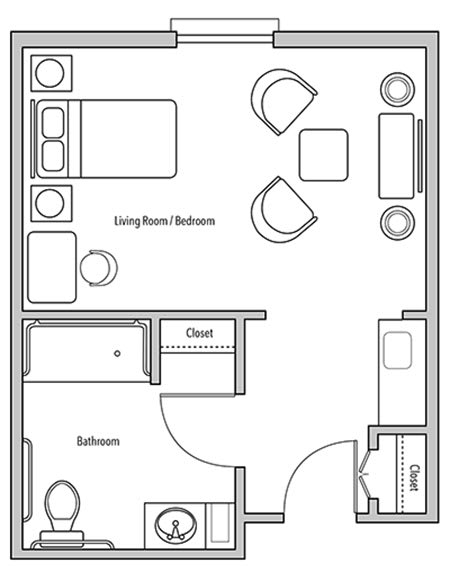
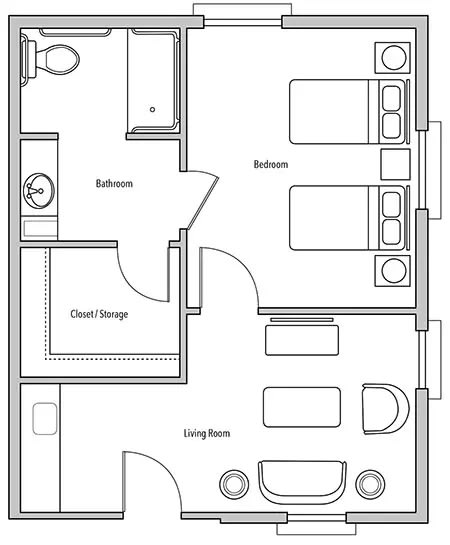
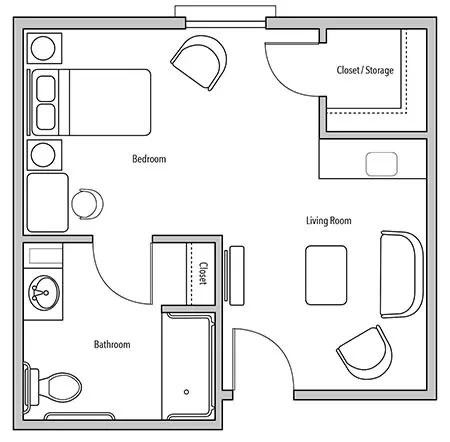
Floor plans
Provident Memory Care Buda
Travis County
Texas
Private
$3,750
$4,194
$4,096
Studio
$4,825
$3,999
$3,758
Memory care communities with a similar price nearby
Residents and families describe staff who feel welcoming and genuinely involved in daily life.
Multiple reviews say staff members create a “feel at home” experience, with warm, welcoming interactions and follow-through when families ask for adjustments. Several reviewers also credit communication and regular updates from the care team, including the nurse practitioner and supervisors. A few reviews mention a consistently peaceful, clean environment alongside that personal support.
common6 reviews mention this
Activities that keep residents engaged
Residents are kept engaged with structured activities and regular community programming.
Reviews frequently connect quality of life with the activities program, describing residents who stay involved and entertained. Families mention happy-hour and performance-style moments, plus planned, purposeful activities that go beyond passively “getting by.” One review also highlights time outdoors in the garden as a meaningful part of the routine.
common4 reviews mention this
Dining is a major talking point
Dining stands out, with residents sometimes enjoying the food and others calling it a problem.
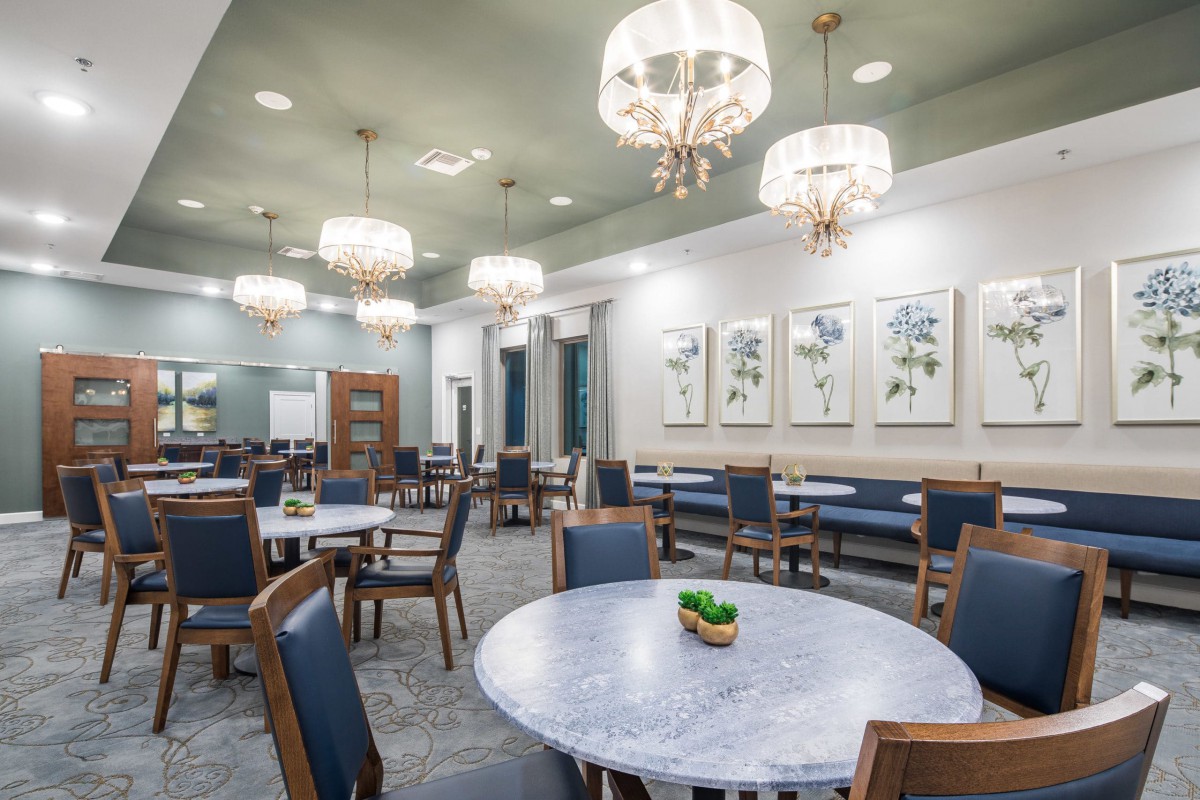
Some residents are described as liking meals and eating well, including appreciation for regular meal time and enjoyment tied to the community atmosphere. At the same time, at least one reviewer reports significant dissatisfaction with food quality and how often residents refuse it. The community also offers restaurant-style dining and meals with low/no-sodium and no-sugar options, which may help explain why dining can land differently depending on personal preferences.
differentiator2 reviews mention this
Pricing feels affordable
Some families describe the pricing as affordable compared with what they were expecting.
A couple of reviewers specifically call out the affordability of the community and the value they felt they were getting. This lines up with the published pricing positioning, which places both studio and private pricing below county and state averages.
caveat2 reviews mention this
Medication concerns reported
Two reviewers raise concerns about medication handling and management follow-through.
While many reviews focus on attentive care, at least two are negative about how medications are handled and supported. One reviewer reports medications not being delivered on time and describes the medication process as unreliable, and they also cite poor follow-up around health issues. Another negative review broadly criticizes management and the level of resident care, reinforcing that at least some families felt important needs were not addressed consistently.
How we summarize
Counts show how many written reviews mention each theme; a review can touch several themes, and only frequently mentioned themes are displayed.
Features
Types of Care
Memory Care
Pets
Cats allowed
Dogs allowed
Amenities
Activities off-site
Activities on-site
Air-conditioning
Beautician on-site
Cable or satellite TV
Devotional services on-site
Indoor common areas
Kitchenette
Outdoor common areas
Respite or short term stays offered
Wheelchair accessible showers
Wi-Fi/high-speed internet available
Transportation
Austin-Bergstrom International (13 miles away)
Care Services
Incontinence care
Medication management
Dining
Guest meals
Low / no sodium
Meals provided
No Sugar
Professional chef
Restaurant style dining
Activities
Art classes
Cooking classes
Day trips and outings
Devotional activities on-site
Educational speakers / life long learning
Gardening club
Happy hour
Karaoke
Live dance or theater performances
Live musical performances
Stretching classes
Tai Chi
Wine tasting
Nearby Places of Interest
This area of Buda, Texas offers a variety of amenities and services that cater to the needs of seniors. With several parks nearby such as Buda City Park and Mary Moore Searight Metropolitan Park, residents can enjoy outdoor activities and leisurely walks in nature. The proximity to cafes like Nate's and Starbucks provides convenient options for socializing with friends or enjoying a cup of coffee. There are also restaurants like Mud Bugs - A Cajun Joi and Dan's Hamburgers that offer delicious dining options. In terms of healthcare, there are several physicians' offices and pharmacies within a short distance, ensuring easy access to medical care and medications. For entertainment, Evo Entertainment is just a few miles away, offering a fun spot for movie nights or recreational activities. Additionally, Seton Medical Center Hays is located nearby for any medical emergencies or ongoing healthcare needs. St Anthony's Catholic Church provides a place of worship for those seeking spiritual fulfillment. Overall, this area of Buda combines convenience with a range of services that cater to the needs of seniors looking for a vibrant community to call home.
Parks
Buda City Park (0.6 miles)
Stone Ridge Park (2.2 miles)
The Watering Bowl (3.9 miles)
Mary Moore Searight Metropolitan Park (6.5 miles)
Gregg-Clarke Park (7 miles)
Dittmar Park (7.3 miles)
Onion Creek Metro Park (7.4 miles)
Cafes
Nate's (0.9 miles)
Starbucks (2.1 miles)
Starbucks (4.1 miles)
Summermoon Coffee Bar (4.5 miles)
Starbucks (6.6 miles)
Starbucks (7 miles)
Summer Moon Coffee (7.8 miles)
Restaurants
Mud Bugs - A Cajun Joi (0.9 miles)
Zaxby's (1.7 miles)
Chili's Grill & Bar (1.8 miles)
Whataburger (1.8 miles)
Dan's Hamburgers - Buda (1.8 miles)
Cracker Barrel (1.8 miles)
Pinballz Kingdom (2 miles)
Physicians
Carney, Linda Dr - Linda Carney, MD - AllMedPhysicians (0.9 miles)
Southwest Dermatology (1.6 miles)
Vincenz L. DeCastro, DO (1.6 miles)
Greater Austin Pain Center (4.4 miles)
Austin Radiological Association Msollc (4.5 miles)
Benjamin A McArthur, MD (4.5 miles)
Amy S. Bekanich, MD (4.9 miles)
Pharmacies
CVS Pharmacy (1.5 miles)
Walgreens (1.8 miles)
H-E-B plus! Pharmacy (5.1 miles)
Walgreens (5.3 miles)
Walmart Pharmacy (5.5 miles)
Walgreens (5.8 miles)
Walgreens (6.2 miles)
Theaters
Evo Entertainment (4.1 miles)
Alamo Drafthouse Cinema (7.7 miles)
Hospitals
Seton Medical Center Hays (5.5 miles)
Seton Healthcare Network (5.5 miles)
Warm Springs Rehabilitation Hospital of Kyle (5.6 miles)
Provident Memory Care in Buda offers competitive pricing for its residential care services when compared to both Travis County and the broader Texas market. For private rooms, the facility charges $3,750 per month, which is notably lower than the average costs of $4,194 in Travis County and $4,096 across Texas. However, for studio accommodations, Provident Memory Care's rate of $4,825 stands higher than both local and state averages, with Travis County priced at $3,999 and Texas at $3,758. This pricing structure may reflect the specialized services and amenities offered at Provident Memory Care Buda, making it a compelling option for families seeking quality memory care in the region.
The medication management services at Provident Memory Care Buda ensure that residents receive their prescribed medications on time and in the correct dosages, which is crucial for maintaining cognitive function and overall health in individuals with dementia and Alzheimer's disease. This structured approach alleviates the stress and confusion often associated with self-medication, allowing residents to focus on their daily activities. Additionally, incontinence care offers compassionate support aimed at preserving dignity while addressing a common challenge faced by those with advanced cognitive impairments. Staff trained in sensitive incontinence care provide timely assistance, enabling residents to feel comfortable and secure, thereby fostering an environment conducive to well-being and promoting social interactions among peers. Together, these features create a supportive atmosphere that prioritizes both physical health and emotional security, essential components in the care of individuals living with memory-related conditions.
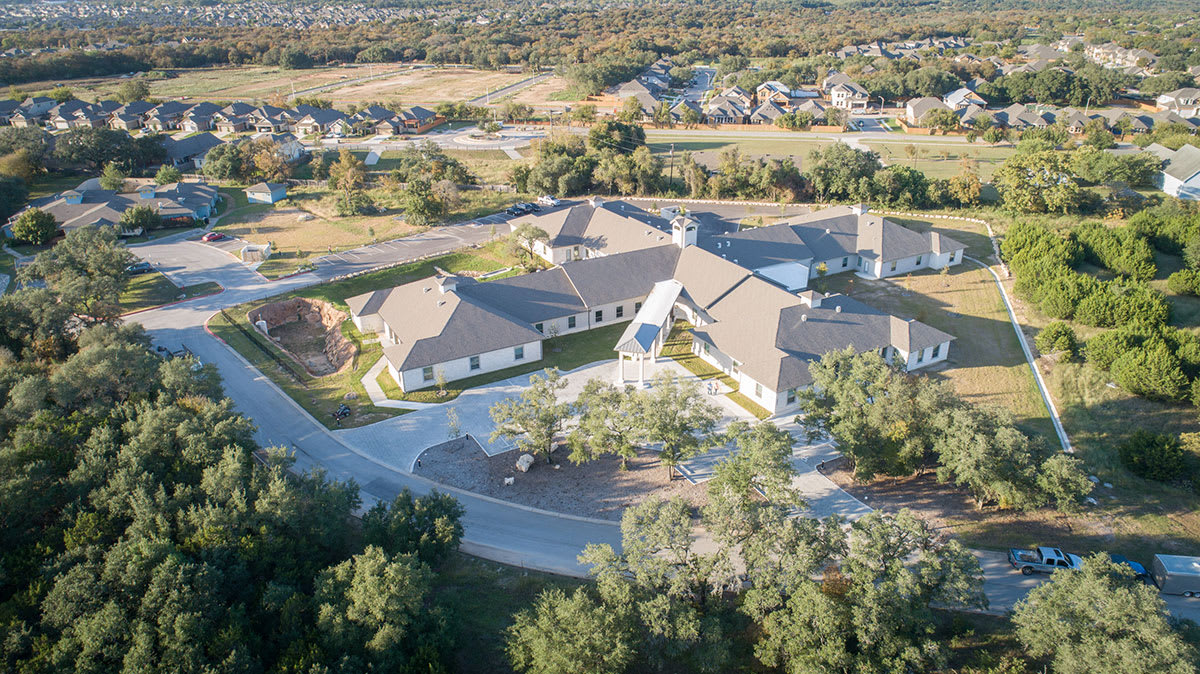
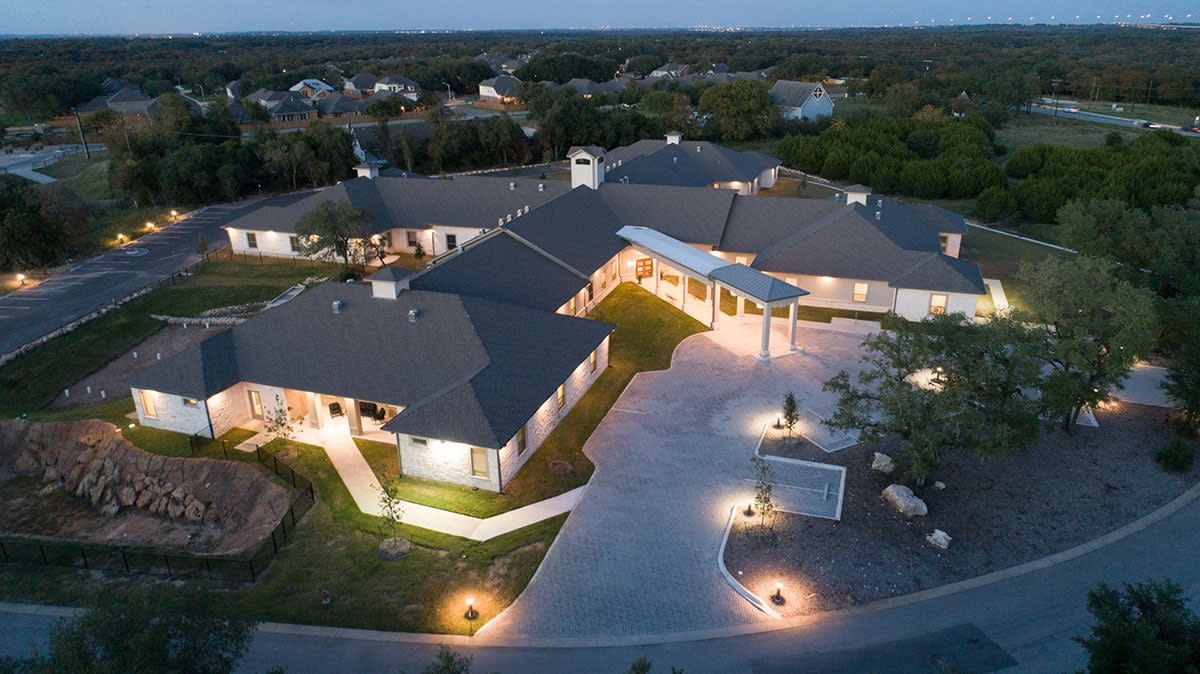
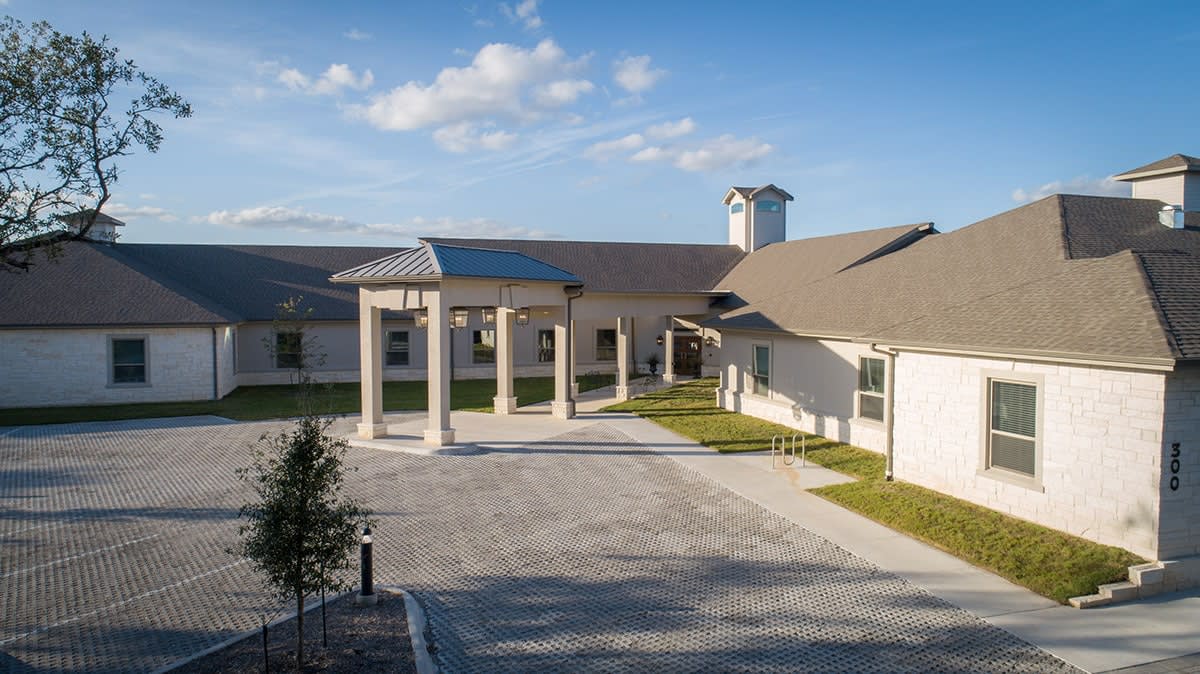
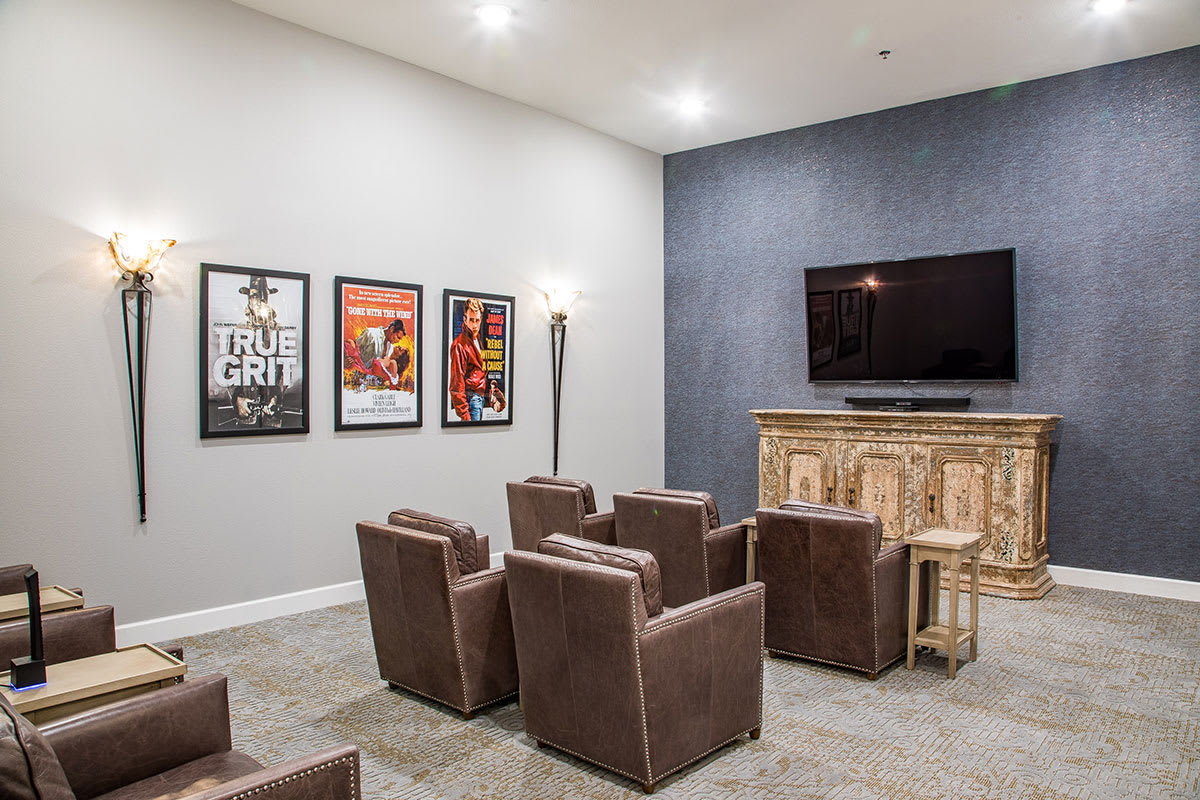
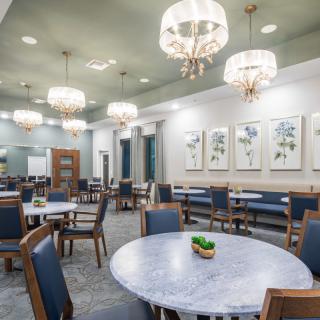
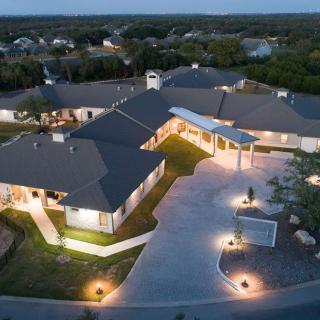
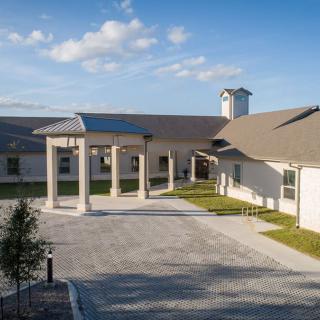
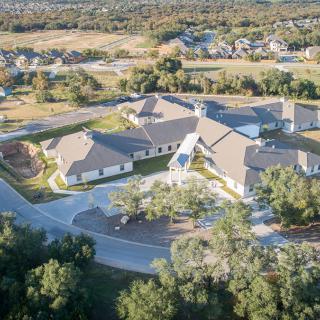
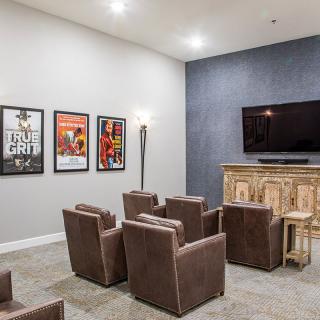
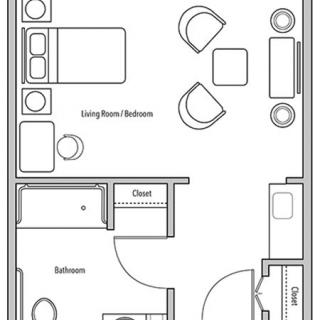
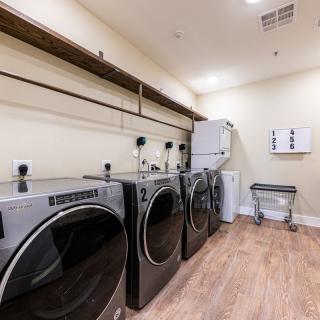
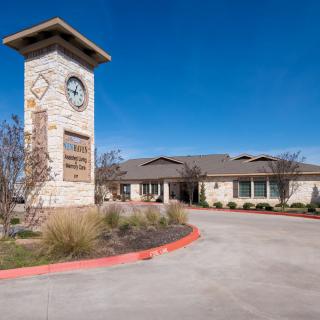
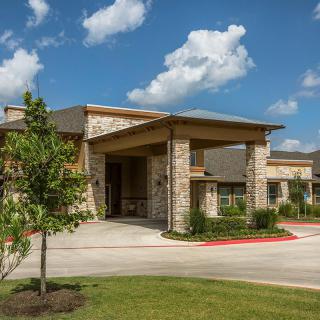
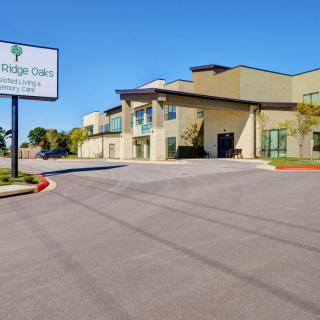
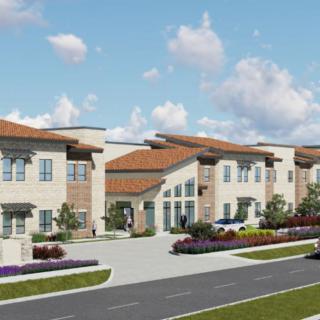
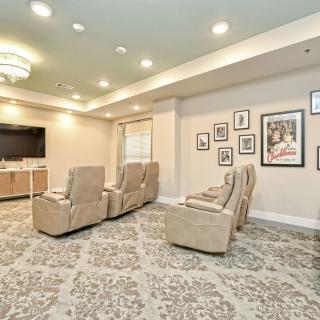
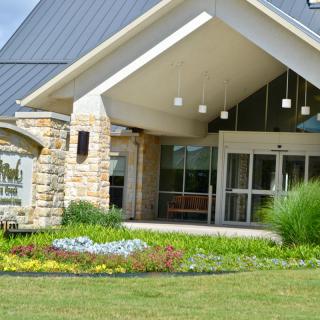
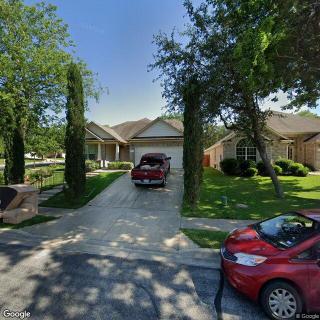
Provident Memory Care Buda on seniors.fyi includes 12 photos including images showing floor plan, interior, landscaping, architecture, aerial view, building, dining, wall art, and more.
Nearby Communities
Sodalis Buda
Buda, TX
4.4 from 47 reviews
Small, memory-care focused community with comprehensive daily care and restaurant-style dining.
Provident Assisted Living Buda
Buda, TX
4.4 from 60 reviews
$3,650 / month
Attentive, family-like care with engaging activities and a clean environment.
Buda Oaks Assisted Living and Memory Care
Buda, TX
4.3 from 51 reviews
Fully furnished studio apartments with 24/7 memory-care support and specialized programming.
Buda Oaks
Buda, TX
4.3 from 80 reviews
$3,500 to $4,300 / month
Friendly staff; clean, attractive facility with engaging activities and good dining.
Tuscany Park at Buda
Buda, TX
3.7 from 106 reviews
Peaceful, welcoming assisted-living community with abundant nearby amenities (cafes, parks, pharmacies, restaurants).
Mabee Village of the Marbridge
Manchaca, TX
3.4 from 7 reviews
$3,800 / month
Affordable private rooms with diabetic care
The Village on The Park Onion Creek
Austin, TX
4.7 from 109 reviews
Clean, welcoming community with friendly staff and engaging on-site activities.
Orchard Park Of Kyle
Kyle, TX
4.6 from 165 reviews
$4,000 to $5,800 / month
Friendly, caring staff in a clean, home-like environment with engaging activities.
Kind Heart Home Personal Care for Elderly
Austin, TX
5 from 18 reviews
$3,800 / month
Compassionate staff in a clean, welcoming setting.
Dementia encompasses progressive neurological disorders that impair cognitive functions and can lead to paranoia due to cognitive decline and emotional changes. The article discusses the triggers of paranoia in dementia, caregiver strategies for managing it, and the importance of distinguishing between dementia-related paranoia and other psychiatric conditions.
Memory care activities are essential for improving the quality of life of seniors with cognitive impairments, as they stimulate cognitive function, promote well-being, and encourage social interaction through tailored strategies. These activities combine structured exercises with spontaneous tasks, sensory engagement, physical workouts, creative pursuits, and intergenerational interactions to enhance emotional connection and a sense of purpose.
Transitioning from assisted living to memory care is driven by an individual's cognitive decline and specific needs, requiring careful evaluation of indicators like increased confusion and wandering. The process involves consulting medical professionals, researching suitable communities, considering financial and legal aspects, and ensuring effective communication for personalized care plans.
Decor, Dining, Chandelier, Seating Area, and Wall Art
Bedroom, Living Room, and Bathroom
Landscaping
Floor Plan
Building
Architecture
Artwork, Seating, Theater, Interior Decor, and Projector Screen
Entrance and Clouds
Tree and Road
Studio Apartment, Living Space, and Architectural Design
Lights
Aerial View
Design
Get PricingAsk A QuestionSchedule A TourContact Senior Advisor
By clicking submit, you agree to our Partner's Terms of Use. You
also consent to receive calls and texts, which may be autodialed, from our Partner. Your consent is not a condition to
using our Partner's service. Please visit our Partner's Privacy Policy for information about their privacy practices.



 Memory Care
 Cats allowed
 Dogs allowed
 Activities off-site
 Air-conditioning
 Beautician on-site
 Cable or satellite TV
 Devotional services on-site
 Indoor common areas
 Kitchenette
 Outdoor common areas
 Respite or short term stays offered
 Wheelchair accessible showers
 Wi-Fi/high-speed internet available
 Austin-Bergstrom International (13 miles away)
 Incontinence care
 Medication management
 Guest meals
 Art classes
 Cooking classes
 Day trips and outings
 Educational speakers / life long learning
 Gardening club
 Happy hour
 Karaoke
 Live dance or theater performances
 Live musical performances
 Stretching classes
 Wine tasting
 Small, memory-care focused community with comprehensive daily care and restaurant-style dining.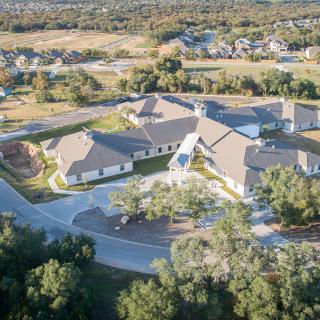


 Dementia, Paranoia, and Caregiver Guidance: Understanding the Connection
 Engaging Memory Care Activities That Enhance Quality of Life
 When to Transition from Assisted Living to Memory Care: Key Indicators, Steps, and Finding the Right Community