For more information about senior living options: (866) 208-4318
2.8 from 116 reviews
5 stars
44
4 stars
7
3 stars
2
2 stars
10
1 stars
53
Abilene Behavioral Healths Senior Program Costs & Pricing
Abilene Behavioral Health's Senior Program features a monthly cost of $5,500 for private room accommodations, positioning it above both the average rates for Taylor County, which stand at $4,655, and the broader state average of $4,096 in Texas. This premium pricing reflects the program's commitment to delivering high-quality care and tailored services designed specifically for seniors. While it may be higher than local and state benchmarks, this investment ensures access to specialized support in a compassionate environment that prioritizes residents' well-being.
Floor plans
Abilene Behavioral Healths Senior Program
Taylor County
Texas
Private
$5,500
$4,655
$4,096
Memory care communities with a similar price nearby
Overall Review of Abilene Behavioral Healths Senior Program
caveat6 reviews mention this
Noise disrupts sleep at night
Nighttime noise is a frequent complaint that makes it hard to rest.
Several residents and family members describe the night shift as loud, with sounds like staff talking, laughing, slamming doors, or lights/activities that keep people awake. Some also mention difficulty falling asleep and staying asleep even when they ask for quiet. Across these accounts, the lack of a restful nighttime environment is presented as a major reason the stay felt worse than expected.
common5 reviews mention this
Therapy and groups help some
Group therapy and outpatient programming are repeatedly described as helpful.
Residents describe the IOP, outpatient group therapy, and therapy sessions as a meaningful part of getting support. Several accounts specifically credit individual therapists or particular programming, while others mention that therapy groups were a positive area even when other parts of the facility were criticized. A few reviewers frame follow-up programming as part of the path after leaving inpatient.
How we summarize
Counts show how many written reviews mention each theme; a review can touch several themes, and only frequently mentioned themes are displayed.
Features
Types of Care
Memory Care
Transportation
Abilene Regional (3 miles away)
Nearby Places of Interest
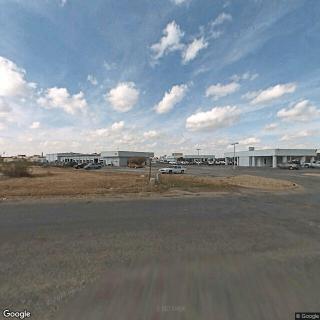
This part of Abilene, Texas, offers a variety of healthcare options with several physicians, hospitals, and pharmacies within close proximity. There are also multiple dining options ranging from fast food to sit-down restaurants, as well as cafes for a leisurely cup of coffee. For entertainment, there are theaters nearby for watching movies. Additionally, there is a church within a short distance for spiritual fulfillment. Overall, this area provides convenient access to essential services and amenities that may be important considerations for senior living.
Physicians
Oceans Behavioral Hospital Of Abilene (0 miles)
Medical Diagnostic Imaging (0.3 miles)
Prestige Imaging (0.3 miles)
Brettly Joel Teague (1.2 miles)
Abilene Premier Eye Care (1.2 miles)
Brooks Grant Optometrist at Sam's Club (1.3 miles)
Brooks T Grant (1.3 miles)
Restaurants
Mulligans (0.5 miles)
La Popular Bakery Burrito Stop (1 miles)
Taco Bueno (1.1 miles)
Little Caesars Pizza (1.1 miles)
Taco Bell (1.2 miles)
McDonald's (1.2 miles)
Chili's Grill & Bar (1.2 miles)
Cafes
Starbucks (1.1 miles)
Big Country Coffee Co. (1.7 miles)
Theaters
Abilene PREMIERE LUX Cine 10 Abilene Mall (1.4 miles)
Century Theaters (1.9 miles)
Pharmacies
CVS Pharmacy (1.4 miles)
claRx Big Country Dermatology Pharmacy (1.5 miles)
Abilene Behavioral Health's Senior Program features a monthly cost of $5,500 for private room accommodations, positioning it above both the average rates for Taylor County, which stand at $4,655, and the broader state average of $4,096 in Texas. This premium pricing reflects the program's commitment to delivering high-quality care and tailored services designed specifically for seniors. While it may be higher than local and state benchmarks, this investment ensures access to specialized support in a compassionate environment that prioritizes residents' well-being.
Yes, Abilene Behavioral Healths Senior Program provides memory care services for residents with mild or advanced stages of dementia or Alzheimer's disease.
Nearby Communities
Visiting Angels
Abilene, TX
4.2 from 34 reviews
Very convenient location with ample nearby healthcare and amenities.
Beehive Homes Of Abilene
Abilene, TX
4.4 from 34 reviews
Small, homelike setting with compassionate staff and good meals.
Morada Abilene
Abilene, TX
4.2 from 78 reviews
$2,695 to $2,795 / month
Caring staff in a warm, clean environment with engaging activities.
Windcrest Health & Rehabilitation
Abilene, TX
4.4 from 69 reviews
Comprehensive 24/7 care with broad amenities.
Wisteria Place Retirement Living
Abilene, TX
4.8 from 55 reviews
$2,500 to $3,300 / month
Affordable pricing with memory care options and full amenities.
Sears Methodist Retirement System, Inc
Abilene, TX
Diabetic care with on-site activities and strong nearby healthcare access.
Lyndale Abilene Senior Living
Abilene, TX
4.7 from 66 reviews
$2,500 to $5,965 / month
Caring staff, clean environment, good meals, and a variety of activities with restaurant-style dining.
Mesa Springs Healthcare Center
Abilene, TX
4.4 from 42 reviews
Caring staff with strong therapy in a clean, spacious facility.
The article discusses the late stages of dementia, detailing the progression from mild to severe impairment and highlighting key characteristics such as profound cognitive decline and dependency in daily activities. It emphasizes care strategies focused on comfort and dignity, the importance of advance directives, and the emotional support needed for family caregivers facing this challenging journey.
The article examines the link between certain medications and increased dementia risk, particularly in older adults, emphasizing that long-term or high-dose use of anticholinergics, benzodiazepines, and other drug classes can exacerbate cognitive impairment. It calls for careful medication evaluation and shared decision-making to mitigate these risks while managing treatment efficacy.
The article emphasizes the significance of establishing a power of attorney for elderly parents to enable an agent to make decisions on their behalf regarding health and finances, especially during cognitive or physical decline. It outlines various types of power of attorney, the importance of consulting legal professionals, and the responsibilities and challenges faced by agents, while also discussing alternatives and common misconceptions.
Get PricingAsk A QuestionSchedule A TourContact Senior Advisor
By clicking submit, you agree to our Partner's Terms of Use. You
also consent to receive calls and texts, which may be autodialed, from our Partner. Your consent is not a condition to
using our Partner's service. Please visit our Partner's Privacy Policy for information about their privacy practices.

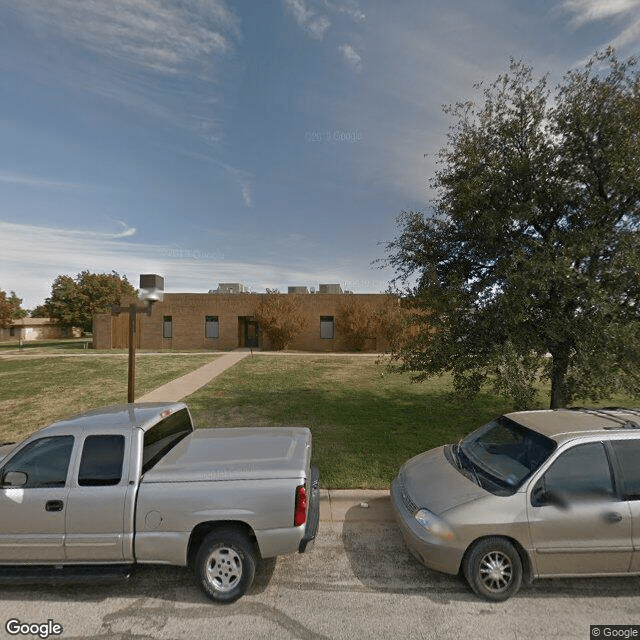

 Memory Care
 Abilene Regional (3 miles away)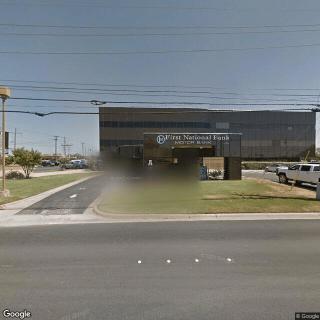
 Very convenient location with ample nearby healthcare and amenities.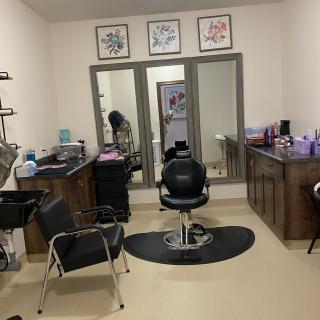


 Comprehensive Insights on the Late Stages of Dementia: What to Expect and How to Provide Care
 Medications Associated with Dementia Risk: A Comprehensive Overview
 Guiding Your Journey: Understanding Power of Attorney for Elderly Parents