
2014 Brookview Dr, Nashville, TN 37214
To contact a resident: (615) 420-0919
For more information about senior living options: (866) 208-4318
Rose Care Group Home Costs & Pricing
Rose Care Group Home offers competitive pricing for its services compared to the broader market in Davidson County and across Tennessee. For a semi-private room, residents can expect to pay $1,999 per month, significantly lower than the county average of $2,765 and the state average of $3,162. The private rooms at Rose Care are priced at $2,500, again presenting a more affordable option than Davidson County's rate of $3,111 and the state's high of $3,696. Additionally, for those seeking a one-bedroom setup, Rose Care's charge is $2,999 - slightly above Davidson County's average of $2,694 but still considerably less than Tennessee's statewide benchmark of $3,592. Overall, Rose Care Group Home provides valuable cost savings while maintaining quality care within a welcoming environment.
| Floor plans | Rose Care Group Home | Davidson County | Tennessee |
|---|---|---|---|
| Semi-Private | $1,999 | $2,765 | $3,162 |
| Private | $2,500 | $3,111 | $3,696 |
| 1 Bedroom | $2,999 | $2,694 | $3,592 |
Memory care communities with a similar price nearby
-
from +$382 / mo
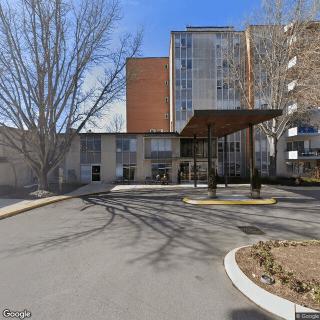
Park Manor
$2,381 to $3,950 / month8.9 miles away -
About the same
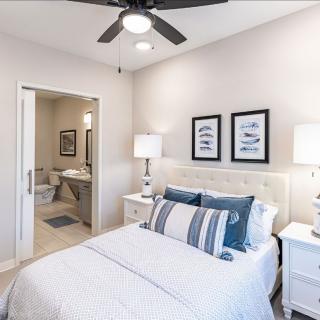
Cloverland Park Senior Living
$2,000 / month10.2 miles away -
from +$354 / mo
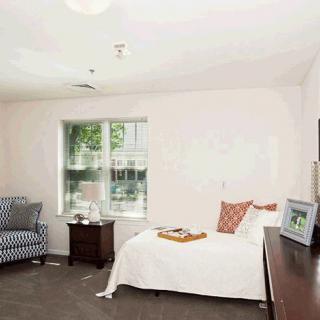
American House Lebanon
$2,353 to $4,290 / month21.9 miles away -
from +$301 / mo
The Waterford in Smyrna
$2,300 to $4,400 / month15.8 miles away -
from +$196 / mo
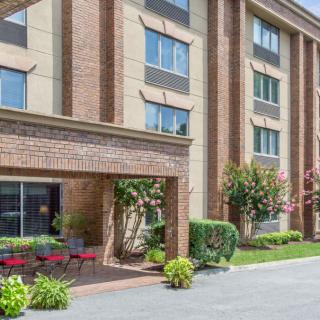
AVIVA Maybelle Carter
$2,195 to $3,295 / month5.4 miles away
Overall Review of Rose Care Group Home
Pros
 Sam and his staff are wonderful.
- They were glad they found this place for their mother-in-law.
- Rose Care was great and very personable.
- The residents were clean and seemed content.
- The staff asked questions and seemed easy to work with.
- They liked the care they received and found the staff nice and caring.
- The community was clean with good environs and offered good activities.
- The menu was appealing and provided healthy variety.
- The mother was happy there during her time with Rose Care.
Cons
 The reviewers were concerned about unlevel floor changes and how their loved one would transition to memory care.
- They felt it was not the right spot for their loved one given her advanced Alzheimer's.
- They noted the mother's health had taken a swift downward turn, necessitating a quick placement.
- They criticized the facility for refusing to consider a partial refund for a full month of care after the mother’s passing.
Review
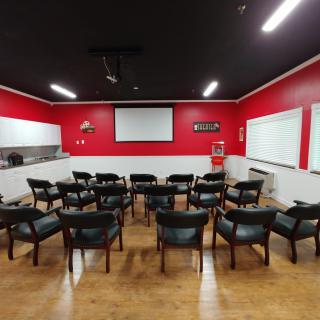
Rose Care Group Home in Nashville, TN is best suited for families seeking a warm, intimate, home-like assisted living environment where staff know residents well and care routines feel personal rather than institutional. It is especially appropriate for seniors who require regular assistance, consistent daily structure, and meaningful social engagement, delivered in a small-house setting. The community excels when families prioritize hands-on attention from caregivers and a close-knit atmosphere over the breadth of services found at larger campuses. For memory-care needs, the arrangement works best for early to mid-stage cognitive concerns, with the important caveat that memory-care residents are housed downstairs; successful transitions depend on a thoughtful plan and focused dementia-focused programming.
Those weighing alternatives should consider options better equipped for advanced dementia or highly structured memory-care programs. A resident with significant memory loss or escalating behavioral needs may benefit from facilities that offer a dedicated memory-care unit with heightened supervision and specialized staff training. Likewise, families seeking robust, on-site medical oversight, broader rehabilitation services, or a campus with a larger medical footprint may discover other communities more aligned with those requirements. Additionally, the payment terms observed in one experience, where a partial-month refund was declined, could matter for families facing sudden changes in care needs or timing, suggesting that more flexible financial policies might be preferable in some cases.
On the upside, the core strengths are compelling and consistently echoed across reviews. A personable, attentive staff fosters trust and a sense of security for both residents and families. The environment is described as clean and well-maintained, with residents appearing content and engaged. Activities and meals receive frequent praise, with menus offering variety and residents having meaningful opportunities to choose meals. The combination of a well-kept home, approachable ownership, and reliable family communication creates a foundation that can significantly reduce caregiver stress and reassure relatives who are navigating transitions.
That strength set partly offsets the notable caveat about memory care. Because memory-care residents are downstairs, the facility relies on smooth, well-communicated transitions to prevent friction or distress for those facing cognitive decline. For families comfortable with a lighter, more home-centered dementia approach, this arrangement can feel intimate and manageable; for others, it may raise concerns about the level of structured programming and the immediacy of specialized memory-care resources. The occasional report of unlevel floor changes is a reminder to prioritize a thorough safety assessment during tours, especially for residents with mobility or balance challenges.
From a practical decision standpoint, prospective families should walk away with a clear checklist. Confirm the exact level of care available on-site, including nursing presence, medication administration, and emergency readiness. Probe the dementia transition plan: how residents are introduced to the downstairs memory-care space, what training staff receive for dementia-specific needs, and how behavioral concerns would be managed. Clarify financial policies, including any options for partial-month refunds or pro-rated charges if care needs shift. Finally, test-drive the culture in a visit: observe how staff interact with residents, assess the responsiveness of management, and consider how the daily rhythm aligns with the resident’s preferences for meals, activities, and quiet time.
Overall, Rose Care Group Home presents a compelling option for families prioritizing warmth, consistency, and a home-like daily life. The combination of engaged staff, clean surroundings, delicious-sounding menus, and strong family communication supports a high quality of life for many residents and peace of mind for caregivers. It stands out most when the care plan centers on regular human connection, predictable routines, and personalized attention over a larger, more clinical setting. For families balancing affordability, congenial atmosphere, and moderate care needs, this community is a strong match. For those seeking aggressive medical oversight or advanced dementia programming, it may be prudent to explore alternatives that offer a broader clinical footprint and more formal memory-care structures before committing.
 Board and Care Home
 Memory Care
 Cats allowed
 Activities off-site
 Air-conditioning
 Bath tubs
 Cable or satellite TV
 Fireplaces
 Handicap accessible
 Indoor common areas
 Outdoor common areas
 Private
 Private bathrooms
 Swimming pool / hot tub
 Wheelchair accessible showers
 Wi-Fi/high-speed internet available
 Nashville International (4 miles away)
 Ambulatory care
 Diabetic care
 High acuity care
 Incontinence care
 Anytime dining
 Art classes
 BBQs or picnics
 Birthday parties
 Day trips and outings
 Educational speakers / life long learning
 Gardening club
 Live dance or theater performances
 Live musical performances
 Pet-focused programs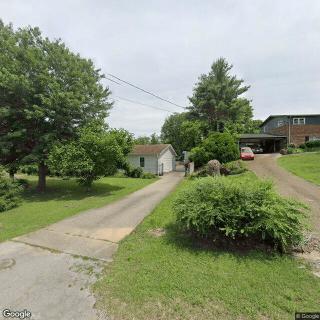



 Vibrant Senior Living: A Comprehensive Guide for Active Older Adults
 Assisted Living and Memory Care: Understanding Their Core Differences
 Choosing the Right Senior Care: A Detailed Exploration of Assisted Living and Nursing Homes