
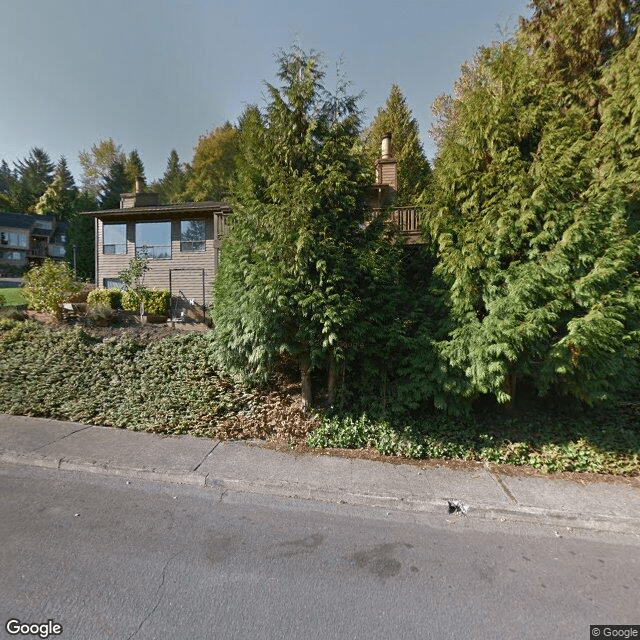
3158 Cottonwood Court, West Linn, OR 97068
To contact a resident: (503) 320-5747
For more information about senior living options: (866) 208-4318
NW Senior Care Costs & Pricing
At NW Senior Care, the monthly cost for a private room stands at $3,000, positioning it as a competitive option compared to Clackamas County and the broader state of Oregon. In Clackamas County, the average monthly cost for a similar accommodation reaches approximately $3,373, while residents throughout Oregon face even higher costs of around $3,424. This highlights NW Senior Care's commitment to providing quality services at a more affordable rate, making it an appealing choice for individuals seeking care without compromising on excellence or their financial well-being.
| Floor plans | NW Senior Care | Clackamas County | Oregon |
|---|---|---|---|
| Private | $3,000 | $3,373 | $3,424 |
Memory care communities with a similar price nearby
-
from -$500 / mo
A Gentle Care Home
$2,500 / month8.3 miles away -
from +$500 / mo
American Living Adult Family Home LLC
$3,500 / month20.7 miles away -
About the same
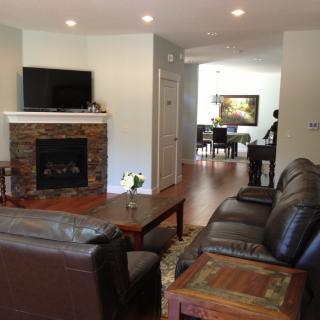
Elder Garden Care Home, LLC
$3,000 / month13.3 miles away -
from +$500 / mo
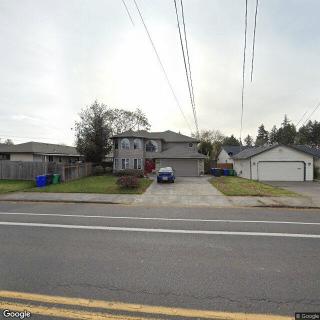
Northwest Home Health
$3,500 to $3,700 / month6.7 miles away -
About the same
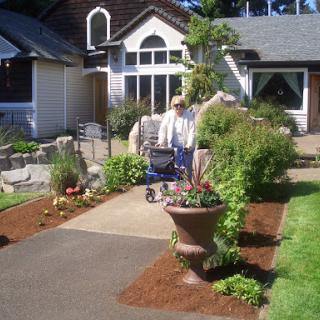
Rivercrest Adult Care
$3,000 to $3,700 / month3.8 miles away
Overall Review of NW Senior Care
Pros
 NW Senior Care provides excellent care for the mother.
- Teddy is trusted to take good care of residents.
- Teddy demonstrates excellent communication skills and keeps the family informed about the mother's health and well-being.
- Teddy collaborates effectively with medical personnel and proactively contacts them when necessary.
- The seniors are always well supervised and cared for, and the home is spotless.
- Meals look appetizing and there is a nice selection of foods.
- The family is extremely grateful for the quality care provided by NW Senior Care, the aides, and Teddy.
Cons
 The one weakness is that there are few activities.
- Mom cannot really do much in that regard but would like the option of saying she can't.
Review
NW Senior Care in West Linn is best suited for families seeking highly attentive, dementia-focused care in a small, home-like setting where safety, cleanliness, and open family communication are paramount. The community earns its keep through dependable supervision, a spotless environment, and a kitchen that delivers appealing meals. What truly stands out is the way staff, led by key caregivers, maintain a steady line of communication with families about health changes and daily well-being, coordinating with medical professionals as needed. For residents who require close monitoring, a gentle but proactive care approach, and consistent reassurance that a trusted caregiver is present during visits, NW Senior Care delivers reliability that reduces family anxiety and creates a recognizably calm routine.
However, this setting may not be the right fit for everyone. For residents who prize a robust, socially oriented activity calendar or who want a broader menu of engagement opportunities, the current program can feel sparse. The same limitation may frustrate family members who want to see their loved one take part in structured dementia activities, hobbies, or community outings. Families with someone who thrives on constant stimulation and diverse programming should consider facilities that offer daily programs, larger campuses, or memory-specific enrichment tracks. In short, NW Senior Care excels in care quality and safety, but it does not replace the social stimulus that several residents in this stage of life often need.
Among the strongest advantages are the dependable, individualized care and the high level of family transparency. The staff's vigilance translates into real-time updates about health changes, and the caregiver dedicated to the resident becomes a trusted point of contact. The home-like environment, attention to cleanliness, and meals that look appetizing reinforce daily comfort and dignity. These pros partially offset the primary drawback, limited activities, because an engaged caregiver can still prompt meaningful moments, coordinate with clinicians, and help maintain routines that support memory loss. Yet the lack of routine social programming means some days may feel routine rather than restorative. Families should weigh the value of daily safety and warmth against the desire for more structured engagement.
Teddy emerges as a standout leader among the caregiving team, embodying the practical, proactive approach families rely on. Her clear communication, willingness to escalate concerns to medical staff, and hands-on involvement create a dependable safety net. The consistent supervision described by visiting family members is not incidental; it reflects a culture where residents are monitored during all hours and nightly routines are structured. Cleanliness isn’t cosmetic here, observational notes confirm a consistently tidy, well-kept home environment. Meal quality is not merely adequate but appetizing, which matters for meal-time satisfaction and overall nutrition in dementia care. These elements collectively reduce the burden on families who cannot be present around the clock and reinforce trust in daily operations.
To ensure the best fit, prospective residents should probe what “few activities” means in practice and what top-line options exist if social needs grow. Inquire about memory-focused programming and whether activities can be tailored to individual abilities or capped levels of participation. Ask for examples of engagement during mornings, afternoons, and evenings, and whether private or small-group options can be arranged. Request a clear outline of how staff-to-resident ratios shift by time of day and how family input is incorporated into daily schedules. If the current calendar feels insufficient, explore facilities with more frequent programming on a schedule that accommodates the loved one’s energy patterns, while maintaining the same standard of care.
Overall, NW Senior Care is a prudent match for families prioritizing safety, attentive care, and straightforward dementia management within a warm, clean setting. The standout caregiver, Teddy, symbolizes the level of personal accountability and professional responsiveness that families need when they cannot be present constantly. The main caveat is the limited activities; for residents who thrive on social stimulation and diverse engagement, that constraint may erode long-term satisfaction unless arrangements can be expanded. For those who value peace of mind, near-constant supervision, and transparent health updates, NW Senior Care delivers compelling value. The decision hinges on whether the essential care baseline meets the loved one’s social and activity preferences, with a strong nudge toward a live visit to assess daily rhythms firsthand.
 Board and Care Home
 Memory Care
 Private
 Portland International (14 miles away)
 Ambulatory care
 Diabetic care
 Incontinence care



 8 Key Indicators That Suggest It May Be Time to Transition from Assisted Living to Skilled Nursing Care
 Nourishing the Mind: Essential Dietary Approaches for Dementia
 Understanding Dementia Behaviors: Practical Insights and Strategies for Caregivers