
18325 South West Pacific Highway, Tualatin, OR 97062
For more information about senior living options: (866) 208-4318
Overall Review of Cedar Crest Alzheimer’s Special Care Center
Pros
 The caregivers were wonderful.
 - Cedar Crest provides wonderful memory care with staff who have long tenure.
- Dalyn and Yvonne are wonderful.
- The care staff are caring, attentive and knowledgeable.
- The staff are friendly and accessible, and they proactively discuss care plans.
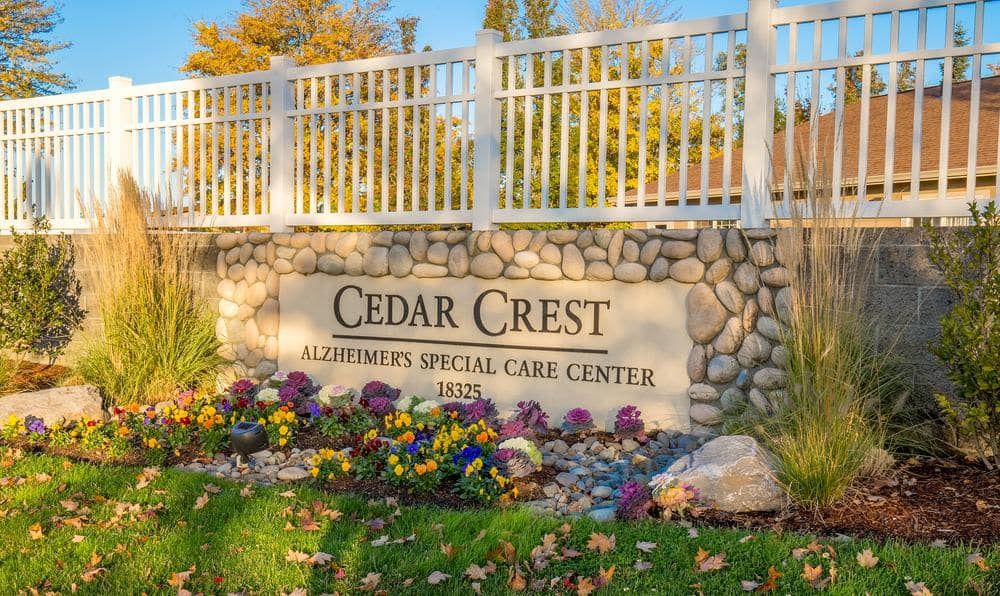
- The place is welcoming and home-like, with lovely gardens and engaging activities.
- The staff treat residents like family and regularly check in with families.
- Cedar Crest is worth a visit for anyone seeking memory care for a loved one.
- The staff work hand in hand with hospice to keep residents comfortable.
Cons
 The management was horrible.
- The phone system to reach loved ones didn't work and was never fixed.
- Lacking family support.
- Poorly managed and staffed.
- There were long periods with no staff on the floor.
- Falls occurred frequently and staff couldn't explain how.
- The COVID-19 outbreak response was chaotic, with belongings shoved into trash bags and some items broken.
- Some caregivers acted unprofessionally or hostile toward residents and staff.
Review
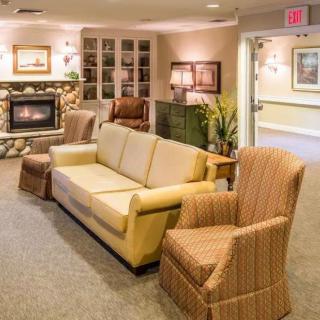
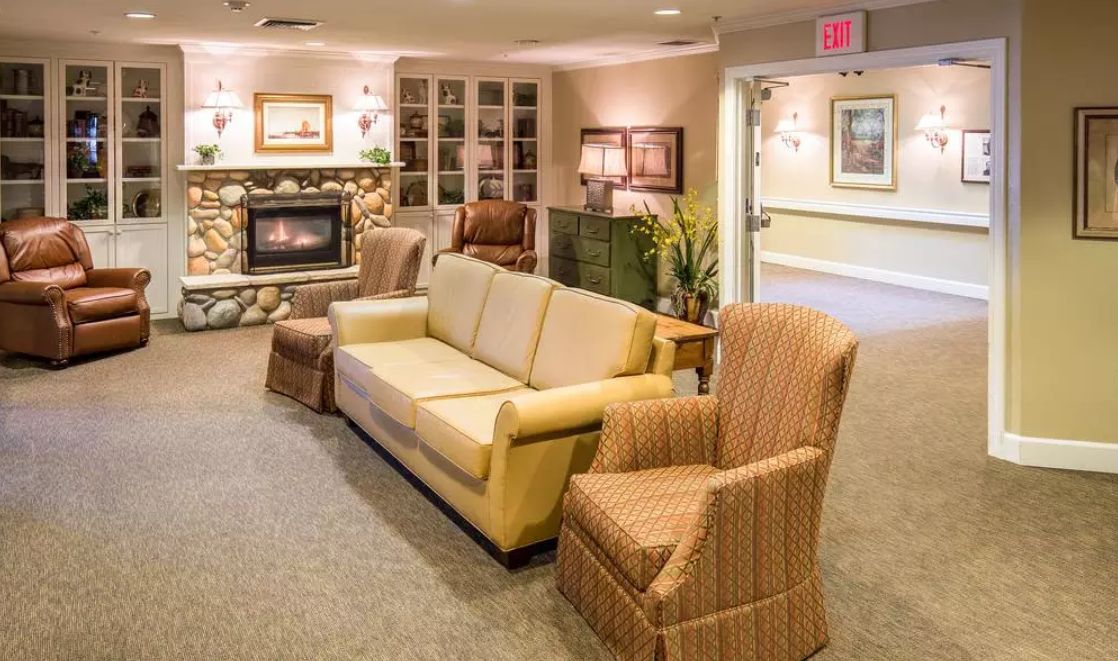
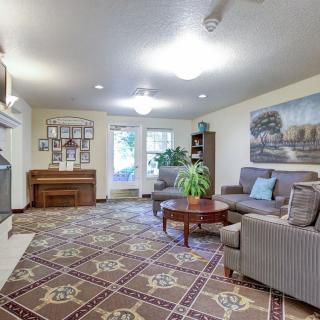
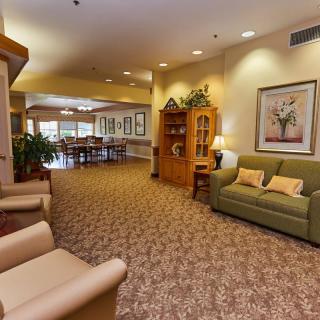
Cedar Crest Alzheimer’s Specialty Care Center in Tualatin is best suited for families seeking a memory-care environment that feels like home, and where a sense of warmth and personal connection is a real, tangible asset. It works for couples who want to stay together, for residents who benefit from a small, intimate setting, and for families who value long-tenured caregivers and hands-on, accessible staff. The facility emphasizes a homey atmosphere, with shared and private rooms, a central gathering area, fireside rooms, and a courtyard that fosters social opportunity without the clinical feel of a hospital. For families prioritizing an emotionally supportive environment and a caregiving team that reaches out with familiarity and care, Cedar Crest has clear appeal.
That said, there are important reasons to consider alternatives. This community is less ideal for families that demand consistently strong management, highly transparent communication, and predictable staffing patterns. Several reviews flag persistent leadership turnover, questions about accountability, and uneven incident reporting. If a top criterion is reliable, proactive administration and a consistently high level of safety oversight, Cedar Crest may not measure up to those expectations. Those with residents who require highly structured oversight, strict safety protocols, or rapid, well-documented responses to problems may find better alignment elsewhere.
The strongest pros, caring, long-tenured staff; a home-like, welcoming atmosphere; and a tangible sense of community, do a meaningful amount of heavy lifting when it comes to overall well-being. Families repeatedly note that the care team is attentive, that caregivers know residents well, and that staff communicate proactively about daily changes. The two-person or private rooms are notably larger than many peers, which supports comfort and closer family interaction. The site’s integrated services, on-site providers via an Optum Medicare Advantage program and coordinated hospice collaboration, also help families feel the medical side remains anchored despite the intimate setting. When these elements combine, they can offset some organizational shortcomings by delivering consistent daily warmth and reliable day-to-day care.
However, management and staffing concerns can undercut those strengths. Critics describe unreliable communication channels, staff shortages that leave floors understaffed, and episodes where injuries or problems were not promptly and clearly relayed to families. Accounts of frequent staff turnover and occasional unprofessional behavior add to a sense of instability, especially during higher-stress periods. The result is a credible tension: residents may receive excellent day-to-day attention from the front-line team, yet families must contend with questions about leadership, incident resolution, and long-term consistency. For families who cannot tolerate such variability, the cons can outweigh the visible charms of the environment.
For decision-making, the practical calculus hinges on priorities. If the objective is a warm, homey space with a strong emphasis on companionship, meaningful activities, and the possibility to keep spouses or partners together, Cedar Crest delivers compelling value. The on-site medical coordination and the option to work with Medicare Advantage and hospice teams can reduce fragmentation of care. Yet if ongoing, transparent management, rapid communication when concerns arise, and stable staffing are non-negotiables, it is prudent to explore other options and compare incident handling, staffing ratios, and leadership stability. A thorough on-site tour should focus not only on amenities, but on how staff members across shifts interact with residents and families, and how quickly questions are answered.
In the end, Cedar Crest represents a clear choice for families who prize a heartfelt, home-like memory-care setting and can endure some leadership and staffing unpredictability. It is less appropriate for those who demand a consistently high-visibility management team, unambiguous accountability, and flawless communication. Prospective families should approach with a concrete plan: request conversations with multiple care staff across shifts, review recent staff-to-resident ratios, seek current family references, and verify care plans and emergency response processes. If these factors align with priorities, Cedar Crest can be a comforting home with dedicated caregivers; if not, pursuing alternatives with a steadier governance and communications track record will likely yield greater peace of mind.
 56 resident community capacity
 Memory Care
 Respite Care
 Air-conditioning
 Beauty salon
 Cable or satellite TV
 Computer center
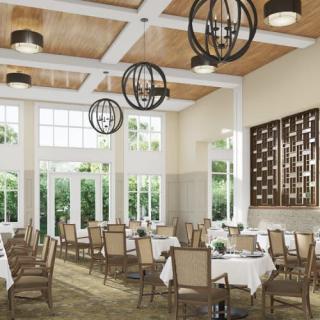
 Dining room
 Fitness room
 Fully furnished
 Gaming room
 Garden
 Housekeeping services
 Kitchenette
 Move-in coordination
 Outdoor space
 Private bathrooms
 Restaurant-style dining
 Small library
 Telephone
 Wellness center
 Wi-Fi/high-speed internet available
 Portland International (17 miles away)
 Community operated transportation
 12-16 hour nursing
 24-hour call system
 Activities of daily living assistance
 Assistance with bathing
 Assistance with dressing
 Assistance with transfers
 Diabetes diet
 Hospice waiver
 Medication management
 Mental wellness program
 Special dietary restrictions
 Transportation arrangement (medical)
 Concierge services
 Planned day trips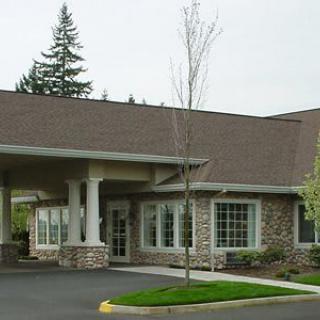




 A Holistic Dementia Care Guide: Effective Strategies for Memory Support
 Memory Care Pathways: A Holistic Guide to Dementia Support
 Comprehending Evening Confusion in Dementia: Causes, Manifestations, and Support