
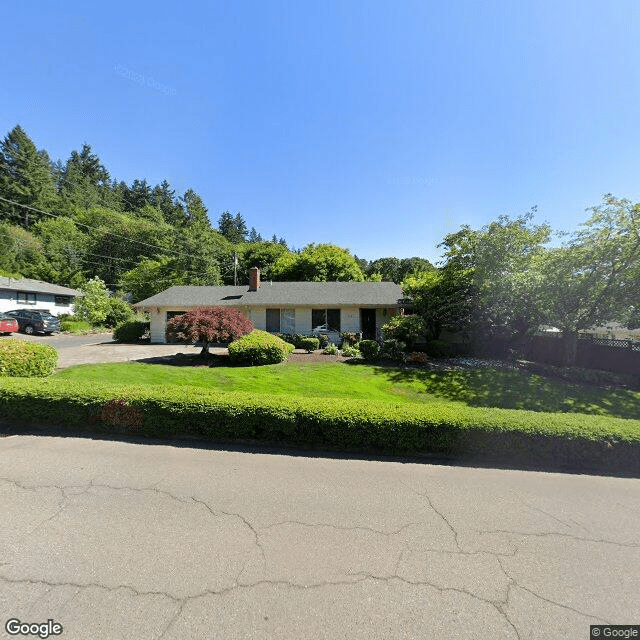
1270 Madrona Ave South, Salem, OR 97302
To contact a resident: (503) 798-5610
For more information about senior living options: (866) 208-4318
Premier Care Homes Costs & Pricing
At Premier Care Homes, the monthly costs for accommodation reflect a competitive pricing structure within Marion County and the broader Oregon market. For a private room, residents can expect to pay $3,500, which is slightly lower than the county average of $3,564 but aligns closely with the state average of $3,424. Similarly, the cost for a one-bedroom unit at Premier Care Homes is set at $5,000. This figure notably exceeds both Marion County's average of $4,001 and Oregon's state average of $3,904. Overall, while Premier Care Homes offers attractive rates for private rooms relative to local benchmarks, its one-bedroom accommodations are positioned towards the higher end of the spectrum.
| Floor plans | Premier Care Homes | Marion County | Oregon |
|---|---|---|---|
| Private | $3,500 | $3,564 | $3,424 |
| 1 Bedroom | $5,000 | $4,001 | $3,904 |
Memory care communities with a similar price nearby
-
About the same
Avery Rose
$3,500 / month23.1 miles away -
from -$200 / mo
Harmony House of Salem
$3,300 to $3,550 / month6.1 miles away -
from -$585 / mo
Emerald Gardens of Woodburn
$2,915 to $4,160 / month19.4 miles away -
from +$430 / mo
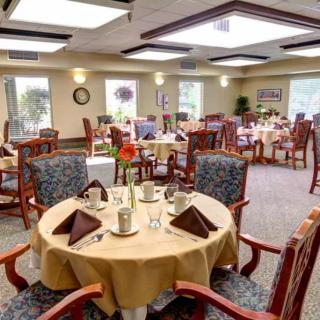
Silver Creek Senior Living
$3,930 to $5,730 / month19.1 miles away -
About the same
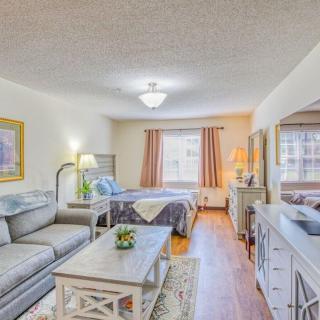
Emerald Gardens
$3,500 to $4,200 / month19.4 miles away
Overall Review of Premier Care Homes
Pros
 Most of the nurses were good, and two were exceptional.
- The staff were accommodating, allowed personal items, and encouraged visits.
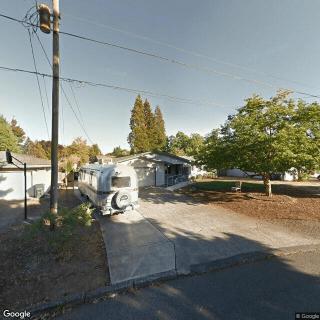
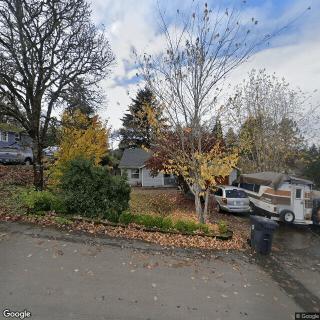
- The house had a great backyard with trees, flowers, and berries.
- Early on, the owners were very hands-on and helpful.
- The rooms at Premiere Care Home were very nice, and the staff were nice.
Cons
 The owners did not take the time to talk to the family during the last week of their mother's life.
- The facility provided no stimulation for the resident, which frustrated the family.
- The resident was confined to sitting in front of the TV rather than receiving engaging activities.
- The meals were limited to macaroni and cheese, with no variety.
Review
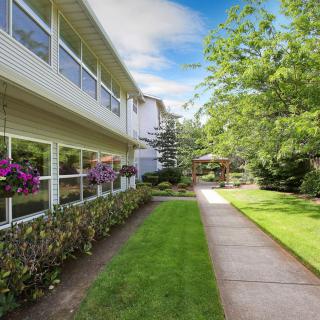
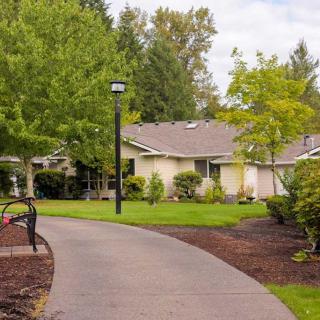
Premier Care Homes in Salem, Oregon, is best suited for seniors who prefer a quiet, home-like setting with personal touches, where responsive frontline staff and comfortable private rooms take priority over a packed activity schedule. The two recent perspectives describe a facility that feels approachable: well-kept rooms, a friendly nursing team, and a property that invites family visits without ceremony. The outdoor spaces, trees, flower beds, and a tidy backyard, offer a restorative option for residents who enjoy passive time in a natural environment. Families who value direct access to caregivers and the ability to bring familiar items will find this arrangement reassuring. It is not the right match for those seeking robust, structured daily programming or high-energy engagement.
Those who should consider alternatives are families with residents who need constant stimulation, diverse activities, or a wider variety of meals. The reviews repeatedly point to a lack of engagement beyond passive TV time and a preference for few meal options, which can leave certain residents bored or unstimulated. Additional concern centers on leadership visibility and timely family communication; one reviewer notes the owners were less available during a loved one’s final days, after an earlier period of hands-on involvement. For someone prioritizing cognitive and social enrichment, or complex care coordination with a transparent leadership team, other communities that provide structured programming, regular caregiver-family updates, and proactive care planning would likely be a better fit.
From the positive side, the standout strengths are compelling and tangible. Clean, well-maintained rooms create a comfortable personal space, and the staff generally comes across as courteous and capable, with at least a couple of nurses described as exceptional. The policy of permitting personal items and encouraging visits supports a sense of continuity and dignity. A pleasant backyard environment adds meaningful quality of life for residents who enjoy sunlight and outdoor time. In practice, these elements create a stable, low-stress environment that can be reassuring for families who want predictable caregiving and less disruption. However, the absence of meaningful, daily stimulation and limited culinary variety dilute these advantages over time.
On the downside, the most consequential gaps are real barriers to long-term satisfaction. The second review highlights a lack of cognitive and social engagement, residents are left watching TV with little interactive programming, which can undermine mood and overall functioning. Meal variety appears limited, with a single homemade dish cited; while homestyle cooking is comforting, it fails to meet a broader spectrum of nutritional needs and taste preferences. Operational issues emerge in the form of inconsistent leadership presence and communication; one family recounts a late-life burnout of accessibility from the owners, diminishing confidence in ongoing updates. Taken together, these gaps are not small frictions but fundamental constraints on how well the community can support higher-need or more active residents.
Practical steps can help families decide with confidence. Request a current activity calendar and a sample weekly menu to gauge whether there is genuine engagement beyond passive TV watching. Speak with the administrator about care-planning, including routines for physical therapy, memory care activities, or social outings, and ask how families are kept informed with regular updates and care conferences. Inquire about staffing ratios, shift coverage, and the availability of on-site leadership for timely problem-solving. If possible, arrange a short trial stay to assess compatibility, and set clear expectations for communication and personalization. For residents whose needs tilt toward meaningful daily interaction, ready access to alternatives with stronger programming should be part of the decision calculus.
In sum, Premier Care Homes offers a reassuring, homelike base with pleasant rooms, welcoming staff, and a soothing outdoor setting, a reasonable choice for seniors who prize comfort and consistent basic care. Those whose priorities include active stimulation, diverse dining, and proactive, transparent administration may find the gaps too material to overlook, prompting consideration of other options. The best path is a targeted visit with specific questions about activity programming, meals, staff turnover, and owner engagement, followed by a defined trial period if possible. With clarity on expectations and a plan for enhanced engagement, families can determine whether this community aligns with the resident’s needs or whether a more program-rich alternative is warranted.
 Board and Care Home
 Memory Care
 Cats allowed
 Dogs allowed
 Activities on-site
 Bath tubs
 Beautician on-site
 Indoor common areas
 Outdoor common areas
 Private
 Private bathrooms
 Respite or short term stays offered
 Wheelchair accessible showers
 Ambulatory care
 Diabetic care
 High acuity care
 Incontinence care
 Medication management
 Gluten-free
 BBQs or picnics
 Birthday parties
 Live musical performances


 Dementia, Paranoia, and Caregiver Guidance: Understanding the Connection
 Engaging Memory Care Activities That Enhance Quality of Life
 When to Transition from Assisted Living to Memory Care: Key Indicators, Steps, and Finding the Right Community