

7710 SE 103rd Ave, Portland, OR 97266
To contact a resident: (503) 777-1696
For more information about senior living options: (866) 208-4318
Grace Adult Care Home Costs & Pricing
Grace Adult Care Home offers competitive pricing for its private rooms at $2,000 per month, significantly lower than the average costs in Multnomah County, which stand at $3,227, and the statewide average of $3,424. This pricing strategy makes Grace Adult Care Home an appealing option for individuals seeking quality care while also looking to manage their budgets effectively. The cost difference highlights Grace's commitment to providing accessible adult care without compromising on the quality of services, making it a practical choice in comparison to higher-priced alternatives in both the county and state.
| Floor plans | Grace Adult Care Home | Multnomah County | Oregon |
|---|---|---|---|
| Private | $2,000 | $3,227 | $3,424 |
Memory care communities with a similar price nearby
-
About the same

Young at Heart AFH
$2,035 to $3,995 / month13.7 miles away -
from +$200 / mo
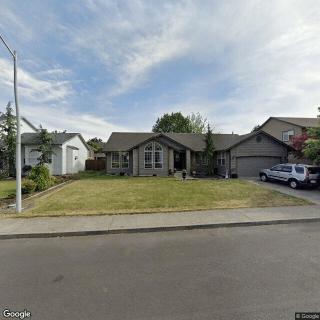
Home Is Where the Heart Is
$2,200 / month11.8 miles away -
from +$275 / mo

Cherry Park Plaza
$2,275 to $4,250 / month8.8 miles away -
from +$100 / mo
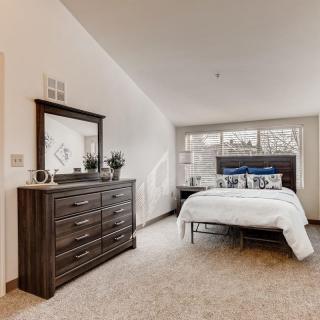
Hawthorne Gardens
$2,100 / month5.0 miles away -
About the same

Christian Adult Foster Home
$2,000 to $3,000 / month3.0 miles away
Overall Review of Grace Adult Care Home
Pros
 The facility is beautiful and clean, and the owner is the sweetest, most caring person.
- Grace Adult Care would be chosen by someone in need of a place like this.
- The staff always took great care of him.
- The care and services provided were greatly appreciated by his family.
- Visitors were always welcome, and there was always delicious-smelling food cooking.
- It is a lovely place that would be recommended to anyone needing a care home.
Review
Grace Adult Care Home in Portland is best suited for seniors who want a warm, intimate, home-like setting and value direct access to a caregiver who truly leads the operation. This community shines for residents who thrive on a small, personalized footprint where routines feel predictable and familiar, and where family participation remains straightforward and encouraged. The reviews paint a picture of a clean, attractive space with a strong sense of hominess, where meals and daily life carry a comforting, home-cooked rhythm. For families prioritizing low-key ambiance, easy visiting, and a relationship-centered model, Grace offers a compelling, practical fit that avoids the impersonal feel of larger facilities.
Those evaluating options should consider alternatives if the resident’s needs extend beyond what a small care home typically provides. If medical acuity is high, requiring around-the-clock skilled nursing, catheter or wound care, complex medication regimens, or strict monitoring, a larger assisted living with licensed nursing staff on site and a dedicated medical team may be more appropriate. Likewise, residents needing a structured memory-care environment, secure common areas, or formalized rehabilitation programs may find these services more consistently available in bigger communities. For families seeking a broad calendar of on-site activities, transportation services, or multi-disciplinary therapy options, exploring other facilities is a prudent step.
The strongest pros of Grace, its beauty, cleanliness, and the evident warmth of the owner, create a compelling value proposition that can offset the absence of institutional scale. The owner’s reputation as a caring, approachable leader translates into visible attentiveness, rapid responsiveness, and a sense that staff are aligned with family expectations. The ability to visit freely without bureaucratic hurdles, plus consistent, home-style meals that evoke comfort and routine, helps residents settle and feel secure. A caregiver-led model often means fewer layers of communication, which can reduce miscommunication and delays in addressing small concerns before they become bigger issues. For families, that direct line to the person in charge carries real peace of mind.
However, the lack of concrete detail about medical staffing, emergency procedures, and long-term care capabilities is a meaningful gap. The reviews do not specify whether trained licensed nurses are on site, how medications are managed, or what level of daily living assistance is available (ambulation, bathing, mobility devices). Families should verify these particulars early in the assessment process. The small-scope setting also raises questions about programming variety, transportation options, fall prevention measures, and access to on-site rehabilitation or specialty services. Because the sample size is limited, prospective residents should treat the positives as indicators to confirm rather than guarantees.
To make an informed decision, approach Grace with a structured set of inquiries and a plan to observe. Request a detailed description of staffing hours, qualifications, and on-site medical capabilities. Ask how care plans are developed, updated, and communicated to families, and whether there is a physician or nurse practitioner available for regular visits. Inspect safety features, emergency response protocols, and the facility’s licensing status. Taste the meals and gauge consistency with dietary needs, and assess the atmosphere during a tour, does it feel orderly, cheerful, and respectful? Gather impressions from current residents and visiting family members to triangulate the experience before deciding.
Ultimately, Grace Adult Care Home is a strong fit for families seeking an intimate, personally led care environment, with a reassuring emphasis on cleanliness, warmth, and family accessibility. It is less suited for residents who require robust, on-site medical oversight, secure memory-care structures, or highly comprehensive rehabilitation programs. The decision rests on aligning the resident’s medical needs, mobility and safety requirements, and desired level of daily programming with what the home can reliably provide. A thorough visit, direct conversations with the owner and staff, and corroborating information from licensing records will reveal whether Grace is the best match or if a larger, more medically integrated setting should be pursued.
 Board and Care Home
 Memory Care
 Cats allowed
 Dogs allowed
 Private
 Portland International (9 miles away)







 Delving into the Inner World of Dementia: Insights into Thoughts and Awareness
 Five Subtle Dementia Indicators to Observe: An In-Depth Guide to Understanding “Does My Mom Have Dementia?”
 Dementia, Paranoia, and Caregiver Guidance: Understanding the Connection