Table Rock Memory Care Costs & Pricing
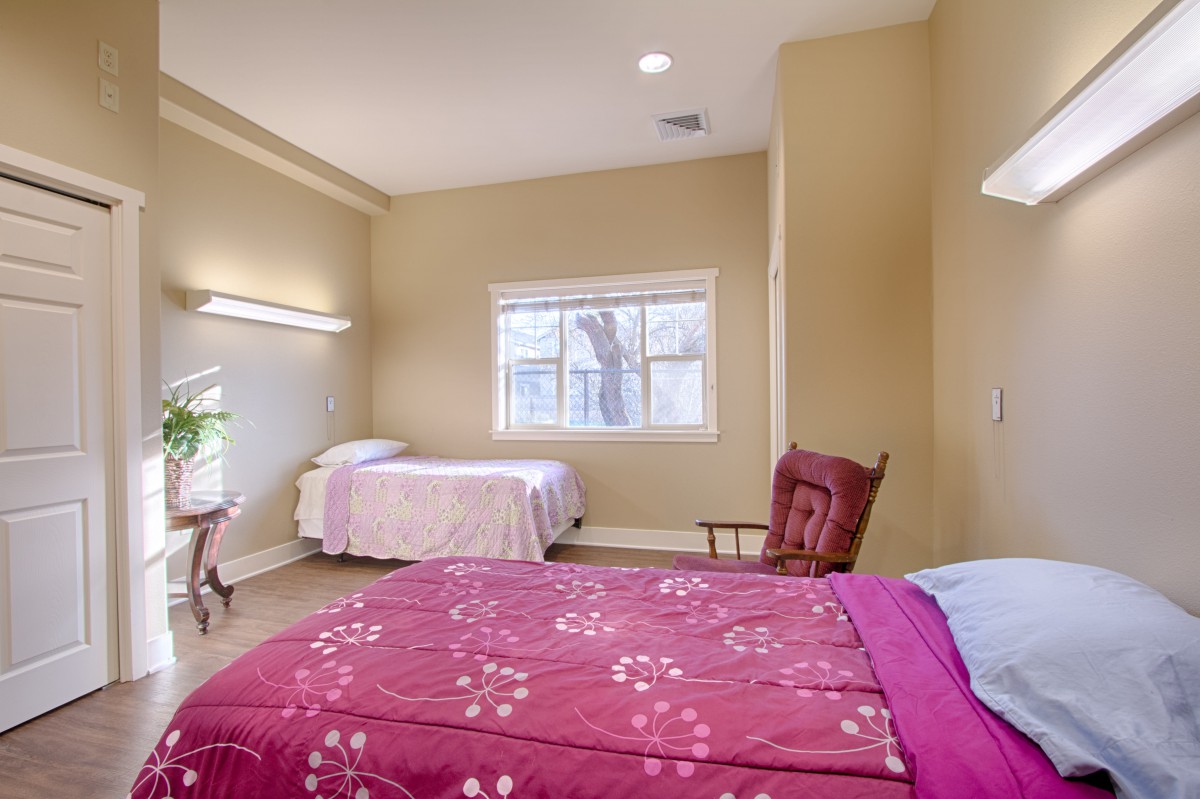
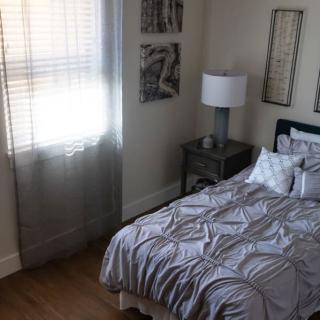
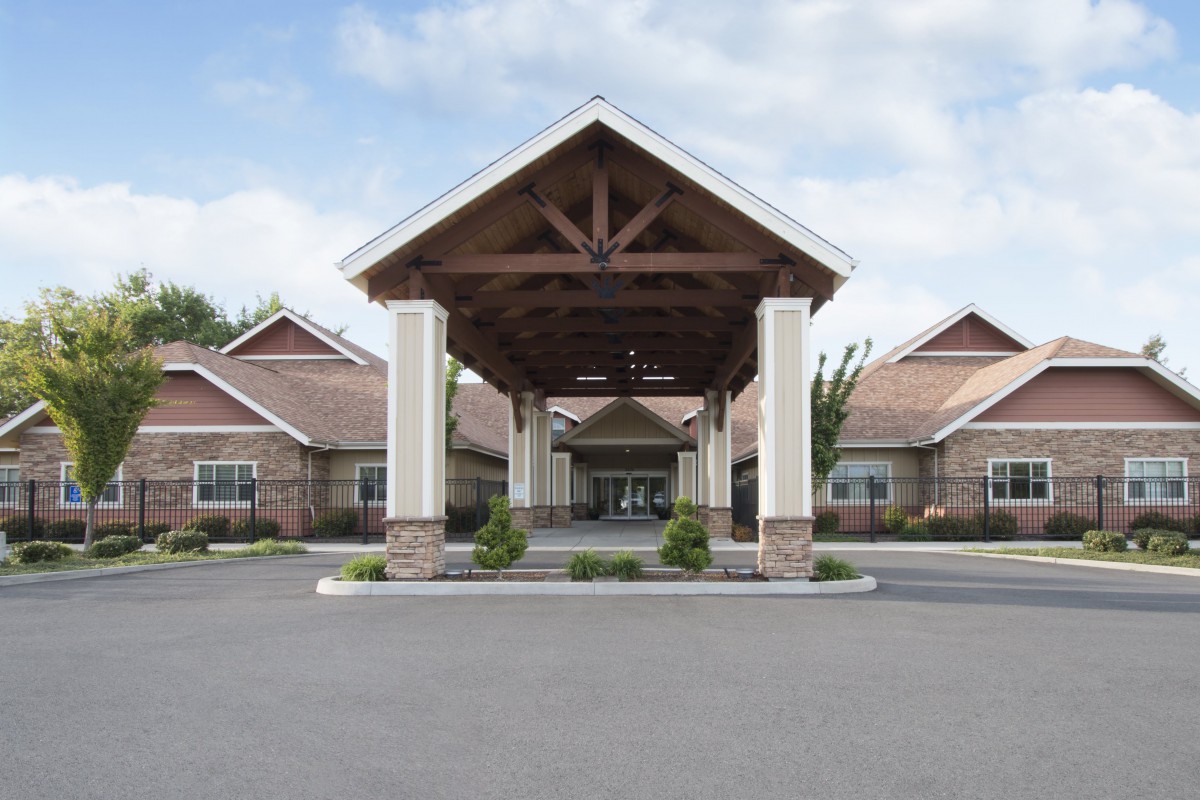
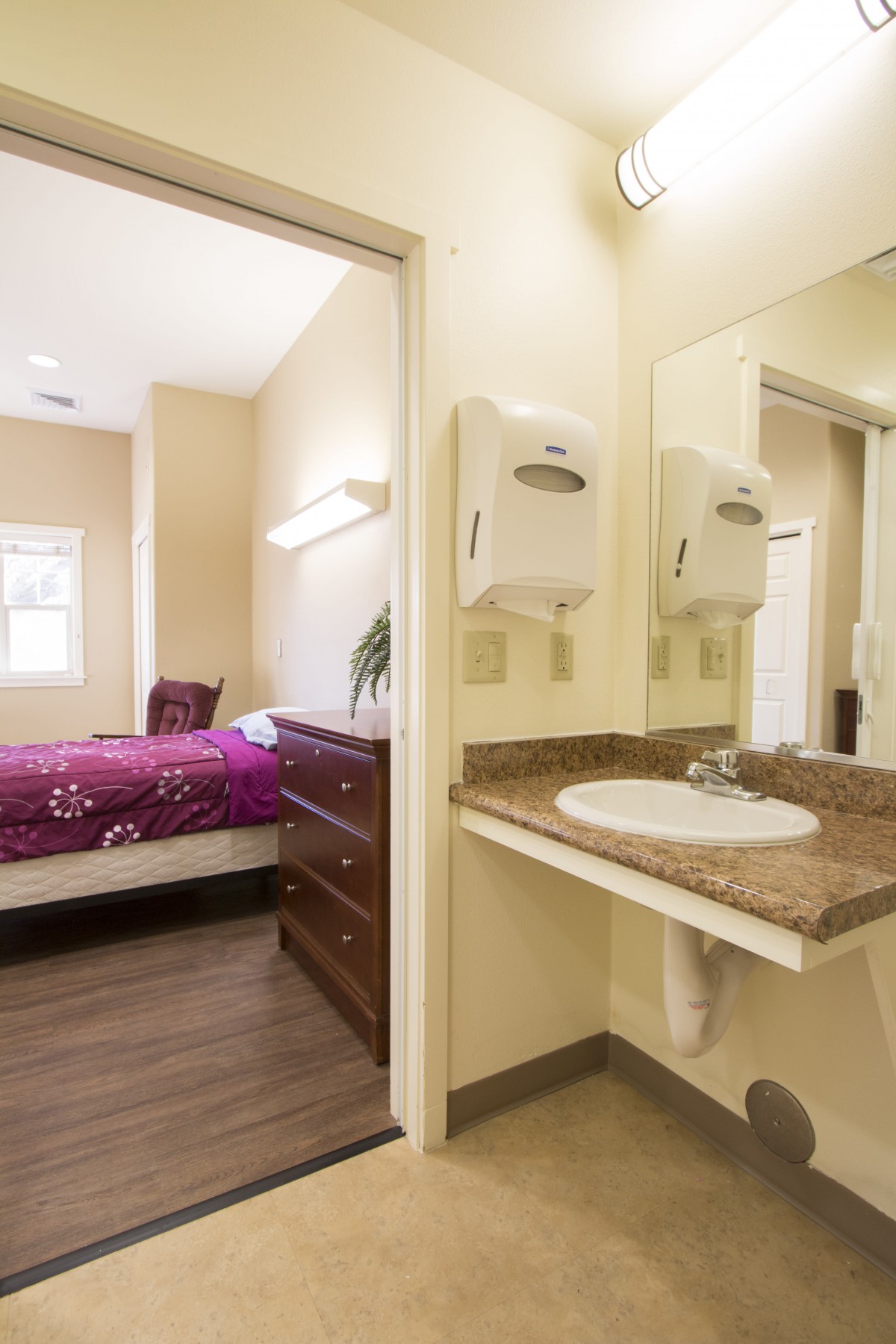
Table Rock Memory Care offers a range of pricing options that reflect the quality of care and amenities provided. For semi-private rooms, the cost is $4,951 per month, which is slightly higher than the average in Jackson County at $4,919 but remains competitively priced compared to Oregon's broader average of $4,457. Those seeking more privacy may consider a studio, priced at $5,929 per month; this exceeds both the county and state averages significantly - $4,239 in Jackson County and $3,815 across Oregon. While Table Rock Memory Care's rates may be on the higher side in comparison to local alternatives, they are indicative of a commitment to providing exceptional care tailored to meet the needs of residents.
| Floor plans | Table Rock Memory Care | Jackson County | Oregon |
|---|
| Semi-Private | $4,951 | $4,919 | $4,457 |
| Studio | $5,929 | $4,239 | $3,815 |
Memory care communities with a similar price nearby
-
from -$956 / mo
Weatherly Court
$3,995 to $5,995 / month
2.7 miles away
-
from -$851 / mo
Ashley Manor Arrowhead
$4,100 / month
4.1 miles away
-
from -$956 / mo
Pear Valley Senior Living
$3,995 to $4,995 / month
4.9 miles away
-
from -$341 / mo
Farmington Square Medford
$4,610 to $5,565 / month
2.2 miles away
-
from -$951 / mo
Roxy Ann Memory Care Community
$4,000 / month
2.8 miles away
Overall Review of Table Rock Memory Care
differentiator
4 reviews mention this
Secure environment for memory care
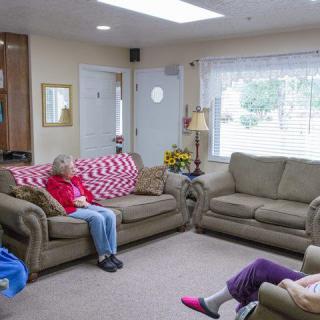
Residents and families describe a secure, comforting memory-care environment.
Multiple reviewers mention that the facility feels secure for residents with dementia, including comments that the environment is comforting and secure. A tour-related review also says residents appear content and engaged, which lines up with residents needing consistent supervision. Reviews are also split on day-to-day care quality, but the idea of safety and security is a recurring point.
common
14 reviews mention this
Caring staff and good communication
Reviews frequently praise staff as caring and responsive.
A consistent theme in the reviews is that families felt supported by staff—describing helpfulness, quick replies, and caregivers who are patient and kind. Several reviewers specifically call out staff treating residents with respect and compassion, as well as being attentive when issues arise. That said, the negative reviews also include complaints about unprofessional behavior and inadequate staffing, so staff praise is not universal.
common
7 reviews mention this
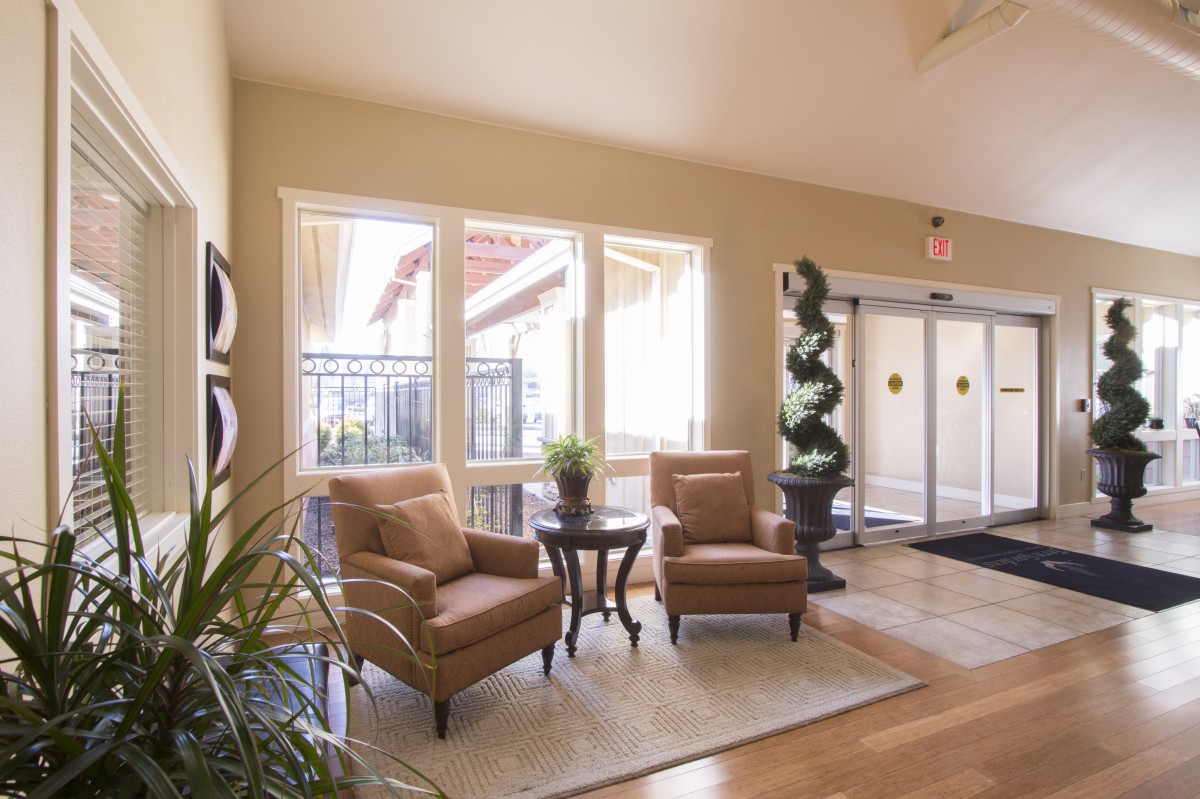
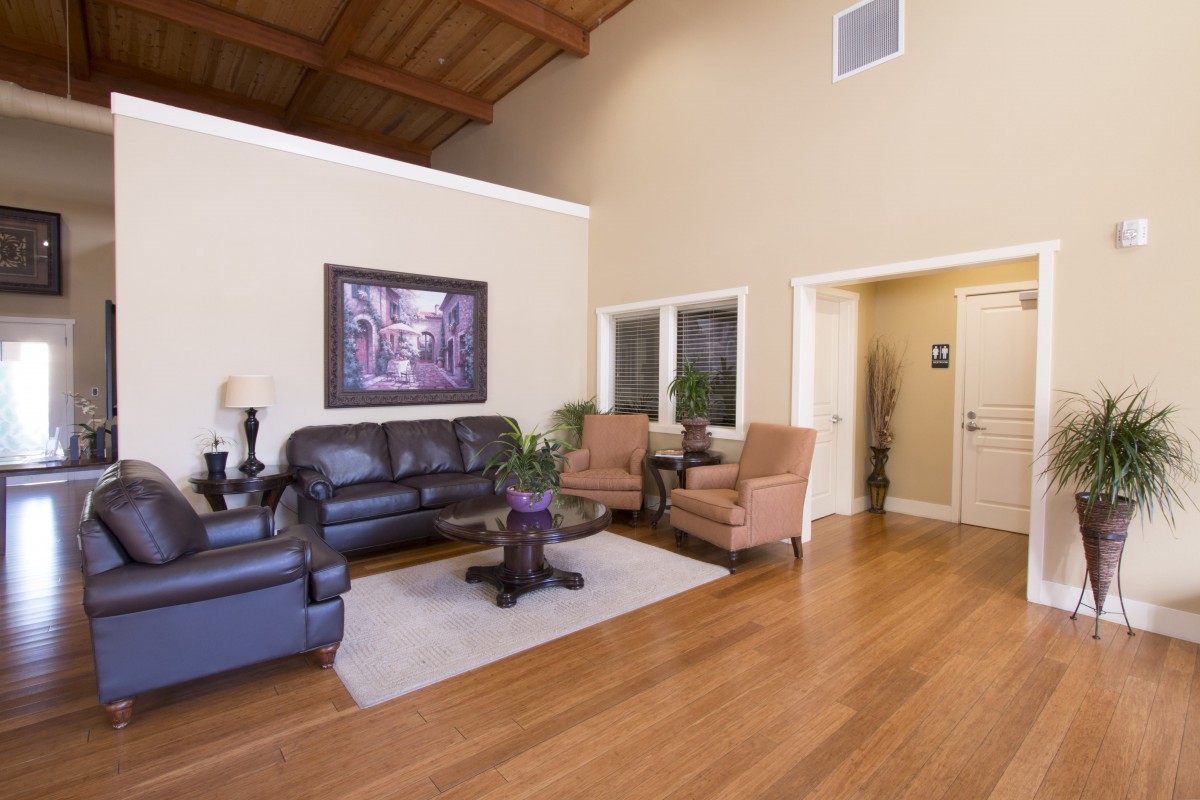
Cleanliness stands out in visits
Visitors repeatedly mention a clean, well-kept facility.
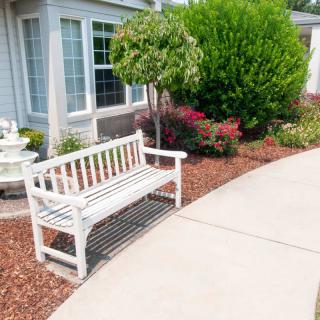
Several reviewers describe the building and common areas as clean and sanitary, including comments about how it smells good and stays neat. Families also mention routine room cleaning and that the environment feels cared for. On the downside, a few negative reviews allege neglect-related issues, which contrasts with the cleanliness praise.
caveat
3 reviews mention this
Meals are a mixed experience
Dining gets mixed feedback, with some noting meal shortcomings.
Some reviewers say meals are tasty and that residents are well cared for during dining. Another review describes occasional meal awkwardness and not having the expected utensils, and a separate negative review raises concerns about the care surrounding food. The community does offer guest meals and multiple dietary options such as low/no sodium, no sugar, vegan, and vegetarian.
common
6 reviews mention this
Activities keep residents engaged
Residents benefit from frequent activities and engagement.
Many reviewers highlight that there are activities planned for residents and that staff help keep people engaged. A few reviews also mention day-to-day entertainment as a reason they feel comfortable, and tour impressions focus on residents interacting and enjoying themselves. A caveat appears in at least one review that calls for more variety in both meals and activities, suggesting coverage may not satisfy everyone.
caveat
2 reviews mention this
Pricing runs above benchmarks
Prices appear higher than both county and state benchmarks across unit types.
The posted monthly range for studios and semi-private options is above the county and state reference points. This cost pressure shows up alongside the reviews that express concern about care consistency, since at least some families question whether the service level matches expectations. Even among positive reviewers, the overall range may be part of the decision-making tradeoff.
How we summarize
Counts show how many written reviews mention each theme; a review can touch several themes, and only frequently mentioned themes are displayed.

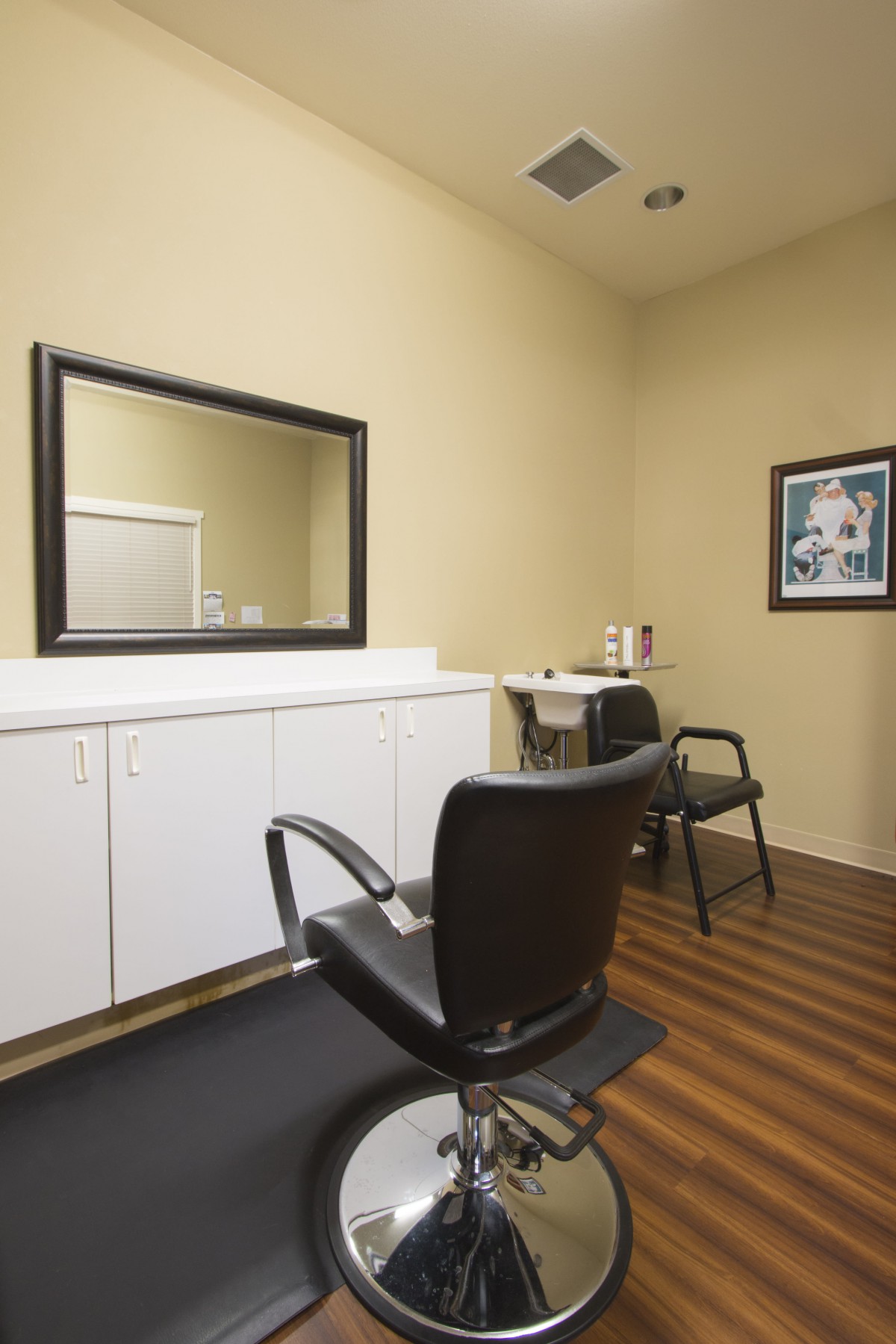
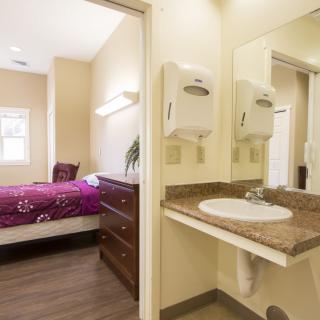
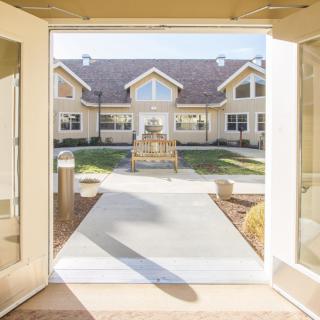
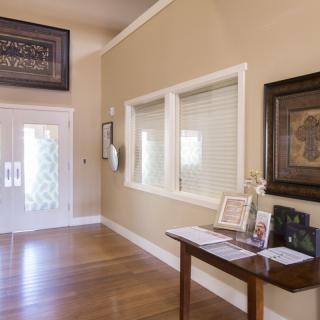
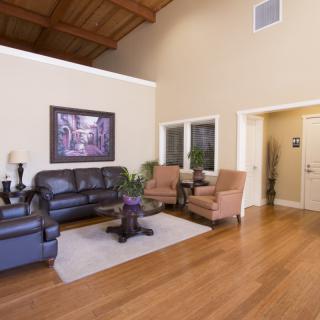
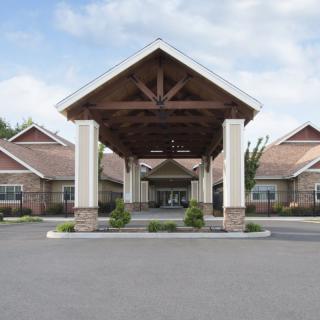
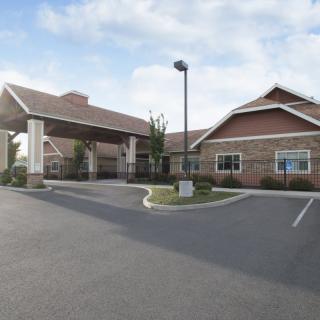
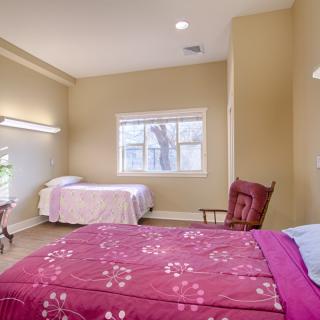
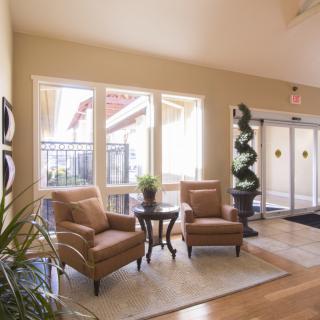
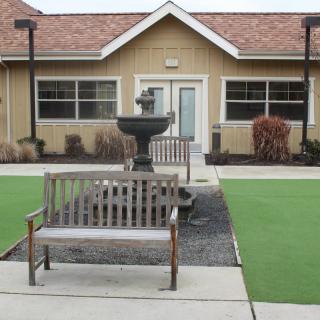
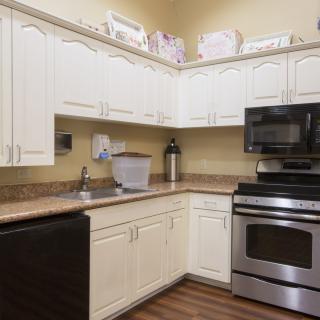
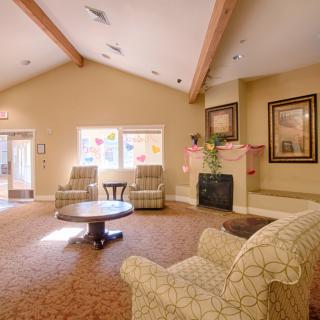
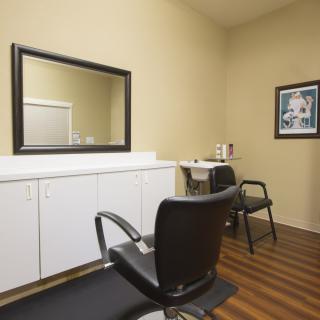
 Memory Care
 Activities on-site
 Air-conditioning
 Bath tubs
 Devotional services on-site
 Indoor common areas
 Outdoor common areas
 Respite or short term stays offered
 Wheelchair accessible showers
 Wi-Fi/high-speed internet available
 Rogue Valley International (4 miles away)
 Diabetic care
 Incontinence care
 Medication management
 Guest meals
 Art classes
 BBQs or picnics
 Birthday parties
 Day trips and outings
 Gardening club
 Live dance or theater performances
 Live musical performances
 Affordable, reputable homecare with professional, punctual caregivers and strong housekeeping and socialization services.
 Delirium and Dementia: Unraveling the Key Differences
 Are Dementia and Alzheimer's Disease Lethal? A Comprehensive Exploration
 Exploring the Power of Reminiscence Therapy for Individuals With Dementia