
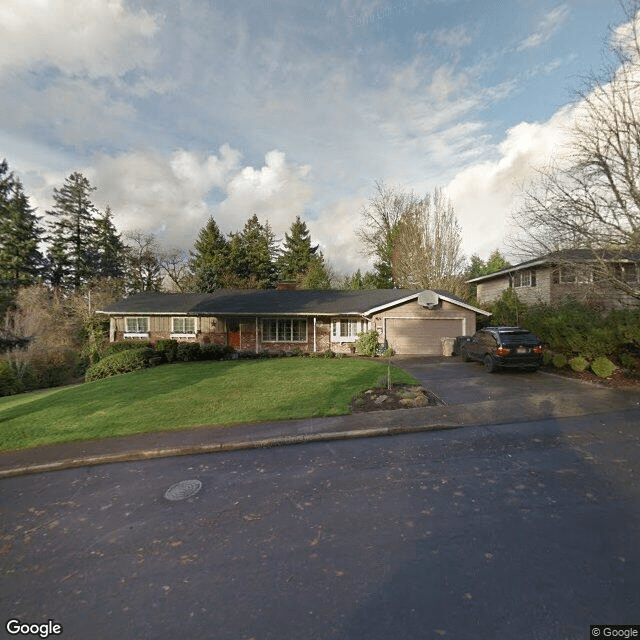
1411 Cherry Crest Drive, Lake Oswego, OR 97034
To contact a resident: (503) 336-0093
For more information about senior living options: (866) 208-4318
Cherry Crest Care Home Costs & Pricing
Cherry Crest Care Home offers a range of accommodation options with competitive pricing relative to both Multnomah County and the broader state of Oregon. The monthly cost for a private room at Cherry Crest is $3,800, which surpasses the county's average of $3,227 but remains slightly above the state's average of $3,424. For those seeking a one-bedroom arrangement, the price at Cherry Crest is set at $4,500 - significantly higher than the county's average of $3,402 and somewhat above Oregon's state average of $3,904. These figures indicate that while Cherry Crest may be on the higher end of the spectrum within its local context, it also reflects a commitment to quality care that can justify the investment for many families seeking residential options for their loved ones.
| Floor plans | Cherry Crest Care Home | Multnomah County | Oregon |
|---|---|---|---|
| Private | $3,800 | $3,227 | $3,424 |
| 1 Bedroom | $4,500 | $3,402 | $3,904 |
Memory care communities with a similar price nearby
-
from -$300 / mo
American Living Adult Family Home LLC
$3,500 / month20.0 miles away -
from -$300 / mo
Northwest Home Health
$3,500 to $3,700 / month6.2 miles away -
from +$200 / mo
The Finest Care AFH, LLC
$4,000 to $5,500 / month18.4 miles away -
from -$300 / mo
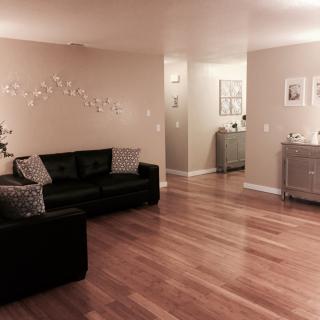
Grace Care Adult Foster Home
$3,500 / month15.1 miles away -
from -$300 / mo
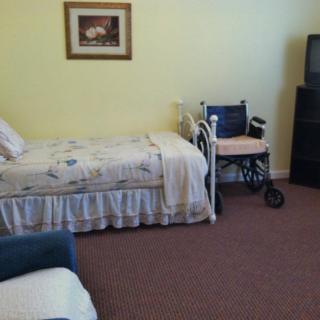
Blue Sky Adult Care Home
$3,500 / month5.0 miles away
Overall Review of Cherry Crest Care Home
Pros
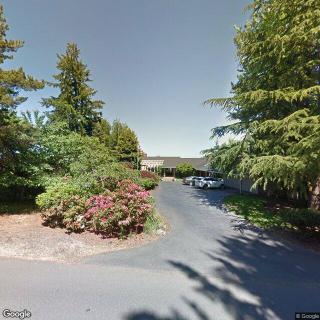
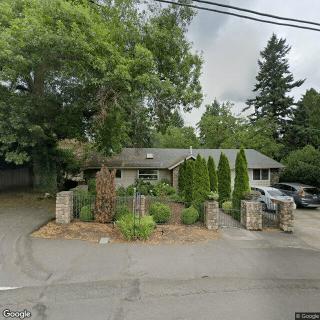
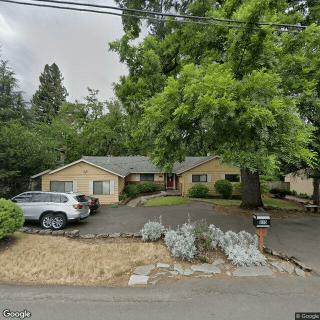
 Cherry Crest Adult Care Home is a beautiful, loving adult care home.
- It has a lovely yard.
- It has wonderful staff.
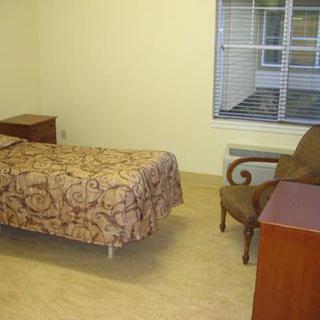
- It is decorated perfectly.
- The design and layout are well thought out.
- The reviewers would recommend this place to anyone, including their own family.
- It is amazing.
Review
Cherry Crest Care Home is best suited for seniors who want a distinctly home-like, intimate care setting in Lake Oswego, where warmth and personal attention are the expectations, not the exceptions. This community shines for residents who prioritize a beautiful, well-kept environment with a yard that invites gentle activity and relaxation. The space is described as decorated perfectly and laid out with careful consideration, making navigation straightforward for residents with varying mobility. Families seeking a place where staff appear to know residents well, and where daily routines feel personal rather than procedural, will find Cherry Crest aligns with those practical preferences.
Those weighing alternatives should consider options with larger communities, broader activity calendars, or more formal medical oversight. If 24/7 clinical support, a wider network of on-site services, or a bustling social scene is non-negotiable, a bigger assisted living campus or memory-care focused facility may serve better. For residents who thrive on a broad social mix or require specialized programming, the intimate scale of a small home may feel limiting. In short, Cherry Crest excels as a homey, individualized setting, but it may not satisfy every family seeking high-volume programming or advanced clinical capabilities.
The strongest positives center on the human touch and the environment. A warm, attentive staff is repeatedly highlighted, and the care tone comes across as genuinely caring rather than transactional. The yard and overall exterior appeal reinforce a sense of wellbeing and safety, while the interior design, cozy, thoughtfully arranged spaces, supports easy, reassuring daily living. The combination of a loving atmosphere and deliberate layout means residents experience a smoother daily rhythm, less confusion, and more opportunities for meaningful interactions with caregivers and fellow residents.
These strengths strategically offset the main trade-off inherent in a small, home-like setting. The individualized attention that accompanies a smaller community often means quicker responses, more consistent caregiver-resident relationships, and a calmer, less frenetic pace. In practice, this environment can deliver higher quality daily life for residents who value routine, predictability, and personal connections over breadth of activities or medical complexity. When families visit, they frequently sense that the care approach is tailored, not generic, and that staff turnover appears to be low enough to sustain continuity.
Nevertheless, the limited scale carries plausible downsides. Fewer residents can translate to fewer social options each day and a more quiet, slower-burn ambiance than some seniors desire. For those who equate activity variety with engagement and stimulation, Cherry Crest may feel insufficient over time. Additionally, residents with complex medical needs or memory care requirements may eventually outgrow a smaller home setting if the care plan grows beyond what the facility can reliably provide. These are not deal-breakers for everyone, but they are the essential context for a decision aligned with long-term goals.
The verdict is practical and decisive: Cherry Crest Care Home is a strong match for families seeking a warm, well-designed, staff-centered residence where residents are treated with personal care and respect. It is especially compelling for seniors who value a homelike atmosphere, a tactile sense of safety, and daily life crafted around individual needs. For those who require a broader activity mix, more extensive clinical services, or a larger community dynamic, alternatives deserve consideration. The recommended next step is a focused tour and frank questions about care levels, staff ratios, daily routines, meals, and how health changes are managed over time to ensure the choice remains the right fit as needs evolve.
 Board and Care Home
 Memory Care
 Private
 Private bathrooms
 Wheelchair accessible showers
 Portland International (13 miles away)
 Ambulatory care
 Diabetic care
 High acuity care
 Incontinence care
 Meals provided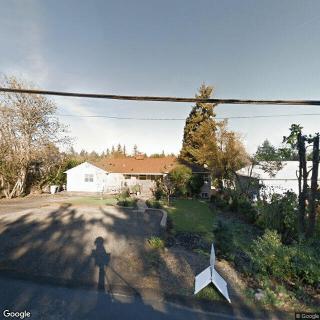



 Medications Associated with Dementia Risk: A Comprehensive Overview
 Guiding Your Journey: Understanding Power of Attorney for Elderly Parents
 22 Remarkable Caregiver Support Groups Available Online and In-Person