
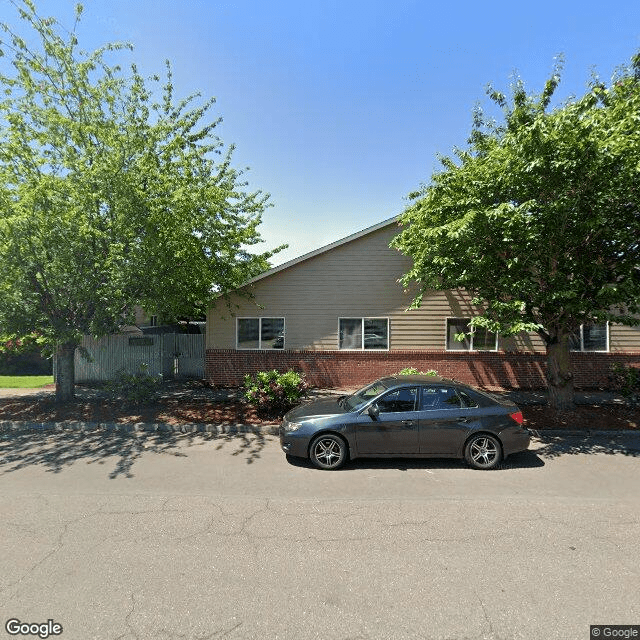
351 SE 5th St, Hillsboro, OR 97123
To contact a resident: (503) 648-3413
For more information about senior living options: (866) 208-4318
Inspired Senior Living of Hillsboro Costs & Pricing
Inspired Senior Living of Hillsboro presents a premium pricing structure for its studio accommodations, with monthly costs reaching $8,000. This figure substantially exceeds the average cost in Yamhill County, which stands at $4,837, and is notably higher than the state average of $3,815 for similar living arrangements. While these costs reflect the high-quality services and amenities offered at Inspired Senior Living, they may position it as a more exclusive option compared to other facilities in both the county and statewide context. The investment in this senior living community suggests a commitment to providing an enhanced lifestyle experience that prioritizes comfort and care.
| Floor plans | Inspired Senior Living of Hillsboro | Yamhill County | Oregon |
|---|---|---|---|
| Studio | $8,000 | $4,837 | $3,815 |
Memory care communities with a similar price nearby
-
About the same
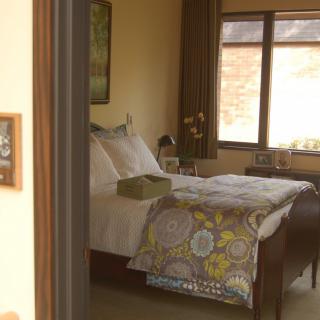
Maryville Memory Care
$7,829 to $8,559 / month7.9 miles away -
from -$1000 / mo
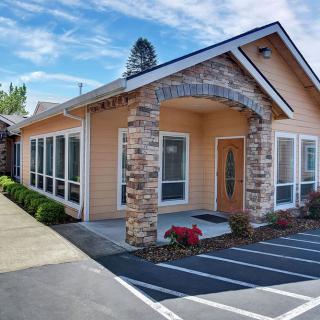
Tabor Crest 1
$7,000 / month19.3 miles away -
from -$425 / mo
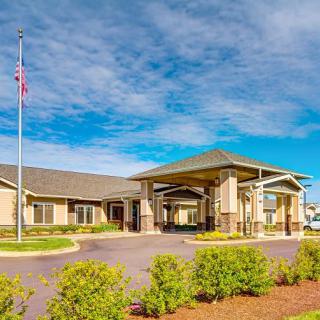
Arbor Oaks Terrace Memory Care
$7,575 to $9,095 / month15.2 miles away -
from -$565 / mo
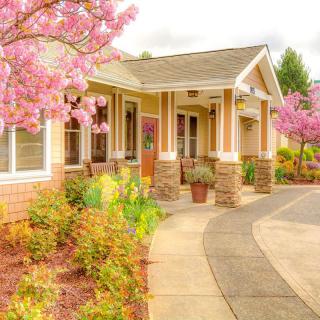
Monterey Court Alzheimer's Care
$7,435 / month20.7 miles away -
from -$1276 / mo
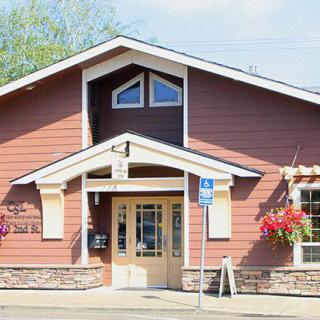
Countryside Living of Canby
$6,724 to $7,430 / month22.5 miles away
Overall Review of Inspired Senior Living of Hillsboro
Pros
 Harmony Guest Home has been described as totally amazing.
- The staff is friendly and attentive, and the environment feels like family.
- The food is really good.
- The staff accepted residents without question.
- They showed a willingness to work with families and take patients in under tough circumstances.
- Dava is described as an angel.
- The overall experience is highly recommended.
Cons
 No negative third-person statements found in the provided reviews.
Review
Inspired Senior Living of Hillsboro is best suited for families seeking a warm, intimate memory-care–leaning setting in the Hillsboro area. The reviews consistently describe a small, home-like community where residents are greeted by friendly faces, dining is pleasant, and staff treat people like family. It shows particular strength for seniors who thrive on personal, relationship-driven care and for families who want a setting that welcomes a loved one with memory challenges without friction. Those needing heavy clinical interventions, a large campus, or a facility with broad, highly structured medical oversight may want to consider alternatives that offer more expansive clinical resources and a less intimate, village-like environment.
The strongest positives center on a clean, welcoming environment, with staff described as consistently attentive and genuinely friendly. Several reviewers emphasize that the dining experience is good and meals are enjoyed, reinforcing a sense of everyday comfort. The atmosphere is repeatedly portrayed as family-oriented, where staff know residents by name and form bonds that feel meaningful rather than transactional. Importantly, the facility has demonstrated a willingness to work with families under challenging circumstances and to admit residents without resistance when needs arise, a practical asset for caregivers navigating complicated transitions for memory-care residents.
On the caution list, the most salient concern is staff turnover observed in a relatively short timeframe. This raises legitimate questions about continuity of care and the perseverance of long-term caregiver relationships, which are vital for residents with memory challenges. Prospective families should probe the current staffing situation: who leads the care team, what the retention rate looks like, and how turnover is mitigated through training and supervision. The absence of broader negative feedback elsewhere is a reassuring sign, but turnover remains the one real-area risk that can affect consistency of routines and the sense of security for residents.
These positives offset the turnover risk to a meaningful degree through the facility’s culture and daily rhythm. A warm, relational approach keeps quality of life high even when staff changes occur, and the capacity to accommodate families during tough transitions speaks to a practical flexibility that families want in care. The memory-care emphasis, with an environment that stresses acceptance, personalization, and ongoing communication with families, can reduce anxiety for both residents and loved ones. When care teams align on a shared mission to treat residents as extended family, the impact of changes in staff can be buffered by consistent routines and available leadership.
For families actively evaluating options, concrete steps matter. Arrange a tour during a typical day to observe how staff interact with residents, particularly during routines, transitions, and meals. Ask for specific metrics: current staff-to-resident ratios on memory-care assignments, who oversees individualized care plans, and how updates get communicated to families. Inquire about dining, including menu variability and accommodations for dietary needs, as well as the types of activities that support memory-care residents’ engagement and cognitive stimulation. Clarify whether Harmony Guest Home is a separate unit, branding, or a distinct program within the same campus, and verify the level of on-site medical oversight or on-call access. Comparisons with other options on proximity, cost, activity programming, and overall clinical resources will help determine whether this community truly aligns with long-term goals.
Overall, Inspired Senior Living of Hillsboro stands out for families prioritizing warmth, a personal touch, and a strong sense of community, especially for memory-care needs. It delivers a hospitable, home-like daily life with a clear emphasis on resident happiness and meaningful interactions, rather than a rigid, impersonal model. The main caveat is staff turnover, which warrants targeted questions and due diligence about stability and leadership. For families seeking a larger-scale memory-care environment with broader clinical resources and steadier staffing, alternatives may offer a more comprehensive safety net; for those chasing a close-knit, person-centered experience, Inspired Senior Living of Hillsboro earns serious consideration and a candid, practical appraisal.
 Memory Care
 Activities on-site
 Beautician on-site
 Devotional services off-site
 Indoor common areas
 Outdoor common areas
 Respite or short term stays offered
 Wheelchair accessible showers
 Portland International (19 miles away)
 Diabetic care
 Incontinence care
 Medication management
 Kosher


 Dementia, Paranoia, and Caregiver Guidance: Understanding the Connection
 Engaging Memory Care Activities That Enhance Quality of Life
 When to Transition from Assisted Living to Memory Care: Key Indicators, Steps, and Finding the Right Community