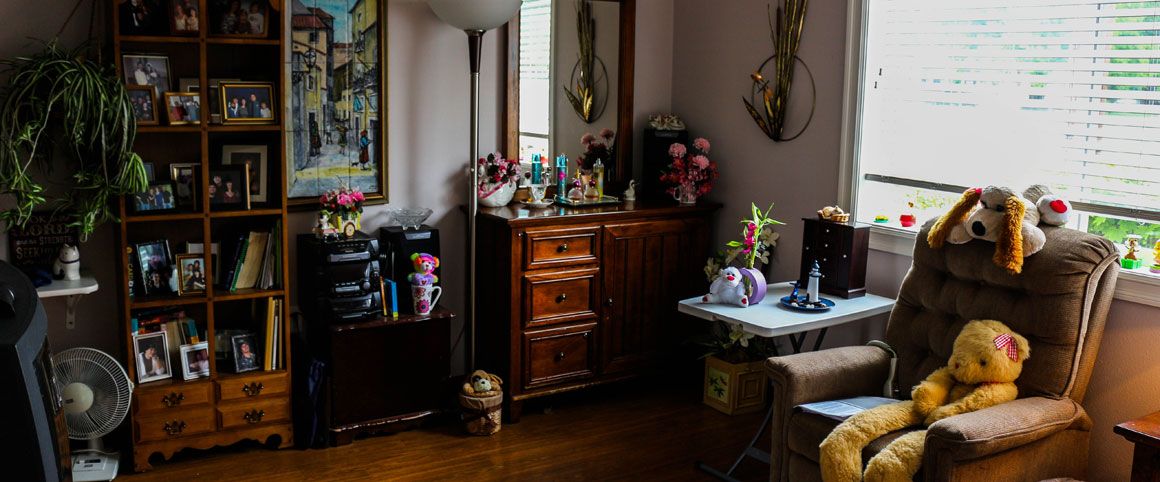
Harmony Guest Home

Save

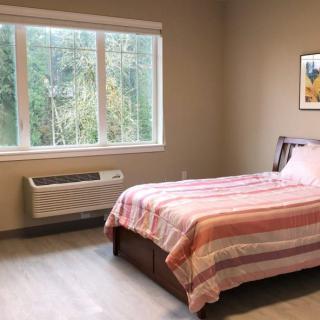
  • Interior

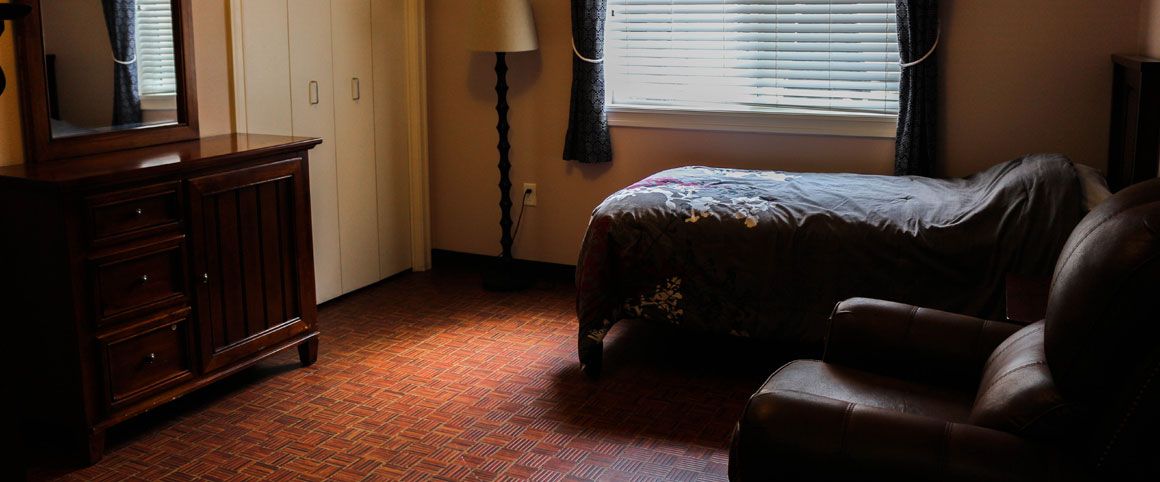
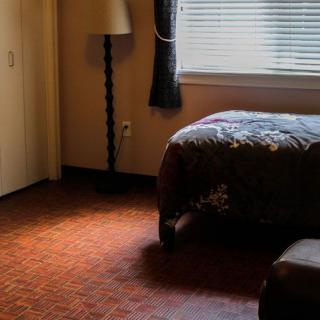
    A cozy bedroom with a bed, lamp, and window with curtains.
  • Decor

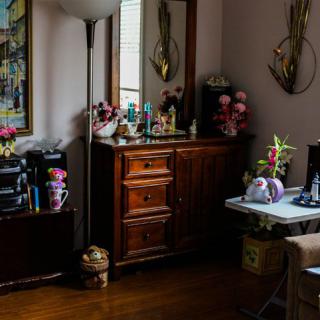
    A cozy living room corner with a wooden dresser, decorative flowers, and a standing lamp.
  • Living Room

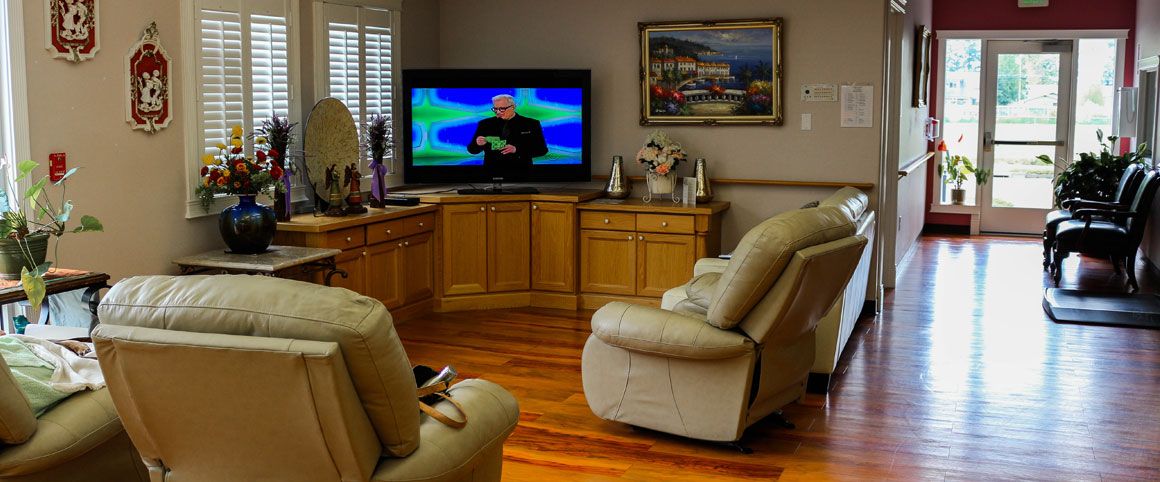
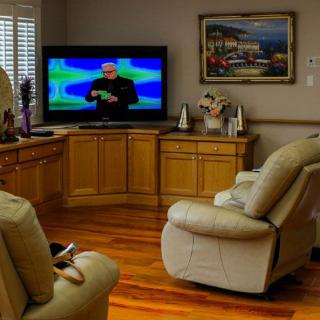
    Cozy living room with recliner chairs and a television.
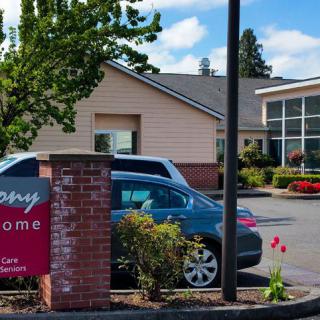
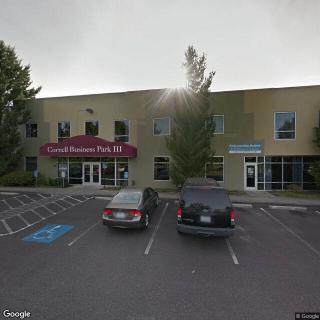
  • Building

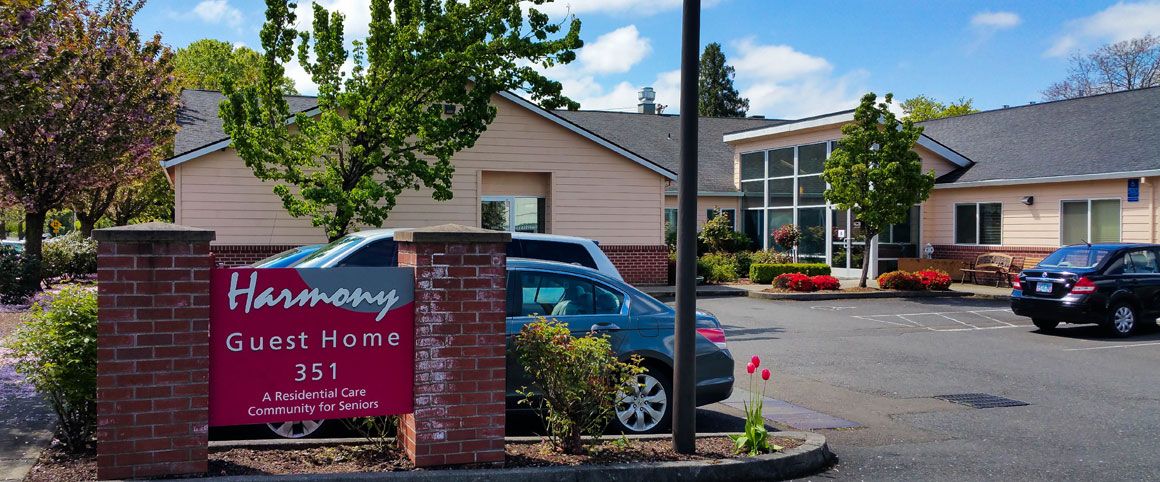
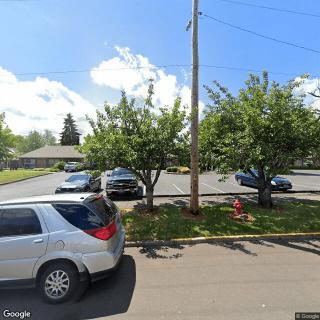
    A building with a sign in front, surrounded by a parking lot and cars on a clear day.
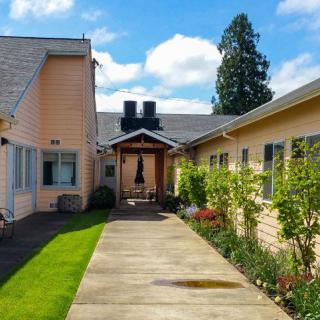
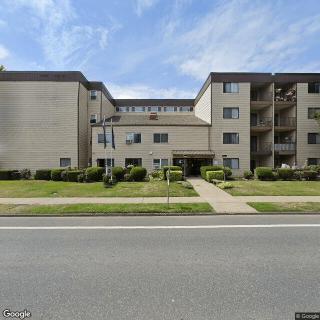
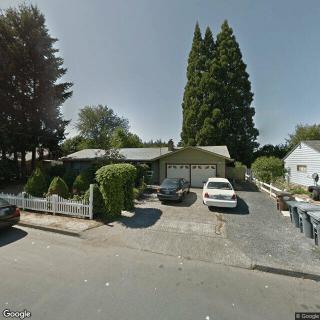
  • Architecture

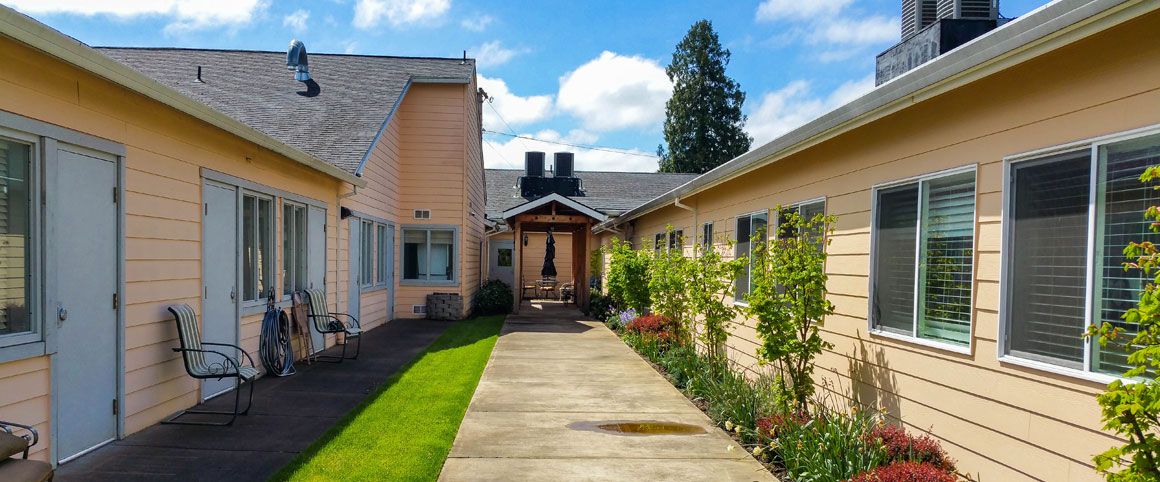
    A view of a house with a garden pathway under a blue sky.
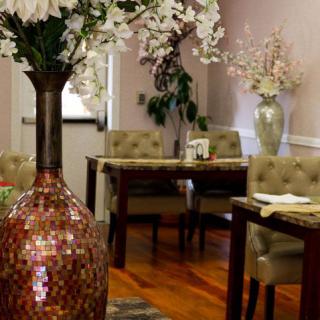
  • Dining

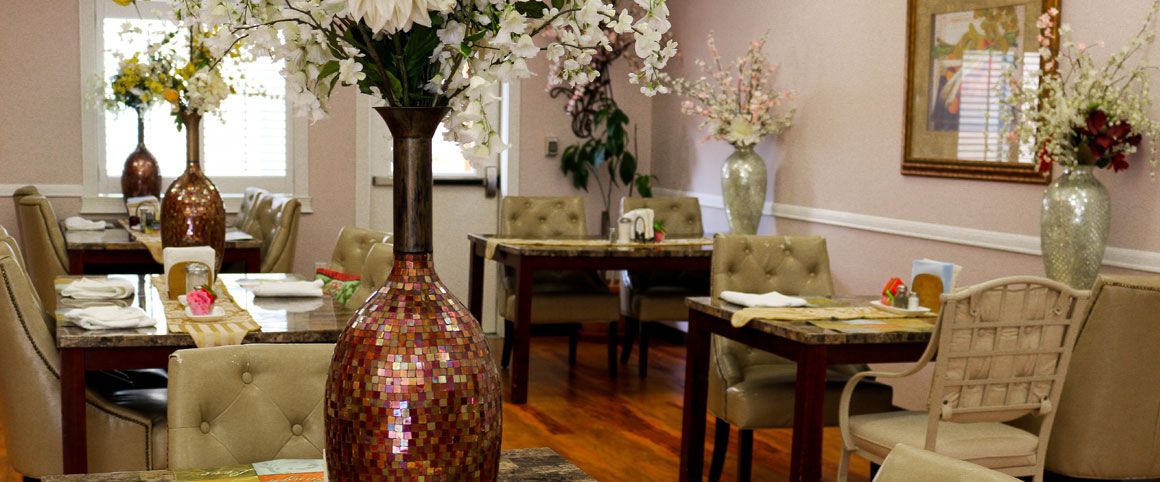
    A cozy restaurant interior featuring elegant floral decor and neatly arranged tables.

Harmony Guest Home

351 Southeast 5th Avenue, Hillsboro, OR 97123

For more information about senior living options: (844) 490-3973

4.3 from 27 reviews
5 stars
20
4 stars
2
3 stars
1
2 stars
0
1 stars
4

Assisted Living Memory Care Respite Care

What level of care are you interested in?

Assisted Living

Memory Care

Independent Living

Skilled Nursing Facility

Continuing Care Retirement Community (CCRC)CCRC

Other


Request a tour at Harmony Guest Home

    Overall Review of Harmony Guest Home

    Pros

    • pro Ed loved everyone he met at Volante.
    • pro The Volante staff is very interactive and attentive to residents' needs.
    • pro Volante's memory care team is highly recommended.
    • pro Volante Senior Living staff are fully present, engaged, and committed to residents' safety and well-being.
    • pro Memory-impaired residents are welcomed and accepted by other residents at Volante.
    • pro Deborah and Candace generate warmth and care that is reflected across the staff.
    • pro Harmony Guest Home staff makes residents feel like family.
    • pro Harmony Guest Home is clean, safe, and updated.
    • pro The grounds and surrounding area of Harmony Guest Home are beautiful.
    • pro Tammy and Asia are knowledgeable, professional, and a great benefit to Harmony.

    Cons

    • pro One reviewer alleges abuse and medication mishandling by the facility, resulting in dangerous blood sugar levels and ongoing safety concerns.
    • pro A reviewer calls Harmony Guest Home the worst place for memory care, claiming residents are not watched and can roam around town.
    • pro A reviewer reports the facility pulled over $8,000 in rent after a resident was moved, and accuses the staff of delaying the refund amid leadership turnover.
    • pro A reviewer states a resident escaped twice and wandered downtown alone, describing the place as horrible and unsafe.
    • pro A reviewer asserts that the facility is not safe to have loved ones in.

    Review

    Across Portland, families describe memory care experiences that run the gamut from radiant warmth and engaged care to troubling concerns about safety and management. One facility that repeatedly earns praise is Volante Senior Living, where the impression left by residents and visitors alike is one of immediate connection and ongoing attentiveness. A brother's memory care journey began with a decisive moment at Volante: he met the people there and, before the tour even finished, chose the community himself. This early conviction appears to have held steady for months, with family members noting the staff's interactive and attentive approach as well as the emphasis on resident well-being beyond basic safety. Those who visit as performers or guests often remark on the sense that Volante's team is fully present, with a remarkable level of engagement across the entire staff - from caregivers to janitorial and front desk personnel. The environment seems to support real moments of care, as one entertainer described, including instances where staff noticed emotional responses from residents during a performance and responded with compassion, sitting with a resident who was moved to tears and offering a comforting touch. The impression is that Volante's memory care team fosters a culture where residents with memory impairments are welcomed into all activities, not merely tolerated.

    Another positive voice from Volante comes from someone who travels the Senior Living circuit for work: the sense of "presence" and "commitment" shown by the staff is not just about safety, but about the overall well-being of each person. The feedback highlights a culture of hospitality, where even during a moment of disruption - like a loud cough during a performance - the staff remained calm and unfazed, a sign of well-practiced teamwork and genuine concern for residents' comfort. In stories like these, the warmth radiates from individuals such as Deborah and Candace, whose leadership appears to filter through to the entire campus. The extended appreciation for the team paints Volante as a community where residents are seen, heard, and valued in real time, regardless of the setting - whether a routine day or a special event.

    Not all experiences in the broader memory care landscape, however, unfold without challenge. One family's account details a troubling sequence at a different facility: allegations of abuse, improper medication management, and neglectful medical oversight. According to Lori Reeves, her husband was subjected to withholding of medications, negligent treatment of diabetic needs, and physical symptoms like toenails turning green and black, with blood sugar spiking severely as a result. The family chose to move him to another facility, after which some health indicators improved quickly, but a large rent charge for a period after the move raised questions about financial practices. This account is presented with strong emotion and concern for safety and accountability, underscoring the importance of careful oversight, consistent medical adherence, and transparent billing practices in memory care settings.

    Amid these high-stakes concerns, other families offer a steadier chorus of reassurance and satisfaction about their experiences. A reviewer who describes themselves as a contractor who visits multiple facilities speaks positively of Harmony (Harmony Guest Home), noting beautiful surroundings and a generally warm, family-like atmosphere. The sentiment across several Harmony mentions is that residents are treated with kindness and care, with staff who feel genuinely invested in their residents' wellbeing. Several families emphasize how their loved ones feel at home rather than institutionalized, with residents expressing happiness and families feeling grateful for the sense of belonging that Harmony provides. These reflections present Harmony as a place where the daily life of residents - meals, activities, and personalized attention - is shaped by a culture of warmth and familial regard.

    Within theHarmony narrative, there are also voices that probe for safety and consistency. One account speaks to a resident escaping the facility on two separate occasions, prompting fear and concern for a loved one with advanced Alzheimer's. That review accompanied strong emotion and worry about the facility's ability to monitor residents who may roam, a reminder that safety is not automatically guaranteed in any memory care setting. In response, other family members and staff insiders share a counterpoint - asserting that Harmony staff and leadership have been supportive, that the facility's policies are in place, and that some families have found Harmony to be a place where their loved ones feel supported and cared for. The dialogue around Harmony includes both praise and caution, illustrating that perceptions of safety and quality can vary even within the same community and that ongoing communication between families and staff is essential.

    Beyond Harmony and Volante, another Portland-area option shines in the form of ISL (a facility associated with strong endorsements from residents' families). Reviewers describe ISL as offering rich opportunities for physical activity, social engagement, and a sense of family and community. The grounds are called beautiful, and the staff praised as friendly and warm, with hospitality described as exemplary. One family member notes the director, Tammy, and a nurse, Asia, as standout professionals who bring knowledge, professionalism, and a welcoming presence to the facility. Even when a family member is not in a place to move immediately, this observer is reassured by the level of care and the confidence they felt in the staff. The ISL experiences shared here emphasize programs that engage memory-impaired residents in meaningful ways, with a sense that loved ones are cared for with patience, respect, and genuine affection.

    A common thread across these narratives is not simply the presence of care, but the quality of that care as experienced through daily interactions. Several accounts describe staff who go beyond routine duties to create moments of connection - holding a hand during a tearful moment, recognizing a resident's emotional cue, and demonstrating a readiness to respond to the fluctuating needs associated with memory loss. Families repeatedly highlight the reassurance of a home-like atmosphere, where residents are treated with dignity, included in activities, and spoken to with respect. At the same time, the collection of voices reminds us that memory care lives in the balance between warmth and vigilance - the critical need to protect residents, maintain medical oversight, and ensure transparent, fair administration.

    Taken together, these impressions sketch a Portland memory care landscape where residents and families can find communities that feel like home, with staff who are deeply invested in the well-being and happiness of each person. Volante's early decisiveness and ongoing warmth, Harmony's family-centered approach alongside ongoing conversations about safety and governance, and ISL's emphasis on movement, social engagement, and professional leadership all contribute to a nuanced tapestry. The overarching message is clear: when choosing a memory care home, personal experience - through visits, conversations with staff, and careful observation of daily interactions - matters most. Families are encouraged to look for environments where the people are truly present, where care extends beyond rules and routines into genuine human connection, and where administrative practices align with the highest standards of care and accountability.

    Features

    Housing

    • 62 resident community capacity 62 resident community capacity

    Types of Care

    • Assisted Living Assisted LivingAssisted living facilities provide crucial support and care for seniors who may need help with daily tasks such as medication management, bathing, and meal preparation. These communities offer a safe and comfortable environment where seniors can maintain their independence while receiving the assistance they need to thrive in their golden years.
    • Memory Care Memory CareMemory care is crucial for seniors as it provides specialized support and services for individuals with dementia or Alzheimer's disease. These programs offer a safe and secure environment where residents receive personalized care, cognitive stimulation, and help with daily activities. Memory care helps seniors maintain their independence, quality of life, and dignity while also providing peace of mind for their families.
    • Respite Care Respite CareRespite care provides temporary relief for caregivers, allowing them to recharge and attend to their own needs. It also gives seniors the opportunity to socialize, receive professional care, and experience a change of scenery, promoting overall well-being and reducing feelings of isolation.

    Amenities

    • Air-conditioning Air-conditioningAir conditioning is important for seniors as they are more vulnerable to heat-related illnesses and may have underlying health conditions that make it difficult for them to regulate their body temperature. It helps to keep them comfortable, safe, and healthy in hot weather.
    • Beauty salon Beauty salonBeauty salons are important for seniors because they provide a space for them to feel pampered, socialize, and maintain their personal grooming and hygiene. Regular visits to a beauty salon can help boost seniors' self-esteem and overall well-being.
    • Cable or satellite TV Cable or satellite TVCable or satellite TV is important for seniors because it provides entertainment, news, and companionship, helping to combat loneliness and boredom. It also offers a wide range of programming options tailored to different interests and preferences.
    • Computer center Computer centerA computer center is essential for seniors as it provides access to technology, communication tools, and resources that can enhance their daily lives. It allows them to stay connected with loved ones, engage in online activities, and learn new skills, ultimately promoting socialization and mental stimulation.
    • Dining room Dining roomDining rooms are important for seniors as they provide a space for socialization, connection, and nutritious meals. They offer opportunities for residents to bond over shared meals, foster a sense of community, and promote healthy eating habits. Dining rooms also ensure that seniors have access to well-balanced meals tailored to their dietary needs and preferences.
    • Fitness room Fitness roomHaving a fitness room in a senior living community is essential for seniors to stay active, maintain their physical health, and improve their overall well-being. Regular exercise can help prevent falls, reduce the risk of chronic diseases, and promote mental sharpness. It also provides social opportunities for residents to connect with others and enjoy a sense of community.
    • Fully furnished Fully furnishedFully furnished senior living communities are important for seniors because they provide convenience, comfort, and a hassle-free moving experience. Seniors can easily settle into their new living space without the stress of having to buy and move furniture. This allows them to focus on enjoying their new home and community.
    • Gaming room Gaming roomGaming rooms are important for seniors as they provide a fun and engaging environment for socializing, cognitive stimulation, and physical activity. Games can improve memory, problem-solving skills, and overall mental well-being while fostering friendships and reducing feelings of isolation.
    • Garden GardenGardens are important for seniors as they provide a peaceful and therapeutic environment for relaxation, physical activity, and socialization. Being in nature has been shown to reduce stress, improve mood, and promote overall well-being. Gardens also offer opportunities for seniors to engage in gardening activities, which can improve mobility, flexibility, and cognitive function. Additionally, gardens create a sense of community and connection with others who share a passion for plants and outdoor spaces.
    • Housekeeping services Housekeeping servicesHousekeeping services are important for seniors because they help maintain a clean and safe living environment, promote independence, and reduce the risk of accidents or illnesses. Additionally, having assistance with household chores can alleviate physical strain and allow seniors to focus on other aspects of their well-being.
    • Kitchenette KitchenetteKitchenettes are important for seniors living in senior living communities because they provide the convenience and independence of being able to prepare simple meals and snacks in the comfort of their own living space. This can help promote a sense of autonomy and well-being for seniors, allowing them to maintain some level of control over their dietary choices and daily routines.
    • Move-in coordination Move-in coordinationMove-in coordination is important for seniors because it helps ease the transition into their new living environment. It ensures that all logistics, such as packing, organizing movers, and setting up utilities are taken care of, allowing seniors to focus on settling in and adjusting to their new home. Having a smooth move-in process can alleviate stress and anxiety, making the transition smoother and more enjoyable for seniors.
    • Outdoor space Outdoor spaceOutdoor spaces are important for seniors as they provide opportunities for physical activity, social interaction, exposure to natural light and fresh air, and a sense of connection to nature. Having access to outdoor spaces can improve overall well-being and quality of life for older adults living in senior communities.
    • Private bathrooms Private bathroomsPrivate bathrooms are important for seniors in senior living communities because they provide independence, dignity, and comfort. Having a private bathroom allows seniors to maintain their personal hygiene routines without the need for assistance, promoting a sense of autonomy and privacy. Additionally, private bathrooms help prevent the spread of infections and provide a safe and clean environment for seniors to navigate safely.
    • Restaurant-style dining Restaurant-style diningRestaurant-style dining is important for seniors because it allows them to enjoy delicious, nutritious meals in a social and upscale setting. This enhances their dining experience, promotes healthy eating habits, and fosters socialization with fellow residents, ultimately contributing to their overall well-being and quality of life.
    • Small library Small librarySmall libraries are important for seniors as they provide access to a variety of reading materials, including books, newspapers, and magazines. This can help stimulate their minds, keep them engaged, and provide a sense of community through book clubs and other social activities. Additionally, reading has been shown to improve cognitive function and overall mental well-being in older adults.
    • Telephone TelephoneTelephones are important for seniors as they provide a lifeline for communication with loved ones, emergency services, and healthcare providers. They offer a sense of security and independence, enabling seniors to stay connected and access assistance when needed.
    • Wellness center Wellness centerWellness centers are important for seniors because they offer a variety of programs and services that promote physical, mental, and emotional well-being. These centers provide opportunities for exercise, socialization, education, and relaxation, helping seniors maintain their overall health and quality of life.
    • Wi-Fi/high-speed internet available Wi-Fi/high-speed internet availableWi-Fi/high-speed internet is important for seniors to stay connected with loved ones, access online resources, and participate in virtual activities to combat feelings of loneliness and isolation. It also allows them to easily manage healthcare needs, access entertainment, and engage in lifelong learning opportunities.

    Transportation

    • Portland International (19 miles away) Portland International (19 miles away)
    • Community operated transportation Community operated transportationCommunity operated transportation is crucial for seniors as it provides them with the means to access essential services, social activities, and medical appointments. It allows seniors to maintain their independence and quality of life by ensuring they can participate in activities outside of their homes. Additionally, community-operated transportation services offer a safe and reliable way for seniors to travel without having to rely on family or friends for assistance.
    • Transportation arrangement Transportation arrangementTransportation arrangements are crucial for seniors as they may face challenges with driving, mobility, or access to public transportation. Having reliable transportation services ensures that seniors can easily attend appointments, social activities, and maintain their independence and quality of life.
    • Transportation arrangement (non-medical) Transportation arrangement (non-medical)Transportation arrangements are essential for seniors as they provide access to essential services, activities, and social interactions outside the home. This service helps maintain independence, mobility, and overall well-being for seniors who may have limited transportation options.
    • Transportation to doctors appointments Transportation to doctors appointmentsTransportation to doctors appointments is crucial for seniors as it ensures they have access to necessary medical care and support, promoting their health and well-being. It allows them to receive timely treatment, monitor existing conditions, and address any new health concerns efficiently. Additionally, transportation services can help seniors maintain their independence and quality of life by enabling them to stay connected with their healthcare providers.

    Care Services

    • 12-16 hour nursing 12-16 hour nursing12-16 hour nursing care is crucial for seniors in order to ensure around-the-clock monitoring, timely medication administration, and prompt response to any health concerns or emergencies. This level of care helps to promote the overall well-being and safety of seniors living in senior living communities.
    • 24-hour call system 24-hour call system24-hour call systems are important for seniors because they provide peace of mind and immediate assistance in case of emergencies. This technology ensures that help is always available, promoting safety and security for elderly individuals living alone or in assisted living facilities.
    • 24-hour supervision 24-hour supervision24-hour supervision is important for seniors to ensure their safety, well-being, and access to immediate assistance in case of emergencies or health issues. This constant support provides peace of mind for both seniors and their loved ones, allowing them to age in place with dignity and security.
    • Activities of daily living assistance Activities of daily living assistanceActivities of daily living assistance are important for seniors because they provide essential support with tasks such as eating, bathing, dressing, and mobility. This assistance helps seniors maintain their independence, dignity, and overall quality of life as they age.
    • Assistance with bathing Assistance with bathingAssistance with bathing is crucial for seniors as it helps maintain personal hygiene, prevents infections, and ensures their overall well-being and comfort. It also provides a sense of dignity and independence for seniors who may struggle with this task on their own.
    • Assistance with dressing Assistance with dressingAssistance with dressing is important for seniors because it helps maintain their independence, promotes personal hygiene, prevents accidents and injuries, and improves overall quality of life. This service ensures that seniors can continue to dress comfortably and confidently, despite any physical limitations they may have.
    • Assistance with transfers Assistance with transfersAssistance with transfers is crucial for seniors as it helps prevent falls and injuries, maintains their independence, and ensures they can safely navigate their living environment. It also provides peace of mind for both seniors and their loved ones.
    • Diabetes diet Diabetes dietA diabetes diet is crucial for seniors as it helps manage blood sugar levels, reduce risks of complications, and improve overall health and well-being. By following a balanced and nutritious diet tailored to their specific needs, seniors can better control their diabetes and enhance their quality of life.
    • Meal preparation and service Meal preparation and serviceMeal preparation and service are crucial for seniors as they may have limited mobility or energy to cook nutritious meals. Having access to healthy and convenient food options can ensure they are getting the proper nutrition needed to maintain their overall health and well-being.
    • Medication management Medication managementMedication management is crucial for seniors to ensure they are taking the right medications at the correct dosages and times. This helps prevent adverse drug interactions, reduces the risk of medication errors, and promotes overall health and well-being. Proactive management also allows for adjustments as needed based on changing health conditions or new prescriptions.
    • Mental wellness program Mental wellness programMental wellness programs are essential for seniors as they promote cognitive stimulation, emotional support, and social engagement. These programs help prevent isolation, depression, and cognitive decline, ultimately enhancing the overall quality of life for older adults.
    • Mild cognitive impairment Mild cognitive impairment"Mild cognitive impairment" is important for seniors because it is an early stage of cognitive decline that can potentially progress to more severe conditions such as dementia. Recognizing and addressing mild cognitive impairment can help seniors receive appropriate care and support to maintain their quality of life and independence for as long as possible.
    • Special dietary restrictions Special dietary restrictionsSpecial dietary restrictions are important for seniors because age-related changes in metabolism and health conditions can make it difficult for their bodies to process certain foods. By following a diet tailored to their specific needs, seniors can maintain their overall health and well-being, manage chronic conditions, and reduce the risk of complications such as malnutrition or food interactions with medications.
    • Specialized memory care programming Specialized memory care programmingSpecialized memory care programming is crucial for seniors with cognitive impairments such as dementia or Alzheimer's disease. These programs provide a safe and supportive environment tailored to the unique needs of individuals with memory loss, helping them maintain their independence, dignity, and quality of life.

    Dining

    • Diabetes diet Diabetes dietA diabetes diet is crucial for seniors as it helps manage blood sugar levels, reduce risks of complications, and improve overall health and well-being. By following a balanced and nutritious diet tailored to their specific needs, seniors can better control their diabetes and enhance their quality of life.
    • Special dietary restrictions Special dietary restrictionsSpecial dietary restrictions are important for seniors because age-related changes in metabolism and health conditions can make it difficult for their bodies to process certain foods. By following a diet tailored to their specific needs, seniors can maintain their overall health and well-being, manage chronic conditions, and reduce the risk of complications such as malnutrition or food interactions with medications.

    Activities

    • Community-sponsored activities Community-sponsored activitiesCommunity-sponsored activities are important for seniors as they provide opportunities for social interaction, mental stimulation, and physical activity. These activities can help improve overall well-being, combat loneliness and isolation, and promote a sense of belonging and purpose among older adults.
    • Concierge services Concierge servicesConcierge services are essential for seniors as they provide assistance with daily tasks and errands, enhance their quality of life by offering convenience and personalized care, and promote a sense of safety and security.
    • Fitness programs Fitness programsFitness programs are crucial for seniors as they help improve strength, flexibility, balance, and overall well-being. Staying active can reduce the risk of chronic diseases, improve mental health, and enhance quality of life in older adults.
    • Planned day trips Planned day tripsPlanned day trips are important for seniors because they offer opportunities for socialization, mental stimulation, and physical activity. They provide a change of scenery and help seniors stay engaged and connected to their community, promoting overall well-being and quality of life.
    • Resident-run activities Resident-run activitiesResident-run activities are important for seniors as they encourage social interaction, creativity, and a sense of autonomy. These activities empower seniors to stay engaged and active in their community while fostering meaningful connections with their peers.
    • Scheduled daily activities Scheduled daily activitiesScheduled daily activities are important for seniors because they provide structure, socialization, mental stimulation, and physical activity. Engaging in regular activities can improve overall well-being and quality of life for seniors living in a community setting.

    Description

    The Harmony Guest Home in Hillsboro, OR offers a variety of care services to meet the needs of its residents. With a focus on memory care and respite care, this assisted living community provides 24-hour supervision and assistance with activities of daily living. The dedicated staff is available around the clock, ensuring that residents receive the support they need.

    The amenities at Harmony Guest Home are designed to enhance the quality of life for residents. From a fully furnished living space to a beauty salon for pampering, there is something for everyone. The dining room offers restaurant-style meals tailored to meet any special dietary restrictions, ensuring that each resident receives nutritious and delicious meals.

    Residents can stay active and engaged with a variety of activities offered at Harmony Guest Home. Fitness programs, planned day trips, resident-run activities, and scheduled daily activities provide plenty of opportunities for socialization and fun. Concierge services are available to assist with any additional needs or requests.

    Location is another advantage of choosing Harmony Guest Home. With several cafes, parks, pharmacies, physicians, restaurants, and transportation options nearby, residents have convenient access to essential services and recreational activities.

    Whether it's enjoying the beautiful gardens or participating in stimulating memory care programming, residents at the Harmony Guest Home can enjoy their retirement years in comfort and with peace of mind knowing that they are well-cared for in a supportive environment.

    Nearby Places of Interest

    Physicians

    • Dr Chad Pfefer MD (0.1 miles)
    • Cascade Medical Boutique (0.1 miles)
    • Hillsboro Orthopedic Clinic (0.2 miles)
    • Davis Catherina-General Surgeon (0.2 miles)
    • Hillsboro Hematology Oncology (0.3 miles)
    • Mustaquim Chowdhury MD (0.3 miles)
    • Podiatric Physicians & Surgeons (0.3 miles)

    Hospitals

    • Tuality Community Hospital (0.3 miles)
    • Tuality Health Education Center (0.3 miles)

    Pharmacies

    • Hillsboro Pharmacy United Drugs (0.3 miles)
    • Hillsboro Pharmacy (0.3 miles)
    • Walgreens (0.4 miles)
    • CVS Pharmacy (1.5 miles)
    • Rite Aid (1.6 miles)
    • Walgreens (3.9 miles)
    • Fred Meyer Pharmacy (4.5 miles)

    Cafes

    • Starbucks (1.7 miles)
    • Starbucks (2.5 miles)
    • Starbucks (3.9 miles)
    • Dutch Bros Coffee (3.9 miles)
    • Starbucks (4 miles)
    • Black Rock Coffee Bar (6.4 miles)
    • Aurora Coffeehouse PDX (9.4 miles)

    Transportation

    • Hertz Car Rental - Hillsboro Airport (2 miles)
    • Hillsboro Airport (HIO) (2 miles)
    • TriMet Quatama/NW 205th Ave MAX Station (4.6 miles)
    • Beaverton Creek MAX Station (7.4 miles)
    • Sunset Transit Center (9.8 miles)

    Restaurants

    • McDonald's (2.6 miles)
    • Great Northwest Ice Cream (3.1 miles)
    • Park Lanes Family Entertainment Center (3.6 miles)
    • Sonic Drive-In (4.1 miles)
    • Reedville Cafe (4.2 miles)
    • Del Taco (4.2 miles)
    • BJ's Restaurant & Brewhouse (4.2 miles)

    Parks

    • Orenco Woods Nature Park (3.7 miles)
    • Tamarack Park (4.2 miles)
    • Hondo Dog Park (4.2 miles)
    • Butternut Creek Park (4.8 miles)
    • Butternut Park (5.8 miles)
    • Granada Park (6.9 miles)
    • Tualatin Hills Nature Park (7.1 miles)

    Theaters

    • Regal Evergreen Parkway & RPX (5.6 miles)
    • Century Theater Cedarhill (8.4 miles)

    Frequently Asked Questions

    Where is Harmony Guest Home?
    Does Harmony Guest Home provide care for residents with dementia or Alzheimer's disease?
    What photos are available for Harmony Guest Home in Hillsboro, Oregon?

    Nearby Communities

    Related Resources

    • delirium vs dementiaDelirium and Dementia: Unraveling the Key Differences

      Delirium is a rapidly onset, reversible cognitive disturbance often caused by acute medical issues, while dementia is a gradual and irreversible decline due to chronic neurodegenerative diseases. Accurate differentiation between the two is essential for appropriate treatment and management in older adults.

    • can you die from dementiaAre Dementia and Alzheimer's Disease Lethal? A Comprehensive Exploration

      Dementia, including Alzheimer’s disease, is often mischaracterized in terms of lethality as it leads to complications that can be fatal rather than being a direct cause of death; it causes a progressive decline in cognitive and physical health, making patients vulnerable to infections and other health crises. Effective management of nutrition, hydration, and communication is crucial in patient care, with palliative care becoming vital in advanced stages to enhance comfort and quality of life while caregivers play a key role amidst the challenges posed by the disease.

    • reminiscence therapyExploring the Power of Reminiscence Therapy for Individuals With Dementia
      Reminiscence therapy helps individuals with dementia recall past memories through structured discussions and meaningful objects, enhancing mood, relationships, and sense of identity while celebrating their lives. It can be practiced in formal settings or at home, requiring sensitivity to personal histories and cultural backgrounds.


    Get Pricing Ask A Question Schedule A Tour Contact Senior Advisor