
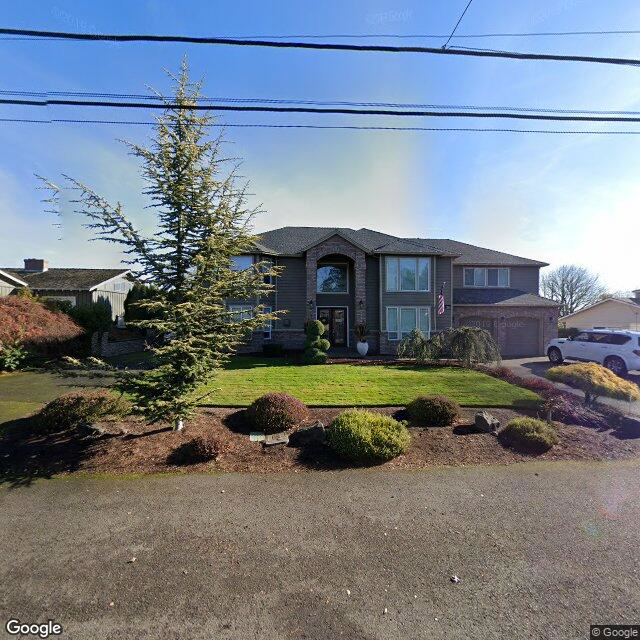
11560 SE Idleman Rd, Happy Valley, OR 97086
To contact a resident: (503) 252-2140
For more information about senior living options: (866) 208-4318
Happy Valley ACH Costs & Pricing
Happy Valley ACH offers competitive pricing for its private and studio room types, with both available at a monthly cost of $3,000. This pricing stands in contrast to the averages in Clackamas County and across Oregon, where similar accommodations tend to be more expensive. In Clackamas County, the average cost for a private room is $3,373 and a studio reaches $3,916, while state-wide figures indicate even higher costs at $3,424 for a private room and $3,815 for a studio. Such pricing not only highlights Happy Valley ACH's value proposition but also positions it as an attractive option for those seeking quality care without the premium price tag often found elsewhere in the region.
| Floor plans | Happy Valley ACH | Clackamas County | Oregon |
|---|---|---|---|
| Private | $3,000 | $3,373 | $3,424 |
| Studio | $3,000 | $3,916 | $3,815 |
Memory care communities with a similar price nearby
-
from -$500 / mo
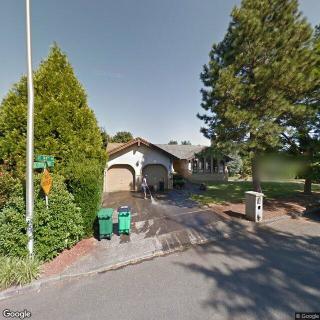
A Gentle Care Home
$2,500 / month1.8 miles away -
from +$500 / mo
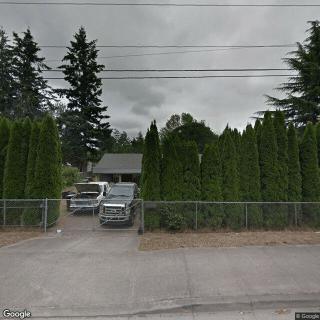
American Living Adult Family Home LLC
$3,500 / month15.2 miles away -
About the same
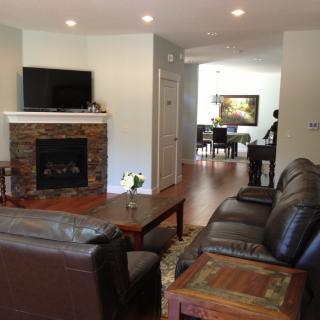
Elder Garden Care Home, LLC
$3,000 / month6.7 miles away -
from +$500 / mo
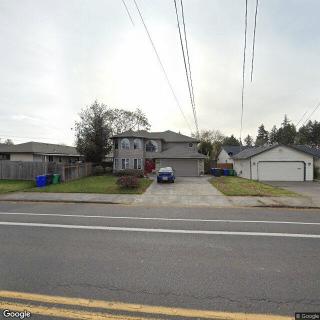
Northwest Home Health
$3,500 to $3,700 / month3.6 miles away -
About the same
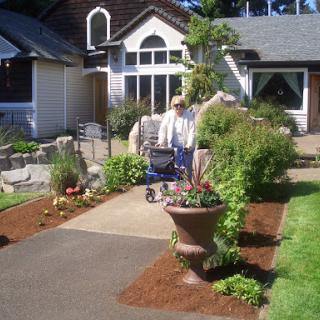
Rivercrest Adult Care
$3,000 to $3,700 / month8.0 miles away
Overall Review of Happy Valley ACH
Pros
 They took great care of his grandpa for three years, putting the family’s mind at ease.
- Lidia cared for the great grandma wonderfully and treated her like family.
- Lidia is a wonderful, kind, and caring person.
- The staff were very good to the grandmother and accommodated her vegetarian dietary needs.
- The grandmother loved being there, and this adult foster care comes highly recommended.
Review
Happy Valley ACH in Happy Valley, OR is best suited for families seeking a small, home-like care setting where residents receive exceptionally personalized attention and caregivers form meaningful, ongoing relationships with them. This community works best for elders who thrive on predictability, a quiet atmosphere, and the quiet confidence that comes from staff who treat residents like family. For families prioritizing continuity of care, consistent daily routines, and the reassurance that their loved one is not just another face in a large building, Happy Valley ACH offers a compelling, nonclinical alternative to bigger facilities.
Those who may want to consider alternatives are those who require robust medical oversight or a bustling social calendar, not just daily assistance. If the need centers on frequent hospital-level care, complex medical management, or specialized memory care with formal programs and highly structured activities, a larger, more resource-rich setting could be a better fit. Families seeking a highly medicalized environment, quick access to on-site physicians, or a campus with extensive therapy offerings might find the smaller foster-care style cadence at Happy Valley ACH insufficient. Similarly, those who value a broad, structured activity calendar or a campus-wide sense of “city-within-a-city” may wish to explore larger communities.
The strongest upside here is the care quality that naturally grows from a tightly knit staff-resident dynamic. The reviews consistently point to caregivers who go above and beyond, staff members who know individual histories, preferences, and needs, and who deliver care with genuine warmth. When a family member recalls that a loved one was “treated like family” and that care was “consistent and reliable over years,” it signals a level of trust and intimacy not always found in larger settings. The ability to tailor daily life, meal planning, routines, and personal interactions, to the resident’s preferences is a clear offset to the intimacy of the environment, ensuring comfort and dignity in daily living.
Another pronounced strength is the personal touch demonstrated by the staff. In these accounts, caregivers are not merely performing tasks; they are building relationships that give families peace of mind. The example of vegetarian meal accommodations shows attentiveness to individual dietary needs, which is a fundamental component of ongoing wellbeing and satisfaction for residents. The emotional resonance of stories about grandmothers who loved living there, and who “were miserable” in other homes before finding Happy Valley ACH, highlights an environment where emotional fulfillment complements basic care. Such anecdotes matter when families weigh the trade-offs between setting size, staff ratios, and genuine compassion.
Yet the reality of a small, home-like setting naturally comes with trade-offs. The same pros that create a cozy atmosphere can limit certain amenities found in larger campuses: fewer on-site medical specialists, less formal memory-care programming, and a more intimate calendar of activities. For families evaluating long-term feasibility, this means weighing the comfort of a trusted, caregiver-driven routine against potential gaps in advanced care options or breadth of programs. The reviews suggest that the core strength, trustworthy, person-centered care, often compensates for the absence of a hospital-like scale, but the balance will tilt differently depending on the resident’s evolving health needs and social desires.
In the end, Happy Valley ACH presents a pragmatic, powerful choice for families that prize intimate, dependable caregiving and a home atmosphere over institutional formality. It is a strong fit for residents who flourish with consistent caregivers, personalized meals, and routines that honor individual preferences. For those who require intensive medical management, wide-ranging activity programming, or specialized memory-care infrastructure, alternatives should be explored. A decisive step is to arrange a visit, observe caregiver–resident interactions, and probe for specifics on staffing patterns, care planning, and meal customization. If the priority is trust, continuity, and heartfelt attention, Happy Valley ACH stands out as a thoughtful, effective option.
 Board and Care Home
 Memory Care
 Private
 Portland International (10 miles away)
 Ambulatory care
 Diabetic care
 Incontinence care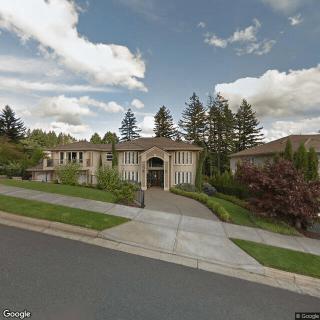
 Why Do Dementia Patients Sleep So Much? Understanding Oversleeping, Stages, and Care Approaches
 8 Key Indicators That Suggest It May Be Time to Transition from Assisted Living to Skilled Nursing Care
 Nourishing the Mind: Essential Dietary Approaches for Dementia