
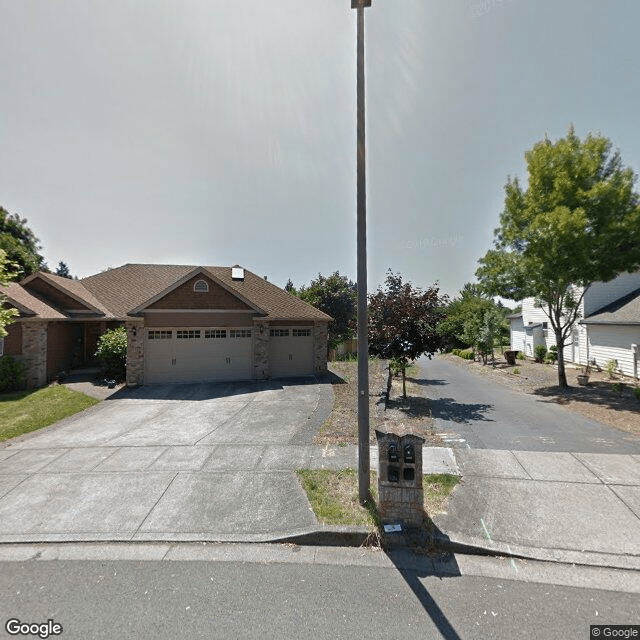
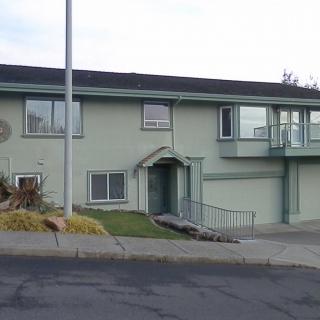
12100 SE Nella Way, Happy Valley, OR 97086
To contact a resident: (503) 888-1340
For more information about senior living options: (866) 208-4318
Serene Quarters ACH Costs & Pricing
Serene Quarters ACH offers competitive pricing for their private room accommodations at $3,000 per month. This rate not only positions them favorably against the average costs in Clackamas County, which stands at $3,373, but also reflects a savings compared to the overall state average of $3,424. By providing a more affordable option without compromising quality, Serene Quarters ACH is dedicated to meeting the needs of residents and their families while ensuring a comfortable living experience that aligns with financial considerations in the region.
| Floor plans | Serene Quarters ACH | Clackamas County | Oregon |
|---|---|---|---|
| Private | $3,000 | $3,373 | $3,424 |
Senior living communities with a similar price nearby
-
About the same
A Piece of Heaven
$3,000 / month3.2 miles away -
from -$500 / mo
Mapleview Manor, LLC
$2,500 / month2.7 miles away -
About the same
Yamhill Senior Care Home
$3,000 / month5.7 miles away -
About the same
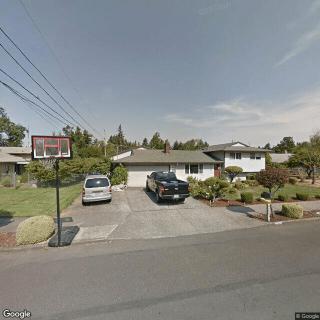
Peaceful Lighthouse Adult Care Home
$3,000 / month7.7 miles away -
from +$500 / mo
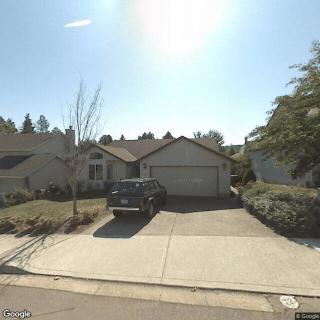
Fulga's ACH
$3,500 / month15.1 miles away
Overall Review of Serene Quarters ACH
Pros
 Serene Quarters ACH is really very nice and described as a very caring place.
- The staff at Serene Quarters ACH are caring and provide good care to residents.
- It doesn’t get much better than Serene Quarters ACH in Happy Valley.
- The facility is first-rate, with owner-operators who are wonderful to residents and their families.
- Families feel secure with the care provided at the home.
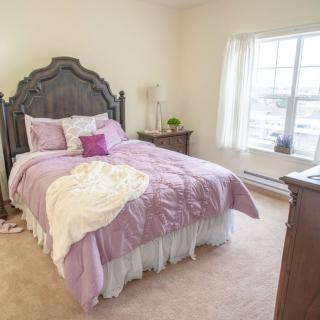
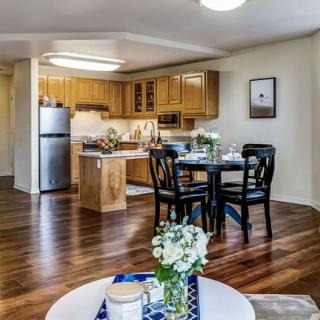
- The home is warm and beautiful, and residents are well cared for.
Cons
 The staff members at the Serene Quarters facility could improve on their interactions with both the family members and with the residents; they could definitely work on being a lot nicer than they already are.
- Lovely home; just didn't seem like the right fit.
- Did not care for the location.
Review
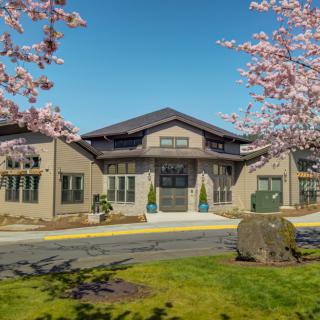
Serene Quarters ACH in Happy Valley is best suited for families seeking a small, home-like assisted living environment where residents receive personal, attentive care from an owner-operated operation. This setting appeals to families who value warmth, security, and the feel of a residence that operates more like a private home than a clinical facility. It can be particularly suitable for seniors who flourish with individual attention, a calm atmosphere, and a sense that someone is genuinely overseeing daily care. However, this is not the pick for those who require highly consistent staff demeanor every shift or who want a facility anchored in a more formal, institutional cadence.
The strongest argument in favor of Serene Quarters is the intimate, caregiver-led atmosphere. Reviewers repeatedly describe the home as warm, beautiful, and welcoming, with care that feels personal and sincere. The owner-operators are singled out for their involvement and for instilling a sense of security; families recount feeling reassured having them oversee a loved one’s day-to-day needs. When a resident was actively cared for, the impressions were consistently positive, painting a picture of a place where staff take pride in their work and residents are tended with obvious care. In short, the core pro is a small, caring, homey environment where relationships matter and the setting itself reinforces a sense of safety and comfort.
But the portrait is not without notable caveats. The most persistent drawbacks revolve around staff interactions, particularly the way staff engage with family members and residents. Several reviews flag a need for improvement in interpersonal warmth and courtesy, suggesting that kindness and communication do not always meet families’ expectations. The pattern is not universal, there are strong endorsements of the care and the home’s warmth, but the friction remains a clear, recurring concern that can color the overall experience, especially for families who place premium importance on consistently upbeat and responsive staff communication.
Location and fit also emerge as decisive factors for some families. One reviewer captured a sentiment echoed by others: the home’s physical location didn’t feel like the right fit. This kind of misalignment goes beyond personal preference; it can affect daily routines, access to family visits, and ease of coordinating care with other services. For families whose geography or neighborhood dynamics are central to daily life, the Happy Valley address may be a practical hurdle or simply not the ideal backdrop for a loved one’s routine.
When weighing the pros against the cons, the balance tilts in favor of Serene Quarters for families prioritizing a warm, intimate care setting and a high level of caregiver involvement. The positive impressions of warmth, beauty, and security can counterbalance the risk of inconsistent staff warmth, provided that the family is prepared to navigate occasional communication gaps and to work proactively with the owner-operators to ensure expectations are met. The “first-rate” care stories and the sense of security paint a convincing case for those who want a homelike atmosphere where someone intimately responsible is overseeing the day-to-day care.
For families facing a decision, concrete steps make the most sense. Schedule a visit with a focus on staff-resident interactions and staff-to-family communication: observe how caregivers talk with residents, how promptly questions are answered, and whether families feel heard. Ask about training, staffing ratios, and how owner-operators sustain consistent standards across shifts. Probe the location: is proximity to medical providers, family, and errands workable? If warmth and consistency in interpersonal engagement are non-negotiable, or if the neighborhood itself feels crucial, alternatives, other small, family-run homes or larger facilities with more standardized staffing and location options, will likely serve better. Serene Quarters ACH can be a superb match for the right family, but the choice hinges on aligning priorities: intimate care and security, or universal warmth and geographic convenience.
 Board and Care Home
 Private
 Portland International (11 miles away)
 Supportive Employee Benefits That Help Caregivers Attain Better Work-Life Harmony
 Top Cars for Senior Drivers and Essential Safety Innovations
 A Closer Look at Private Pay Home Care