
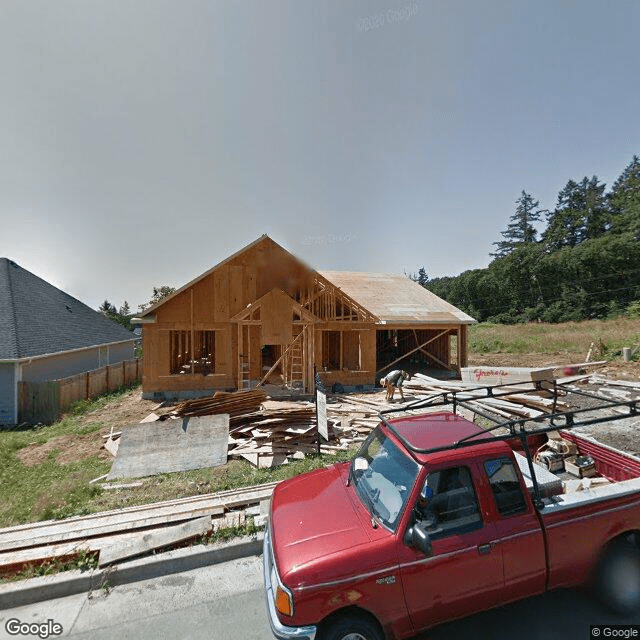
2170 NW Grace Street, Albany, OR 97321
To contact a resident: (541) 223-3681
For more information about senior living options: (866) 208-4318
Tudor Rose Costs & Pricing
Tudor Rose offers competitive pricing for its accommodations, with a monthly cost of $3,500 for both studio and private room types. In comparison to Linn County's average costs of $4,387 for studios and $4,383 for private rooms, Tudor Rose provides significant savings to residents seeking quality care without compromising on comfort. Similarly, when examining the state averages in Oregon - $3,815 for studios and $3,424 for private rooms - Tudor Rose remains an attractive option for those looking at affordability while still maintaining a high standard of living. This thoughtful pricing strategy positions Tudor Rose as an appealing choice in the local landscape of assisted living facilities.
| Floor plans | Tudor Rose | Linn County | Oregon |
|---|---|---|---|
| Studio | $3,500 | $4,387 | $3,815 |
| Private | $3,500 | $4,383 | $3,424 |
Memory care communities with a similar price nearby
-
About the same
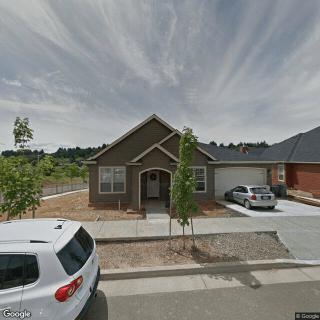
Avery Rose
$3,500 / month8.0 miles away -
from -$200 / mo

Harmony House of Salem
$3,300 to $3,550 / month22.2 miles away -
from -$300 / mo
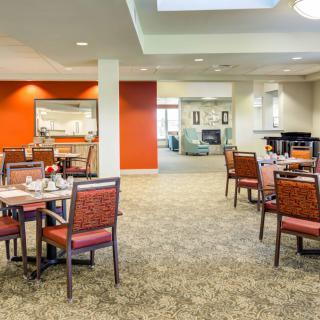
Waverly Place
$3,200 to $4,000 / month3.4 miles away -
About the same

The Village at Keizer Ridge
$3,435 to $4,775 / month24.7 miles away -
from -$405 / mo

Conifer House
$3,095 to $4,841 / month7.8 miles away
Overall Review of Tudor Rose
Pros
 It has been a positive experience.
- It is a very clean community.
- The staff is friendly.
- They liked the location for their loved one here.
Cons
 The reviewer feels their mom could benefit from a little more activity.
- The reviewer doesn't see as much activity and isn't sure what to expect.
Review
Tudor Rose in Albany, Oregon is best suited for seniors who prize a clean, orderly residence with friendly, accessible staff and a location that makes family visits straightforward. The community presents a tidy, low-stress environment that supports independence for residents who do not require heavy medical oversight. Relative to more bustling campuses, Tudor Rose offers a calm rhythm and predictable routines, which can reduce anxiety for new movers and reassure families during the transition. It works well for couples or individuals who want solid day-to-day reliability, a respectable safety profile, and convenient access to nearby services, shopping, and medical offices. In short, its strongest fit is a practical, comfort-first senior living experience.
That said, there are clear reasons some families will want to look elsewhere. If that loved one flourishes on high-energy activity, long schedules of guided outings, and a visibly active social scene, Tudor Rose may feel too restrained. The one reviewed observation notes a desire for more programming, suggesting that the activity calendar might not be fully visible or robust. For residents needing substantial memory-care support, highly structured daily engagement, or seamless round-the-clock medical oversight, larger communities with clearly marketed level-appropriate programming could be more appropriate. In other words, consider alternatives if activity depth and specialized care are non-negotiables.
Pros are meaningful and somewhat self-compensating. The cleanliness translates into tangible comfort and a sense of safety, while the front-line staff friendliness translates into trust and easier daily coordination. A quality location adds practical value: shorter drives for family, easier appointments, and convenient access to services. Yet the main con, perceived limited activity, has to be weighed against these strengths. If staff engagement is proactive, activities can be integrated on a more flexible basis, and residents may still experience meaningful engagement through smaller-group programs or spontaneous events. For families prioritizing peace of mind over perpetual stimulation, these pros sufficiently offset the drawbacks.
To validate fit, inquiry matters. Prospective residents should request a current activities calendar and a typical day schedule, then compare what is promised to what is observed on a tour. Ask about staffing levels, turnover, and how meals are handled, including dietary accommodations. Observe how staff interact with residents, and whether residents appear engaged during common times or just passing through. Inquire about room configurations, safety features, and how personal belongings are managed. Finally, confirm what medical support is available on-site and how quickly staff can respond to concerns. The goal is to ensure the operational reality aligns with the loved one’s needs.
In practical terms, Tudor Rose is a sound choice for a resident who wants a tidy, quiet environment and consistently friendly care that keeps everyday life steady and predictable. It is less aligned with families seeking a high-energy program or robust, clearly advertised activities for social butterflies. For those focused on memory care or requiring more intensive clinical oversight, it may be prudent to compare with facilities that market stronger activity platforms or dedicated memory-care wings. If the budget allows, consider combining a visit with conversations about respite or short-term stays to test fit before long-term commitment. The key is to match expectations with the observed cadence of life at Tudor Rose.
Bottom line: Tudor Rose should be praised for cleanliness, accessible staff, and a favorable location, and it should be recommended for seniors who value comfort, routine, and ease of visiting loved ones. Families that must see a vibrant activity calendar or require heavy daily assistance should shortlist alternatives and tour those campuses first. The decision hinges on balancing the importance of a serene, well-kept home against the resident’s appetite for structured engagement and advanced care. Schedule a tour, push for specifics on programming, and verify that the chosen plan will deliver steady quality without sacrificing the day-to-day tranquility that defines Tudor Rose.
 Board and Care Home
 Memory Care
 Activities on-site
 Bath tubs
 Indoor common areas
 Outdoor common areas
 Private
 Respite or short term stays offered
 Wheelchair accessible showers
 Diabetic care
 High acuity care
 Incontinence care
 Medication management
 Kosher

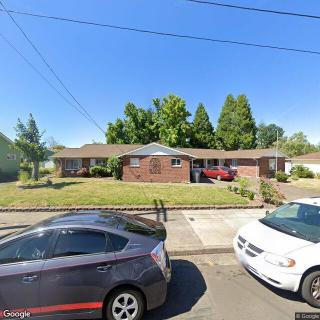




 Comprehending Evening Confusion in Dementia: Causes, Manifestations, and Support
 Delirium and Dementia: Unraveling the Key Differences
 Are Dementia and Alzheimer's Disease Lethal? A Comprehensive Exploration