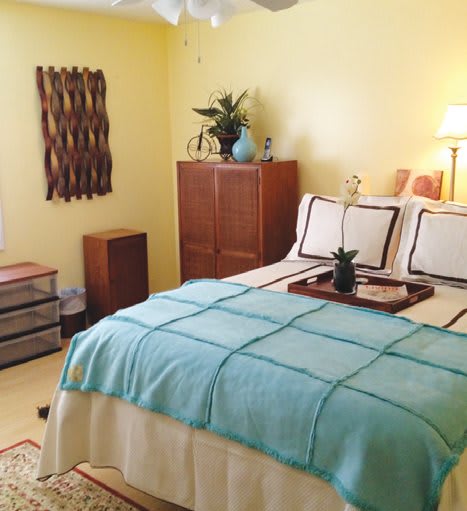
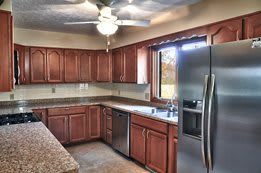
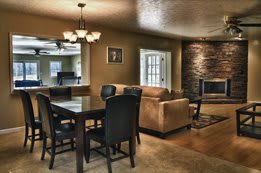
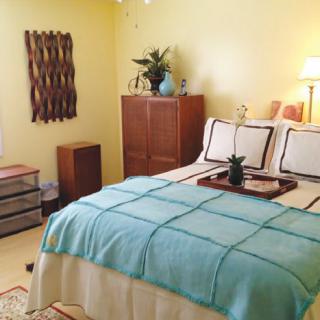
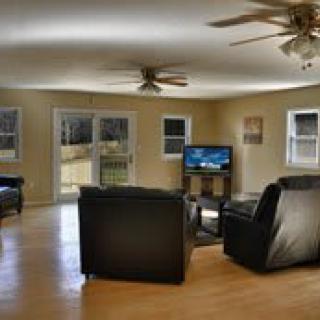
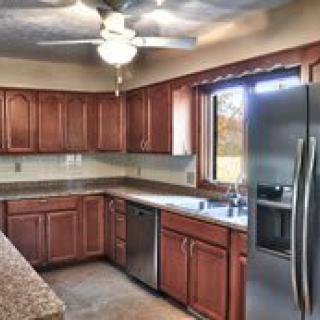
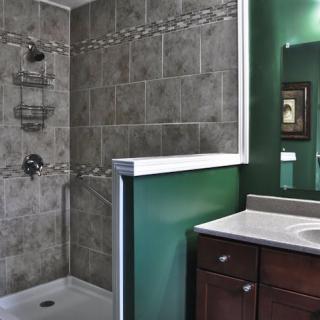

36825 Aurora Rd, Solon, OH 44139
To contact a resident: (440) 248-0056
For more information about senior living options: (866) 208-4318
Ultimate Senior Living - Aurora Road Costs & Pricing
Ultimate Senior Living - Aurora Road presents a notable investment for seniors seeking comfortable accommodations, with a monthly cost of $6,000 for both 1-bedroom and private room options. When compared to the average costs in Cuyahoga County and across Ohio, which are approximately $3,410 and $3,712 for a 1-bedroom respectively, it becomes clear that Aurora Road positions itself at a premium price point. Similarly, the private room rate at Ultimate Senior Living aligns with the county's average of $4,004 but exceeds the state average of $4,771. This pricing reflects not only the quality of care and amenities offered but also suggests a focus on personalized services that cater specifically to residents' needs within an enriching environment.
| Floor plans | Ultimate Senior Living - Aurora Road | Cuyahoga County | Ohio |
|---|---|---|---|
| 1 Bedroom | $6,000 | $3,410 | $3,712 |
| Private | $6,000 | $4,004 | $4,771 |
Memory care communities with a similar price nearby
-
About the same
Greenview Senior Living
$6,100 / month20.3 miles away -
from -$1050 / mo
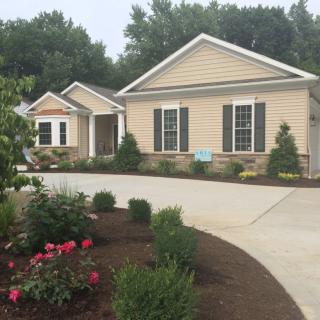
Aria at Gates Mills
$4,950 to $6,950 / month9.7 miles away -
from -$1000 / mo
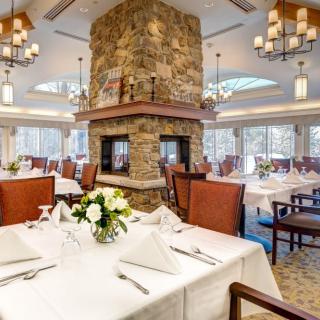
Maplewood At Chardon
$5,000 / month15.1 miles away -
About the same
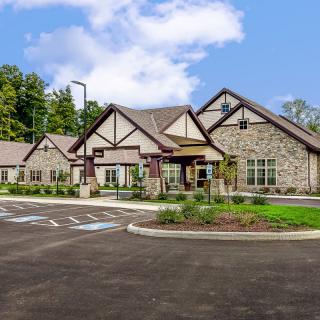
Maplewood At Twinsburg
$5,950 / month5.6 miles away -
from +$1144 / mo
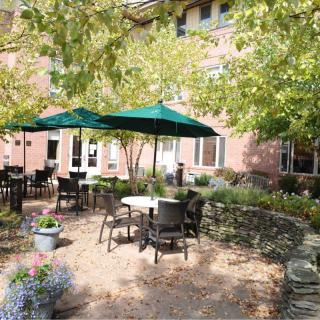
Willensky Residence of Menorah Park
$7,144 to $8,615 / month9.4 miles away
Overall Review of Ultimate Senior Living - Aurora Road
Pros
 The home looked lovely.
- This property may work for mobile individuals seeking a Solon-area location.
Cons
 It was very expensive.
- A two-story Tudor home is not suitable for a frail elderly person in a wheelchair or walker.
- The staff were unprofessional.
- It was one of the most expensive residential homes the reviewer saw.
Review
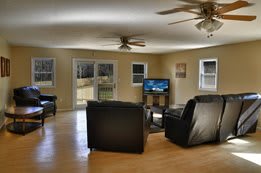
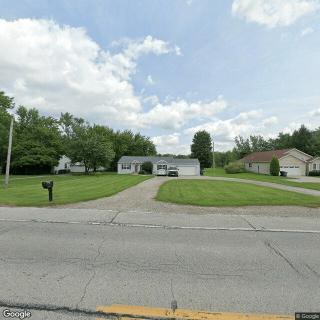
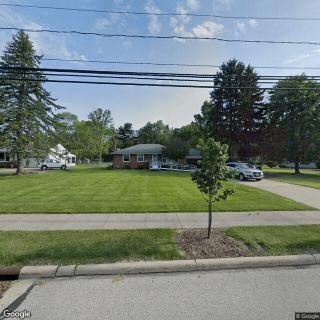
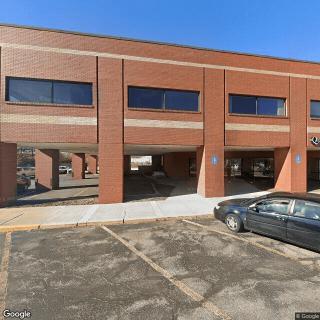
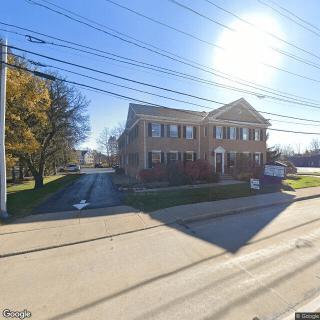
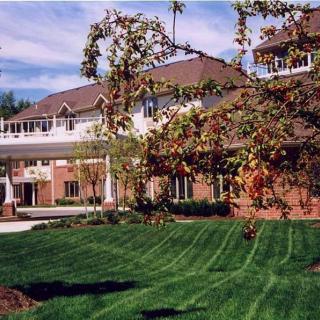
Ultimate Senior Living - Aurora Road in Solon, Ohio is best suited for active, mobile seniors who prize a polished residential ambiance and want to stay in the Solon area. The community presents as a handsome two-story Tudor-style residence, with curb appeal that can help a resident feel settled and cared for in a familiar neighborhood. For residents who already require mobility assistance or live with frailty, the design quickly reveals its limits, because the vertical layout creates meaningful accessibility barriers that hinder daily living and raise safety concerns. In practical terms, this option serves a narrow slice of retirees: those who can navigate stairs, don’t yet need frequent hands-on care, and are willing to pay a premium for location and aesthetics.
Care seekers should look elsewhere if mobility is slipping, care needs are frequent, or the budget cannot tolerate premium pricing. The combination of high cost and limited accessibility makes this a poor fit for most families dealing with frailty, cognitive impairment, or chronic conditions requiring regular supervision. Alternatives with one-story layouts, clear accessibility features, and transparent pricing structures will typically offer a safer, more predictable care experience. For families anchored in the Solon area, it is worth screening other local communities that emphasize practical accessibility, stronger caregiver support, and a more balanced value proposition.
Pros exist, but they fall short of offsetting the drawbacks. The property’s aesthetic appeal and Solon location create an undeniable first impression, potentially enhancing resident comfort and peace of mind for someone who can manage stairs and still maintain independence. Yet these advantages are subsumed by the price tag, which is described as one of the most expensive options in the area, and by the fundamental design issue that limits accessibility for frail residents. The bottom line: the lifestyle attractiveness cannot compensate for the practical realities of ongoing mobility needs and the financial burden placed on families.
From a cost and design standpoint, the reality is stark. The price point places this community at the upper end of the market, raising questions about value for care quality and services relative to more accessible competitors. The two-story footprint means any decline in mobility translates into logistical friction, with potential dependence on stairs or elevators that may not be readily adaptable. In practice, the setting rewards those who remain active, confident navigating steps, and who do not anticipate needing frequent hands-on assistance. For households focused on safety and predictable daily routines, a single-story, better-structured layout will usually translate into more reliable quality of life.
Staff reliability is a critical determinant of daily life, and the recurring note of unprofessional staff cannot be ignored. This kind of concern touches every interaction , from answering inquiries to delivering essential caregiving tasks , and undermines trust in the community's ability to manage expectations and respond to emergencies. Prospective residents should probe staffing credentials, turnover, supervision, and on-site nursing presence during tours. If care quality appears inconsistent or staff professionalism uncertain, that becomes a decisive reason to look at alternatives with stronger oversight, better training, and more consistent caregiver assignments.
The verdict is clear for families weighing options in Solon: this community is not the default choice for a frail senior or anyone requiring steady hands-on assistance. It may work for a mobile resident who values curb appeal and location and can absorb premium pricing, but even then the risk calculus is tight. More reliable paths point to alternatives with single-story designs, transparent pricing, and demonstrably professional staff. The recommended course is to visit multiple communities, request candid staffing and care-trauma information, and compare total costs against anticipated needs. In most cases, pursuing options with accessible layouts and proven care quality offers a safer, more sustainable path to peace of mind.
 Board and Care Home
 Memory Care
 Cats allowed
 Dogs allowed
 Activities off-site
 Beautician on-site
 Indoor common areas
 Outdoor common areas
 Private
 Private bathrooms
 Respite or short term stays offered
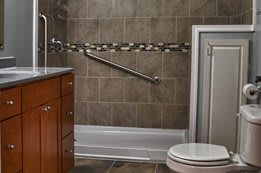
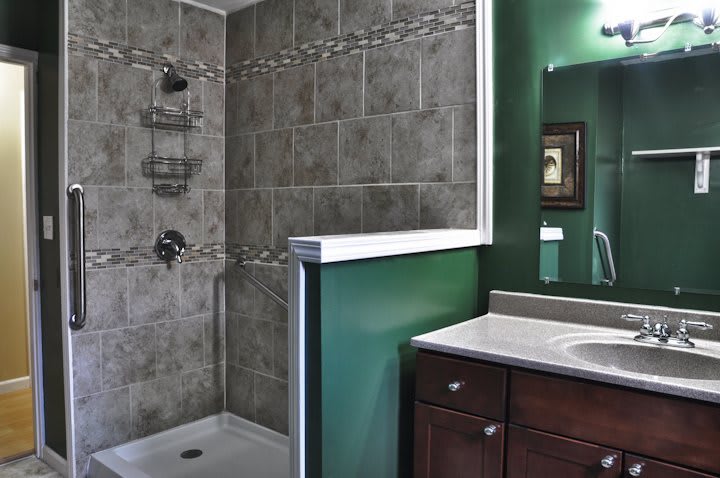
 Wheelchair accessible showers
 Cleveland-Hopkins International (23 miles away)
 Ambulatory care
 Diabetic care
 High acuity care
 Incontinence care
 Medication management
 Kosher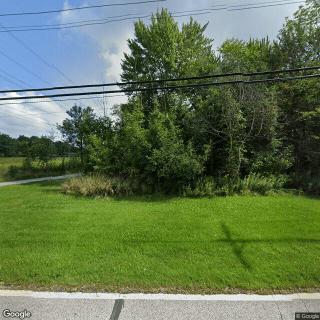

 A Thorough Discussion of Medications Potentially Linked to Dementia Risk
 Why Do Dementia Patients Sleep So Much? Understanding Oversleeping, Stages, and Care Approaches
 8 Key Indicators That Suggest It May Be Time to Transition from Assisted Living to Skilled Nursing Care