5249 Rush Avenue, Columbus, OH 43214
To contact a resident: (614) 256-4829
For more information about senior living options: (866) 208-4318
Eason House Costs & Pricing
Eason House offers competitive pricing for private room accommodations at $4,000 per month, which is notably lower than the average costs in Franklin County at $5,499 and also below the statewide average of $4,771 in Ohio. This pricing structure reflects Eason House's commitment to providing quality care while maintaining affordability for residents and their families. By positioning itself favorably within the local market, Eason House stands out as a viable option for those seeking private living arrangements that prioritize both comfort and financial accessibility.
| Floor plans | Eason House | Franklin County | Ohio |
|---|---|---|---|
| Private | $4,000 | $5,499 | $4,771 |
Memory care communities with a similar price nearby
-
from -$130 / mo
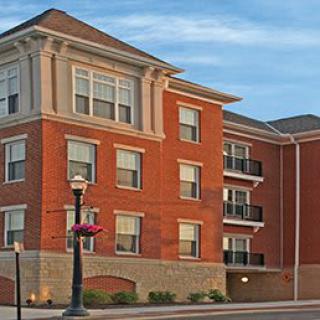
Ohio Living Sarah Moore
$3,870 to $5,400 / month16.1 miles away -
from -$127 / mo
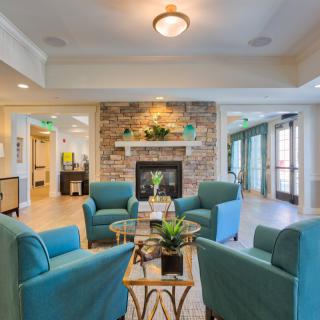
StoryPoint Gahanna
$3,873 to $4,952 / month8.5 miles away -
from -$150 / mo
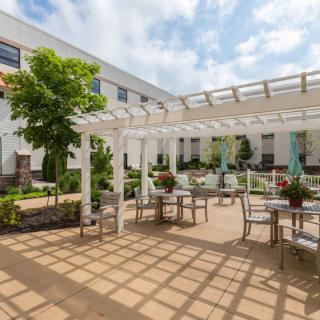
The Avalon of New Albany
$3,850 to $6,980 / month10.8 miles away -
from -$654 / mo
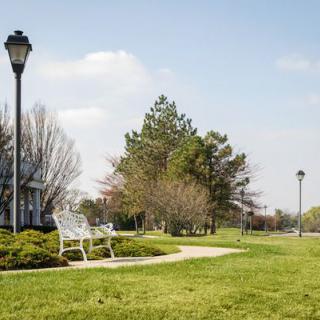
Bickford of Worthington
$3,346 to $4,258 / month1.8 miles away -
from -$200 / mo
The Inn At Bear Trail
$3,800 to $5,033 / month6.3 miles away
Overall Review of Eason House
Pros
 Eason House is described as wonderful, offering a home-like setting with great care and a low staff-to-resident ratio.
- The transitions for residents are seen as amazing, with individuals feeling at home and supported by family-like care.
- The staff and owners are praised as incredible, delivering personalized, attentive care from nurses’ aides to management.
- The memory care houses are noted for exceptional cleanliness, superior health ratings, and careful attention to meals, hygiene, and laundry.
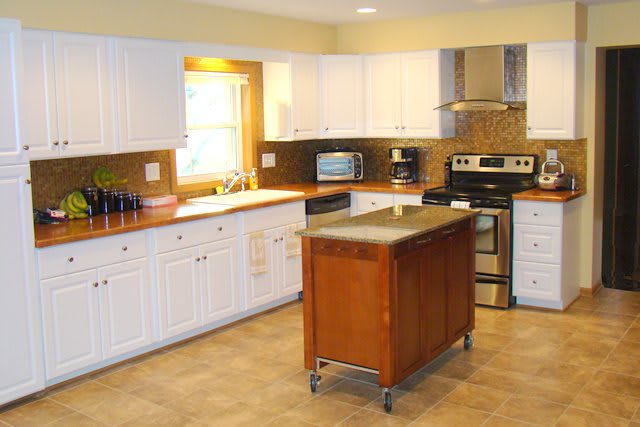
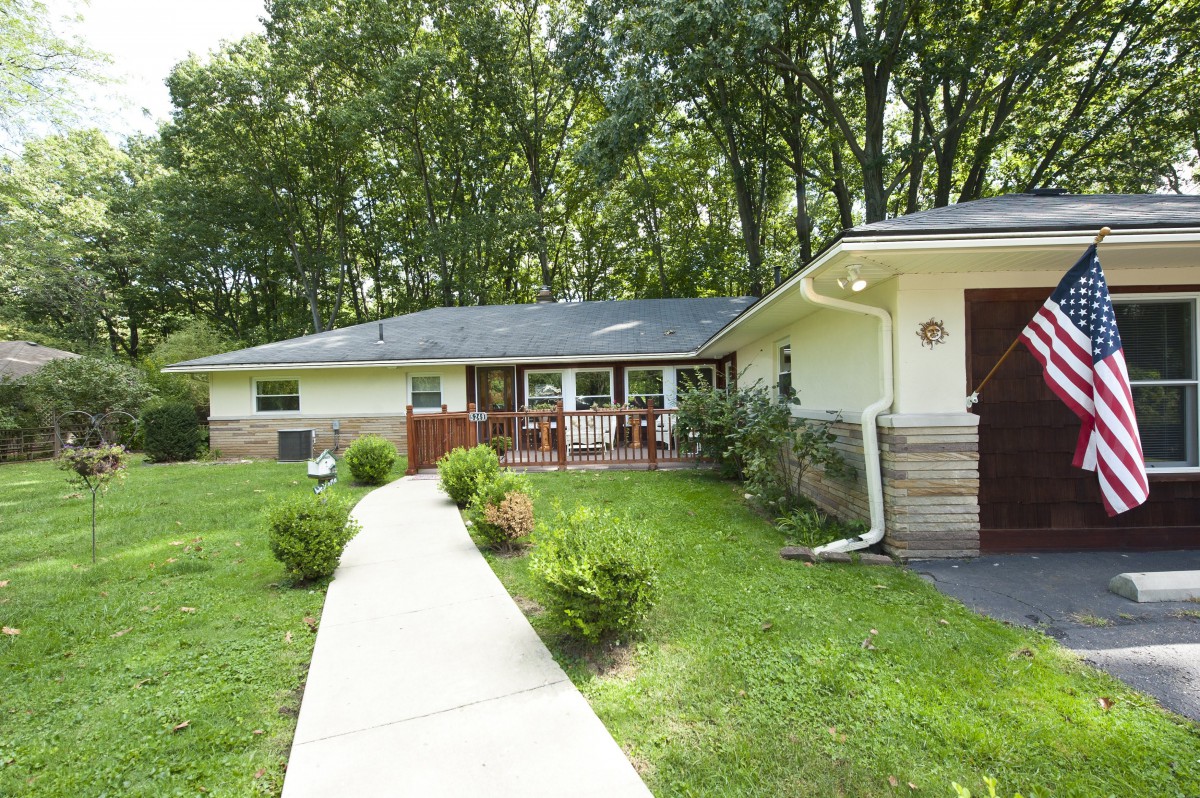
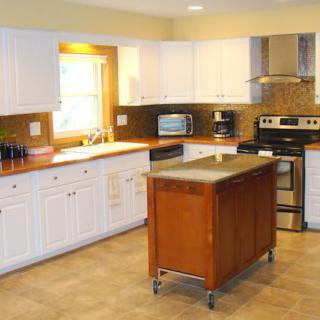
- The facility is described as lovely and welcoming, with private bedrooms, ADA compliance, and a layout that encourages family involvement.
- The team maintains frequent, clear communication with families, keeping them informed and engaged in care decisions.
Review
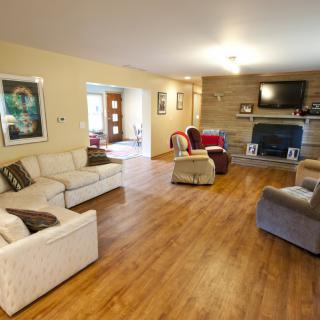
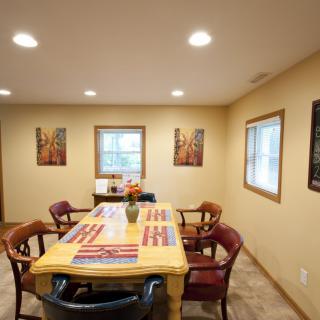
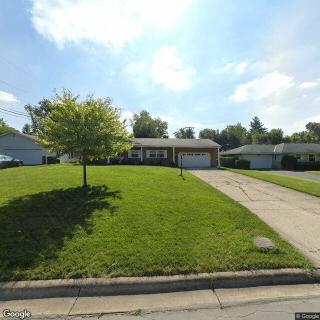
Eason House is best suited for families seeking an exceptionally intimate memory-care environment where a loved one can live in a true home setting with a deliberately small care team. The model centers on five-resident memory care homes, open floor plans, private bedrooms, and grounds that invite daily, relaxed socialization rather than institutional bustle. This community rewards households that value frequent family involvement, continuous staff accessibility, and a care approach that treats residents as individuals with long-standing routines, preferences, and stories. For a senior who benefits from predictable, one-on-one attention and a living space that feels like home, Eason House stands out as a top contender in Columbus.
Those who may want to consider alternatives are typically families prioritizing a larger campus, resort-like amenities, or a setting with broader social programming across a bigger resident body. If a loved one requires higher-volume activities, more extensive medical staffing at all hours, or a hotel-style atmosphere with expansive common areas and a wide array of on-site services, another community may fit better. Budget flexibility also matters; when cost considerations intersect with the desire for scale and variety in programming, it becomes sensible to compare Eason House against other Columbus options.
The core advantages revolve around a disciplined, relationship-driven care model. The small house footprint translates into a remarkably low staff-to-resident ratio, ensuring sleep, hygiene, medication management, and daily needs receive close, unhurried attention. Families notice consistent, proactive communication with house managers and nurses, who routinely accompany loved ones to appointments and relay concise health updates to physicians. This level of coordination helps reduce hospital transfers and supports a least-restrictive approach to care, which is frequently cited by families as a major financial and emotional relief.
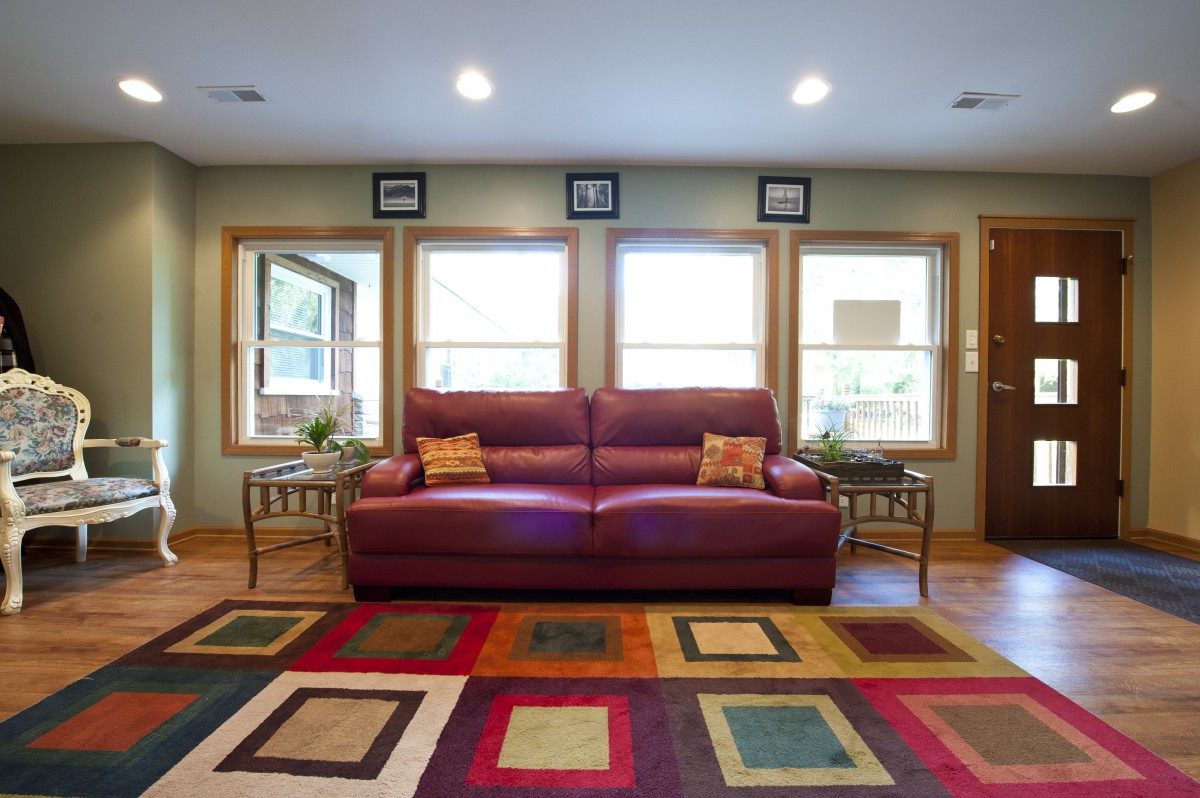
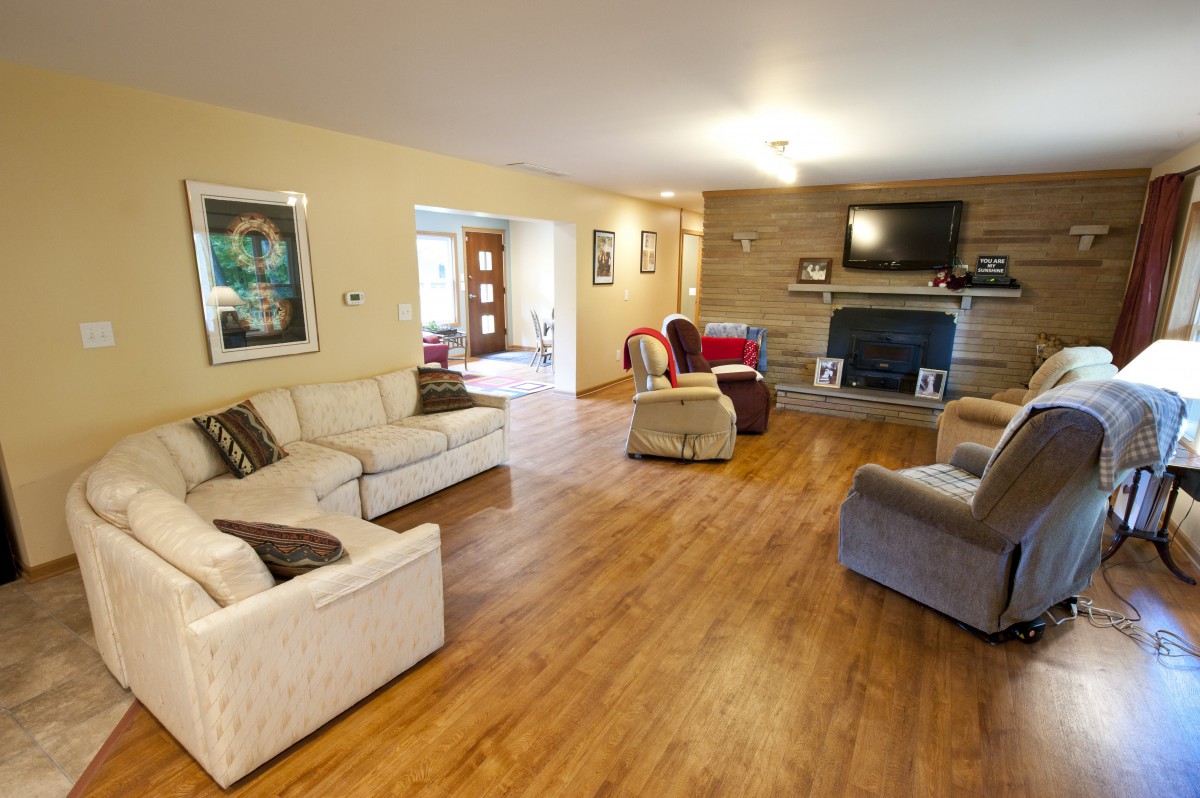
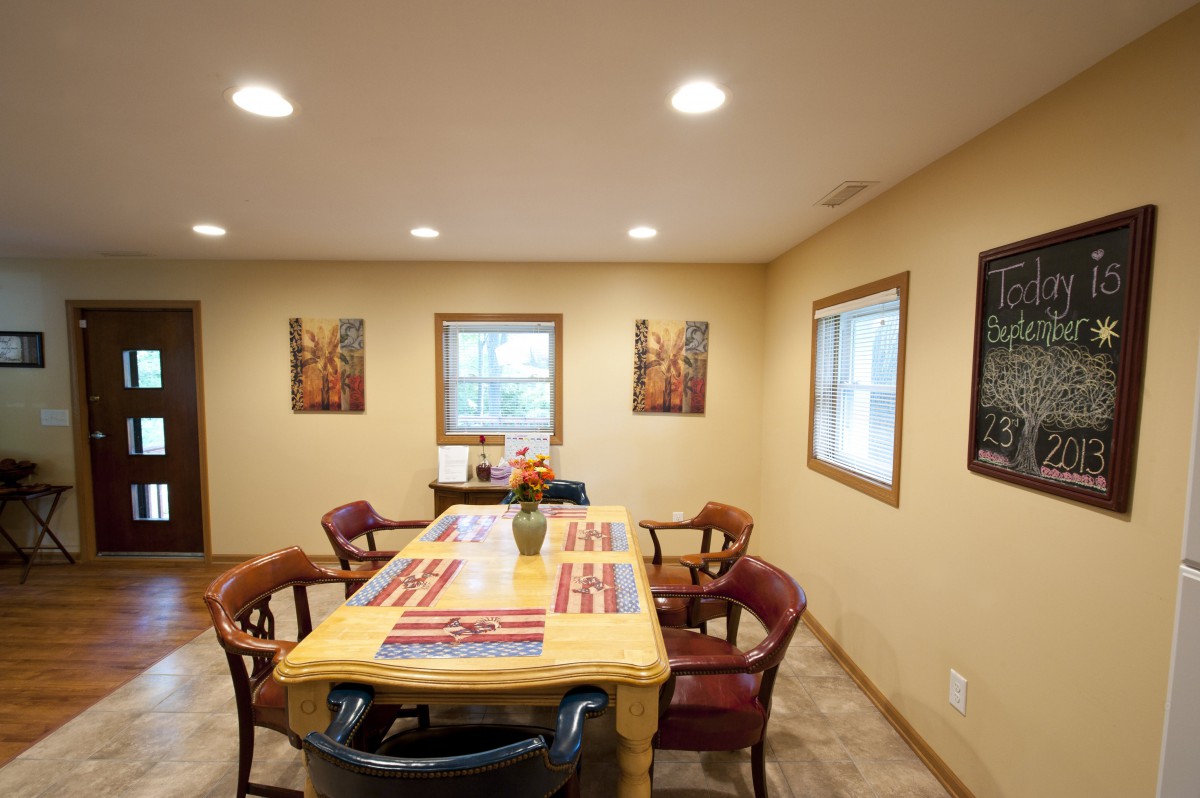
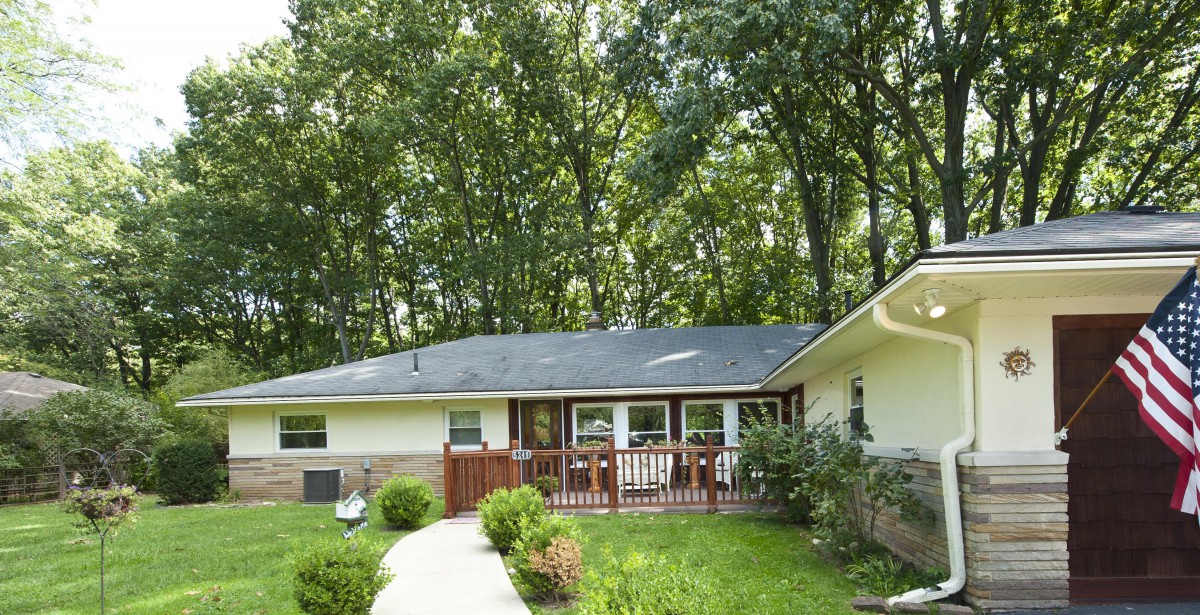
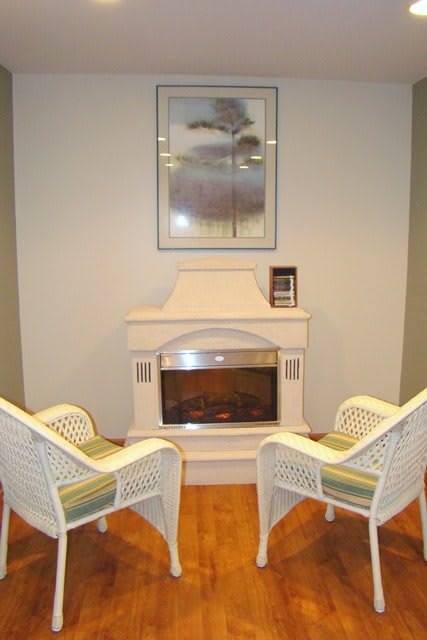
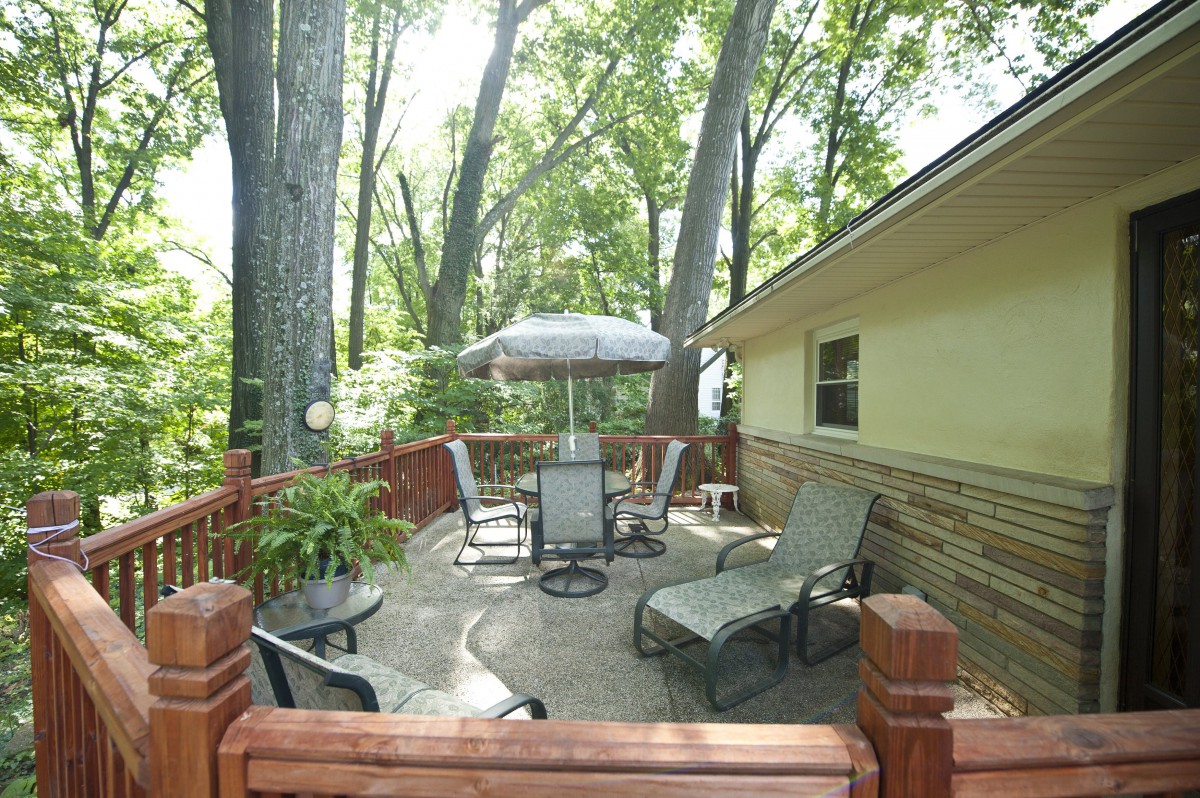
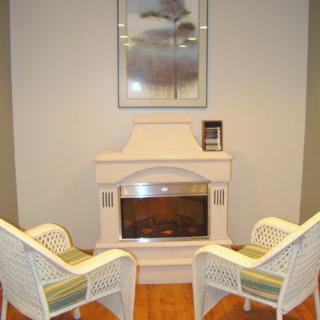
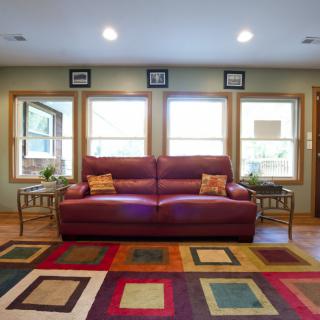
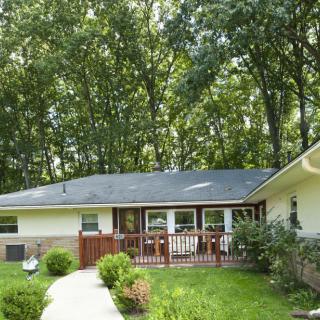
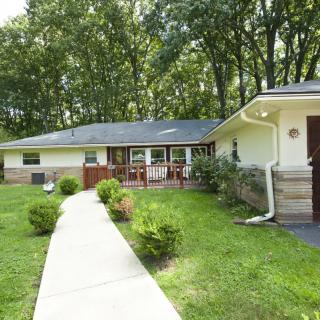
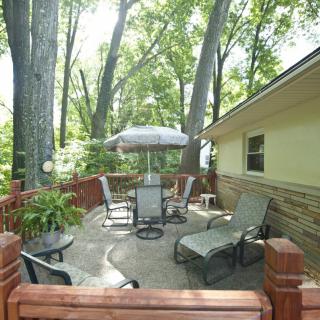
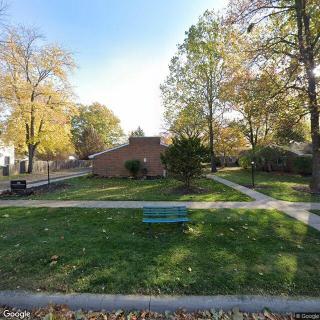
Another strength is the living environment itself. The homelike atmosphere, where “bedrooms are for sleeping” and residents spend meaningful time in shared spaces like the family room, dining room, or patio, creates opportunities for conversation, laughter, and storytelling. The grounds provide a serene backdrop with trees, a garden, and wildlife, contributing to a sense of well-being that complements personalized care plans. Cleanliness, dependable housekeeping, and a focus on nutrition further reinforce the impression of a well-run, compassionate household rather than a clinical setting.
The personal touch extends to staff stability and family partnership. Observations from multiple families describe owners and caregivers as genuinely invested, with nurses and aides who know residents well enough to tailor activities to individual histories and preferences. One-on-one activities, well-suited to memory-care needs, help maintain engagement without overwhelming the resident. The resulting continuity, plus families being actively invited to participate in care decisions, builds trust and reduces the stress commonly associated with transitions into memory care.
Where the model may challenge certain expectations, the most noticeable trade-off is the compact scale. A five-resident memory home inherently limits the breadth of social opportunities and the sheer variety of programming found in larger facilities. For families seeking constant, campus-wide activity calendars or a bustling communal environment, this can feel restrictive. Yet the upside is precisely the opposite for those who prioritize deep, meaningful interaction, minimal hospital visits, and a cohesive care team that knows every routine and preference by heart. The pros, in practice, more than offset the potential limitations for the target demographic.
For families evaluating memory-care options in Columbus, Eason House represents a compelling choice when the priority is authentic home-like care, tight-knit staff engagement, and genuine partnership with families. If the goal is a highly personalized, low-traffic setting that emphasizes day-to-day quality of life and medical coordination, this community consistently delivers. Those weighing alternatives should consider Crandall House and similar small-memory-care concepts as benchmarks, ensuring a careful comparison of care philosophy, staff availability, and the tangible feel of daily life. In the end, Eason House earns its strong reputation by translating compassion into reliable, attentive, and individualized care that keeps residents connected to what matters most.
 Board and Care Home
 Memory Care
 Activities off-site
 Beautician on-site
 Devotional services off-site
 Indoor common areas
 Outdoor common areas
 Private
 Private bathrooms
 Wheelchair accessible showers
 John Glenn Columbus International Airport (8 miles away)
 Ambulatory care
 Diabetic care
 High acuity care
 Incontinence care
 Medication management
 Meals provided
 When Dementia Sparks Anger and Aggression: Understanding the Connection and Ways to Cope
 Dementia Behaviors: In-Depth Understanding and Effective Coping Strategies
 5 Early Indicators of Dementia and What You Can Do