
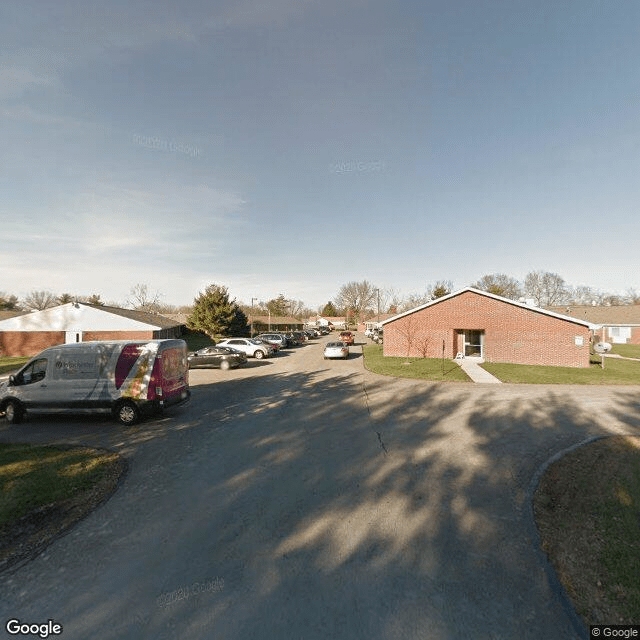
36 Lehman Drive, Canal Winchester, OH 43110
For more information about senior living options: (866) 208-4318
Winchester Care & Rehabilitation Costs & Pricing
At Winchester Care & Rehabilitation, the monthly costs reflect a premium level of care that surpasses both the county and state averages. For a studio room, residents can expect to pay $5,130, which is significantly higher than Pickaway County's average of $3,304 and Ohio's average of $3,727. The private room option also carries a higher price tag at $8,220, compared to Pickaway County's rate of $6,440 and Ohio's average of $4,771. These costs suggest that Winchester Care & Rehabilitation may offer specialized services or enhanced amenities that justify the investment for individuals seeking quality care in a supportive environment.
| Floor plans | Winchester Care & Rehabilitation | Pickaway County | Ohio |
|---|---|---|---|
| Studio | $5,130 | $3,304 | $3,727 |
| Private | $8,220 | $6,440 | $4,771 |
Skilled Nursing Facilities with a similar price nearby
-
About the same

Middleton
$5,200 to $7,500 / month21.1 miles away -
from -$160 / mo

Cherry Blossom Senior Living
$4,970 to $6,645 / month8.9 miles away -
from -$780 / mo
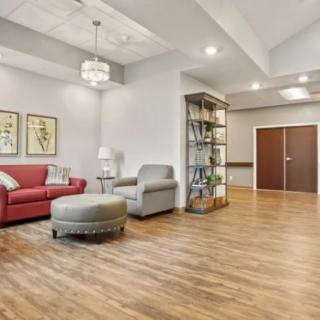
Johnstown Pointe Nursing & Rehabilitation Center
$4,350 to $6,000 / month21.7 miles away -
from -$180 / mo

Mcnaughten Pointe Nursing And Rehab
$4,950 to $6,000 / month7.0 miles away -
from -$270 / mo
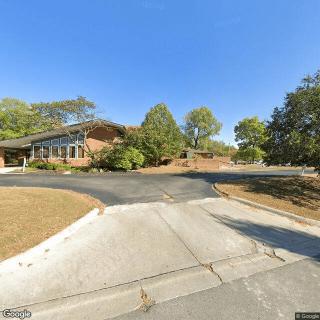
West Park Rehabilitation Center Skilled Nursing and Memory Care
$4,860 / month14.4 miles away
Overall Review of Winchester Care & Rehabilitation
Pros
 They liked the locked-down facility, and the patients seemed very happy.
- The place was very nice and very clean.
- The arbor area between the two Alzheimer's facilities had a large tent and was really nice.
- There was a bench and a bird feeder in the outdoor area.
- Residents were seen dancing to oldies, and it was fun.
- The staff seemed knowledgeable and confident in what they were doing.
- The staff kept the uncle very clean, and he never had a bed sore.
- The kitchen offered more Southern foods, and he enjoyed them.
Cons
 The place is terrible; there are no supplies to run the center and staff are not available.
- It is not the place for a loved one; the care is poor.
- A dad came back from a five-day stay in bad shape.
- The nursing staff seem guilty and won’t look visitors in the eye.
- This experience was ridiculous.
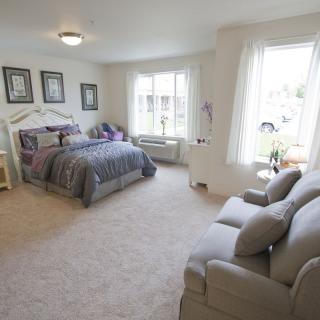
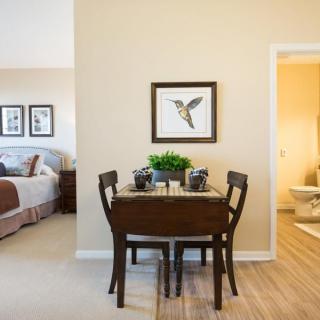
- The rooms are not private; two to a room and four share a bathroom.
- They would not take their dog there.
Review
Winchester Care & Rehabilitation in Canal Winchester is best avoided by families whose priority is reliable, compassionate, medically attentive care. The combined feedback portrays a facility plagued by staffing shortages, scarce supplies, and inconsistent attention to residents’ needs. When a loved one requires steady nursing oversight and timely, respectful interactions with caregivers, this community delivers too little, too rarely. The clear takeaway is that safeguarding daily safety and dignity will demand vigilant family involvement, frequent check-ins, and a readiness to step in to fill gaps between shifts.
For families weighing options, alternatives should be actively explored. The reviews signal that stronger-performing facilities in the area exist, places where staffing appears more reliable, communication is more transparent, and care practices are more consistently demonstrated day to day. If choosing within a constrained local pool, the emphasis should be on facilities with demonstrable nurse-to-resident ratios, predictable responsiveness, and fewer billing ambiguities. In short, this community’s track record raises the bar for what is acceptable, and competitors that emphasize accountability and patient-centered care deserve serious consideration.
The pros, if any, do not meaningfully offset the major drawbacks documented. The sentiment across multiple comments is that care quality is repeatedly subpar and that staff engagement is lacking. Billing practices are described as opportunistic by at least one reviewer, compounding the stress of navigating daily care. The absence of dependable staffing, combined with scarce supplies and limited attentiveness, creates a risk profile that is difficult to justify for a senior or a family seeking peace of mind. In practical terms, the potential benefits are too thin to counterbalance the likelihood of avoidable discomfort, delays in routine care, and disappointing clinical outcomes.
To make a sound decision, prospective residents or their families should demand concrete information up front. Verify current nurse-to-patient ratios across day and night shifts, response times to call bells, and the cadence of daily care routines (bathing, dressing, mobility assistance, medication administration). Request evidence of consistent wound care practices, pressure sore prevention, and timely management of changes in health status. Scrutinize the billing structure, copy recent invoices, and confirm what services are included versus billable add-ons. Visit unannounced if possible, speak with direct care staff, and observe how residents are spoken to and treated during routine tasks.
In contrast, some reviewers reference nearby options that deliver a different experience. One feedback thread highlights a rival facility with a “locked-down” environment, clean premises, and visible resident engagement, with social activities that can be meaningful for families seeking a safer daily rhythm. Another account contrasts a different Kindred location where residents reportedly received attentive care and a more comfortable living arrangement, including better private-space options and clearer staff oversight. These points matter because they illustrate what a well-run community can deliver: adequate privacy, consistent care, and a focus on resident dignity, elements that are not reliably evident at Winchester Care & Rehabilitation.
The bottom line is clear: Winchester Care & Rehabilitation presents a high-risk choice for families who value dependable care and transparent operations. If staying with this option becomes the only path, enter with a disciplined plan, clear expectations, a defined point of contact, and a scheduled cadence for progress reviews. Otherwise, prioritize facilities with verifiable staffing, consistent caregiving practices, and fewer financial ambiguities. The decision should lean toward a community where daily care feels proactive rather than reactive, and where residents’ well-being is the steady focal point of every shift.
 181 resident community capacity
 Memory Care
 Skilled Nursing Facility
 Air-conditioning
 Beauty salon
 Cable or satellite TV
 Computer center
 Dining room
 Fitness room
 Fully furnished
 Gaming room
 Garden
 Housekeeping services
 Kitchenette
 Move-in coordination
 Outdoor space
 Private
 Private bathrooms
 Restaurant-style dining
 Small library
 Telephone
 Wellness center
 Wi-Fi/high-speed internet available
 John Glenn Columbus International Airport (11 miles away)
 Community operated transportation
 12-16 hour nursing
 24-hour call system
 Activities of daily living assistance
 Assistance with bathing
 Assistance with dressing
 Assistance with transfers
 Diabetes diet
 Medication management
 Mental wellness program
 Special dietary restrictions
 Concierge services
 Planned day trips




 Engaging Memory Care Activities That Enhance Quality of Life
 When to Transition from Assisted Living to Memory Care: Key Indicators, Steps, and Finding the Right Community
 Understanding the Distinctions: Assisted Living and Memory Care Explained