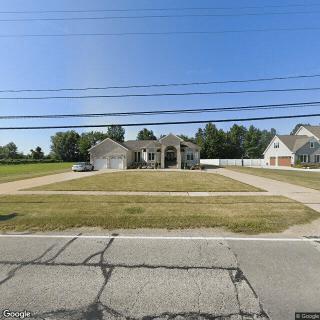
32090 Walker Road, Avon Lake, OH 44012
To contact a resident: (440) 933-3379
For more information about senior living options: (866) 208-4318
Mariana's Adult Care Costs & Pricing
Mariana's Adult Care offers a competitive pricing structure for its private room accommodations, with monthly costs set at $3,500. This rate is notably lower than the average in Lorain County, where the cost for similar services reaches approximately $4,229, and significantly more affordable compared to the broader Ohio state average of $4,771. By providing quality care at a lower price point, Mariana's Adult Care stands out as a financially accessible option for families seeking supportive residential services in the area, ensuring that residents receive both excellent care and value for their investment.
| Floor plans | Mariana's Adult Care | Lorain County | Ohio |
|---|---|---|---|
| Private | $3,500 | $4,229 | $4,771 |
Memory care communities with a similar price nearby
-
from -$500 / mo
Safe Haven Elder Care LLC
$3,000 to $3,500 / month2.2 miles away -
from +$494 / mo
Independence Village Of Avon Lake
$3,994 to $5,080 / month0.3 miles away -
from -$650 / mo
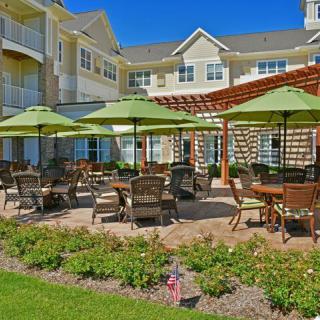
Rose Senior Living Avon
$2,850 to $4,525 / month1.3 miles away -
About the same

Lorain Estates Senior Living - a Sinceri Community
$3,450 to $5,095 / month12.9 miles away -
from +$220 / mo
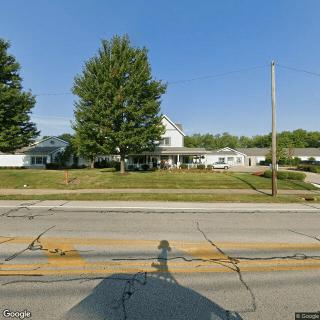
Kemper House Strongsville
$3,720 / month13.0 miles away
Overall Review of Mariana's Adult Care
Pros
 Carmen and her husband Daniel are described as one-of-a-kind, offering compassionate and generous care.
- White Orchid provides individualized care that improves residents’ health and happiness.
- The environment is clean, friendly, and home-like, making residents feel loved and safe.
- Carmen goes above and beyond, arranging hair styling, coordinating family communication, and enabling final goodbyes.
- Families express deep gratitude for the staff’s professional, compassionate care and support.
- The care home is highly recommended and regarded as the best place for loved ones.
- Residents enjoy home-cooked meals, a lovely garden, and a true sense of family at White Orchid.
- The staff are attentive, compassionate, and capable of handling diverse situations with professionalism.
Cons
 The reviewer would not recommend it for advanced dementia patients.
- The father lasted only one day at the residential facility, and the family was made to feel it was his fault for acting out, before he was poked and prodded.
- The family was unhappy with the care at the local memory care facility before finding White Orchid.
- The writer observed loneliness among residents in other facilities, suggesting those places were not caring.
- The decision to place mom in memory care was very hard, and they were unhappy with the care she was receiving there.
Review
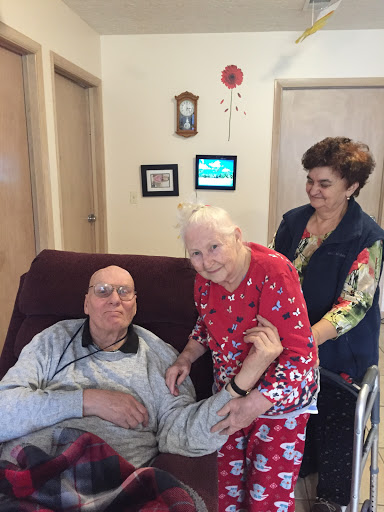
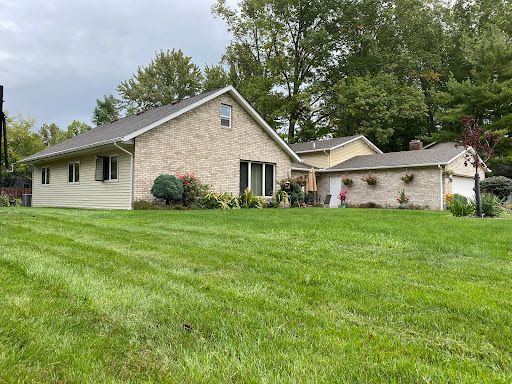
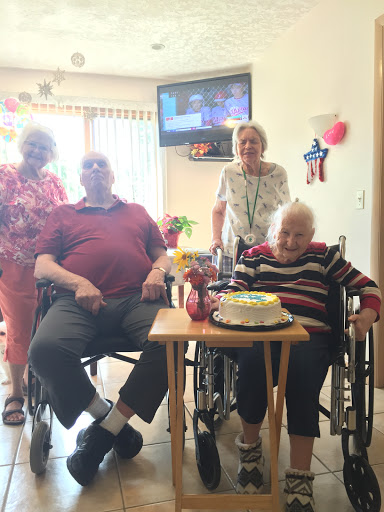
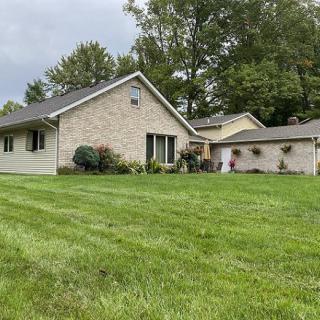
Mariana’s Adult Care in Avon Lake is best suited for seniors who prize a warm, home-like atmosphere and highly individualized attention over the clinical feel of a larger facility. This is a small, family-operated setting where caregivers integrate residents into daily life, adapt routines to personal histories, and treat everyday moments as opportunities for connection. Families that value hands-on involvement, flexible scheduling, and practical support will find a strong fit here. The staff’s willingness to coordinate logistics, such as transportation, hair appointments for loved ones, or accompanying a family member to important moments, adds tangible reassurance for those balancing travel, work, and caregiving.
Those who should consider alternatives are primarily residents with advanced dementia, significant medical complexity, or behavior patterns that require formal, facility-scale programming and supervision. A large, highly structured memory-care environment with specialized staff may be a better match for families facing aggressive or unpredictable dementia needs, or for situations where round-the-clock nursing oversight is non-negotiable. For caregivers prioritizing intensive clinical protocols, strict safety governance, or a more regimented, hospital-like routine, exploring other models may prevent dissatisfaction later.
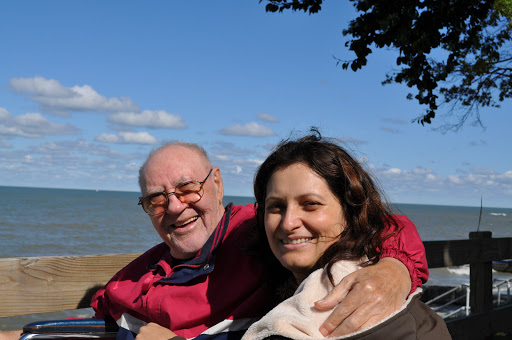
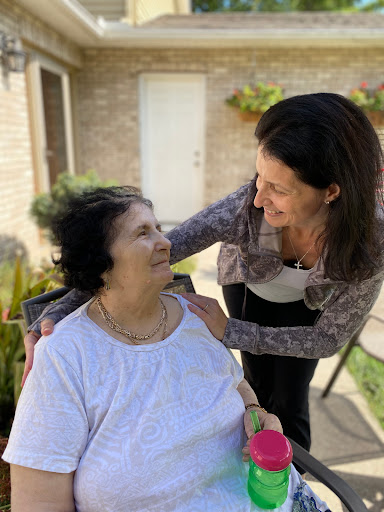
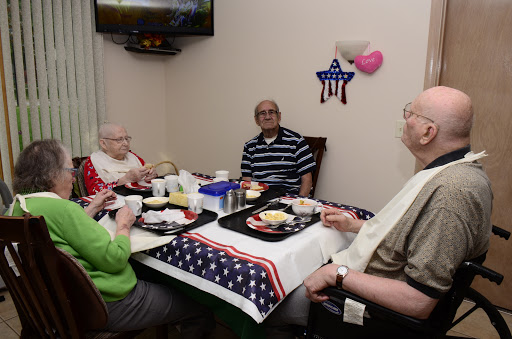
The strongest pros hinge on deeply personal, attentive care. Families consistently describe Carmen and Daniel as genuine, devoted caregivers who treat residents as if they were family. The atmosphere is remarkably homey and intimate, with home-cooked meals, a garden for fresh-air moments, and a daily rhythm that feels natural rather than institutional. The benefit of individualized attention is palpable: residents are described as healthier, happier, and more engaged because staff focus on personal preferences, meaningful activities, and consistent, respectful communication. This level of warmth tends to offset the absence of a large staff or formal programming, especially for seniors who fear loneliness or loss of identity in bigger settings.
Transportation, coordination with outside providers, and support for families during transitions are notable strengths. Reviews mention practical help with vaccine visits, ease of communication for out-of-town relatives, and the ability to attend to emotional needs, such as enabling loved ones to participate in important life events. In a setting where the daily routine is small enough to be flexible, this logistical nimbleness becomes a meaningful differentiator. When a resident’s health fluctuates or a family requires frequent updates, the ability to pivot quickly without navigating bureaucratic layers adds real, practical value.
On the cautionary side, one resident profile highlights a mismatch for advanced dementia. That single experience underscores an important truth: a home-like, highly personalized care model may not meet every stage of dementia or every family’s expectations for behavior management and clinical oversight. While the bulk of reviews celebrate safety, dignity, and genuine compassion, potential clients should scrutinize how memory-care needs are addressed in this setting. Specifically, inquire about staff training in dementia care, behavior management approaches, emergency protocols, and how the home balances nurturing warmth with necessary boundaries and supervision for residents who require structured routines.
The practical takeaway is clear: this community excels for seniors who want a heartfelt, individualized, low-impersonality setting where meals feel like home, caregivers know residents by name, and families feel actively supported. It is a compelling option for those who dislike the ambiance of large facilities and who value relational care that strengthens mood, appetite, and social engagement. Prospective families should, however, align expectations with the resident’s dementia stage and medical needs. If memory-care demands are moderate and the priority is ongoing companionship and dignity, this home delivers powerfully; if medical intensity or advanced behavioral management is non-negotiable, it warrants a broader comparison with other options.
For families evaluating this Avon Lake option, a purposeful tour is essential. Ask to meet the caregiving team, observe interactions with current residents, and request sample menus, activity calendars, and a clear outline of memory-care capabilities. Request details about staffing ratios during day and night, emergency response procedures, and how transportation and medical appointment coordination are handled. Clarify pricing, what services are included, and what constitutes additional charges. If a long-term, intimate home setting aligns with the resident’s needs and family logistics, this community offers a compelling blend of warmth, personalization, and practical support that can make a difficult transition feel like a dignified, well-managed chapter.
 Board and Care Home
 Memory Care
 Activities off-site
 Beautician on-site
 Devotional services off-site
 Indoor common areas
 Outdoor common areas
 Private
 Respite or short term stays offered
 Wheelchair accessible showers
 Cleveland-Hopkins International (9 miles away)
 Ambulatory care
 Diabetic care
 High acuity care
 Incontinence care
 Medication management
 Kosher
 Dementia-Related Hallucinations: Causes, Experiences, and Practical Approaches
 Illuminating Insights About Alzheimer's Disease: Ten Crucial Realities
 A Thorough Discussion of Medications Potentially Linked to Dementia Risk