

628 24th St W., Dickinson, ND 58601
To contact a resident: (701) 483-2266
For more information about senior living options: (866) 208-4318
CountryHouse Residence for Memory Care at Dickinson Costs & Pricing
CountryHouse Residence for Memory Care at Dickinson offers a specialized environment for individuals with memory care needs, reflecting its commitment to providing quality care. The costs for their services are positioned above both county and statewide averages, with semi-private rooms priced at $5,995 compared to Stark County's $5,294 and North Dakota's overall average of $3,660. For those seeking more privacy, studio apartments are available at $9,195 per month, significantly higher than the county rate of $6,923 and the state average of $3,820. While these rates may seem elevated relative to local benchmarks, they underscore the premium services and tailored support CountryHouse offers to enhance the quality of life for residents facing memory challenges.
| Floor plans | CountryHouse Residence for Memory Care at Dickinson | Stark County | North Dakota |
|---|---|---|---|
| Semi-Private | $5,995 | $5,294 | $3,660 |
| Studio | $9,195 | $6,923 | $3,820 |
Overall Review of CountryHouse Residence for Memory Care at Dickinson
Pros
 Country House provides respite care through the day program, and residents are well cared for and greeted by name at drop-off.
- The staff, from the executive director down, genuinely care about residents and their families.
- They treat residents like family, and that warmth shows in all they do.
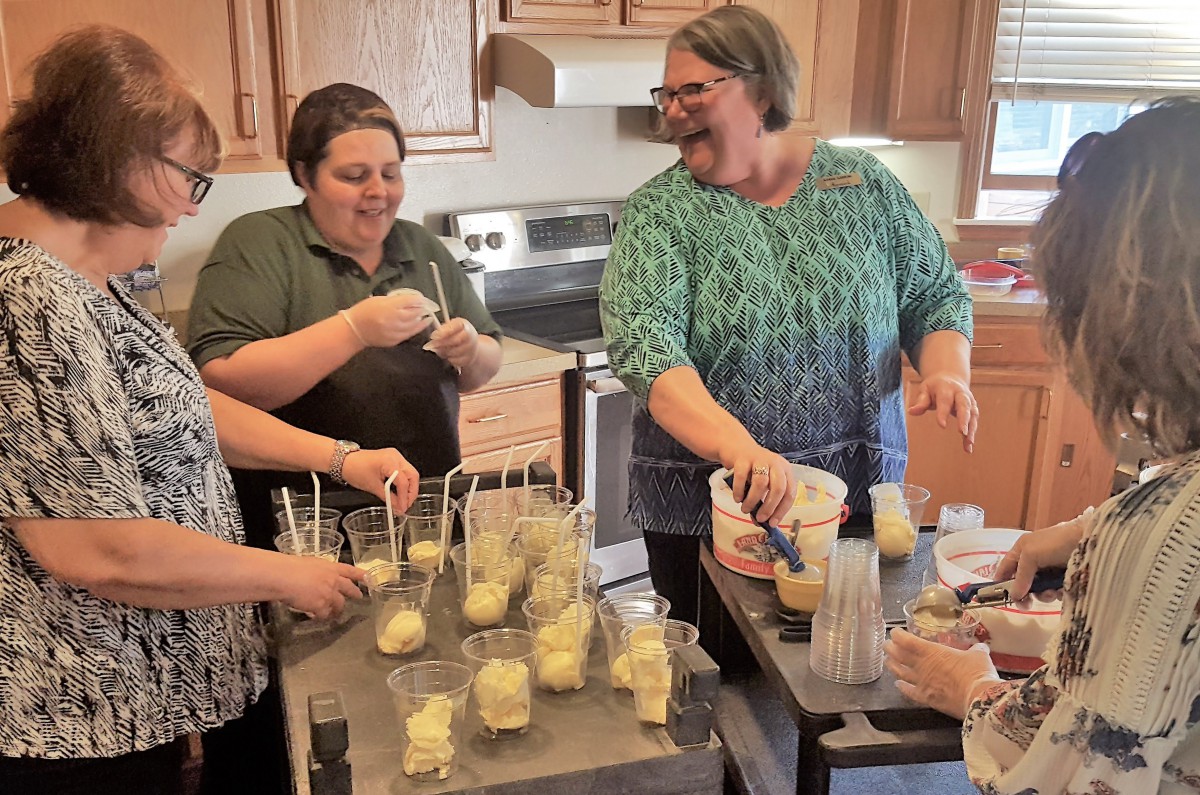
- The facility offers a wide range of activities, including music, bowling, and water activities, ensuring there is something for everyone.
- The care is personalized in a smaller community with one-on-one attention and monthly care-plan discussions.
- The dementia care is outstanding, with loving caregivers and a warm, clean environment.
Cons
 They are unable to afford placing their loved one there at this time.
- No one can adapt quickly to new changes.
Review
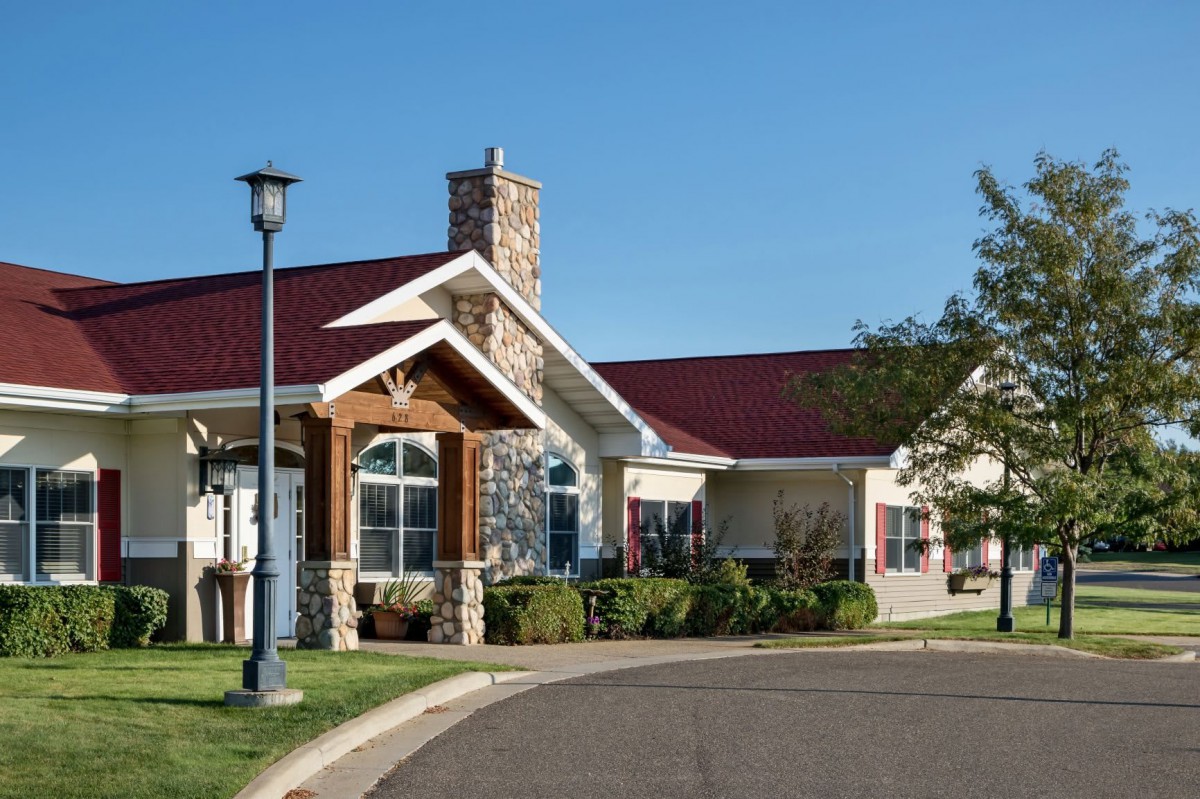
CountryHouse Residence for Memory Care at Dickinson is best suited for families seeking a dementia-focused, intimate memory-care setting in Dickinson, North Dakota. It fits residents who respond well to a warm, home-like atmosphere and staff who know residents by name from drop-off through daily activities. The program is designed for those who value structured daily living, meaningful engagement, and a sense of family within the building. The small scale translates into visible attention to individual routines and needs, allowing caregivers to tailor routines, monitor changes, and coordinate closely with families on care adjustments. This is not a generic, one-size-fits-all arrangement; it is a deliberate, person-centered approach to memory care.
Those who may want alternatives are those seeking the resources of a larger campus or more intensive clinical oversight. For residents who require frequent, 24/7 nursing interventions beyond dementia-specific care, a more comprehensive skilled-nursing environment may be a better fit. Families with limited budgets or who anticipate escalating care costs could also consider other options, since some caregivers note affordability relative to nursing homes as a meaningful advantage here, but affordability remains a crucial factor for long-term planning. Finally, if the desire is for a campus with broader amenities or a wider social calendar across multiple wings, a larger community may offer different programming that a smaller setting cannot replicate.
The strongest pros, caring, attentive staff, a family-like culture, and a consistently active program, largely offset any potential drawbacks. Staff readiness to keep residents engaged, plus a daily emphasis on humor and warmth, creates an environment where memory-challenged individuals can thrive socially and emotionally. The emphasis on purposeful activities, from music to bowling to water-based experiences, helps maintain cognitive stimulation and mood, which in turn supports overall quality of life. Add to that the clear accessibility of caregivers and the visible investment in resident happiness, and the model feels sustainable rather than performative. For families, the relief of seeing resident joy and routine stability can outweigh the constraints of a smaller footprint.
Care quality in this memory-focused setting stands out for its specialized attention to dementia. The team is described as patient, inventive, and genuinely committed to adapting to changing needs, with caregivers who understand the nuances of memory loss and how to respond with calm, consistent care. A structured care plan process, monthly meetings with families to review changes, ensures nobody bears responsibility for decisions in isolation. The environment supports dignity: clean, well-maintained spaces, daily bedding, and laundry services, combined with a home-like atmosphere and opportunities for authentic interaction with peers. This is not merely custodial care; it is a thoughtfully designed memory-care program that prioritizes meaningful engagement.
For decision-makers evaluating options, consider the practical signals this community provides. A day program and respite care presence signals flexibility for families juggling schedules or needing temporary arrangements. The emphasis on one-on-one attention in a smaller community often translates into more responsive update cycles and a faster turnaround on adjustments to care plans. Prospective families should probe how activities are scheduled, how staff-to-resident ratios hold during peak times, and how the facility handles transitions when a resident’s needs shift. If the goal is a setting where residents feel truly known, where meals and routines feel homey, and where families are invited into ongoing care conversations, CountryHouse Dickinson represents a compelling, if specialized, value.
In the end, CountryHouse Residence for Memory Care at Dickinson offers a practical, compassionate fit for memory care that prioritizes person-centered attention, consistent engagement, and transparent family collaboration. It excels for families who want a smaller, warm environment with a genuine sense of community, where staff are empowered to adapt to individual needs and residents remain socially active. Alternatives should be considered only when the required level of clinical oversight or campus breadth exceeds what a memory-focused, intimate setting can sustainably deliver. For the right family, this community delivers not just care, but a hopeful day-to-day rhythm in which loved ones can feel seen, supported, and engaged.
 Memory Care
 Activities off-site
 Bath tubs
 Beautician on-site
 Cable or satellite TV
 Devotional services off-site
 Ground floor units
 Handicap accessible
 Indoor common areas
 Outdoor common areas
 Respite or short term stays offered
 Wheelchair accessible showers
 Wi-Fi/high-speed internet available
 Dickinson Municipal (8 miles away)
 Ambulatory care
 Diabetic care
 High acuity care
 Incontinence care
 Medication management
 Anytime dining
 Art classes
 Catholic services
 Cooking classes
 Day trips and outings
 Karaoke
 Live musical performances
 Live well programs
 Wine tasting
 Vibrant Senior Living: A Comprehensive Guide for Active Older Adults
 Assisted Living and Memory Care: Understanding Their Core Differences
 Choosing the Right Senior Care: A Detailed Exploration of Assisted Living and Nursing Homes