
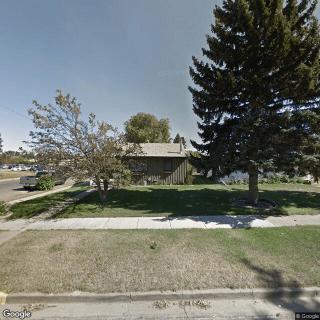
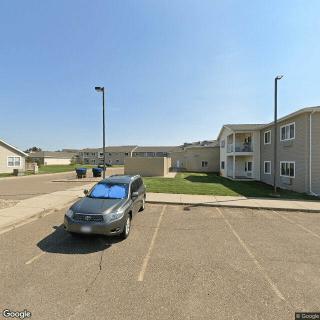
242 10Th Street W, Dickinson, ND 58601
For more information about senior living options: (866) 208-4318
Overall Review of St Lukes Home
Pros
 The staff at St Luke's are amazing, caring for all needs and extremely helpful in everything they do.
- Mary is an exemplary caregiver who has consistently delivered outstanding service for Saint Luke's.
- Mary’s dedication and loyalty are evident, and she deserves recognition for her commitment.
- Grandpa's nurse was very kind, demonstrating compassionate care.
- The overall care at St Luke's is commendable and trustworthy.
Cons
 The facility seemed to be understaffed.
- Residents in their rooms were waiting for help, and it seemed no one was coming to assist them.
- Grandpa wished he could be outside more.
Review
St Luke’s Home in Dickinson is best suited for families seeking a warm, relationship-driven environment where caregivers know residents well and demonstrate steady, personal attention. This community works best for seniors who value a culture of genuine care, where staff tend to go the extra mile on day-to-day needs and where a familiar, neighborly atmosphere can translate into reliable daytime reassurance. It is a solid fit for families who prize strong interpersonal connections with the caregiving team and who want to be confident that the people delivering care are invested in their loved one’s well-being. Those who require highly predictable, around-the-clock response or who want extensive outdoor or activity programming may want to consider alternatives.
The standout strengths here are the people. The reviews repeatedly highlight a caregiving mindset that feels sincere and responsive, with staff who make residents’ needs a priority. Mary, in particular, represents the best of the team: a consistently reliable caregiver whose experience and loyalty shine through in every visit and interaction. This is not a faceless operation; families can sense a culture where caregivers remember histories, preferences, and small routines, and where trust in the staff becomes a meaningful part of daily life. The general impression is one of warmth, thoughtfulness, and a commendable level of attentiveness that can ease the transition for new residents and their families. Even when criticisms appear, the overall tone remains that honest, capable hands are always present on the floor.
Nevertheless, there are clear operating pressures that potential residents must weigh. The most significant concern is understaffing, which translates into tangible delays: residents seen waiting for assistance in their rooms, and a sense that help is not always immediately available. A visit can reveal the same residents awaiting aid, underscoring that staffing levels affect responsiveness and safety. While individual nurses may be kind and responsive, the broader pattern points to variability in care delivery tied to staffing fluctuations. Another notable drawback is limited outdoor time and programming in the eyes of at least one resident, who appreciated the food but wished for more opportunities to be outside. Taken together, these signals point to a community where excellent caregiving is possible, but not guaranteed at the moment of every need.
Explicitly, who should consider alternatives? Families whose loved one requires rapid, almost constant assistance or who must have guaranteed response times should look for communities with higher staffing ratios and more structured response systems. Those who prioritize extensive outdoor time, frequent outdoor activities, or more aggressive daily programming may find St Luke’s offerings insufficient. For residents with advanced medical or behavioral needs requiring highly specialized, predictable care, exploring a few other options with demonstrated staffing consistency and clear encore support would be prudent. In short, this is a compelling option for companionship-driven care, but not the safest bet for those who cannot tolerate occasional delays or gaps in responsiveness.
The positives do not vanish because of the staffing tension; they offset risks in meaningful, practical ways. The core advantage, genuine caregiver devotion, creates a foundation of trust that can supersede episodic delays, making day-to-day life feel supported and personally attended to. The presence of dedicated staff like Mary can make a meaningful difference in a loved one’s sense of security and happiness, and the feedback about food suggests a respectful, mindful approach to dining that contributes to overall quality of life. These pros help protect the resident’s dignity and comfort, even when occasional responsiveness gaps arise. Still, families should recognize that reliability is not absolute, and plan accordingly with clear communication and contingency expectations.
For families seriously weighing St Luke’s, a disciplined approach is advised. Schedule a tour focused on real-time staffing patterns: ask to observe care flows during peak hours, speak with front-line aides, and request candid insights about average response times. Inquire about outdoor programming, daily activity calendars, and how meal choices are adjusted to resident preferences. Bring current care needs to the table and probe whether the community can sustain the level of responsiveness required for those needs. If these checks align with a family’s tolerance for variability, St Luke’s offers a distinctly supportive, relationship-centered option that can be the right home for a loved one who values care culture above all.
 88 resident community capacity
 Skilled Nursing Facility
 Air-conditioning
 Beauty salon
 Cable or satellite TV
 Computer center
 Dining room
 Fitness room
 Fully furnished
 Gaming room
 Garden
 Housekeeping services
 Kitchenette
 Move-in coordination
 Outdoor space
 Private bathrooms
 Restaurant-style dining
 Small library
 Telephone
 Wellness center
 Wi-Fi/high-speed internet available
 Dickinson Municipal (7 miles away)
 Community operated transportation
 12-16 hour nursing
 24-hour call system
 Activities of daily living assistance
 Assistance with bathing
 Assistance with dressing
 Assistance with transfers
 Diabetes diet
 Medication management
 Mental wellness program
 Special dietary restrictions
 Concierge services
 Planned day trips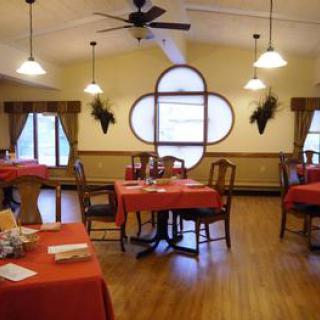


 Understanding the Nuances of Palliative Care and Hospice: A Comprehensive Exploration
 Fecal Incontinence in Older Adults: A Comprehensive Guide
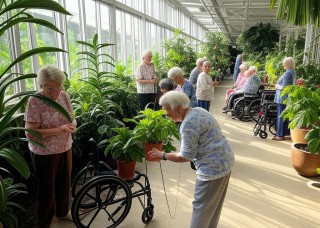 Nurturing Well-Being Through Gardening: A Detailed Guide for Senior Enthusiasts