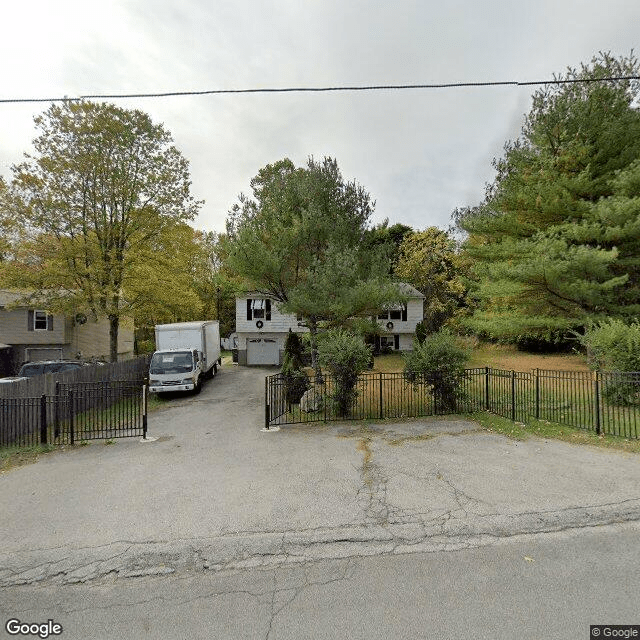
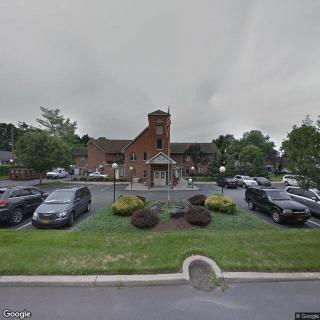
176 Spackenkill Road, Poughkeepsie, NY 12603
To contact a resident: (845) 905-5995
For more information about senior living options: (866) 208-4318
Elizabeth Manor Costs & Pricing
At Elizabeth Manor, the monthly costs for various room types present a compelling value when compared to both Dutchess County and the wider New York state averages. The semi-private room is priced at $2,000, which is significantly lower than the county average of $4,499 and the state average of $4,389. Similarly, the studio option at Elizabeth Manor is offered at $4,000, again undercutting both the county's $5,125 and New York state's $4,532. Lastly, for those seeking a private room, Elizabeth Manor maintains its competitive edge with a rate of $4,000 compared to Dutchess County's $5,000 and New York's higher average of $5,159. This pricing structure demonstrates Elizabeth Manor's commitment to providing accessible and affordable care while maintaining a high standard of living for its residents.
| Floor plans | Elizabeth Manor | Dutchess County | New York |
|---|---|---|---|
| Semi-Private | $2,000 | $4,499 | $4,389 |
| Studio | $4,000 | $5,125 | $4,532 |
| Private | $4,000 | $5,000 | $5,159 |
Overall Review of Elizabeth Manor
Pros
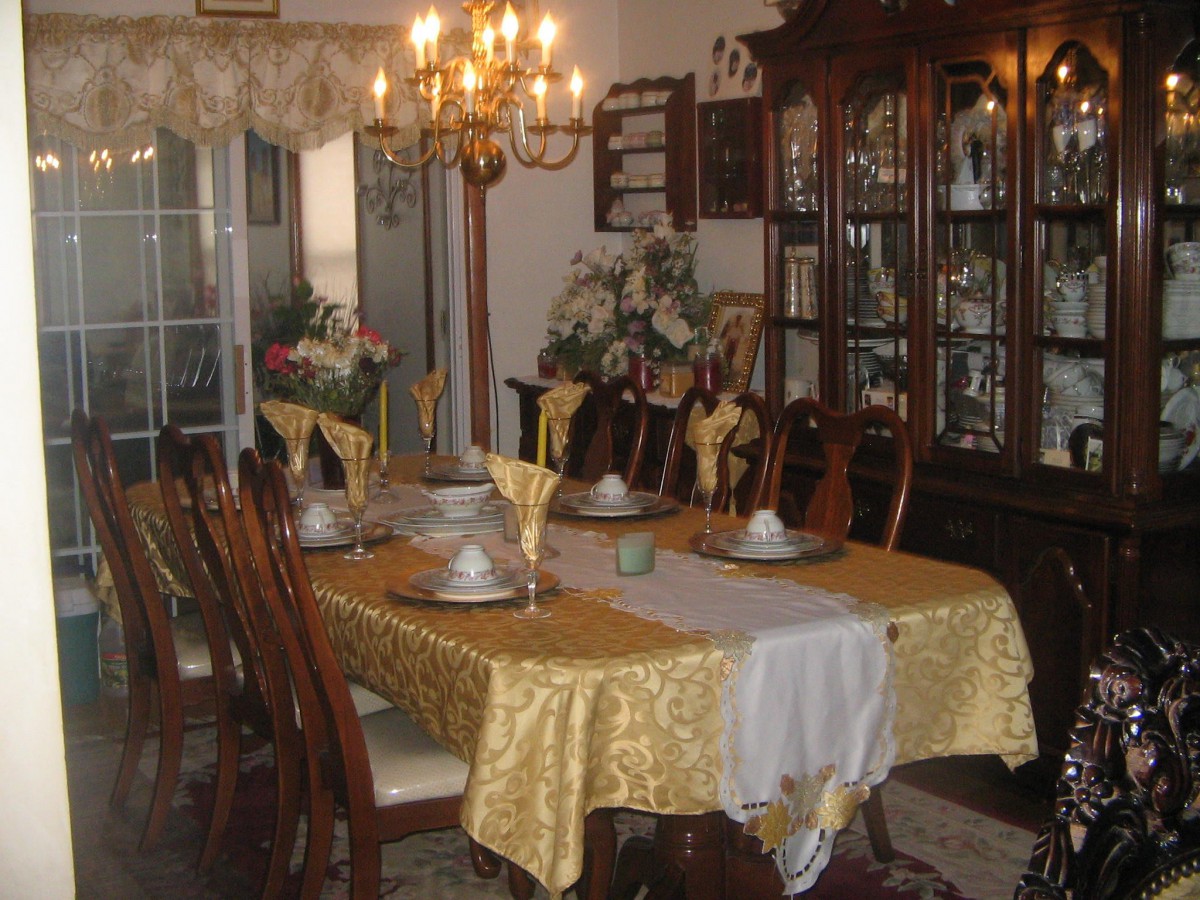
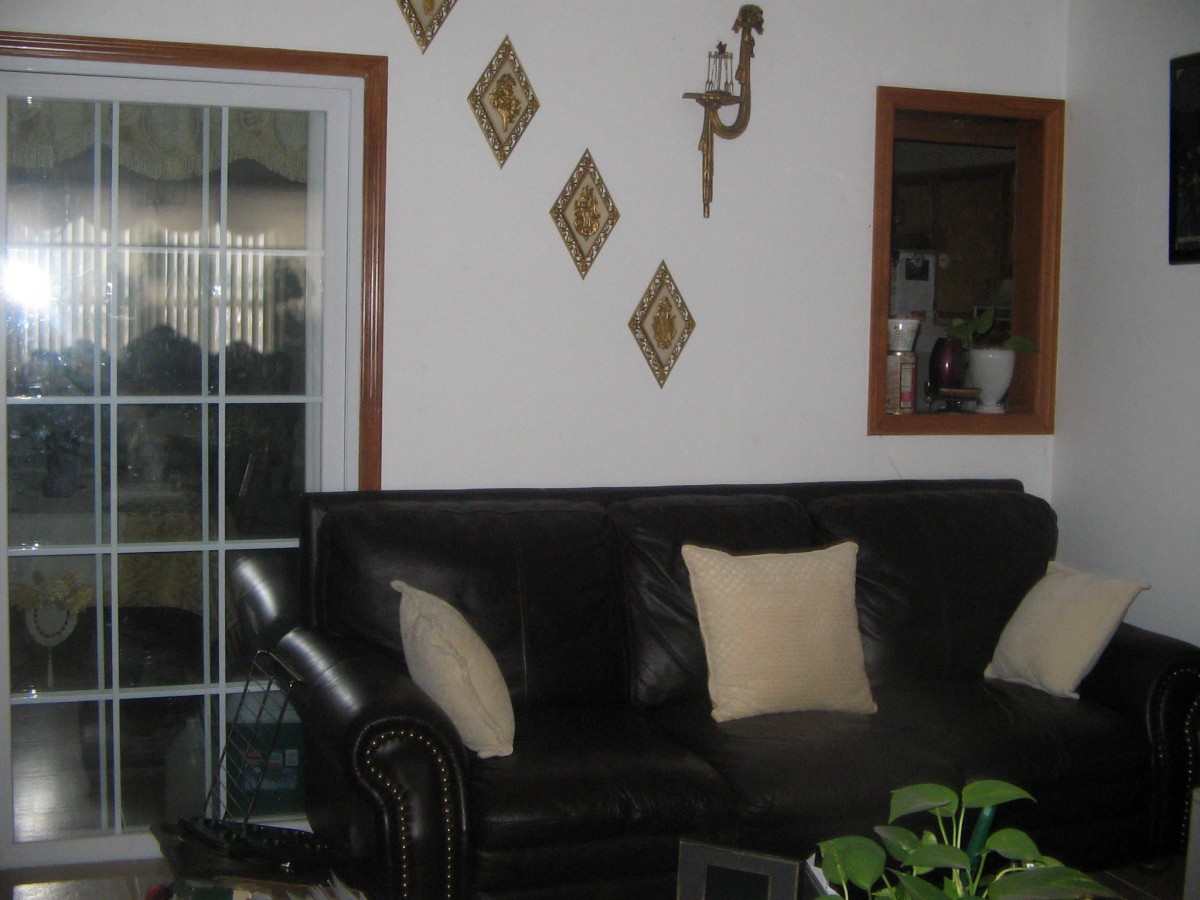
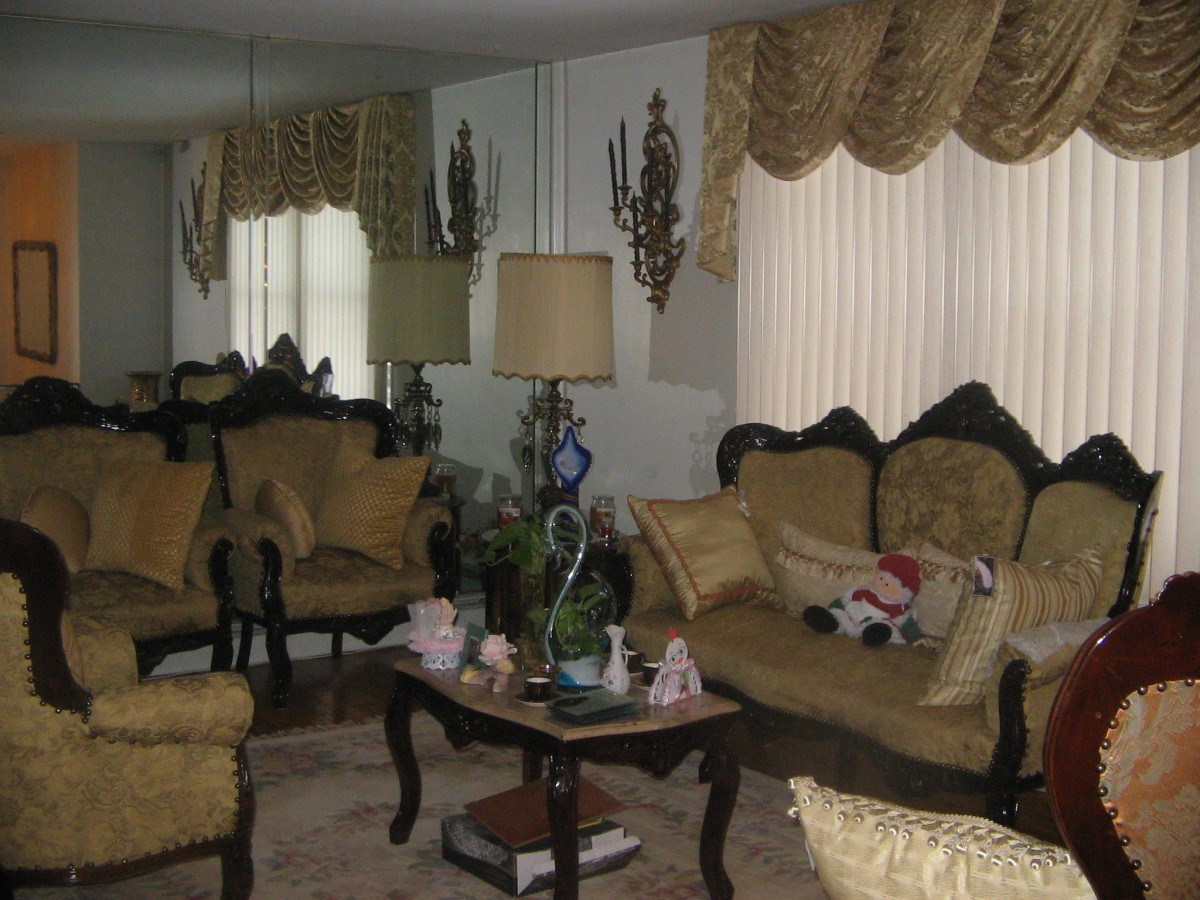
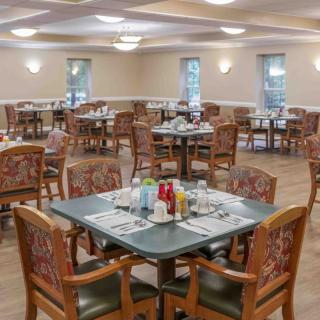
 The home was clean with a pleasant scent throughout.
- The staff are caring and friendly.
- They felt welcome in the home.
- The experience with Elizabeth Manor was absolutely wonderful.
- Frances, Carla, and Pat were incredibly caring, kind, and professional.
- Elizabeth Manor is a smaller, residential facility where visitors are always welcome.
- The reviewers would recommend Elizabeth Manor to anyone seeking care for a loved one.
Cons
 The home had a few minor maintenance issues.
- The staff did not inquire about activities for residents.
Review
Elizabeth Manor in Poughkeepsie is best suited for seniors who want a quiet, home-like setting where staff know residents well and care deeply about personal attention. The community’s smaller, residential footprint supports a welcoming, family-driven atmosphere, with services that feel individualized rather than institutional. It suits families seeking straightforward assistance with daily living and uncomplicated medical oversight, plus practical helps such as medication management and laundry included in the care package. For someone prioritizing ease of visitation and a comfortable, low-key environment over a resort-style campus, Elizabeth Manor stands out as the right match.
Those weighing alternatives should consider whether a larger, more schedule-driven community with expansive activity calendars and more formal program offerings is a better fit. If memory care, higher-acuity medical needs, or a wider array of on-site amenities are essential, or if a robust, structured program is non-negotiable, it may be worthwhile to evaluate other options. Families seeking extensive memory support or specialized clinical teams on a larger campus could find Elizabeth Manor too intimate or limited in scope, especially if the priority is a highly developed activity schedule or a broader continuum of care.
The strongest positives center on the human side of care. Descriptions consistently highlight a clean, well-kept home with a pleasant, lived-in feel, and staff who are caring, friendly, and easy to approach. The smaller, residential character fosters frequent, genuine interactions with caregivers and a sense of welcome that permeates visits from both staff and resident peers. Onsite staff and predictable routines contribute to a sense of security, while practical services, medication management and laundry, lighten family responsibilities. Monthly physician visits and staff assistance with medical appointments add a layer of medical oversight that is accessible without the bustle of a larger campus.
Where the landscape becomes nuanced are the trade-offs one should weigh against those strengths. A few minor maintenance issues appear, which can be a reminder that even well-kept homes require ongoing attention. The most notable potential drawback is the level of structured programming; the reviews do not describe an expansive activity calendar, and there is little detail about specialized programming beyond general engagement like puzzles, TV, and music. For residents who crave a broad array of daily activities, social outings, or diverse enrichment options, Elizabeth Manor may feel quieter or more limited than larger communities.
Yet the pros can meaningfully offset these cons for the right resident. The intimate setting translates into easier access to staff, quicker response times, and a caregiving culture that feels personal rather than procedural. The combination of medication management, readily available on-site staff, and transport to medical visits reduces caregiver burden and helps maintain continuity of care. Family visits are encouraged, and the smaller scale often makes the daily routine feel predictable and humane. The medical touchpoints, monthly MD visits and coordinated transport, bring comfort to families concerned about ongoing health needs, without sacrificing the warmth of a home environment.
Families finalizing a decision should prioritize visiting Elizabeth Manor with a specific checklist. Observe how staff interact with residents, especially during medication routines and daily tasks. Inquire about the exact scope of the monthly physician visits, who composes the medical plan, and what level of nursing support is on-site. Ask for a current activity schedule to gauge how engagement is tailored to individual interests and cognitive levels. Clarify what “smaller, residential” means in terms of room options, privacy, and potential for spontaneous family involvement. If the goal is a warm, attentive setting where practical care tasks are streamlined and residents are treated like neighbors, Elizabeth Manor is a compelling option; if a bustling calendar and expansive clinical offerings are essential, another path may prove more fitting.
 Board and Care Home
 Day Program
 Memory Care
 Cats allowed
 Dogs allowed
 Bath tubs
 Beautician on-site
 Devotional services off-site
 Indoor common areas
 Outdoor common areas
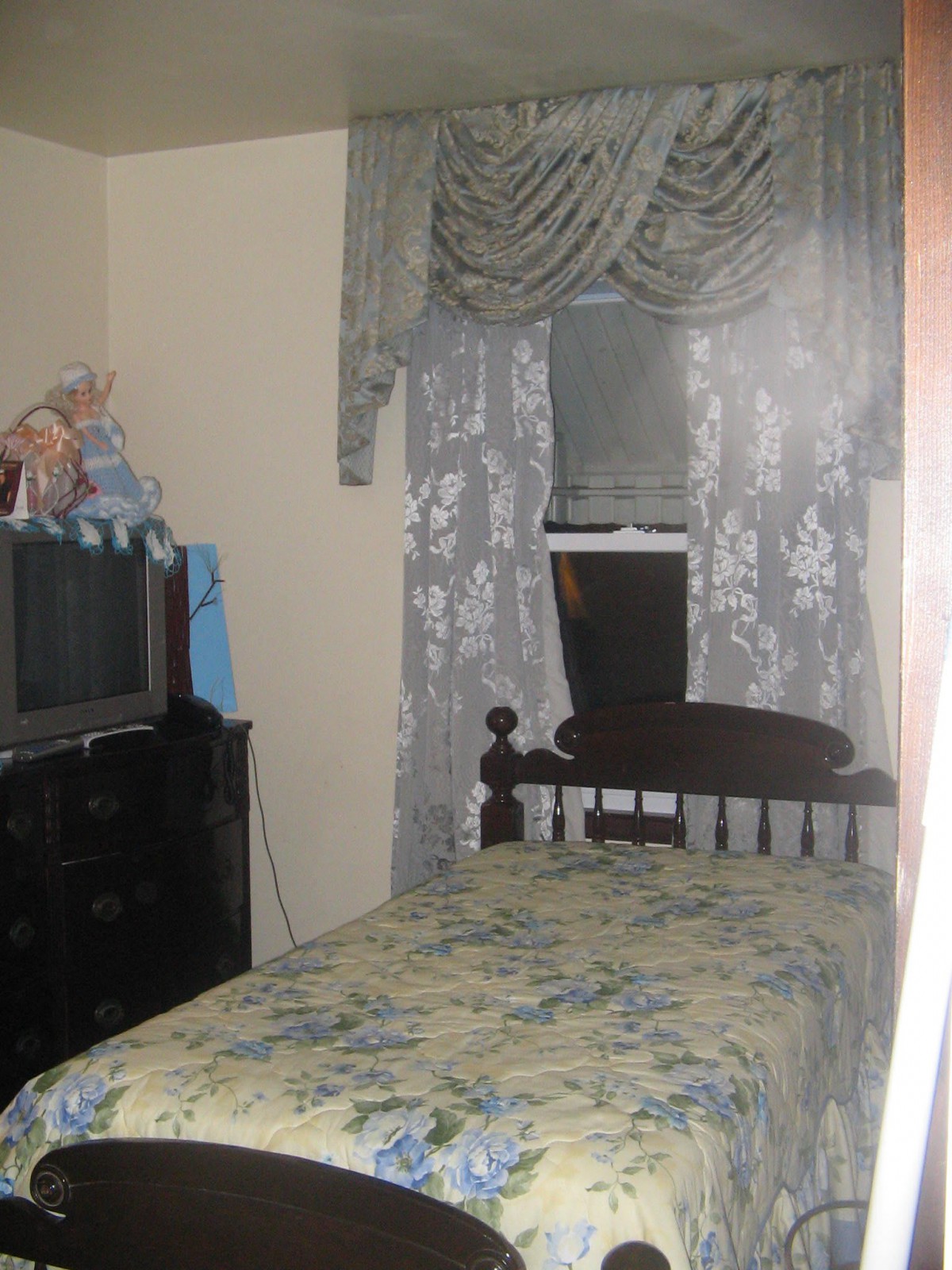
 Private
 Private bathrooms
 Respite or short term stays offered
 Stewart (15 miles away)
 Diabetic care
 High acuity care
 Incontinence care
 Medication management
 Meals provided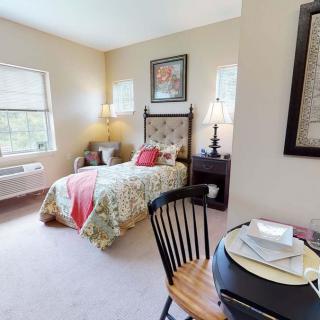



 Illuminating Insights About Alzheimer's Disease: Ten Crucial Realities
 A Thorough Discussion of Medications Potentially Linked to Dementia Risk
 Why Do Dementia Patients Sleep So Much? Understanding Oversleeping, Stages, and Care Approaches