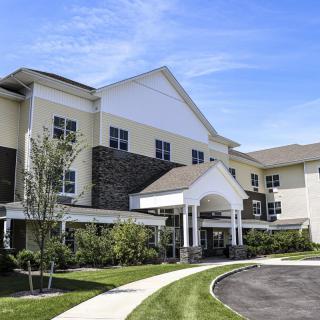
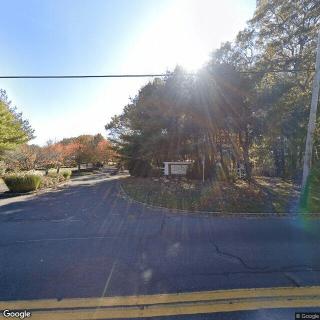
8 Beach Road Center, Moriches, NY 11934
To contact a resident: (631) 633-0164
For more information about senior living options: (866) 208-4318
Angels by the Bay Costs & Pricing
At Angels by the Bay, the monthly costs for accommodations reflect a commitment to quality care within a vibrant community. For semi-private rooms, residents will find a monthly fee of $4,500, which is notably higher than the Suffolk County average of $3,706 but competitive with the New York state figure of $4,389. Both one-bedroom and private room options are priced at $5,500 each; while this is slightly below the county's average of $5,646 for one-bedroom units, it exceeds the state average of $4,307 for similar accommodations. In contrast to private rooms in Suffolk County where costs average $4,234 and statewide they reach approximately $5,159, Angels by the Bay positions itself on par with regional market trends while emphasizing an enriching environment that enhances the overall living experience for its residents.
| Floor plans | Angels by the Bay | Suffolk County | New York |
|---|---|---|---|
| Semi-Private | $4,500 | $3,706 | $4,389 |
| Private | $5,500 | $4,234 | $5,159 |
| 1 Bedroom | $5,500 | $5,646 | $4,307 |
Memory care communities with a similar price nearby
-
from +$300 / mo
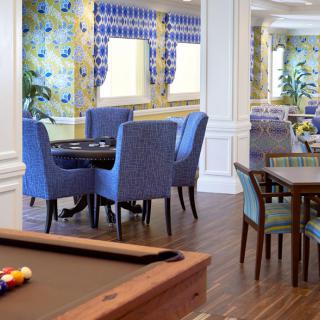
The Bristal At Sayville
$4,800 to $9,600 / month16.1 miles away -
About the same
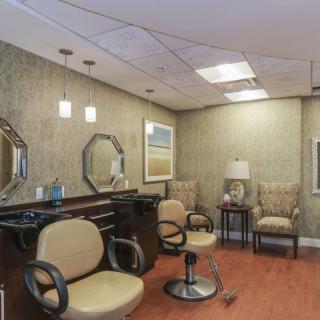
Whisper Woods of Smithtown
$4,550 to $6,650 / month23.5 miles away -
About the same
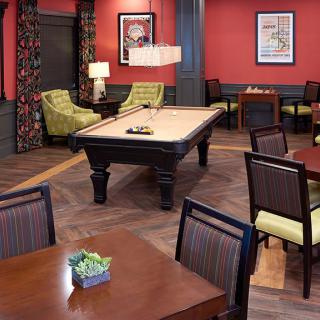
The Bristal at Holtsville
$4,400 to $8,100 / month12.8 miles away -
from -$800 / mo
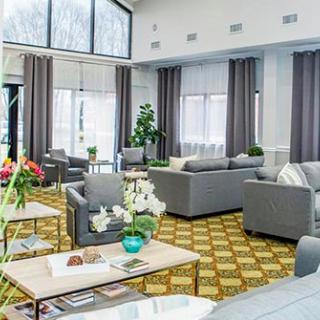
The Arbors at Bohemia
$3,700 to $6,800 / month16.9 miles away -
from -$550 / mo
All American Assisted Living at Coram
$3,950 to $7,920 / month14.2 miles away
Overall Review of Angels by the Bay
Pros
 The family operators were very accommodating and friendly.
Cons
 The house and accommodations did not suit their current situation.
Review
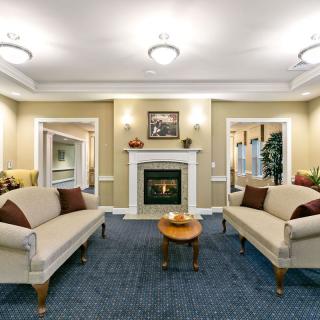
Angels by the Bay in Moriches is best suited for seniors who want a small, family-run, home-like assisted living experience where staff treat residents with warmth and direct attention. The setting is intimate, prioritizing personal interaction, predictable routines, and a sense of being cared for in a house-like environment rather than a sprawling campus. This option works well for residents who require modest levels of assistance with daily activities and who value a non-institutional atmosphere, friendly communication, and flexible scheduling. It is not a big-care facility; it serves as a cozily scoped home option where the human touch is central.
Families needing more formal structure or higher medical oversight should consider alternatives. For residents with complex medical needs, mobility restrictions requiring barrier-free design, or memory care requirements that demand specialized programming and safety features, a larger, more equipped community will typically be a better fit. If the plan calls for on-site nursing, rehab services, or a robust activity calendar designed around clinical supervision, the current setting may fall short. In short, this option shines in warmth and adaptability, but it does not replace the infrastructure of a bigger, more medicalized senior living campus.
The strongest positive at Angels by the Bay is the hands-on, familial leadership. The family operators are described as accommodating and friendly, which translates into responsive communication and a welcoming atmosphere. Residents and families can expect a level of accessibility and a willingness to tailor days to individual preferences. That kind of intimate leadership often reduces friction around scheduling, meal times, and daily routines, and reduces the sense of exposure to impersonal staff turnover. For seniors who prize a personal touch and a trusted point of contact, this is a meaningful advantage.
However, the single user experience notes that the house and accommodations did not align with their current situation. That statement signals a potential misfit between space, layout, or available amenities and what a resident actually requires. Small dwellings, single-family floor plans, or narrower hallways can constrain mobility aids, person-centered safety features, or the ease of navigating care routines. For a family weighing this option, it means a clear assessment of whether the home environment can support the resident’s physical needs, assistive devices, and privacy expectations without compromising safety or comfort.
Pros can offset cons only if the care needs remain within the limits of what a house-based setting can reliably deliver. The warmth and flexibility matter when the alternative is a sterile, high-capacity facility; yet the advantages diminish quickly if the resident requires more structured supervision, a larger living area, or specialized services like dementia programming. Decision-makers should quantify the expected level of assistance, daily schedule expectations, and any mobility or accessibility requirements. If those elements can be met within the home-like framework, Angels by the Bay becomes an attractive choice; if not, the con side becomes decisive.
To move forward, have a candid conversation about space, accessibility, and care capabilities. Ask to see the floor plan and bedroom configurations, confirm whether there is barrier-free access, and verify what level of ADL support is included and what would incur extra charges. Inquire about staffing ratios, nurse availability, medication management, meals, transportation, and how personalized the activity program can be. Also consider practicalities: the address in Moriches, commute for visiting family, and household routines. This community offers a warm, flexible home setting for those who value personal connection, but families should walk away with a clear picture of whether the space will truly support the resident’s current and near-term needs.
 Board and Care Home
 Memory Care
 Activities on-site
 Air-conditioning
 Cable or satellite TV
 Devotional services off-site
 Ground floor units
 Indoor common areas
 Outdoor common areas
 Private
 Respite or short term stays offered
 Swimming pool / hot tub
 Wheelchair accessible showers
 Wi-Fi/high-speed internet available
 Long Island - MacArthur (17 miles away)
 Ambulatory care
 Diabetic care
 High acuity care
 Incontinence care
 Medication management
 International cuisine
 Catholic services
 Forever fit
 Karaoke
 Live well programs
 Trivia games
 Illuminating Insights About Alzheimer's Disease: Ten Crucial Realities
 A Thorough Discussion of Medications Potentially Linked to Dementia Risk
 Why Do Dementia Patients Sleep So Much? Understanding Oversleeping, Stages, and Care Approaches