L.A. In-Home Care - 33rd Street in Rio Rancho, NM

Save

  • Interior

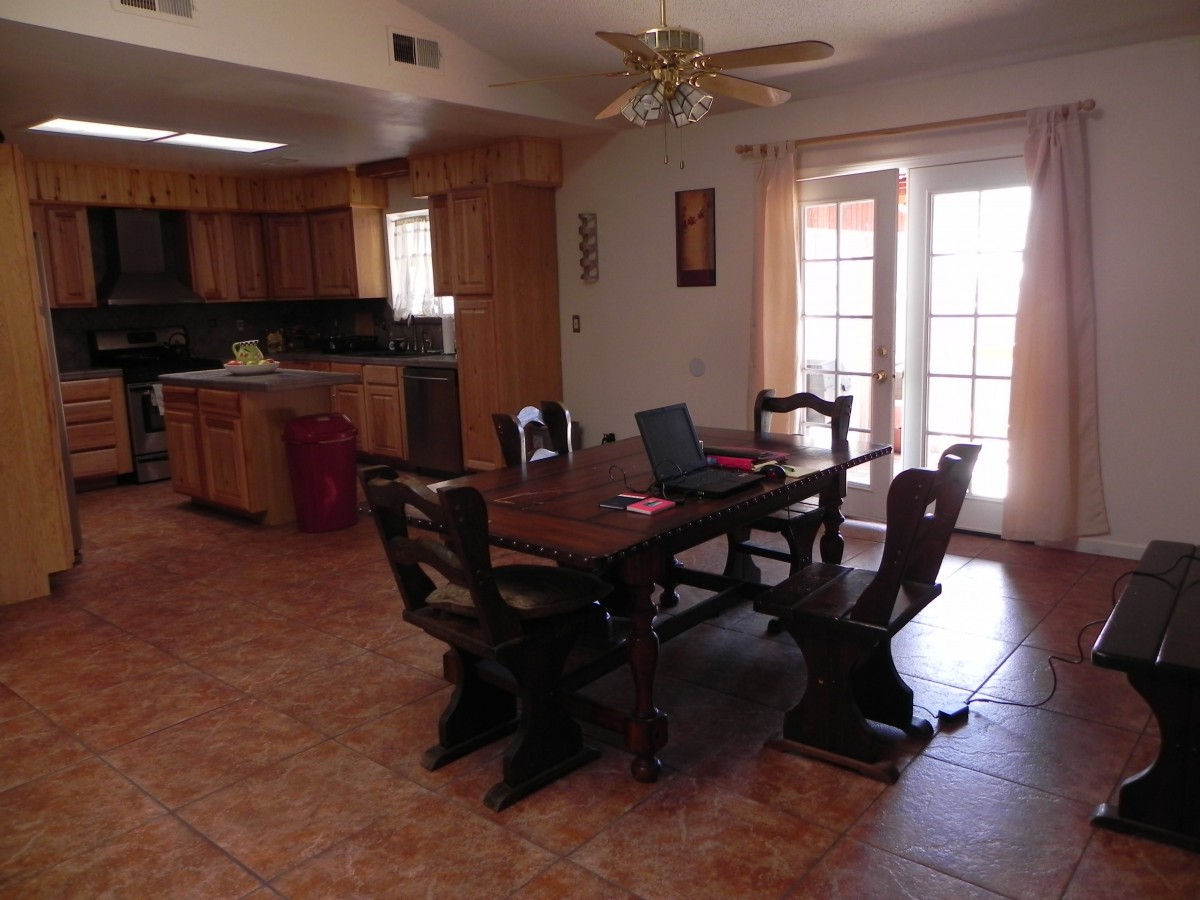
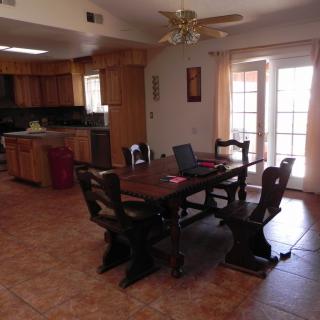
    A cozy dining area with a wooden table and chairs adjacent to an open kitchen.
  • Outdoors

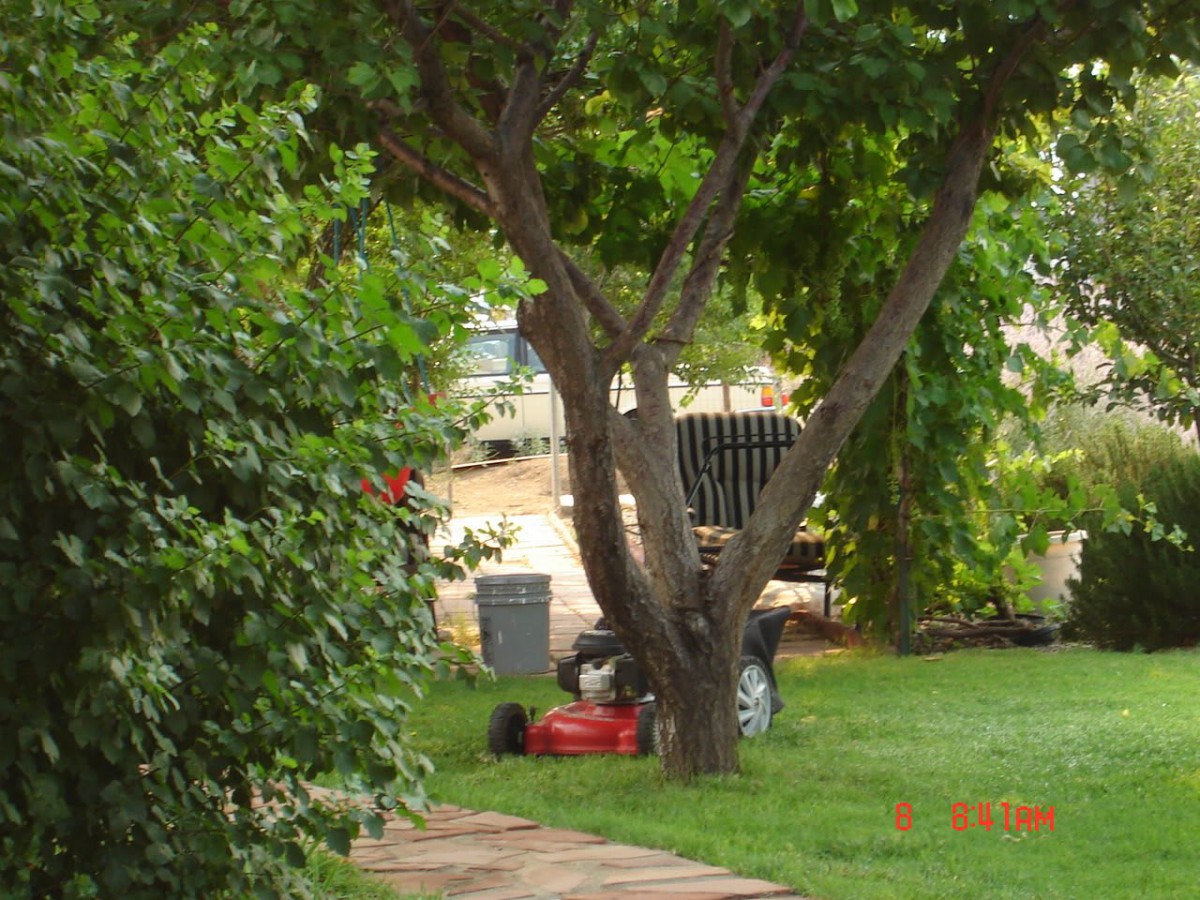
    A serene garden scene with a tree and a lawn mower placed on the grass.
  • Decor

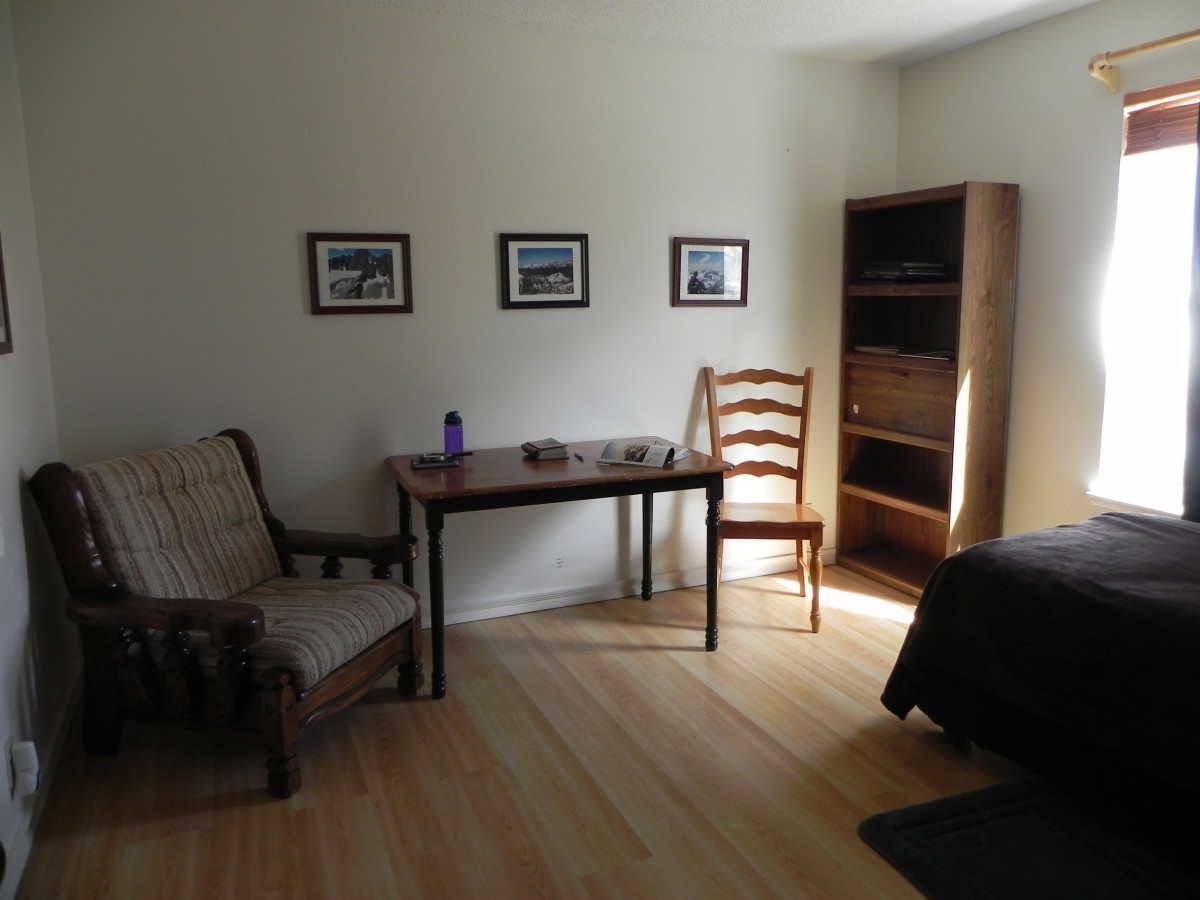
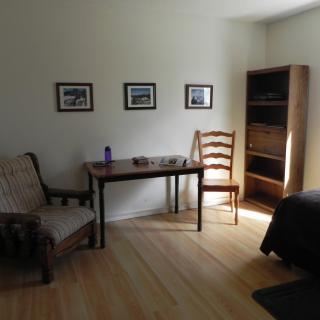
    A minimalist room featuring a table, chairs, and a bookshelf with framed pictures on the wall.
  • Living Room

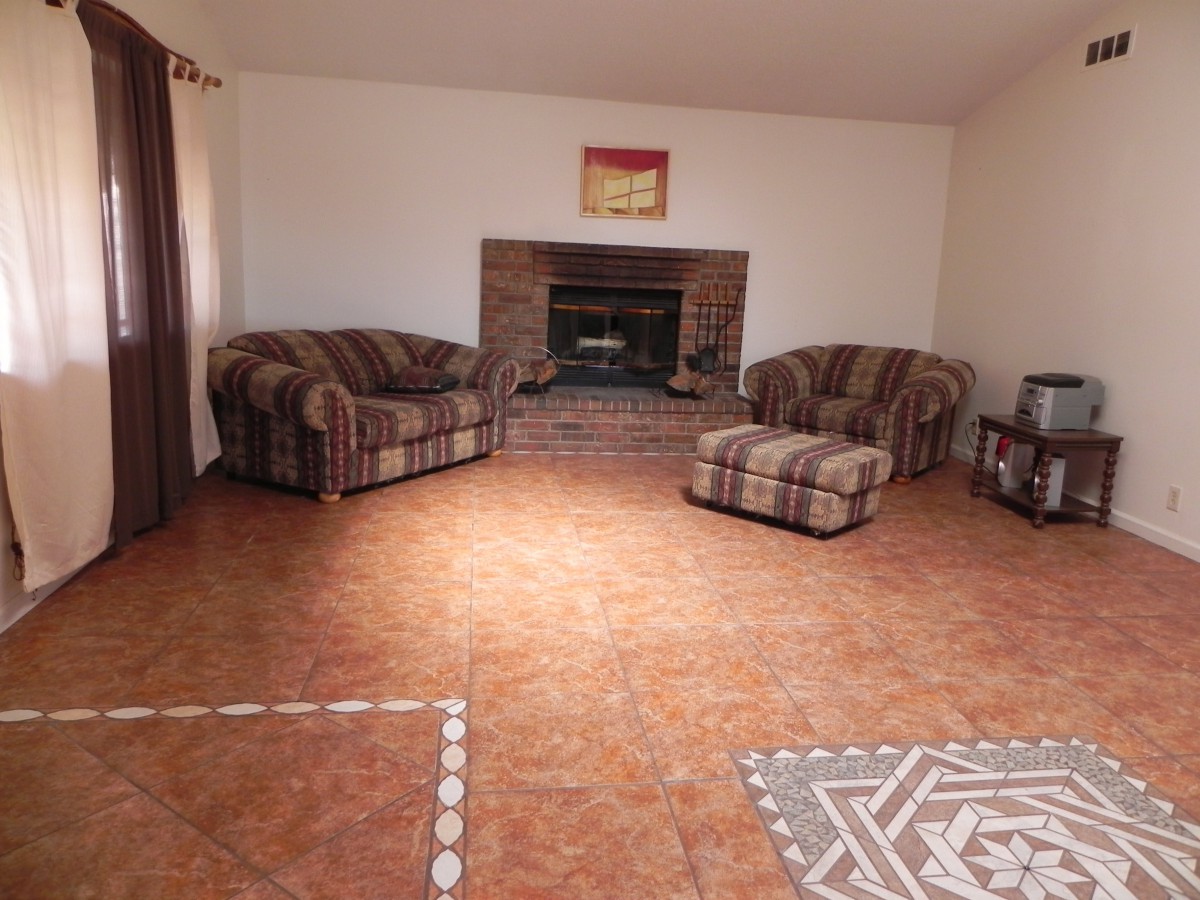
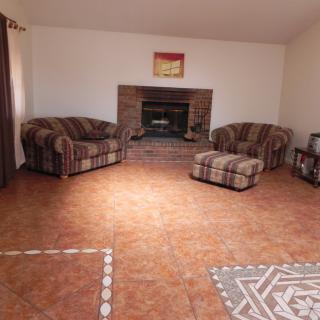
    A cozy living room with a tiled floor, featuring a sofa set around a brick fireplace.
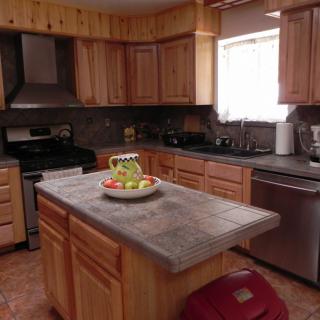
  • Kitchen

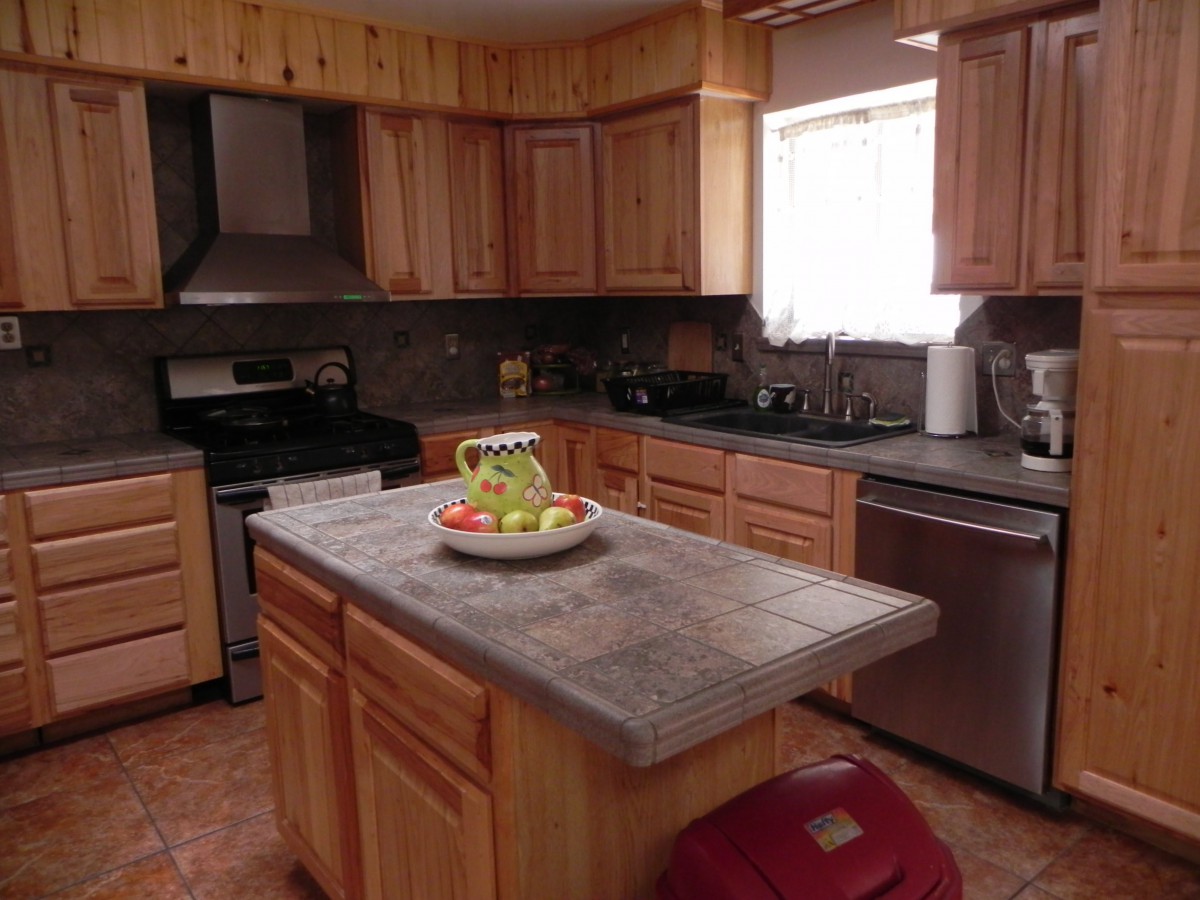
    A cozy kitchen with wood cabinets and a central island featuring a fruit basket.
  • Garden

    A serene garden pond surrounded by lush greenery and vibrant flowers.
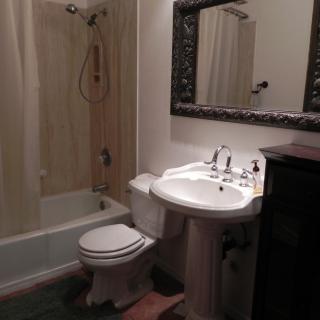
  • Bathroom

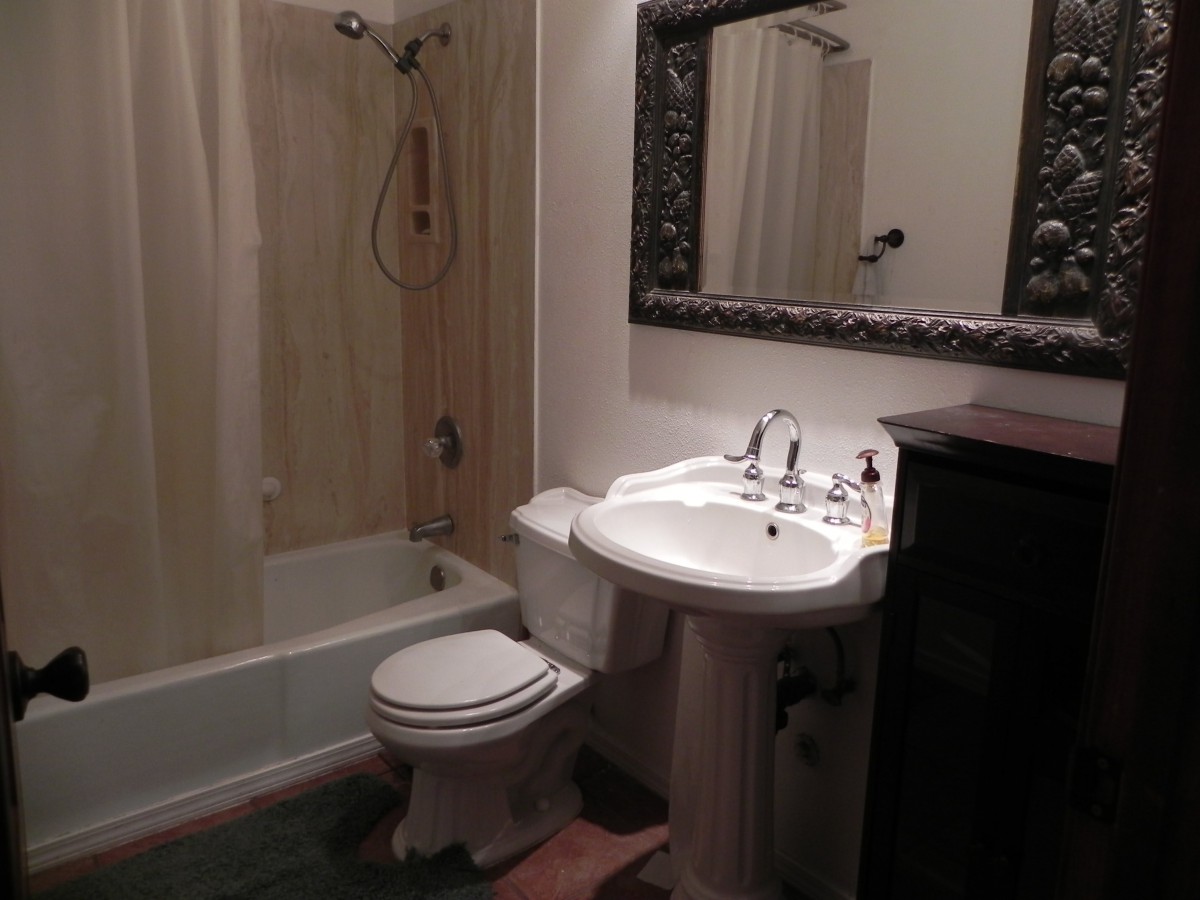
    A cozy bathroom with a sink, toilet, and bathtub.

L.A. In-Home Care - 33rd Street in Rio Rancho, NM

1624 33rd Street, Rio Rancho, NM 87124

For more information about senior living options: (844) 490-3973

2.6 from 20 reviews
5 stars
2
4 stars
6
3 stars
2
2 stars
2
1 stars
8

Board and Care Home Memory Care

L.A. In-Home Care - 33rd Street Costs & Pricing

L.A. In-Home Care - 33rd Street offers competitive pricing for its services, with both the 1-bedroom and private room options priced at $2,000 per month. This cost stands in stark contrast to the broader market in Sandoval County, New Mexico, where similar accommodations range from approximately $3,878 to $4,055 for a 1-bedroom unit and up to $4,391 for a private room. This significant price differential highlights L.A. In-Home Care's commitment to providing affordable yet quality care options within a state where costs can be considerably higher. Such pricing not only makes their services more accessible but also positions them as an attractive option for individuals seeking reliable in-home care solutions without compromising on quality or comfort.

Floor plansL.A. In-Home Care - 33rd StreetSandoval CountyNew Mexico
1 Bedroom$2,000$3,878$4,055
Private$2,000$3,889$4,391

What level of care are you interested in?

Assisted Living

Memory Care

Independent Living

Skilled Nursing Facility

Continuing Care Retirement Community (CCRC)CCRC

Other


Request a tour at L.A. In-Home Care - 33rd Street

    Overall Review of L.A. In-Home Care - 33rd Street

    Pros

    • pro The staff provides sincere care and dedication to each client.
    • pro They take clients to doctor's appointments, the senior center, and shopping for clothing and food.
    • pro They respond within a reasonable time when contacted.
    • pro The staff were instrumental in helping the family through a difficult time.
    • pro They even spent time at the parents' house to support the brother's care and comfort.
    • pro The family is very grateful for the care provided.
    • pro The facility is very nice, and the staff seemed happy.
    • pro The courtyard is nice and the activities available are great.
    • pro Diane provided a helpful tour.
    • pro The owners were very kind and caring.
    • pro The owners were cooperative and helpful.
    • pro The service was good overall, and scheduling was easy.
    • pro The caregiver was absolutely wonderful.

    Cons

    • pro They state that caregivers are not experienced and change daily, with inconsistency and a owner who lies and cannot be trusted.
    • pro They note the staff are not attentive and there are no activities for residents, making the community undesirable.
    • pro They describe the place as not secure for dementia patients, with a resident wandering and ending up hospitalized.
    • pro They point out safety issues like a cold house and a missing smoke detector, suggesting poor safety standards.
    • pro They feel the owner seems to want homebound residents with no say in their care and would not recommend living there.
    • pro They criticize LA In-Home Care as untrained for dementia, not secure, causing financial loss and being not recommended.

    Review

    L.A. In-Home Care - 33rd Street is best suited for families seeking a very small, home-like setting where a devoted caregiver team can provide hands-on, flexible daily help, transportation, and personalized companionship for a loved one who doesn't need a full-scale assisted living campus. The strongest appeal is intimate, attentive care: caregivers who take clients to doctor appointments, run errands, and accompany them to activities; and a responsive line of communication when questions arise. For families prioritizing a warm, personally driven approach over institutional formality, this community can feel like a practical, comforting option.

    Those weighing alternatives should consider whether current needs include formal dementia programming, a clearly defined activities calendar, or a robust safety and oversight framework. The reviews show a wide range: some families praise genuine kindness and hands-on support, while others encounter serious concerns about training, consistency, and safety. If memory-care specialization, credentialed staff, or a highly structured daily routine are non-negotiables, it is prudent to explore other options. For residents who require predictable staffing and documented procedures, alternatives with stronger clinical credentials and standardized practices will likely be a better fit.

    On the positive side, the core pros paint a convincing picture for many families. The care team's sincerity and dedication stand out, with staff reported to coordinate medical visits, social outings, and essential errands, easing family members' burdens. Scheduling is described as straightforward, and the caregiver team is often praised as wonderful when matched with a resident. In the best cases, owners show flexibility and a willingness to work with families, which can translate into meaningful, compassionate care during challenging transitions. For short-term stays or transitional moments, these strengths can be decisive.

    Yet the cons carry substantial weight in decision-making. A recurring theme is caregiver inconsistency and a lack of credentialing, which undermines reliability and trust. Several reviews allege serious safety and ethical breaches, including medication mismanagement, doors left unattended, and a sense that the owner is not fully aligned with the needs of seniors with complex conditions. Safety infrastructure gaps - such as missing alarms or an environment that does not meet expectations for dementia care - plus reports of cold, unwelcoming spaces and a lack of structured activities - add up to a notable risk profile for families prioritizing stability.

    The key pros can offset some concerns only in narrowly defined situations. When a particular care team demonstrates high engagement, personal attention, and genuine responsiveness, families may experience meaningful daily support and a sense of security in familiar faces. However, the more systemic issues - inconsistent staffing, questions about training, and safety lapses - do not disappear with positive individual stories. For residents with significant memory impairment or those who require strict medication protocols, the risks become hard to justify. In such cases, the strongest path forward is to compare this option against higher-safeguard alternatives that provide formal dementia programming and documented safety measures.

    Bottom line: this community can be a lifeline for families seeking intimate, attentive care and flexible daily living support, but it requires careful vetting. Prospective buyers should demand a clear, written care plan, verify licensing and caregiver qualifications, and insist on a transparent staffing schedule. Observe multiple visit times, speak with current residents or families, and request a concrete activities calendar. If dementia-specific training, strong safety protocols, and consistent staffing are non-negotiable, look toward alternatives like Brookfield or other similarly credentialed providers. For families where emotional bonding, personal accessibility, and hands-on assistance trump formal programs, this option warrants serious consideration, provided due diligence confirms safety, consistency, and true responsiveness.

    Features

    Types of Care

    • Board and Care Home Board and Care HomeBoard and care homes provide a smaller, more intimate setting for seniors who require assistance with daily tasks but do not need the level of care offered by a nursing home. They offer personalized care, meals, and social activities in a homelike environment, ensuring that seniors receive individualized attention and support in their golden years.
    • Memory Care Memory CareMemory care is crucial for seniors as it provides specialized support and services for individuals with dementia or Alzheimer's disease. These programs offer a safe and secure environment where residents receive personalized care, cognitive stimulation, and help with daily activities. Memory care helps seniors maintain their independence, quality of life, and dignity while also providing peace of mind for their families.

    Pets

    • Cats allowed Cats allowed"Pet friendly" senior living communities are important for seniors because pets provide companionship, reduce feelings of loneliness and depression, promote physical activity and mental stimulation, and offer a sense of purpose and responsibility. Pets can improve overall well-being and quality of life for seniors in many ways.
    • Dogs allowed Dogs allowed"Pet friendly" senior living communities are important for seniors because pets provide companionship, reduce feelings of loneliness and depression, promote physical activity and mental stimulation, and offer a sense of purpose and responsibility. Pets can improve overall well-being and quality of life for seniors in many ways.

    Amenities

    • Activities off-site Activities off-siteEngaging in off-site activities is crucial for seniors to maintain social connections, stay active, and stimulate their minds. It promotes overall well-being and helps combat feelings of isolation and loneliness.
    • Activities on-site Activities on-siteActivities on-site are important for seniors because they provide opportunities for socialization, mental stimulation, physical activity, and overall well-being. Engaging in activities can help seniors stay active, maintain their independence, and improve their quality of life.
    • Bath tubs Bath tubsBath tubs are important for seniors because they provide a safe and relaxing way to bathe, helping to prevent slips and falls while promoting independence and overall well-being.
    • Devotional services off-site Devotional services off-siteDevotional services off-site are important for seniors as they provide spiritual nourishment, social engagement, and a sense of community outside of the senior living facility. This can enhance overall well-being and help combat feelings of isolation and loneliness often experienced by older adults.
    • Indoor common areas Indoor common areasIndoor common areas are crucial for seniors as they provide a space for socialization, recreation, and community engagement, promoting overall well-being and reducing feelings of isolation and loneliness.
    • Outdoor common areas Outdoor common areasOutdoor common areas are important for seniors as they provide a space for socialization, physical activity, and relaxation. Being outside in nature can improve mood and overall well-being, while also encouraging movement and engagement with others. These spaces can help combat feelings of isolation and promote a sense of community among residents.
    • Private PrivatePrivacy is important for seniors as it allows them to maintain their independence, dignity, and sense of control over their own lives. It also gives them the space and freedom to relax, reflect, and engage in activities that bring them joy and fulfillment. Creating private spaces within senior living facilities is crucial for promoting overall well-being and quality of life.
    • Respite or short term stays offered Respite or short term stays offeredRespite or short term stays provide seniors with a temporary solution when their regular caregiver is unavailable, offering them the opportunity to receive additional care and support during times of need, while also giving caregivers a chance to rest and recharge.
    • Wheelchair accessible showers Wheelchair accessible showersWheelchair accessible showers are crucial for seniors as they provide a safe and independent bathing option for those with mobility challenges. These showers help prevent falls and allow seniors to maintain their dignity and autonomy while ensuring they can bathe comfortably.

    Transportation

    • Albuquerque International (13 miles away) Albuquerque International (13 miles away)

    Care Services

    • Ambulatory care Ambulatory care"Ambulatory care services provide essential medical support and treatment to seniors without requiring hospitalization, allowing them to maintain their independence and quality of life while managing chronic conditions or receiving routine medical care."
    • Diabetic care Diabetic careDiabetic care is crucial for seniors as they are more susceptible to developing diabetes due to aging and other health conditions. Proper management of diabetes can help prevent complications such as heart disease, vision loss, and nerve damage, improving the overall quality of life for seniors in senior living communities.
    • High acuity care High acuity careHigh acuity care is important for seniors because it provides specialized medical attention and support for individuals with complex medical needs. This level of care ensures that seniors receive the appropriate treatment and assistance to maintain their health and quality of life as they age.
    • Incontinence care Incontinence careIncontinence care is essential for seniors to maintain their dignity, hygiene, and overall quality of life. By addressing incontinence issues promptly and effectively, seniors can enjoy a sense of independence and comfort in their daily activities.
    • Medication management Medication managementMedication management is crucial for seniors to ensure they are taking the right medications at the correct dosages and times. This helps prevent adverse drug interactions, reduces the risk of medication errors, and promotes overall health and well-being. Proactive management also allows for adjustments as needed based on changing health conditions or new prescriptions.

    Dining

    • Kosher KosherKosher options are important for seniors because they adhere to dietary laws that are significant to many Jewish individuals, providing them with peace of mind and an opportunity to maintain their cultural traditions and beliefs while living in a senior living community.
    • Meals provided Meals provided"Meals provided" are crucial for seniors in assisted living communities as it ensures they have access to nutritious, balanced meals without the stress of meal planning and preparation. This can help promote overall health and well-being for seniors who may have limited mobility or cognitive abilities.
    • Vegetarian VegetarianA vegetarian diet is important for seniors because it can help lower the risk of chronic diseases, maintain a healthy weight, and provide essential nutrients needed for aging bodies. Additionally, plant-based diets are often easier on digestive systems and can contribute to overall well-being in older adults.

    Activities

    • Activities off-site Activities off-siteEngaging in off-site activities is crucial for seniors to maintain social connections, stay active, and stimulate their minds. It promotes overall well-being and helps combat feelings of isolation and loneliness.
    • Activities on-site Activities on-siteActivities on-site are important for seniors because they provide opportunities for socialization, mental stimulation, physical activity, and overall well-being. Engaging in activities can help seniors stay active, maintain their independence, and improve their quality of life.
    • Devotional activities offsite Devotional activities offsiteDevotional activities offsite are important for seniors because they provide social engagement, spiritual growth, and a sense of community outside of their living environment. This can improve overall well-being, mental health, and combat feelings of isolation or loneliness.

    Description

    L.A. In-Home Care - 33rd Street in Rio Rancho, NM is an assisted living community that specializes in Memory Care. Our community offers a range of care services to cater to the specific needs of individuals with memory impairments. With activities on-site and devotional services off-site, we ensure that our residents have plenty of opportunities for engagement and spiritual nourishment.

    Our community features both indoor and outdoor common areas where residents can socialize and enjoy the beautiful surroundings. We also have amenities such as bath tubs and wheelchair accessible showers to provide comfort and convenience to our residents.

    At L.A. In-Home Care - 33rd Street, we prioritize the wellbeing of our residents by offering various care services such as diabetic care, high acuity care, incontinence care, and medication management. Our dedicated staff is trained to provide personalized assistance and support to ensure that each resident's unique needs are met.

    In terms of dining options, we provide delicious meals for our residents, including vegetarian options for those with dietary preferences. Additionally, our location boasts proximity to four cafes and numerous restaurants, ensuring that residents have plenty of choices when it comes to dining out.

    For convenience, there are multiple pharmacies nearby where medications can be easily accessed. We also have several physicians in close proximity who can provide necessary medical care. Furthermore, there are places of worship, theaters, and hospitals nearby for additional recreational and healthcare needs.

    At L.A. In-Home Care - 33rd Street in Rio Rancho, NM, we strive to create a warm and supportive environment where individuals with memory impairments can live comfortably while receiving the assistance they need.

    Nearby Places of Interest

    This area of Rio Rancho, New Mexico offers a convenient and diverse range of amenities for seniors considering living in the area. With multiple places of worship nearby, including First Baptist Church and Presbyterian Outpatient Gastroenterology Lab, residents can stay connected to their faith community. Access to quality medical care is also readily available with clinics such as Epiphany Dermatology and Athaya Medical Center located nearby. In terms of dining options, there are various choices ranging from fast food options like Sonic Drive-In to sit-down restaurants like Olive Garden. Additionally, pharmacies such as CVS and Walgreens are easily accessible for prescription needs. For leisure activities, seniors can enjoy a movie at Regal Cinema UA Cottonwood Stadium 16 or spend time outdoors at Montecito Estates Park or Petroglyph National Monument. Overall, this area provides a well-rounded environment with conveniences that cater to the needs and interests of older adults looking for a comfortable living situation in Rio Rancho.

    Places of Worship

    • First Baptist Church O (0.6 miles)

    Physicians

    • Epiphany Dermatology (0.7 miles)
    • Athaya Medical Center (0.8 miles)
    • Piñon Perinatal (0.9 miles)
    • Physicians Lifeline (1 miles)
    • William Wallace Anderson (1.1 miles)
    • Presbyterian Outpatient Gastroenterology Lab In Rio Rancho On Southern Boulevard (1.1 miles)
    • City Of Vision Eyecare PC (1.2 miles)

    Restaurants

    • Sonic Drive-In (0.8 miles)
    • Weck's (0.8 miles)
    • Taco Cabana (1.5 miles)
    • McDonald's (1.5 miles)
    • Olive Garden (1.6 miles)
    • M'tucci's Moderno Italian Restaurant (1.6 miles)
    • Chick-Fil-A (1.7 miles)

    Pharmacies

    • CVS Speciality (1.2 miles)
    • CVS Pharmacy (1.2 miles)
    • Walgreens (1.2 miles)
    • Olive Tree Compounding Pharmacy (1.5 miles)
    • Walgreens (1.8 miles)
    • Walgreens (1.8 miles)
    • CVS Pharmacy (1.9 miles)

    Cafes

    • Starbucks (1.3 miles)
    • Starbucks (1.8 miles)
    • Starbucks (1.9 miles)
    • Satellite Coffee (2.3 miles)
    • Starbucks (5.2 miles)

    Hospitals

    • Presbyterian Pediatric Urgent Care in Rio Rancho on High Resort Boulevard (1.6 miles)
    • HealthSouth Rehabilitation Hospital (6.5 miles)
    • Tri Core Reference Lab (7.1 miles)

    Theaters

    • Regal Cinema UA Cottonwood Stadium 16 (2.2 miles)

    Parks

    • Montecito Estates Park (5.7 miles)
    • Petroglyph National Monument (6.6 miles)

    Frequently Asked Questions

    How much does it cost to live at L.A. In-Home Care - 33rd Street in Rio Rancho, NM?
    Where is L.A. In-Home Care - 33rd Street?
    Does L.A. In-Home Care - 33rd Street provide care for residents with dementia or Alzheimer's disease?
    Does L.A. In-Home Care - 33rd Street allow residents to have pets?
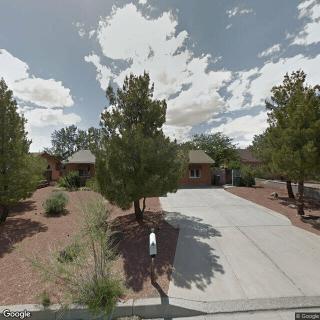
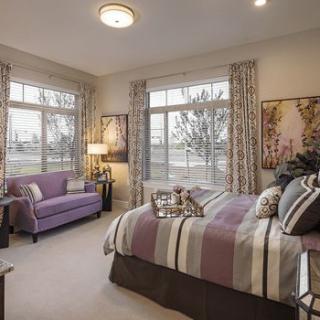
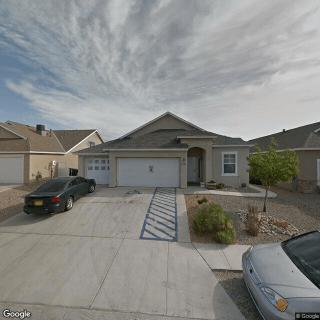
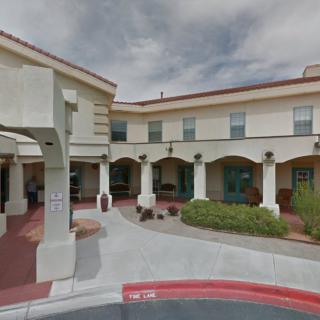
    What photos are available for L.A. In-Home Care - 33rd Street in Rio Rancho, New Mexico?

    Nearby Communities

    • Huan Hill

      Huan Hill

      Rio Rancho, NM

      4.1 from 7 reviews
       

      pro Fast, responsive 24/7 care and a smooth transition for families.

    • Genney’S Senior Care

      Genney’S Senior Care

      Rio Rancho, NM


      pro Small, intimate community with personalized care and comprehensive services.

    • Genney's Senior Care LLC

      Genney's Senior Care LLC

      Rio Rancho, NM


      pro Warm, supportive senior living with strong local amenities and healthcare access.

    • New Mexico Health Care Systems

      New Mexico Health Care Systems

      Rio Rancho, NM

      1.7 from 3 reviews
       

      pro 24/7 supervision with medication management and diabetes-friendly dining; medical transport.

    • MorningStar Assisted Living & Memory Care of Rio Rancho

      MorningStar Assisted Living & Memory Care of Rio Rancho

      Rio Rancho, NM

      4.4 from 48 reviews
      $4,381 to $7,310 / month

      pro Caring staff, clean environment, and strong amenities and dining.

    • MorningStar of Rio Rancho

      MorningStar of Rio Rancho

      Rio Rancho, NM

      4.4 from 42 reviews
       

      pro Courteous, attentive staff in a clean, resort-like setting with spacious, well-equipped apartments and engaging activities.

    • Silver Wings Assisted Living LLC

      Silver Wings Assisted Living LLC

      Albuquerque, NM

      4.2 from 20 reviews
      $3,000 to $3,300 / month

      pro Caring staff, spotless facility, and good value.

    • The Village At Alameda

      The Village At Alameda

      Albuquerque, NM

      4.4 from 99 reviews
      $2,500 to $5,015 / month

      pro Caring staff, clean apartments, and engaging activities.

    • Fountain Hill Assisted Living

      Fountain Hill Assisted Living

      Albuquerque, NM

      4.8 from 15 reviews
      $3,800 to $5,500 / month

      pro Beautiful, well-maintained facility with compassionate staff and high-quality, varied dining.

    Memory care in Nearby Cities

    Related Resources

    • does medicaid pay for assisted livingUnderstanding Medicaid Coverage for Assisted Living: A Comprehensive Guide

      The guide outlines the complexities of Medicaid coverage for assisted living, highlighting significant state-to-state variations, limited coverage often restricted to personal care services, and the existence of specialized waivers for certain needs like memory care. It advises families to consult local Medicaid offices for options while emphasizing the importance of understanding state-specific regulations and facility policies.

    • does medicaid pay for assisted livingHow and When Medicaid May Cover Assisted Living Costs

      Medicaid coverage for assisted living varies by state and is primarily available to low-income individuals, with eligibility dependent on strict income and asset limits. Some states offer HCBS waivers for specific services in assisted living, but families must generally cover room and board costs, and should verify facility acceptance of Medicaid while considering potential waiting lists.

    • assisted living waiver programA Detailed Exploration of Assisted Living Medicaid Waivers Across the United States

      Medicaid waivers for assisted living services provide vital support for seniors and individuals with disabilities in need of long-term care, with varying state-specific eligibility criteria and benefits. These waivers cover personal care and case management but often do not fully cover room and board, leading to waiting lists for many applicants.


    Get Pricing Ask A Question Schedule A Tour Contact Senior Advisor