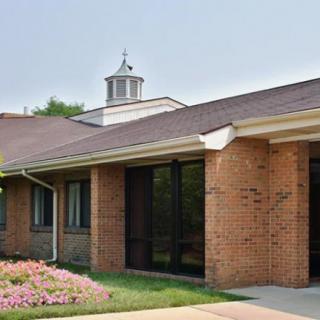
Complete Care at Voorhees

Save

Complete Care at Voorhees

3001 Evesham Road, Voorhees, NJ 08043

For more information about senior living options: (844) 490-3973

4.3 from 116 reviews
5 stars
83
4 stars
13
3 stars
2
2 stars
2
1 stars
16

Overall Review of Complete Care at Voorhees

Pros

  • pro The staff is very nice and professional.
  • pro Unit 5 for rehab was wonderful.
  • pro Suzanne the administrator was patient, kind and very efficient.
  • pro One of the nurses, Sara, was amazing.
  • pro Leticia, Clarissa and Orlando, the LPNs, were like Superman—constantly assisting patients with patience and grace.
  • pro Chris keeps the place immaculate and has a smile for me every day.
  • pro Complete Care is a small, well-managed facility that is effective, especially when residents are overwhelmed.
  • pro The social worker took care of details and helped with the process.
  • pro This is a great choice for rehab; I would choose it again.
  • pro The facility is very clean and the staff are friendly and helpful.

Cons

  • pro The mother is being starved and neglected.
  • pro The facility allegedly baited guardianship, leaving the family with no ability to assist.
  • pro After guardianship, she became immobile, unable to feed herself, and heavily medicated.
  • pro She weighs under 95 pounds and is skin and bones.
  • pro She has had multiple bedsores in recent months and has lost about 15 pounds.
  • pro Her mouth was crusty and dry, indicating dehydration, and her voice was hoarse while her face appeared unwashed.
  • pro Aides had to scramble to locate breakfast trays, indicating poor coordination.
  • pro The administrator is described as dismissive and unprofessional, undermining family concerns.
  • pro The facility is dangerously understaffed and not attentive to residents’ needs.
  • pro The food is awful and there have been reports of insufficient meals.

Review

Complete Care at Voorhees is best suited for families seeking a rehabilitation- and memory-care focused environment where the daily program is active, social, and above-average in cleanliness and front-line care. The facility tends to reward residents who participate in structured activities and who benefit from hands-on attention from nursing and therapy staff. For short-term rehab with a clear pathway back to independence, and for memory-care residents who respond well to routine, predictable programming, this community can deliver tangible benefits: a clean, pleasant campus; a front-office that feels welcoming; and therapy teams that move residents to meaningful improvements. It is less ideal for families that require ironclad guarantees of continuous, high-intensity supervision or for those who prioritize a uniform, consistently flawless experience across all shifts. In short, this is a practical fit when rehab momentum and social engagement are the primary goals, and when family oversight can be maintained.

Nevertheless, alternatives should be on the table for anyone with serious, ongoing long-term care concerns or a history of handling complex medical needs with tight, reliable oversight. Several reviews flag leadership and staffing questions that ripple through day-to-day care. Some families report abrupt, leadership-driven deterioration in care quality, and others describe experiences where communication and accountability felt reactive rather than proactive. If stability in administration and uniform staff responsiveness across shifts is nonnegotiable, it may be prudent to explore other options. Prospective residents with a sensitivity to management style or with fears about oversight should consider facilities with a track record of consistent leadership and transparent governance, even if that means compromising slightly on other amenities.

The strong points in favor of Complete Care at Voorhees often center on the bedside and the day-to-day living experience: genuinely friendly front-desk staff, a well-maintained, clean environment, and a rehabilitation program staffed by clinicians who are described as capable, patient, and thorough. Families consistently praise nurses and aides who monitor medications closely, therapists who push for measurable progress, and social and activities staff who design engaging programs. A number of reviewers highlight memory-care units that feel secure and purposefully engaging, with staff who take time to explain routines and to involve families in planning. For residents who thrive on structured routines, regular social outlets, and clear ongoing communication about progress, these are meaningful, tangible advantages that can offset some logistical shortcomings.

On the flip side, notable negatives recur in the stories of several families and guests. Understaffing appears in multiple accounts, with concerns about the pace of care, timely help with meals, and general attentiveness during shifts. Odors, cleanliness lapses in some areas, and inconsistent attention to personal care come up in a subset of visits, paired with warnings about medication management and responsiveness. A recurring theme is the variability of experience by unit and staff assignment, which can translate into a decent stay for some residents and a concerning one for others. The most serious questions center on governance and accountability, reported incidents where relatives felt unheard or where problems were not promptly escalated and addressed. These are not universal claims, but they are persistent enough to demand active investigation before committing long-term, especially for residents with high medical needs or dementia requiring constant supervision.

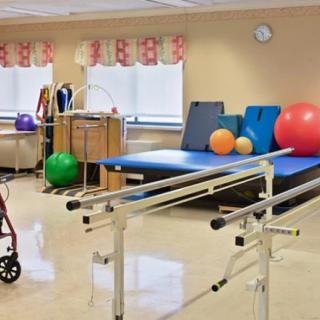
Within this mix, there are clearly standout strands worth noting for decision-makers. Rehab-focused teams have earned praise for helping residents regain mobility and confidence, with specialists who keep families informed about progress and next steps. The dementia and memory-care environments are respected by some families for their engaging activities and secure layout, offering real opportunities for cognitive stimulation and social connection. Yet, the same voices that celebrate these strengths also urge diligence: ask to meet the unit leader, request a tour during varying shifts, and observe care delivery during meals and meds rounds. Look for consistency, are aides arriving on time, are medications administered accurately, and is there a clear, documented plan that the family can review regularly?

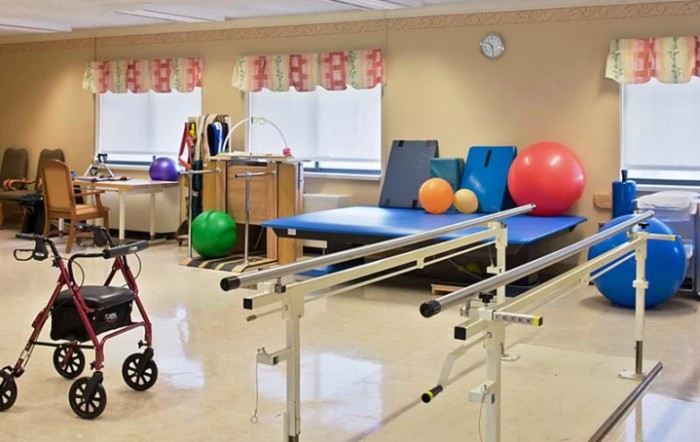
The practical path forward is decisive and specific. If rehabilitation is the priority, arrange a trial period that includes observation of therapy sessions, medication management, and the coordination between nursing and rehab teams. Request current staffing levels by shift and ask for recent quality metrics, incident reports, and steps taken to address any past concerns. For memory care, tour the dementia unit at different times of day, speak with floor staff and the social worker about daily programming, and verify how often families are updated on mood, mobility, and Nutrition and hydration status. If leadership is a concern, seek a candid conversation with the administrator or the director of nursing to understand how they handle complaints, staffing gaps, and safety issues. Only with a comprehensive, in-person assessment can one determine whether this community will consistently meet expectations or if alternatives will deliver more reliable peace of mind for a loved one.

Features

Housing

  • 21 resident community capacity 21 resident community capacity

Types of Care

  • Memory Care Memory CareMemory care is crucial for seniors as it provides specialized support and services for individuals with dementia or Alzheimer's disease. These programs offer a safe and secure environment where residents receive personalized care, cognitive stimulation, and help with daily activities. Memory care helps seniors maintain their independence, quality of life, and dignity while also providing peace of mind for their families.
  • Skilled Nursing Facility Skilled Nursing FacilitySkilled Nursing Facilities are crucial for seniors as they provide round-the-clock medical care, rehabilitation services, and assistance with daily activities. These facilities ensure that seniors receive the specialized care they need to maintain their health and well-being as they age.

Amenities

  • Beauty salon Beauty salonBeauty salons are important for seniors because they provide a space for them to feel pampered, socialize, and maintain their personal grooming and hygiene. Regular visits to a beauty salon can help boost seniors' self-esteem and overall well-being.
  • Cable or satellite TV Cable or satellite TVCable or satellite TV is important for seniors because it provides entertainment, news, and companionship, helping to combat loneliness and boredom. It also offers a wide range of programming options tailored to different interests and preferences.
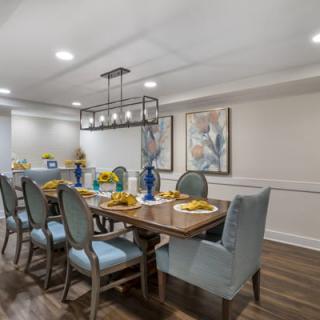
  • Dining room Dining roomDining rooms are important for seniors as they provide a space for socialization, connection, and nutritious meals. They offer opportunities for residents to bond over shared meals, foster a sense of community, and promote healthy eating habits. Dining rooms also ensure that seniors have access to well-balanced meals tailored to their dietary needs and preferences.
  • Fully furnished Fully furnishedFully furnished senior living communities are important for seniors because they provide convenience, comfort, and a hassle-free moving experience. Seniors can easily settle into their new living space without the stress of having to buy and move furniture. This allows them to focus on enjoying their new home and community.
  • Garden GardenGardens are important for seniors as they provide a peaceful and therapeutic environment for relaxation, physical activity, and socialization. Being in nature has been shown to reduce stress, improve mood, and promote overall well-being. Gardens also offer opportunities for seniors to engage in gardening activities, which can improve mobility, flexibility, and cognitive function. Additionally, gardens create a sense of community and connection with others who share a passion for plants and outdoor spaces.
  • Housekeeping services Housekeeping servicesHousekeeping services are important for seniors because they help maintain a clean and safe living environment, promote independence, and reduce the risk of accidents or illnesses. Additionally, having assistance with household chores can alleviate physical strain and allow seniors to focus on other aspects of their well-being.
  • Kitchenette KitchenetteKitchenettes are important for seniors living in senior living communities because they provide the convenience and independence of being able to prepare simple meals and snacks in the comfort of their own living space. This can help promote a sense of autonomy and well-being for seniors, allowing them to maintain some level of control over their dietary choices and daily routines.
  • Move-in coordination Move-in coordinationMove-in coordination is important for seniors because it helps ease the transition into their new living environment. It ensures that all logistics, such as packing, organizing movers, and setting up utilities are taken care of, allowing seniors to focus on settling in and adjusting to their new home. Having a smooth move-in process can alleviate stress and anxiety, making the transition smoother and more enjoyable for seniors.
  • Outdoor space Outdoor spaceOutdoor spaces are important for seniors as they provide opportunities for physical activity, social interaction, exposure to natural light and fresh air, and a sense of connection to nature. Having access to outdoor spaces can improve overall well-being and quality of life for older adults living in senior communities.
  • Respite or short term stays offered Respite or short term stays offeredRespite or short term stays provide seniors with a temporary solution when their regular caregiver is unavailable, offering them the opportunity to receive additional care and support during times of need, while also giving caregivers a chance to rest and recharge.
  • Telephone TelephoneTelephones are important for seniors as they provide a lifeline for communication with loved ones, emergency services, and healthcare providers. They offer a sense of security and independence, enabling seniors to stay connected and access assistance when needed.
  • Wi-Fi/high-speed internet available Wi-Fi/high-speed internet availableWi-Fi/high-speed internet is important for seniors to stay connected with loved ones, access online resources, and participate in virtual activities to combat feelings of loneliness and isolation. It also allows them to easily manage healthcare needs, access entertainment, and engage in lifelong learning opportunities.

Transportation

  • Philadelphia International (16 miles away) Philadelphia International (16 miles away)

Care Services

  • 24-hour call system 24-hour call system24-hour call systems are important for seniors because they provide peace of mind and immediate assistance in case of emergencies. This technology ensures that help is always available, promoting safety and security for elderly individuals living alone or in assisted living facilities.
  • 24-hour supervision 24-hour supervision24-hour supervision is important for seniors to ensure their safety, well-being, and access to immediate assistance in case of emergencies or health issues. This constant support provides peace of mind for both seniors and their loved ones, allowing them to age in place with dignity and security.
  • Activities of daily living assistance Activities of daily living assistanceActivities of daily living assistance are important for seniors because they provide essential support with tasks such as eating, bathing, dressing, and mobility. This assistance helps seniors maintain their independence, dignity, and overall quality of life as they age.
  • Assistance with bathing Assistance with bathingAssistance with bathing is crucial for seniors as it helps maintain personal hygiene, prevents infections, and ensures their overall well-being and comfort. It also provides a sense of dignity and independence for seniors who may struggle with this task on their own.
  • Assistance with dressing Assistance with dressingAssistance with dressing is important for seniors because it helps maintain their independence, promotes personal hygiene, prevents accidents and injuries, and improves overall quality of life. This service ensures that seniors can continue to dress comfortably and confidently, despite any physical limitations they may have.
  • Assistance with transfers Assistance with transfersAssistance with transfers is crucial for seniors as it helps prevent falls and injuries, maintains their independence, and ensures they can safely navigate their living environment. It also provides peace of mind for both seniors and their loved ones.
  • Coordination with health care providers Coordination with health care providersCoordination with health care providers is crucial for seniors to ensure proper medical care, medication management, and overall well-being. This collaboration helps prevent overlapping treatments, track progress more effectively, and provide comprehensive support tailored to individual needs.
  • Diabetes diet Diabetes dietA diabetes diet is crucial for seniors as it helps manage blood sugar levels, reduce risks of complications, and improve overall health and well-being. By following a balanced and nutritious diet tailored to their specific needs, seniors can better control their diabetes and enhance their quality of life.
  • Hospice care Hospice careHospice care is important for seniors as it provides specialized end-of-life support, pain management, and emotional comfort for both the senior and their loved ones. It allows seniors to maintain dignity, receive personalized care, and spend their remaining time in a peaceful and comfortable environment.
  • Meal preparation and service Meal preparation and serviceMeal preparation and service are crucial for seniors as they may have limited mobility or energy to cook nutritious meals. Having access to healthy and convenient food options can ensure they are getting the proper nutrition needed to maintain their overall health and well-being.
  • Medication management Medication managementMedication management is crucial for seniors to ensure they are taking the right medications at the correct dosages and times. This helps prevent adverse drug interactions, reduces the risk of medication errors, and promotes overall health and well-being. Proactive management also allows for adjustments as needed based on changing health conditions or new prescriptions.
  • Mental wellness program Mental wellness programMental wellness programs are essential for seniors as they promote cognitive stimulation, emotional support, and social engagement. These programs help prevent isolation, depression, and cognitive decline, ultimately enhancing the overall quality of life for older adults.
  • Mild cognitive impairment Mild cognitive impairment"Mild cognitive impairment" is important for seniors because it is an early stage of cognitive decline that can potentially progress to more severe conditions such as dementia. Recognizing and addressing mild cognitive impairment can help seniors receive appropriate care and support to maintain their quality of life and independence for as long as possible.
  • Special dietary restrictions Special dietary restrictionsSpecial dietary restrictions are important for seniors because age-related changes in metabolism and health conditions can make it difficult for their bodies to process certain foods. By following a diet tailored to their specific needs, seniors can maintain their overall health and well-being, manage chronic conditions, and reduce the risk of complications such as malnutrition or food interactions with medications.
  • Specialized memory care programming Specialized memory care programmingSpecialized memory care programming is crucial for seniors with cognitive impairments such as dementia or Alzheimer's disease. These programs provide a safe and supportive environment tailored to the unique needs of individuals with memory loss, helping them maintain their independence, dignity, and quality of life.
  • Transportation arrangement (medical) Transportation arrangement (medical)Transportation arrangements for medical purposes are essential for seniors as they may have difficulty driving themselves to appointments or accessing public transportation. Having reliable and safe transportation options ensures that seniors can receive timely medical care and maintain their health and well-being.
  • Transportation to doctors appointments Transportation to doctors appointmentsTransportation to doctors' appointments is crucial for seniors as it ensures they have access to necessary medical care and support for their health needs. Without reliable transportation, seniors may struggle to attend important appointments, leading to potential delays in treatment and health complications. Providing transportation services helps seniors maintain their overall well-being and quality of life.
Dining

  • Diabetes diet Diabetes dietA diabetes diet is crucial for seniors as it helps manage blood sugar levels, reduce risks of complications, and improve overall health and well-being. By following a balanced and nutritious diet tailored to their specific needs, seniors can better control their diabetes and enhance their quality of life.
  • Special dietary restrictions Special dietary restrictionsSpecial dietary restrictions are important for seniors because age-related changes in metabolism and health conditions can make it difficult for their bodies to process certain foods. By following a diet tailored to their specific needs, seniors can maintain their overall health and well-being, manage chronic conditions, and reduce the risk of complications such as malnutrition or food interactions with medications.

Activities

  • Community-sponsored activities Community-sponsored activitiesCommunity-sponsored activities are important for seniors as they provide opportunities for social interaction, mental stimulation, and physical activity. These activities can help improve overall well-being, combat loneliness and isolation, and promote a sense of belonging and purpose among older adults.
  • Scheduled daily activities Scheduled daily activitiesScheduled daily activities are important for seniors because they provide structure, socialization, mental stimulation, and physical activity. Engaging in regular activities can improve overall well-being and quality of life for seniors living in a community setting.

Description

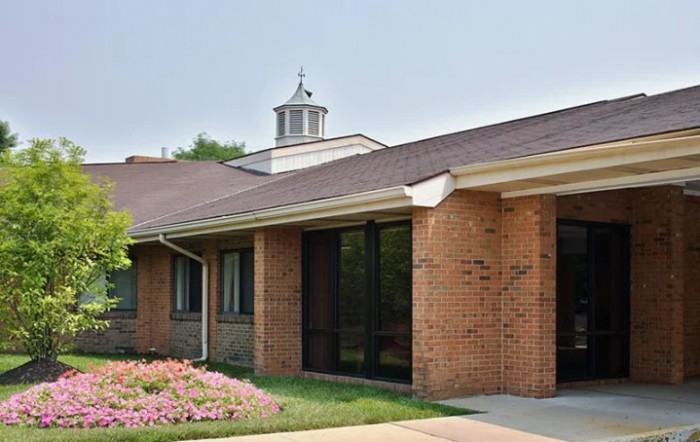
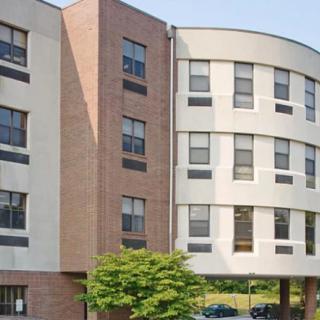
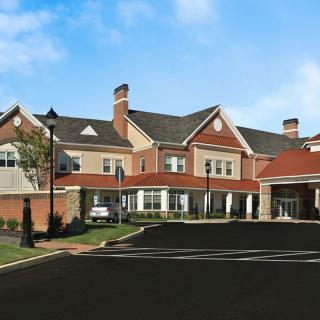
Complete Care at Voorhees is a skilled nursing facility located in Voorhees, NJ. Our community provides a range of care services to meet the unique needs of our residents. With 24-hour supervision and assistance with activities of daily living, our dedicated team ensures that residents receive the support they require.

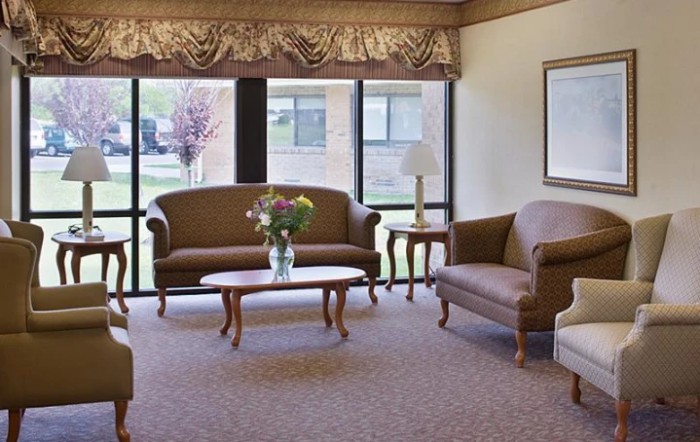
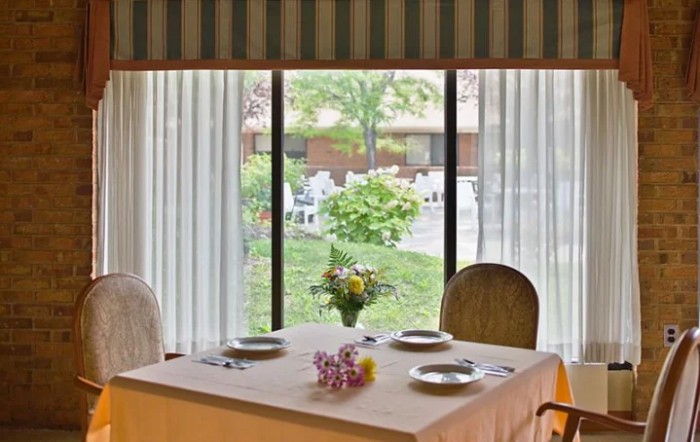
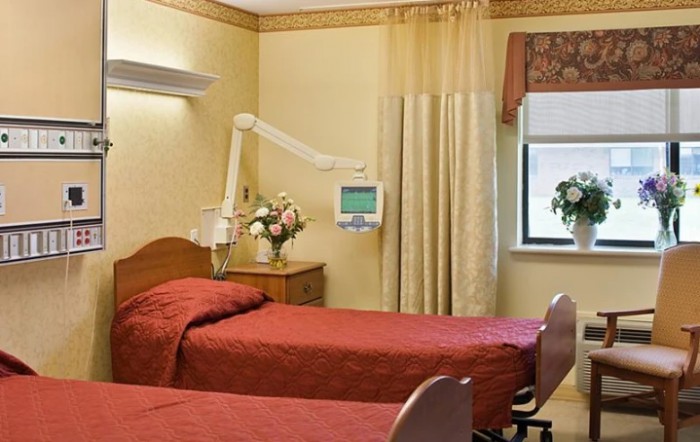
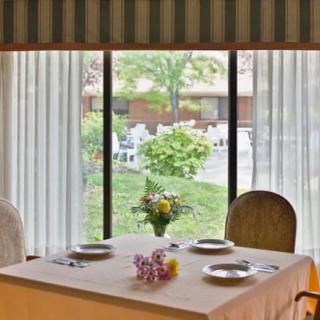
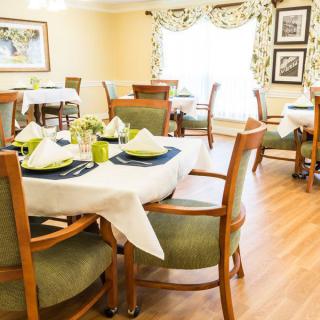
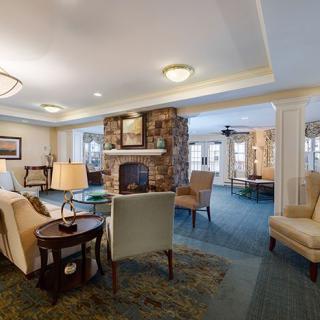
Our fully furnished accommodations offer a comfortable and inviting atmosphere for our residents. Each room features cable or satellite TV, telephone, and Wi-Fi/high-speed internet access. Residents can enjoy the beautiful garden and outdoor space or relax in our well-appointed dining room.

We understand that mealtimes are an important part of daily life, which is why we offer special dietary restrictions to cater to individual needs. Our experienced staff takes care of all meal preparation and service, ensuring that residents receive delicious and nutritious meals every day.

At Complete Care at Voorhees, we prioritize mental wellness as well. We provide a mental wellness program for those who need additional support in maintaining their cognitive functions. Our specialized memory care programming helps individuals with memory-related issues, offering them a safe and comforting environment.

Transportation is made easy with our arrangement for medical transportation as well as transportation to doctors' appointments. Additionally, respite or short-term stays are offered for those needing temporary care or recovery support.

In terms of nearby amenities, there are several cafes, parks, pharmacies, physicians' offices, restaurants, and hospitals in close proximity to our community. Residents can easily access these facilities for their convenience.

Overall, Complete Care at Voorhees is committed to providing exceptional care services in a comfortable and supportive environment. We strive to meet the physical and emotional needs of our residents while promoting independence and overall well-being.

Nearby Places of Interest

Physicians

  • Advocare Marlton Pediatrics (0.5 miles)
  • Cooper Medical Building 1 (0.6 miles)
  • Cooper Internal Medicine (0.8 miles)
  • Heymann Manders & Green (0.9 miles)
  • Rothman Institute (2.6 miles)
  • CHOP Specialty Care & Surgery Center (3 miles)
  • The Endo Center at Voorhees (3.1 miles)

Pharmacies

  • CVS Pharmacy (0.7 miles)
  • CVS Pharmacy (1.2 miles)
  • Rite Aid (1.4 miles)
  • CVS Pharmacy (2.4 miles)
  • CVS Pharmacy (2.7 miles)
  • Rite Aid (2.8 miles)
  • CVS Pharmacy (3.2 miles)

Restaurants

  • Redstone American Grill (0.8 miles)
  • The Kettle & Grille (3.1 miles)
  • Chick-Fil-A (3.1 miles)
  • Walt Whitman Service Area (3.9 miles)
  • McDonald's (4.4 miles)
  • Bob Evans (4.4 miles)
  • Chick-Fil-A (4.4 miles)

Hospitals

  • Virtua Voorhees Hospital (2 miles)
  • Jefferson Stratford Hospital (5 miles)
  • Jefferson Cherry Hill Hospital (5.9 miles)
  • Virtua Berlin Hospital (6.2 miles)

Parks

  • Country Farms Park (3.2 miles)
  • Hainesport Township Park (9.8 miles)

Cafes

  • Starbucks (4.5 miles)
  • Jersey Java & Tea (6 miles)
  • Starbucks (7.5 miles)
  • Starbucks (8.8 miles)
  • Starbucks (9.2 miles)
  • Panera Bread (9.4 miles)

Transportation

  • PATCO/NJ Transit: Lindenwold Station (4.5 miles)
  • PATCO Westmont Station (6.6 miles)

Places of Worship

  • St Charles Boromeo Catholic Church (10.5 miles)

Frequently Asked Questions

Where is Complete Care at Voorhees?
Does Complete Care at Voorhees provide care for residents with dementia or Alzheimer's disease?
What photos are available for Complete Care at Voorhees in Voorhees, New Jersey?

Nearby Communities

  • Brookdale Evesham

    Brookdale Evesham

    Voorhees, NJ

    4 from 86 reviews
    $4,195 to $5,065 / month

    pro Friendly, attentive staff; clean, well-maintained environment with engaging activities.
  • Arbor Terrace Marlton

    Arbor Terrace Marlton

    Marlton, NJ

    4.8 from 54 reviews
    $6,850 / month

    pro Compassionate, attentive staff in a warm, modern setting with engaging activities and convenient transportation options.

  • Kresson View Ctr

    Kresson View Ctr

    Voorhees, NJ

    4.4 from 126 reviews
    $3,000 to $8,310 / month

    pro Compassionate, capable staff delivering quality rehab and personalized care.

  • Complete Care at Kresson View

    Complete Care at Kresson View

    Voorhees, NJ

    4.5 from 127 reviews
     

    pro Clean environment with friendly staff and engaging activities.

  • Artis Senior Living of Evesham

    Artis Senior Living of Evesham

    Evesham, NJ

    4.8 from 162 reviews
    $8,700 / month

    pro Strong family communication and engaging activities in a warm, clean environment.

  • Brandywine Living At Voorhees

    Brandywine Living At Voorhees

    Voorhees, NJ

    4.8 from 52 reviews
     

    pro Specialized memory care with 24/7 supervision and broad amenities.

  • The Weston Club

    The Weston Club

    Marlton, NJ

    4.7 from 12 reviews
    $1,900 to $2,050 / month

    pro Spacious independent living with on-site activities and attentive staff.

  • Manor At St Mary's

    Manor At St Mary's

    Cherry Hill, NJ

    4.5 from 112 reviews
     

    pro Compassionate, skilled rehab and nursing staff with strong family communication.

  • Brightview Greentree

    Brightview Greentree

    Marlton, NJ

    4.6 from 129 reviews
    $3,780 to $9,675 / month

    pro Clean, modern facility with engaging activities and friendly staff.

Related Resources

  • assisted living vs nursing homeChoosing the Right Senior Care: A Detailed Exploration of Assisted Living and Nursing Homes

    Choosing between assisted living and nursing homes involves evaluating emotional and financial factors, with assisted living offering independence and support for daily activities at a lower cost, while nursing homes provide intensive medical care for individuals with significant health needs. The decision is influenced by personal preferences, health status, cognitive function, and varying Medicaid coverage across states.

  • how to prevent memory loss in old ageSafeguarding Your Memory Through the Golden Years: Eight Ways to Preserve Cognitive Health

    The article presents eight strategies for preserving cognitive health and memory in older adults, emphasizing a nutrient-rich diet, regular exercise, intellectually stimulating activities, adequate sleep, social connections, stress management techniques, limiting harmful substances, and regular medical checkups to mitigate age-related memory decline.

  • activities of daily livingComprehensive Insights into Activities of Daily Living (ADLs) and Their Assessment
    Activities of Daily Living (ADLs) are fundamental tasks vital for an individual's independence, particularly in older adults over 85, and include functions like bathing and dressing; assessing ADLs alongside Instrumental Activities of Daily Living (IADLs) helps determine the level of required assistance due to age-related health challenges. Tailored support plans, involving family and community resources, are essential for maintaining dignity and autonomy in assisted living environments.