
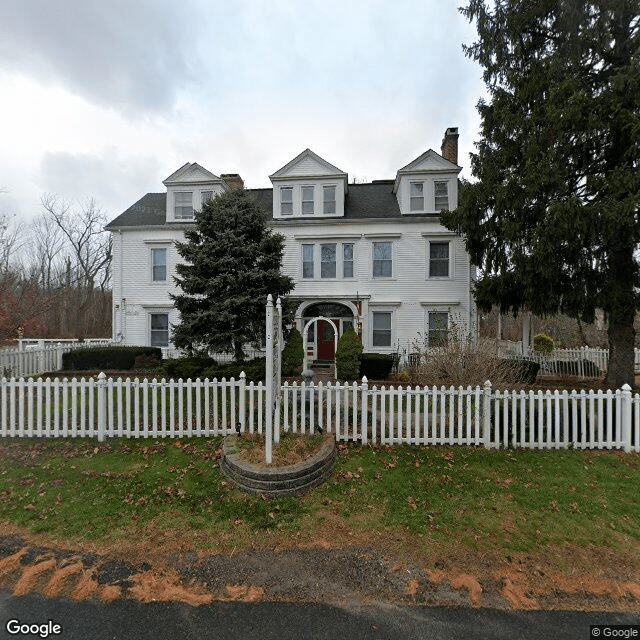
420 S Beverwyck Rd, Parsippany, NJ 07054
To contact a resident: (973) 887-0156
For more information about senior living options: (866) 208-4318
Beverwyck Home Costs & Pricing
Beverwyck Home offers competitive pricing for its accommodations, with monthly costs for both private and studio rooms set at $3,900. This rate is notably lower than the average costs in Morris County, where private rooms are priced at approximately $5,919 and studio options at around $6,152. Additionally, Beverwyck's rates are appealing compared to the broader New Jersey averages of $5,799 for private rooms and $5,286 for studios. Such pricing makes Beverwyck Home an attractive choice for those seeking quality care without the premium associated with many other facilities in the region.
| Floor plans | Beverwyck Home | Morris County | New Jersey |
|---|---|---|---|
| Private | $3,900 | $5,919 | $5,799 |
| Studio | $3,900 | $6,152 | $5,286 |
Memory care communities with a similar price nearby
-
from +$300 / mo
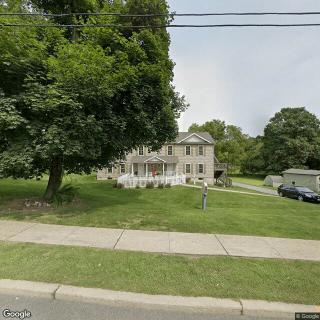
Ave Care at Newton
$4,200 to $5,200 / month23.2 miles away -
from -$420 / mo
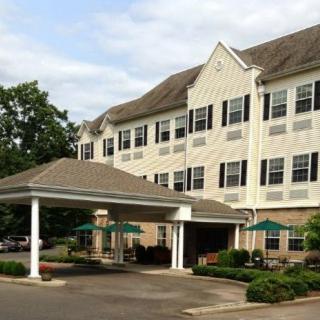
The Avalon at Bridgewater
$3,480 to $6,960 / month22.8 miles away -
from +$400 / mo
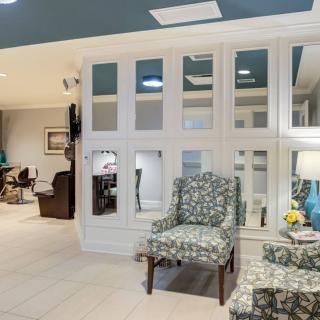
Arbor Terrace Morris Plains
$4,300 to $9,460 / month5.0 miles away -
from +$390 / mo
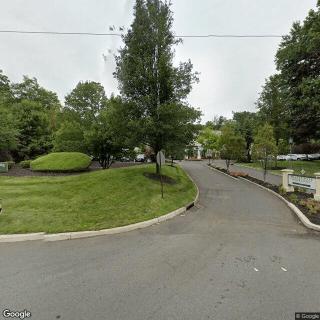
Brandywine Assisted Living at Middlebrook Crossing
$4,290 to $10,950 / month19.7 miles away -
from -$500 / mo
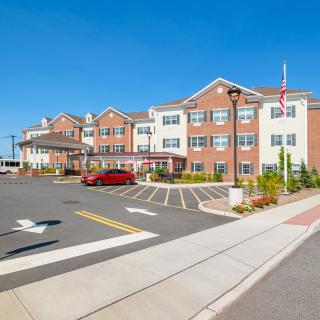
The Chelsea at Fair Lawn
$3,400 to $6,600 / month14.6 miles away
Overall Review of Beverwyck Home
Pros
 The staff-to-patient ratios are excellent, giving patients almost 1:1 care.
- The CNAs are experienced and are kind, compassionate, dedicated, dependable, and gentle in their care.
- Nurse Marilyn is always a phone call away and answers even in the evenings and on weekends.
- The center is highly recommended by healthcare professionals.
- The care provided to the dad was of the highest quality, with evident compassion from the staff.
Review
Beverwyck Home in Parsippany is best suited for seniors who require hands-on, attentive daily care and appreciate a caregiving team that truly knows them. This community targets residents who benefit from small-scale, high-touch supervision rather than a sprawling campus with distant caregiving. Families seeking near-constant accessibility to nursing staff, and caregivers who are experienced, patient, and genuinely compassionate, will find Beverwyck aligns with those expectations. For residents who prioritize genuine interpersonal connections with caregivers and a calm, responsive environment, this option stands out.
Those who may want to consider alternatives include families pursuing highly specialized medical oversight, aggressive rehabilitation programs, or a memory-care track with structured cognitive therapies. If the loved one’s needs threaten to outstrip typical assisted-living supports, think complex IV therapies, frequent hospital-level monitoring, or intensive, discipline-specific therapy schedules, a broader network of services or a larger campus might be more suitable. Similarly, families prioritizing a wider array of on-site activities, outings, or transportation logistics may prefer communities with more expansive programming.
The strongest advantages center on staffing and practical day-to-day reliability. The near 1:1 care pattern, as described, translates into more vigilant observation, quicker responses, and a level of familiarity that reduces anxiety for residents and families alike. The CNA team’s experience and character, being kind, compassionate, dedicated, and dependable, creates a consistent caregiving voice that residents come to trust. The out-of-hours accessibility of a nurse, highlighted by a caregiver who could be reached evenings and weekends, adds another layer of security. In tangible terms, these elements collectively lower the risk of delays in addressing concerns and support smoother daily routines.
A family’s long-term testimony to “the highest quality of care” reinforces the practical implications of these strengths. When care teams remember a resident’s history, preferences, and routines, quality tends to become less about isolated tasks and more about preserving dignity and comfort. Such continuity not only supports physical well-being but also reduces emotional stress for loved ones, who can rely on the staff to advocate effectively during medical or daily-life decisions. This consistency, paired with strong interpersonal skills among caregivers, tends to yield better resident satisfaction and fewer unsettling days for families.
Nonetheless, it is prudent to acknowledge the limits that come with any concise, high-touch setting. While the available impressions are emphatic, they do not fully delineate the full spectrum of services, such as access to advanced rehabilitative therapies, extensive memory-care programming, or transportation and activity breadth. Prospective residents should verify what medical oversight is available on a daily basis, the exact scope of therapy services, and how care plans adapt to evolving needs. Cost considerations, flexibility of contracts, and the degree of resident autonomy within the daily schedule are also worth confirming during tours and pre-move discussions.
In the end, Beverwyck Home offers a compelling value for families who prize immediate caregiver responsiveness, stable relationships, and a warm, compassionate culture. It is a prudent choice for seniors who flourish under attentive, person-centered care and for relatives who want confident, day-to-day management of their loved one’s well-being. Prospective movers should schedule direct conversations with the leadership and front-line staff, observe a shift across mornings and evenings, and request a sample care plan that reflects typical routines. If the priorities are safety, personal attention, and trustworthy caregivers, Beverwyck stands out as a decisive, practical option.
 Board and Care Home
 Memory Care
 Cats allowed
 Dogs allowed
 Private
 Newark International (16 miles away)



 A Thorough Discussion of Medications Potentially Linked to Dementia Risk
 Why Do Dementia Patients Sleep So Much? Understanding Oversleeping, Stages, and Care Approaches
 8 Key Indicators That Suggest It May Be Time to Transition from Assisted Living to Skilled Nursing Care