
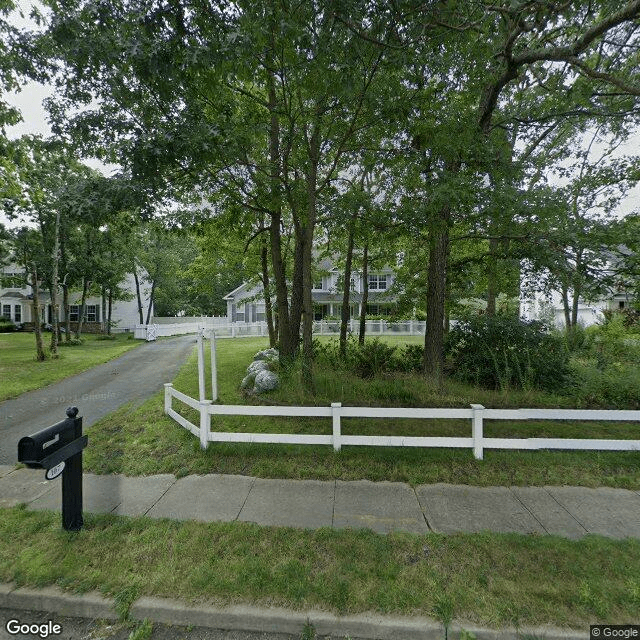
107 Manchester Avenue, Forked River, NJ 08731
To contact a resident: (609) 971-3337
For more information about senior living options: (866) 208-4318
Golden Age Care Center Costs & Pricing
Golden Age Care Center offers competitive pricing for its various room types when compared to both Ocean County and the broader New Jersey state averages. For semi-private rooms, Golden Age Care Center's monthly fee is $4,000, which is notably lower than Ocean County's average of $4,532 and the state's average of $5,068. Similarly, private rooms are offered at $6,000 - less than Ocean County's average of $6,422 while being slightly above the state's lower average of $5,799. The center also provides studio accommodations at a rate of $6,000; here again, its pricing exceeds Ocean County's average of $4,500 but remains reasonable in comparison to the state's average of $5,286. Overall, Golden Age Care Center presents a cost-effective option for residents seeking care in a supportive environment without compromising on quality.
| Floor plans | Golden Age Care Center | Ocean County | New Jersey |
|---|---|---|---|
| Semi-Private | $4,000 | $4,532 | $5,068 |
| Private | $6,000 | $6,422 | $5,799 |
| Studio | $6,000 | $4,500 | $5,286 |
Memory care communities with a similar price nearby
-
from +$560 / mo
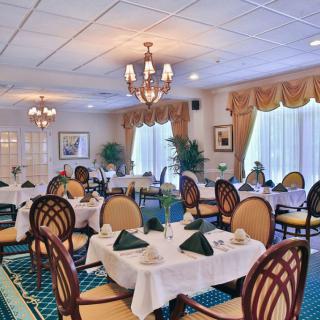
Brandywine Living At Wall
$4,560 to $6,720 / month21.2 miles away -
from -$533 / mo
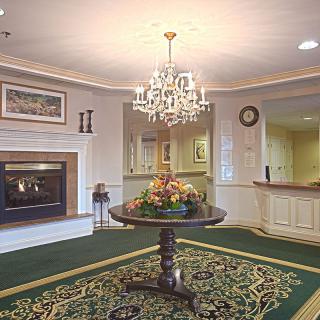
Brandywine Living At Howell
$3,467 to $6,210 / month21.9 miles away -
from +$260 / mo
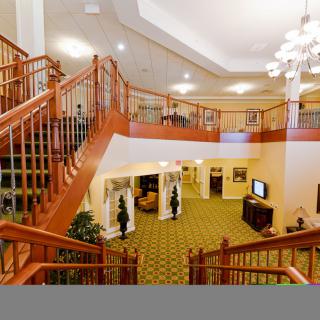
The Terraces at Seacrest Village
$4,260 to $7,300 / month21.4 miles away -
from -$340 / mo

Brandywine Senior Living at Toms River
$3,660 to $5,160 / month9.9 miles away -
from -$740 / mo

Complete Care at the Havens
$3,260 to $4,750 / month9.7 miles away
Overall Review of Golden Age Care Center
Pros
 Amada's aides are kind, patient, and compassionate.
- Amada's team is reliable and pleasant to work with.
- The owner is knowledgeable, understanding, accommodating, and compassionate.
- The staff providing care are more than capable.
- Any issues are addressed in a timely manner.
- The Tom's River caregivers are among the most kind, compassionate, discreet, and patient.
- Karen and Lissa are exceptional professionals who work with families to provide the best care possible.
- Amada Senior Care is the best home care around.
Cons
 The reviewer cites poor billing practices, poor customer service, poor communication, and missing items.
 - They state a caregiver invited a man into the in-laws’ home without permission, raising security concerns and leading to missing valuables.
- They claim the company ignored requests to stop using the credit card, resulting in penalties.
- They advise others to run from the company.
- They note the first aide left after a few days due to a family emergency, signaling reliability issues.
- They report that during the tour the owner/operator did not ask about the mother’s condition or background information, which concerns them.
Review
This option is best suited for families seeking deeply personalized, at-home support that keeps a loved one independent without moving into a facility. The feedback centers on Amada Senior Care serving the Forked River/Toms River area as a true partner, not just a service provider. When a caregiver is present, families report reliable help with light housework, laundry, shopping, transportation, and, most importantly, companionship. The reviews repeatedly emphasize that aides are kind, patient, and able to engage the elderly in gentle mind and physical exercises, which can make daily life more manageable for someone who values activity and social contact. The strongest appeal is the caregiver-forward approach: a stable, compatible aide who can become a trusted extension of the family, freeing relatives to work or attend to other responsibilities while knowing help is consistently at hand. For households that prize keeping Mom or Dad at home, with flexible scheduling and a familiar routine, this model delivers a practical, compassionate solution.
Those who may want to consider alternatives are families facing needs that exceed in-home, nonmedical care. Specifically, situations demanding around-the-clock medical supervision, complex medication management, or highly regulated care may not align with what home-based agencies can reliably offer. While Amada earns praise for caregiver reliability and responsive administration, a single negative review highlights serious issues around billing practices, customer service, and communication, and another notes a troubling privacy incident in a private home. Such red flags, though not universal, underscore the reality that administrative processes in home care can directly affect trust and financial clarity. For seniors with fragile health, frequent hospitalizations, or ongoing risk management requirements, a facility that provides integrated medical oversight and standardized protocols could be a more appropriate match.
The key pros, caregiver quality, thoughtful matching, and proactive administration, often offset the main cons when managed carefully. Families consistently point to aides who are not only capable but genuinely engaged, creating rapport and a sense of safety. The administration’s involvement is praised as timely and knowledgeable, with owners and managers who align services to the individual’s needs and coordinate coverage when a caregiver is unavailable. This responsiveness matters because it translates into fewer gaps in care, smoother communication, and less stress for family members juggling schedules. In practice, the benefits of compassionate, well-matched caregivers and hands-on leadership can mitigate occasional billing hiccups or miscommunications, provided tight, written expectations are established up front and reinforced through regular reviews. The measure of success is sustained caregiver continuity, prompt problem resolution, and a proven ability to adapt to evolving needs at home.
Leadership and team stability emerge as standout strengths from the testimonials. The presence of hands-on owners, described as knowledgeable, accommodating, and genuinely invested, contributes to a culture where families feel heard and supported. The best-case picture is one where Karen, Mike, and Lissa, along with their caregiver staff, become an anchored resource during medical events, hospital discharges, and the ongoing rhythm of daily life. This is particularly valuable in markets where reliable in-home help is scarce, as families recount how the team secures back-up coverage quickly and preserves the continuity of familiar routines. The esprit de corps among caregivers and the sense that the agency treats families as part of a larger care team translate into trust that, for many, is worth the trade-offs inherent in any nonfacility arrangement.
From a practical decision-making standpoint, families should approach comparisons with a clear checklist. Confirm exactly what “all-inclusive” covers, and which items incur extra fees (medications, incontinent supplies, and similar needs are common sticking points). Require a transparent billing process, defined reporting cadence, and written procedures for addressing disputes. Ask about caregiver matching: what criteria are used, how takes into account personality, routine, and the loved one’s preferences, and how back-up coverage works when a caregiver is sick. Probe the agency’s incident-reporting practices and privacy safeguards, especially if any past review hints at boundary or security concerns. Finally, consider trial periods or short-term arrangements to test fit, and insist on references from families with similar needs. These steps transform the positive potential of a high-caliber home-care team into a predictable, controllable arrangement.
In sum, the reviewed experience positions Amada Senior Care as an exceptional fit for families who want to keep their loved ones at home with empathetic, dependable caregivers and a leadership team that takes accountability seriously. The strongest argument rests with caregiver quality, continuity, and a collaborative approach that makes families feel supported rather than outsourced. The primary caveats concern administrative friction and privacy-safety questions that can be mitigated through careful contracts, explicit expectations, and rigorous oversight. For families evaluating Golden Age Center or any facility-based option, these insights serve as a benchmark: prioritize continuous medical oversight, transparent billing, and robust safeguarding protocols alongside the human elements of kindness, compatibility, and reliable scheduling. When the emphasis is on home-based comfort and personalized attention, this model remains difficult to beat, provided risk is managed with clarity, checks, and proactive communication.
 Board and Care Home
 Memory Care
 Activities on-site
 Private
 Respite or short term stays offered
 Wheelchair accessible showers
 Ambulatory care
 High acuity care
 Incontinence care
 Meals provided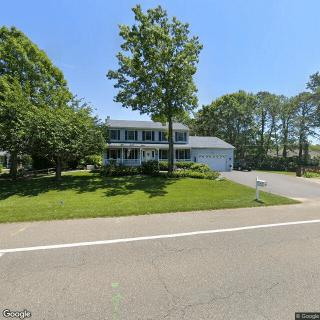

 Medications Associated with Dementia Risk: A Comprehensive Overview
 Guiding Your Journey: Understanding Power of Attorney for Elderly Parents
 22 Remarkable Caregiver Support Groups Available Online and In-Person