
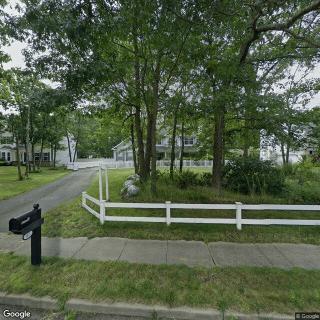
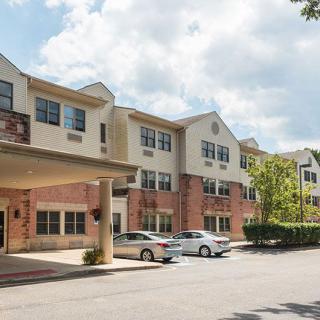
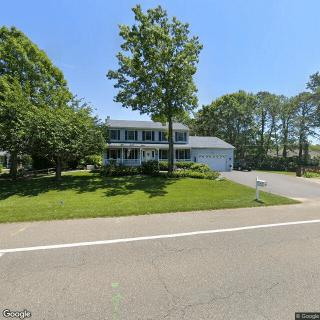
45 Canterbury Drive, Forked River, NJ 08731
For more information about senior living options: (866) 208-4318
Overall Review of Pheasant Run at Forked River
Pros
 The community is friendly and supported by volunteers.
 - The facilities are consistently clean inside and out.
- There are always fun activities to keep residents connected.
- The outdoor pool area is nice and the pool is accessible to residents and their guests in the summer.
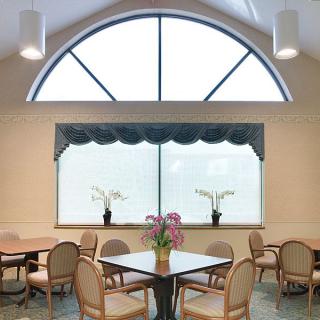
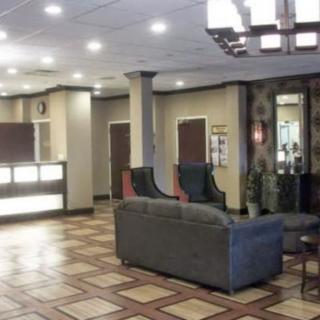
- The clubhouse is very nice and well-maintained.
- Recently remodeled spaces provide a larger meeting room and improved kitchen amenities.
- Patrons seem consistently happy, with enjoyable summer barbecues and entertainment.
Cons
 The food has never been good at any event so far, aside from the Soup Tasting Competition.
- The office staffer at the clubhouse is among the rudest people encountered by members.
- The clubhouse staff failed to assist a patron whose father's siding was damaged by the lawn maintenance company hired by the facility.
- No food or drink is available at the facility unless residents bring it themselves.
- The clubhouse is only available to residents and their guests.
Review
Pheasant Run at Forked River is best suited for active, sociable seniors who want a warm, resident-powered community where daily life revolves around clubs, events, and conversation. It appeals to those who value cleanliness, convenient amenities, and a lively calendar, and who are comfortable managing meals and some service gaps on their own or with family support. The model here leans into volunteer-driven programming and neighborly interaction more than formal, corporate-lite operations. Families with residents who enjoy spontaneous barbecues, pool time, and accessible spaces will find the atmosphere energizing. Those seeking a comprehensive, on-site dining program and highly structured care may want alternatives.
Key strengths include a consistently friendly, clean environment and a robust social backbone. Residents describe a sense of community where people look out for one another, and the staff, while not uniformly uniform in every encounter, tends to be approachable. The remodeling has yielded a more expansive meeting room and usable kitchen space, supporting larger gatherings and well-run events. The clubhouse, pool, and well-kept grounds offer reliable touchpoints for everyday life, with ample parking and easy handicap access. For families planning celebrations or needing a flexible venue, the facility delivers a polished setting, and the overall vibe is one of warmth and practical charm rather than corporate polish.
However, serious caveats exist. The operation relies heavily on volunteers, which can translate into inconsistent service levels and occasional gaps in responsiveness. A specific negative thread centers on the clubhouse office staff, where one longtime visitor recalls a sharp, dismissive tone that left a sour impression. Maintenance issues have surfaced, including an instance where lawn care work reportedly caused damage to a resident’s siding, signaling that vendor oversight can falter. Food is a mixed bag: events may feature standout dishes, but the general food quality has been described as underwhelming, and there is a notable policy that no food or drink is provided on-site unless guests bring their own.
Those strengths offset the weaknesses when daily living does not depend on guaranteed meals or highly predictable service. For residents who prize social connection, outdoor spaces, and a welcoming, home-like feel, the benefits, cleanliness, accessibility, full calendar, and a sense of belonging, can outweigh occasional lapses in staff demeanor or service gaps. The remodeled spaces and the sense that operations favor resident and guest experiences can lead to durable satisfaction if expectations align with the community model. Yet, for families with a resident who requires consistent, professional care oversight, or someone who needs reliable meals and a more predictable staffing structure, the gaps will feel material.
Alternatives are worth considering for those who want more structured management, on-site dining, or a more predictable service cadence. Communities with stronger professional staffing, broad dining options, and formal accountability may suit individuals who value daily meals included in the plan, tighter service guarantees, or memory-care or medically oriented services. Those who expect uniform customer service across every interaction should test-drive other options in New Jersey that emphasize turnkey operations and proactive maintenance responses rather than volunteer-driven energy.
Decision guidance centers on alignment of priorities. If the priority is an active, friendly, and affordable social milieu with plenty of on-site activities and accessible spaces, Pheasant Run delivers. Pros, cleanliness, a lively calendar, affordable social events, and a remodeled, welcoming clubhouse, often outweigh the cons for independent-minded seniors who can navigate meal logistics and occasional staff miscues. If, instead, the family wants guaranteed meals, consistently professional staffing, or a more formal, medicalized care model, alternatives should be explored sooner rather than later. A thoughtful visit during a busy event, conversations with residents, and direct questions about food policy, maintenance response times, and staff behavior will crystallize the fit.
 6 resident community capacity
 Active Adult Communities (55+)
 Housekeeping services
 Telephone
 Wi-Fi/high-speed internet available
 Assistance with dressing
 Meal preparation and service
 Medication management
 Diabetes diet
 Special dietary restrictions
 California's Form 602A: An In-Depth Examination of Senior Care Assessment
 Comprehensive Look at Senior Blood Pressure Charts: Normal and Elevated Levels by Age
 Top Canine Companions for Older Adults