Millennium Memory Care at Matawan
Save447 Matawan Ave., Matawan, NJ 07721
For more information about senior living options: (844) 490-3973
Millennium Memory Care at Matawan offers a studio accommodation priced at $8,000 per month, which reflects the specialized care and services tailored for individuals with memory-related challenges. This rate is notably higher than both the average monthly cost for similar facilities in Monmouth County, which stands at approximately $5,738, and the wider New Jersey average of about $5,286. The premium pricing at Millennium Memory Care accounts for their commitment to delivering high-quality care in a supportive environment, emphasizing personalized attention and a range of enriching activities designed to foster well-being among residents. This investment ensures that families can feel confident that their loved ones are receiving exceptional support in their memory care journey.
| Floor plans | Millennium Memory Care at Matawan | Monmouth County | New Jersey |
|---|---|---|---|
| Studio | $8,000 | $5,738 | $5,286 |
What level of care are you interested in?

Assisted Living

Memory Care

Independent Living

Skilled Nursing Facility

Continuing Care Retirement Community (CCRC)CCRC

Other
Millennium Memory Care at Matawan is best suited for families seeking a dementia-focused environment where specialized caregiving and steady, compassionate leadership carry the day. It excels with residents whose behavioral challenges or memory impairments have driven other facilities to refuse admission. Families facing difficult dementia trajectories will find a distinct advantage here: staff who stay with the plan, prioritize safety, and pursue mobility and social engagement as central care strategies. The model favors a calm, steady escalation of care rather than hospital-first responses, and that approach can translate into real peace of mind for relatives who want reliable hands-on management.
Careful readers should still weigh who might want alternatives. The campus is not the glossiest option among memory-care spaces, and several reviewers flag a less-polished atmosphere compared with some peers. For families who prize a pristine, resort-like setting, or who require highly proactive administrative responsiveness at all times, competing facilities may feel smoother on first impression. Additionally, where billing clarity and contract specifics are nonnegotiable, prospective residents should scrutinize the paperwork and ask for explicit answers up front, since a handful of reviews raise concerns about communication gaps and financial details. In short, Millennium delivers exceptional dementia care for many, but it may not align with every family's tolerance for aesthetic polish or administrative precision.
The positive case for Millennium rests on its profoundly practical strengths. Families repeatedly praise staff who truly "get" dementia, who stay patient with challenging behaviors, and who avoid unnecessary hospital transfers by treating crises as manageable rather than the first resort. The leadership - most notably the director, John - emerges as a trusted point of continuity, with Esther and a capable caregiving team sustaining daily reliability. The care model emphasizes mobility and engagement, leveraging tools like the merry walker to reduce falls and keep residents moving. Families talk about consistent, affectionate attention, with caregivers who imagine themselves as part of a long-term support network rather than temporary hands, which translates into better sleep for anxious relatives.
Beyond the core care, Millennium earns points for the little, essential comforts that add up: a track record of compassionate responses to complex needs, readiness to address medical or sensory issues (including cochlear device concerns), and an openness to integrate families into daily routines through updates and video calls. Meal quality and daily activities - outside walks, ball games, and sing-alongs - are cited as meaningful routines that help residents feel seen rather than merely supervised. Several families describe milestones - regaining a sense of normalcy, saying goodbye during visits without distress - that underscore the facility's strength in delivering humane, person-centered care during the most sensitive stages of decline.
That said, the care landscape at Millennium is not devoid of caveats. A subset of reviews flags inconsistency in frontline interactions, with some families describing rude responses or slow communication from certain staff or the central office. Those voices urge prospective families to push for written confirmations on what care is included, how long-term behavioral plans will be sustained, and exactly how staffing coverage translates into daily care. While the majority paint an uplifting picture, these cautions matter: in memory care, clear, proactive communication is almost as crucial as warm, capable hands. Prospective residents should request a candid tour at different times and insist on meeting the memory-care director to examine daily routines, incident reporting, and escalation processes.
In practical terms, Millennium offers solid value for families prioritizing memory-specific expertise and steady, compassionate care. The overall community climate tends toward reassurance and relationship-building, with reviews highlighting trust, accessibility of staff, and the sense of a "forever home" rather than a temporary placement. The caveat is to enter with eyes open: confirm the nitty-gritty on contracts, costs, and what constitutes inclusive care. For families navigating dementia with demanding behaviors, Millennium's strengths - dedicated leadership, a capable care team, and a culture of genuine involvement - often outweigh the drawbacks. For others, especially those chasing pristine aesthetics or ironclad administrative clarity, it may be wise to compare a couple of alternatives before finalizing a decision. In the end, this community stands out as a practical, experienced choice for memory care when the priority is skilled, empathetic hands and a home-like, engaged environment.
Millennium Memory Care at Matawan in Matawan, NJ is a senior living community specializing in memory care for individuals with Alzheimer's disease and other forms of dementia. Our community offers a warm and welcoming environment where residents receive personalized care and support to maintain their independence and quality of life.
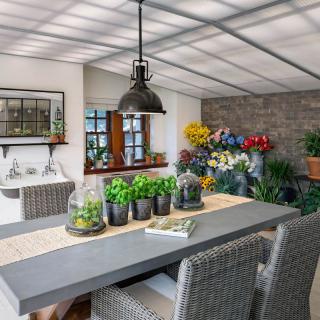
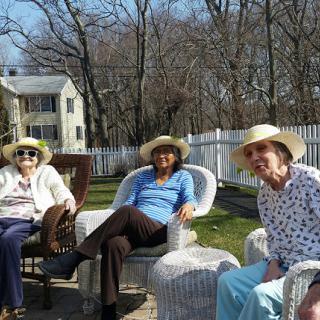
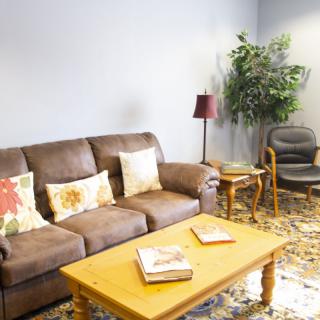
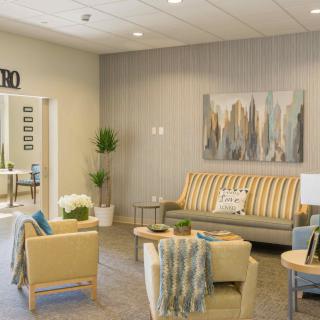
With our indoor common areas, residents have ample space to socialize, participate in group activities, or simply relax. Each resident enjoys the privacy of their own private bathroom, ensuring their dignity and convenience are prioritized.
Our dedicated team of caregivers provides specialized care for individuals with incontinence. We understand the unique challenges that come with this condition and work closely with each resident to ensure they receive the assistance they need while promoting independence.
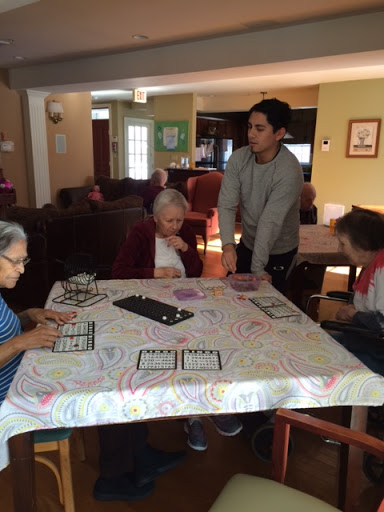
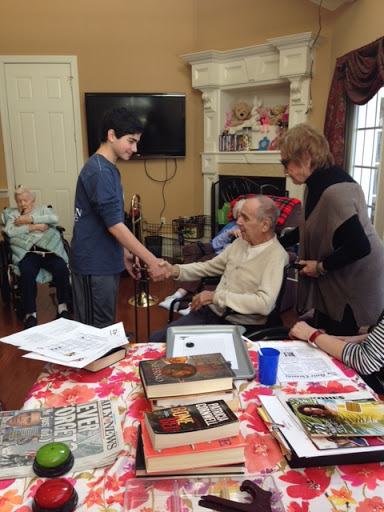
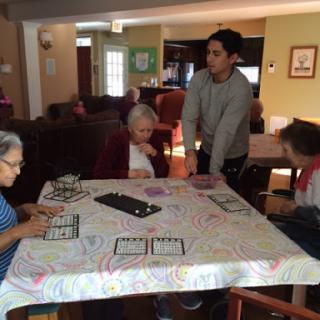
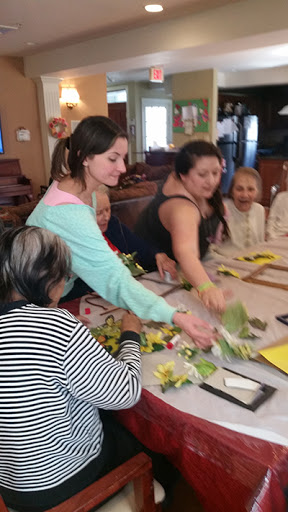
We believe that engaging activities are essential for enhancing the well-being of our residents. That's why we offer a variety of options such as art classes, birthday parties, holiday parties, live dance or theater performances, live musical performances, pet-focused programs, reminiscence programs, sensory-based programs, stretching classes, and yoga/chair yoga. These activities aim to stimulate both the mind and body while fostering social connections among residents.
In addition to our enriching amenities and care services, Millennium Memory Care at Matawan boasts a convenient location surrounded by various establishments. With cafes, pharmacies, physicians' offices, restaurants, transportation options nearby, residents have easy access to necessary resources for their comfort and convenience. Furthermore, there is a hospital nearby ensuring prompt medical attention if needed.
At Millennium Memory Care at Matawan in Matawan, NJ our mission is to provide exceptional memory care services in an environment that promotes dignity, respect, engagement, and compassion. We strive to create an inclusive community where individuals can thrive with confidence knowing they are well-cared for by our experienced staff.
Located in Matawan, New Jersey, this area offers convenient access to various amenities essential for senior living. With multiple pharmacies like Walgreens and CVS within a short distance, residents can easily access their medications. There are also several reputable physicians in the vicinity, including Memorial Sloan Kettering Cancer Center Monmouth and Raritan Bay Cardiology for specialized medical care. For leisure and social activities, there are cafes such as Starbucks and dining options like La Ginestra Ristorante Italiano & Pizzeria and Crown Palace nearby. Additionally, parks like Wolfe's Pond Park and Monroe Twp. Veteran's Park provide opportunities for outdoor recreation. The community is also close to transportation options like NJT Aberdeen-Matawan Station and various theaters for entertainment purposes. Overall, this area offers a well-rounded lifestyle suitable for seniors looking to settle in Matawan.
Millennium Memory Care at Matawan offers a studio accommodation priced at $8,000 per month, which reflects the specialized care and services tailored for individuals with memory-related challenges. This rate is notably higher than both the average monthly cost for similar facilities in Monmouth County, which stands at approximately $5,738, and the wider New Jersey average of about $5,286. The premium pricing at Millennium Memory Care accounts for their commitment to delivering high-quality care in a supportive environment, emphasizing personalized attention and a range of enriching activities designed to foster well-being among residents. This investment ensures that families can feel confident that their loved ones are receiving exceptional support in their memory care journey.
Millennium Memory Care at Matawan is located at 447 Matawan Ave., Matawan, NJ 07721 in Monmouth County, New Jersey
Millennium Memory Care at Matawan addresses the unique needs of residents with dementia or Alzheimer's disease through specialized features like incontinence care and sensory-based programs. Incontinence care ensures that residents maintain dignity and comfort, minimizing the stress often associated with such challenges, which can exacerbate confusion and anxiety in those with memory impairments. On the other hand, sensory-based programs engage residents by stimulating their senses--sight, sound, touch, and smell--which can evoke positive memories and enhance emotional well-being. This multisensory approach not only aids in cognitive function but also fosters social interaction among residents, creating a supportive environment that promotes overall quality of life for individuals coping with memory-loss conditions.
Yes, Millennium Memory Care at Matawan allows both dogs and cats.
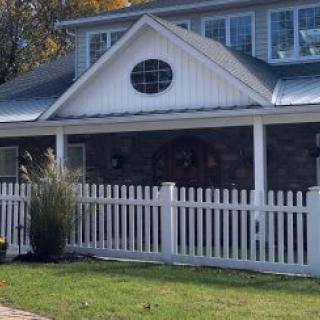
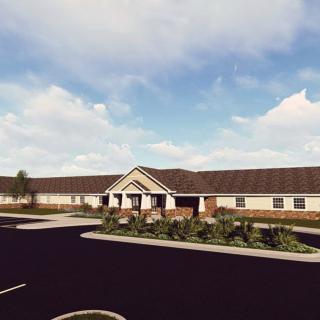
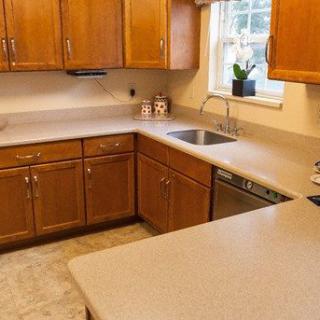
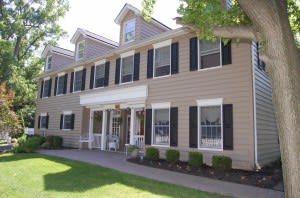
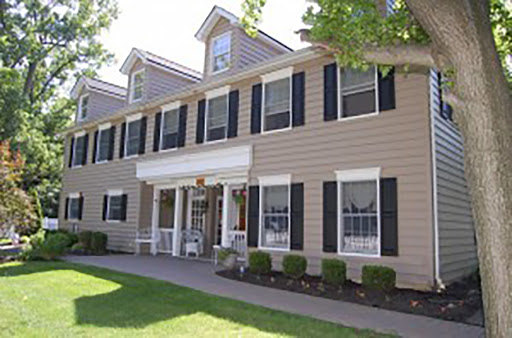
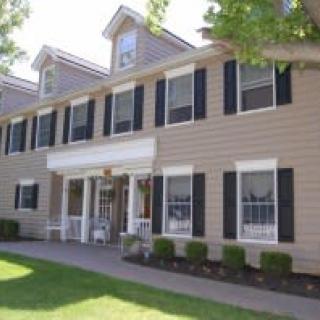
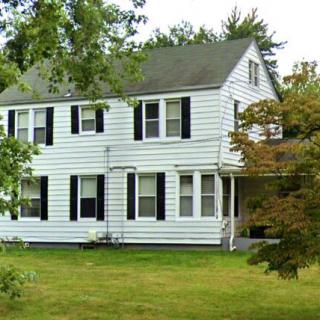
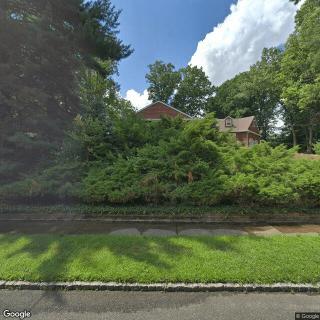
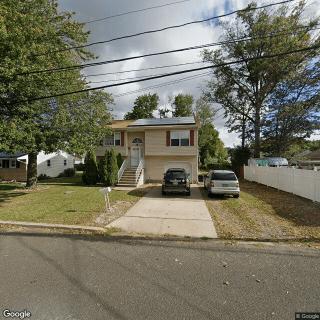
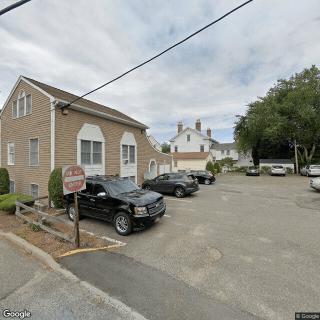
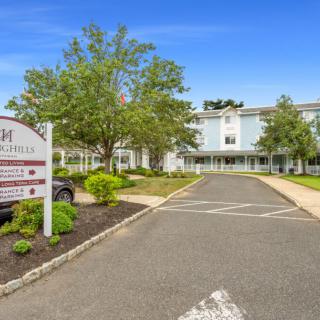
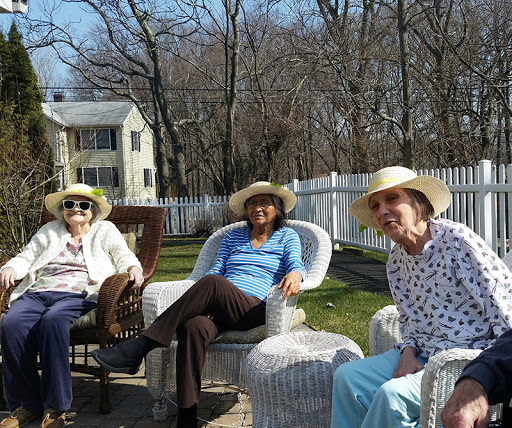
Millennium Memory Care at Matawan on seniors.fyi includes 10 photos including images showing building, windows, landscaping, outdoor, trees, exterior, architecture, doors, and more.
Comprehending Evening Confusion in Dementia: Causes, Manifestations, and Support

Sundown syndrome, or sundowning, is a phenomenon in dementia patients characterized by increased confusion and agitation during late afternoon and evening, influenced by factors like disrupted circadian rhythms and fatigue. Effective caregiver strategies include establishing routines and managing environmental light while addressing caregiver stress through support services.
Delirium and Dementia: Unraveling the Key Differences

Delirium is a rapidly onset, reversible cognitive disturbance often caused by acute medical issues, while dementia is a gradual and irreversible decline due to chronic neurodegenerative diseases. Accurate differentiation between the two is essential for appropriate treatment and management in older adults.
Are Dementia and Alzheimer's Disease Lethal? A Comprehensive Exploration
Dementia, including Alzheimer’s disease, is often mischaracterized in terms of lethality as it leads to complications that can be fatal rather than being a direct cause of death; it causes a progressive decline in cognitive and physical health, making patients vulnerable to infections and other health crises. Effective management of nutrition, hydration, and communication is crucial in patient care, with palliative care becoming vital in advanced stages to enhance comfort and quality of life while caregivers play a key role amidst the challenges posed by the disease.