
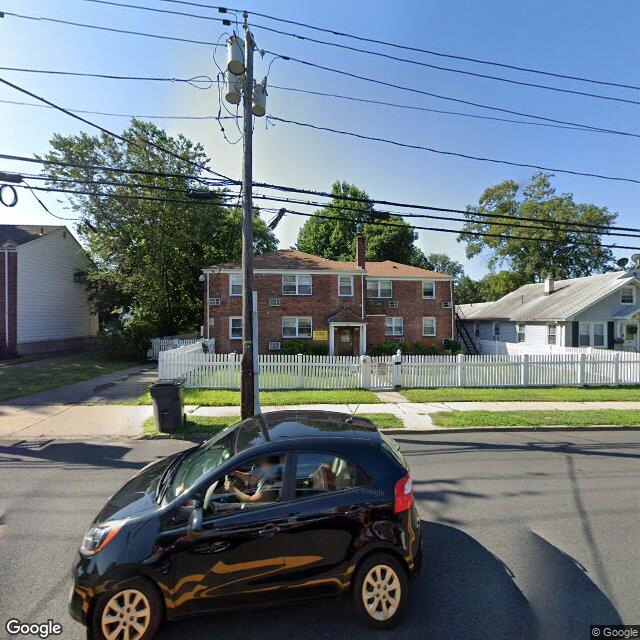
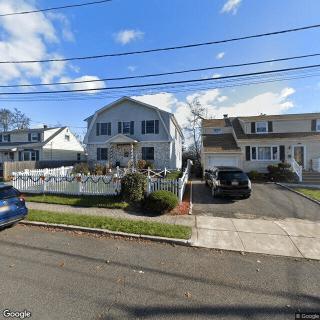
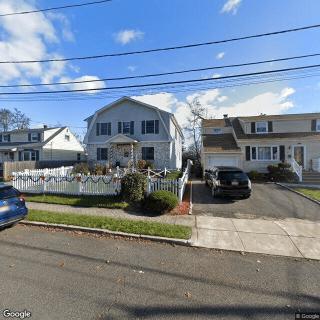
244 East Main Street, Bergenfield, NJ 07621
To contact a resident: (201) 374-1364
For more information about senior living options: (866) 208-4318
La Paula at Main Costs & Pricing
La Paula at Main offers competitive pricing for its various room types, providing a compelling option for those seeking quality care without the steep costs often associated with similar facilities in Bergen County and across New Jersey. For instance, the semi-private room is priced at $2,500 per month, significantly lower than the county average of $6,049 and the state average of $5,068. Similarly, the studio option is available at $4,700, which is also more affordable compared to Bergen County's $6,525 and New Jersey's average of $5,286. Finally, residents can enjoy a private room for $5,000 - again undercutting both county and state averages of $7,503 and $5,799 respectively. This combination of lower costs and comfortable living arrangements makes La Paula at Main an attractive choice for individuals seeking supportive living environments without compromising on care or community.
| Floor plans | La Paula at Main | Bergen County | New Jersey |
|---|---|---|---|
| Semi-Private | $2,500 | $6,049 | $5,068 |
| Studio | $4,700 | $6,525 | $5,286 |
| Private | $5,000 | $7,503 | $5,799 |
Memory care communities with a similar price nearby
-
About the same
Thrive at Montvale
$2,550 to $8,550 / month9.5 miles away -
from +$445 / mo
The Chelsea At Bald Eagle
$2,945 to $5,040 / month23.5 miles away -
from +$470 / mo
Castle Senior Living at Forest Hills
$2,970 to $5,100 / month14.9 miles away -
from -$400 / mo
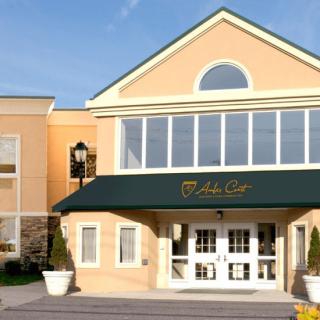
Amber Court of Westbury
$2,100 to $5,700 / month24.7 miles away -
from -$350 / mo
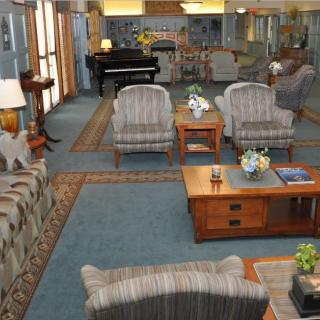
The Cliffs At Eagle Rock
$2,150 to $2,750 / month16.5 miles away
Overall Review of La Paula at Main
Pros
 The staff go above and beyond in caring for residents.
- They truly treat residents as if they were family.
- The facility is safe, clean, and well maintained.
- Residents enjoy group meals together daily and receive one-on-one assistance when needed.
- The staff are amazing—helpful, patient, and responsive to questions.
- The care team provides compassionate, skilled care, helping residents to thrive.
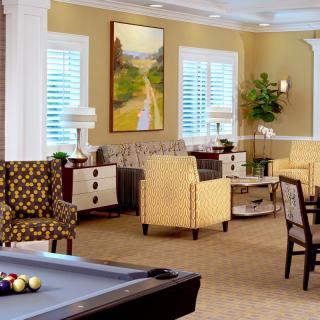
- La Paula at Main offers a warm, home-like environment where staff, residents, and families know and care for one another.
- The staff consistently go out of their way to meet residents' needs and make them happy.
- Families feel at ease knowing their loved ones are well cared for.
Cons
 The meals were not varied or wholesome; sandwiches and soup were served daily, with too much pork.
- The activities were not stimulating and were depressing for residents with early dementia.
- One aide did not speak English well, creating a language barrier that frustrated the resident.
- La Paula Main did not convey the home-like feeling that was expected.
- The residents’ memory loss was much more severe there.
- It felt dark and depressing, not the right place for the resident.
- What were they paying for—just room and board?
- Medications were not administered by a nurse, but by a medicine assistant or aides.
Review
La Paula at Main is best suited for families seeking a warm, hands-on, family-like assisted living experience in which care is practical, attentive, and consistently focused on daily living needs. The community tends to serve residents who benefit from a structured, intimate setting where meals are shared, activities are readily available, and staff members know residents and their families well. It works particularly well for seniors with memory concerns who require daily assistance, ongoing monitoring, and a caregiving approach that prioritizes personal connection and clear family communication over flashy amenities. For families that want a facility where care staff, nurses, and administrators form a cooperative, day-to-day alliance around a resident, this is a natural fit.
Those who may want to consider alternatives include families that place a premium on highly varied menus and culinary variety, or on a dining program designed to cater to specific dietary restrictions with frequent rotations. Potential residents who expect a more overtly upbeat, stimulation-rich activity calendar might find the pace here more subdued than anticipated. Language dynamics can also be a factor: some aides may have limited English, which can complicate direct communication for families that rely on rapid, precise exchanges about care. Additionally, for residents whose needs require nursing-led medication management in a more clinical setting, it’s prudent to verify how med administration is handled and whether nursing oversight meets those expectations.
The primary positives here center on the depth of caregiver engagement and the strength of family communication. Staff are repeatedly described as compassionate, patient, and responsive, traits that translate into consistently attentive personal care and a willingness to go beyond basic duties. The environment emphasizes togetherness: three meals a day shared among residents, regular activities, and opportunities to socialize in a setting that feels like a home more than a hospital. Cleanliness and safety are repeatedly highlighted, and reviewers note that administration and frontline staff work hard to accommodate families’ needs, including timely updates and thoughtful involvement in decisions about a loved one’s care. For families navigating dementia or chronic conditions, the combination of skilled staff and a caring, communicative approach can dramatically reduce anxiety and provide practical peace of mind.
However, several notable drawbacks temper the otherwise strong profile. A recurring concern is the variability in the dining experience, with some reviewers praising nutritious offerings and others criticizing limited variety and heavy reliance on simpler staples. The issue of language barriers among aides also emerges as a potential friction point for families seeking seamless communication. Not every resident will thrive in a setting that may feel more clinical or subdued in atmosphere; a few accounts describe the Main campus as less “home-like” or even dark and depressing, which can be a meaningful distinction for those desiring a brighter, more uplifting environment. For residents with complex dementia, questions about the breadth of stimulating activities and opportunities for meaningful engagement beyond routine may arise, highlighting the need for a clear, personalized activity plan and ongoing assessment.
The key pros offset the main cons in practical, substantive ways. The extraordinary level of staff dedication and the emphasis on family-centered care translate into meaningful daily experience for residents and measurable reassurance for families. When meals and activities are crafted with attention to residents’ preferences, and when staff respond swiftly to questions and concerns, the perceived quality of life improves even if menus aren’t perfect every day. Cleanliness and safety, paired with transparent communication about changes in care and health status, reduce stress for caregivers and provide a reliable daily rhythm that many families value highly. For those navigating dementia or advanced care needs, the combination of compassionate caregiving and a structured, small-community environment can be more impactful than a brighter, more impersonal setting.
Bottom line: La Paula at Main represents a practical, experienced choice for families prioritizing compassionate, hands-on care in a home-like, communicative community. It delivers strong caregiver engagement, reliable safety, and meaningful socializing opportunities that can offset occasional meals’ variability and walls that feel more clinical than picture-perfect. If the resident’s needs include a more varied menu, a consistently upbeat activity calendar, or English-only staffing in every shift, those specifics should be explored further at a visit or through a frank discussion with administration. For families seeking a dependable, resident-centered environment where staff act as an extended family in care, La Paula at Main stands up as a credible, well-regarded option in Bergenfield.
 Board and Care Home
 Memory Care
 Activities on-site
 Devotional services on-site
 Indoor common areas
 Outdoor common areas
 Private
 Respite or short term stays offered
 Wheelchair accessible showers
 LaGuardia (12 miles away)
 Ambulatory care
 Diabetic care
 High acuity care
 Incontinence care
 Medication management
 Meals provided
 8 Important Indicators That Memory Care May Be Necessary
 Delving into the Inner World of Dementia: Insights into Thoughts and Awareness
 Five Subtle Dementia Indicators to Observe: An In-Depth Guide to Understanding “Does My Mom Have Dementia?”