
CountryHouse At Kearney

Save

  • Interior

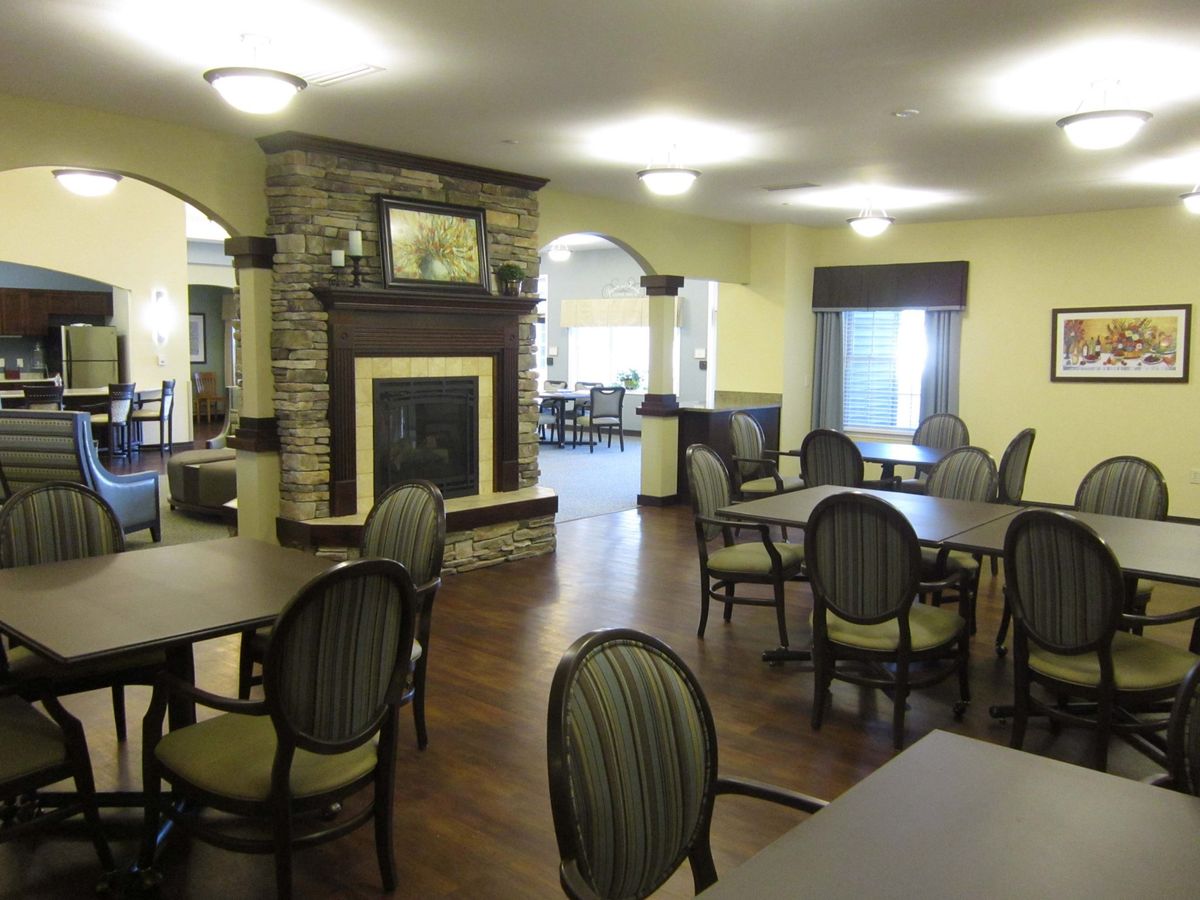
    A cozy dining area with a stone fireplace, wooden floors, and neatly arranged tables and chairs.
  • Decor

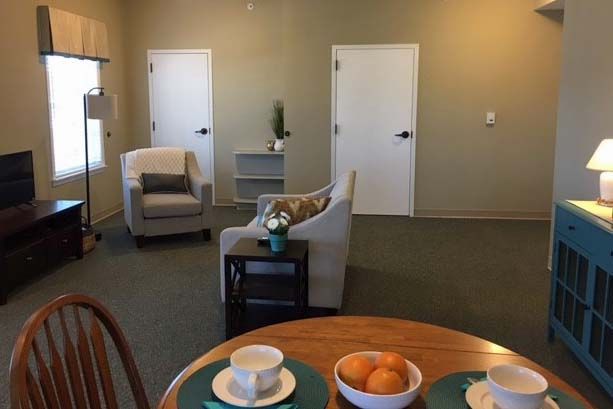
    A minimalistic living room with cozy chairs and a small table set with fruit and tea cups.
  • Living Room

    A cozy living room with sofas, cushions, and a warm lamp.
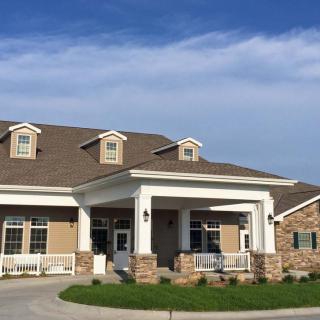
  • Building

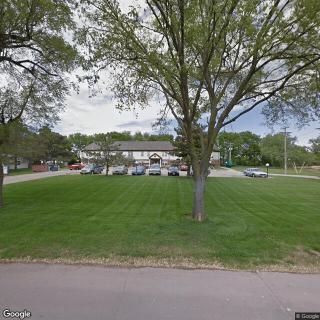
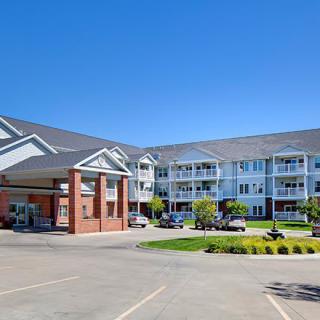
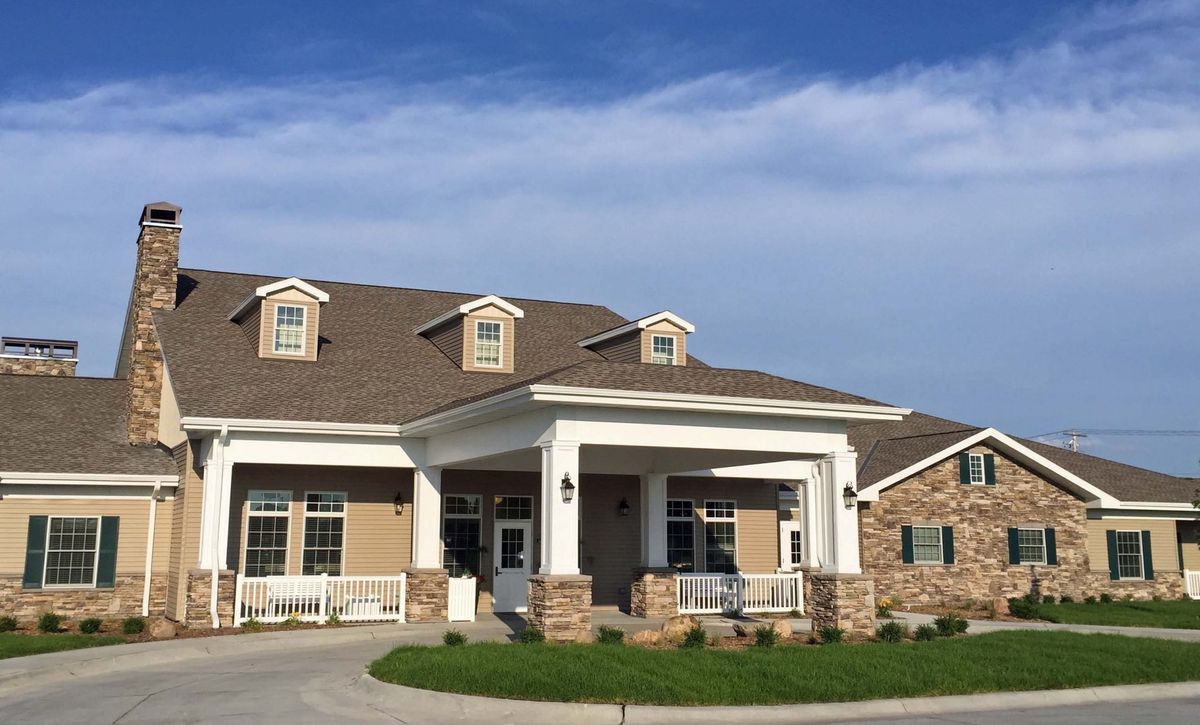
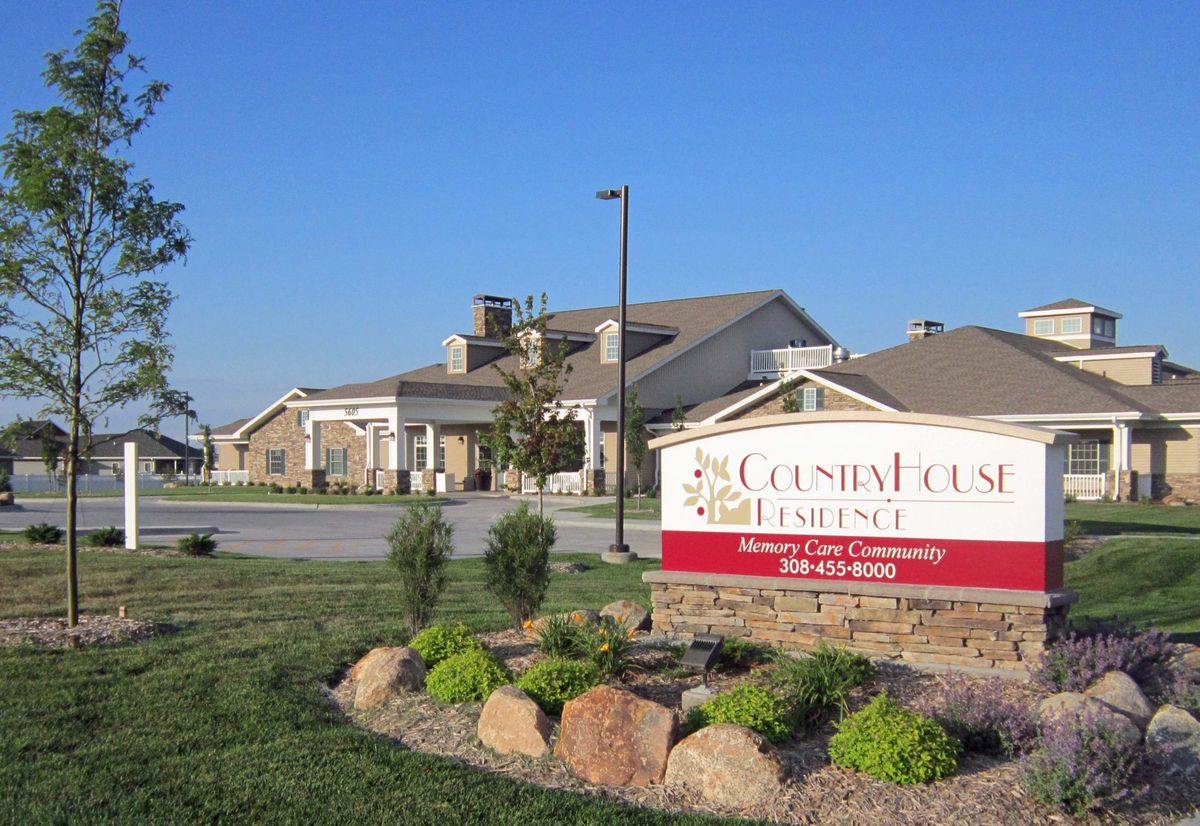
    A large residential building with a covered porch and multiple dormer windows.
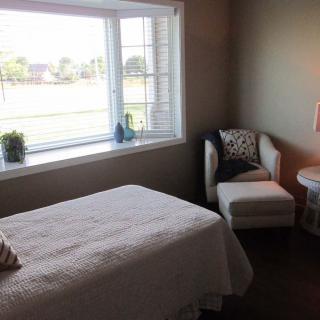
  • Bedroom

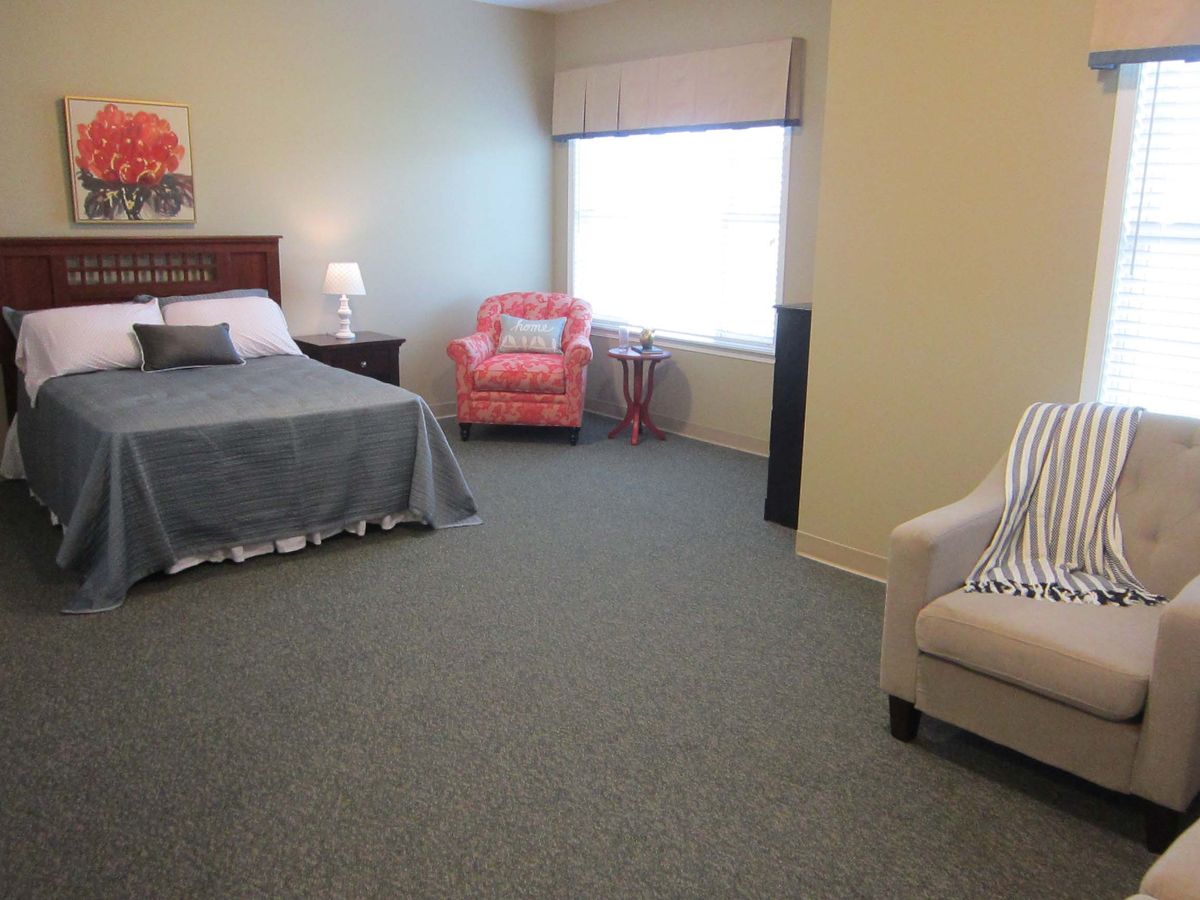
    A cozy bedroom with a large window letting in natural light, featuring a bed and an armchair.
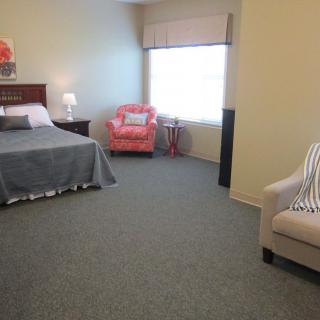
  • Windows

    A cozy bedroom with a bed, two chairs, and a large window allowing natural light.
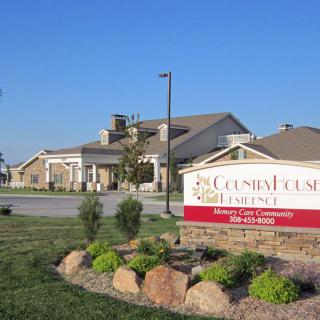
  • Landscaping

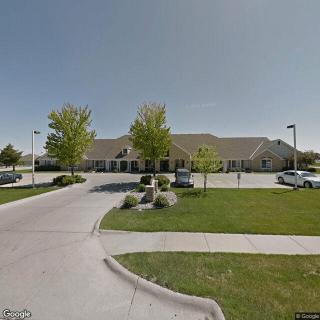
    Entrance sign and building surrounded by well-maintained landscaping.
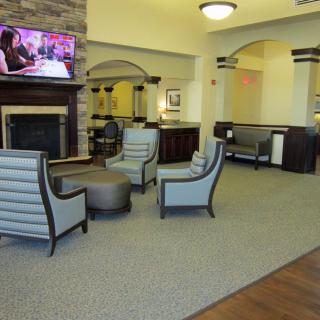
  • Seating Area

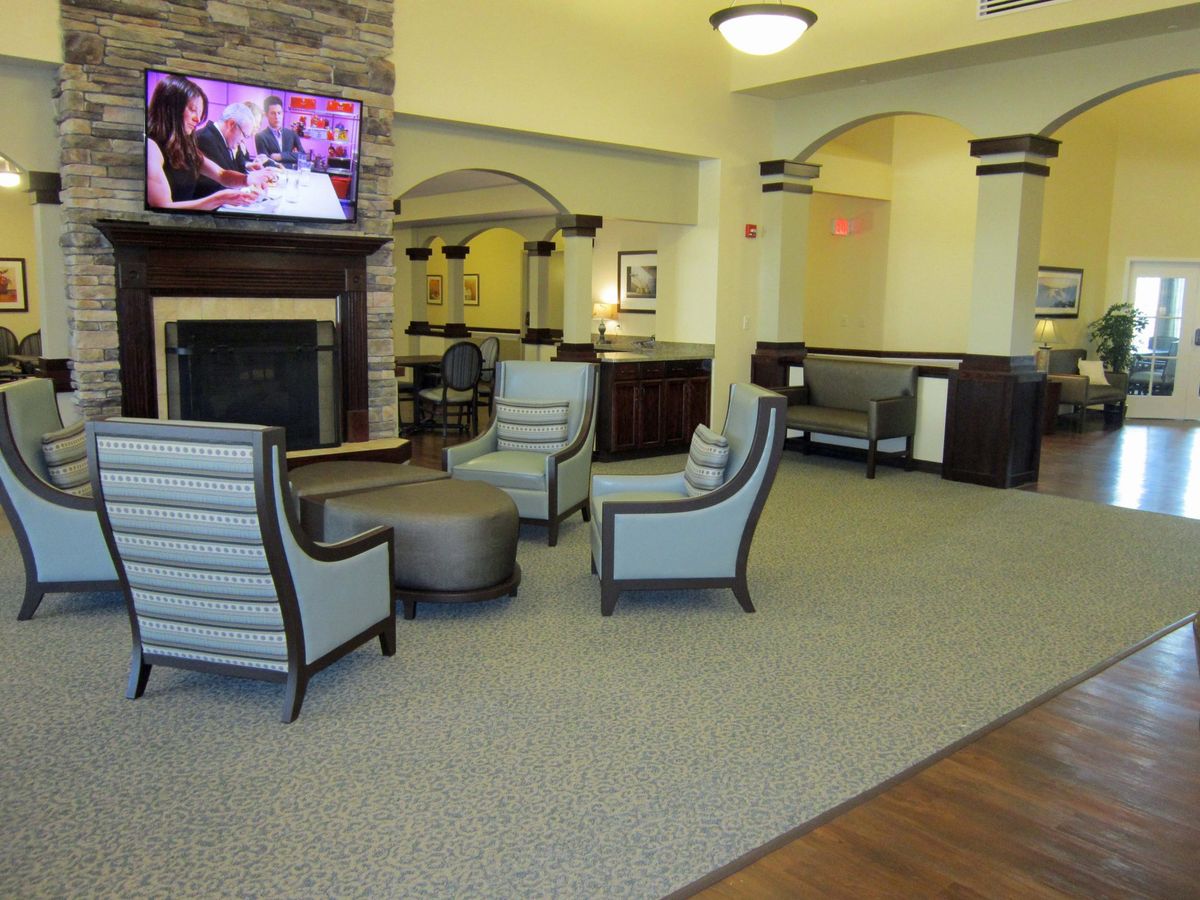
    A modern lobby with comfortable seating and a fireplace.

CountryHouse At Kearney

Information last verified:

5605 K Avenue, Kearney, NE 68847

For more information about senior living options: (844) 490-3973

4.9 from 23 reviews
5 stars
21
4 stars
2
3 stars
0
2 stars
0
1 stars
0

Seniors.FYI Elite Community Awards

Top 5% Senior Living Community in 2019

Add this award to your website

Overall Review of CountryHouse At Kearney

Pros

  • pro Country House is top notch.
  • pro The staff is wonderful and treats residents like family.
  • pro Susie and April have assembled a wonderful staff that treats residents as family.
  • pro The care at Country House is consistent, personal, and kind, with residents treated with utmost dignity.
  • pro The administrator, staff, and facilities are wonderful.
  • pro The staff is quick to communicate with families and help find solutions.
  • pro The staff works tirelessly to accommodate residents in a loving, caring way.
  • pro Country House has been a blessing for families.
  • pro The facility is beautiful and the staff are patient and kind.
  • pro There are plenty of activities to keep residents stimulated and engaged.
  • pro The location provides a safe, secure environment with 24-hour quality care.
  • pro The staff are knowledgeable about dementia and deliver care with kindness, dignity, and love.

Cons

  • pro They wish the staff would be more forthcoming about their mother’s situation, without having to ask so many questions.
  • pro They wish they could have gotten her there sooner.
  • pro Prior to her arrival, she had become hollow, left alone and without purpose, having gone from a confident leader in society to a frightened shell.

Review

CountryHouse At Kearney is the clear choice for families seeking dedicated memory-care with a tight, caring culture. This community excels when a loved one is living with dementia or Alzheimer’s and needs consistent, compassionate supervision wrapped in warmth and dignity. From the moment families inquire, the staff, especially the memory-care team, takes ownership of the transition, crafting routines that keep the resident engaged, oriented, and connected. The setting feels home-like and calm, yet the calendar is anything but static: daily activities range from painting and puzzles to Bible study, hymn singing, and special local excursions. The environment is designed for safety and proximity to family, with care that emphasizes meaningful participation rather than passive supervision. For families facing the emotional weight of memory care, CountryHouse provides a reassuring, values-driven home where residents are treated with personal attention and real human connection.

This community is especially suitable for families prioritizing staff continuity, daily involvement, and a proactive approach to cognitive stimulation. The reviews repeatedly highlight staff who are patient, knowledgeable about dementia, and deeply devoted to residents’ well-being. The presence of a strong activities director, the availability of 24-hour care, and programs that encourage social interaction create a sense of purpose for residents who can become withdrawn or disoriented. The care philosophy centers on dignity and companionship, with residents encouraged to participate in a wide range of pursuits, from art projects and music to religious observances and local outings. For families seeking a facility that feels less like a sterile institution and more like an extended, well-supported family, CountryHouse stands out as an excellent fit.

Yet, there are clear realities families should weigh. The strongest caveat is the potential for desire among some families for even more proactive, forward-facing updates about a loved one’s day-to-day status. While LifeLoop and regular check-ins help keep families informed, a few conversations reveal that some caregivers want a higher baseline level of transparency without always prompting. That said, the community generally compensates with rapid responsiveness and consistent communication when concerns arise, and staff members are repeatedly described as going above and beyond to keep families in the loop. For families whose needs include a lower-touch, more clinical setting, or for those who prize constant, minute-by-minute reporting, this might feel like a shortfall, often a matter of preference rather than a deficiency in care.

The core strengths, the compassionate staff, specialized memory-care expertise, and robust activity programming, heavily tilt the balance in favor of CountryHouse. Residents are not merely supervised; they are engaged in purposeful activities designed to stimulate memory and motor function while preserving a sense of identity. The staff’s approach is consistently described as kind, patient, and respectful, with many families reporting that their loved ones look happier, more connected, and more engaged since moving in. The home-like atmosphere, coupled with beautifully maintained spaces and a strong tradition of celebrating birthdays and holidays, reinforces a positive sense of belonging. Safety is a clear priority, with caregivers available around the clock and a culture that emphasizes familiar routines, predictable patterns, and gentle redirection when needed.

Cultural and social programming further distinguish CountryHouse as a memory-care leader. Families repeatedly celebrate an “amazing” social activities director who designs a calendar tailored to the residents’ interests, often weaving in local concerts, petting barns visits, and group travel to keep cognition active and spirits high. Music, arts, and faith-based activities are not afterthoughts but core elements of daily life, helping residents maintain a sense of purpose and identity. The staff’s ability to cultivate personal connections with residents and families creates an atmosphere where care feels familial rather than transactional. This isn’t just about safety and supervision; it’s about preserving personality, encouraging autonomy where possible, and maintaining social dignity in a setting that can feel confining to some families.

For families weighing the decision, CountryHouse At Kearney presents a compelling, well-rounded option for memory care that prioritizes dignity, engagement, and sustained quality of life. The strongest indicators point to a highly capable team, a culture of genuine care, and an environment that supports both the resident and the family through the ongoing challenges of dementia care. Prospective residents and their decision-makers should plan a visit to observe how staff interact with residents, assess the activity calendar, and see how the space feels in everyday use. It is the kind of community where the right fit translates into peace of mind, knowing that a loved one is cared for with kindness, competence, and a real sense of family.

In closing, for families seeking a memory-care community that treats dementia with seriousness and warmth, CountryHouse At Kearney is a standout option. It should be the first stop for families who value an active, engaging environment, strong staff familiarity, and a philosophy that centers dignity and personal connection. Alternatives become more appealing if the priority shifts toward ultra-transparent clinical updates on a fixed schedule without the emphasis on social engagement, or toward a smaller, more private setting with minimal programming. Otherwise, the combination of specialized memory care, dedicated, caring staff, and a lively, family-oriented culture makes CountryHouse a sound, confident recommendation for those navigating the difficult path of memory impairment.

Features

Housing

  • 22 resident community capacity 22 resident community capacity

Types of Care

  • Memory Care Memory CareMemory care is crucial for seniors as it provides specialized support and services for individuals with dementia or Alzheimer's disease. These programs offer a safe and secure environment where residents receive personalized care, cognitive stimulation, and help with daily activities. Memory care helps seniors maintain their independence, quality of life, and dignity while also providing peace of mind for their families.
  • Respite Care Respite CareRespite care provides temporary relief for caregivers, allowing them to recharge and attend to their own needs. It also gives seniors the opportunity to socialize, receive professional care, and experience a change of scenery, promoting overall well-being and reducing feelings of isolation.

Amenities

  • Beauty salon Beauty salonBeauty salons are important for seniors because they provide a space for them to feel pampered, socialize, and maintain their personal grooming and hygiene. Regular visits to a beauty salon can help boost seniors' self-esteem and overall well-being.
  • Cable or satellite TV Cable or satellite TVCable or satellite TV is important for seniors because it provides entertainment, news, and companionship, helping to combat loneliness and boredom. It also offers a wide range of programming options tailored to different interests and preferences.
  • Dining room Dining roomDining rooms are important for seniors as they provide a space for socialization, connection, and nutritious meals. They offer opportunities for residents to bond over shared meals, foster a sense of community, and promote healthy eating habits. Dining rooms also ensure that seniors have access to well-balanced meals tailored to their dietary needs and preferences.
  • Fully furnished Fully furnishedFully furnished senior living communities are important for seniors because they provide convenience, comfort, and a hassle-free moving experience. Seniors can easily settle into their new living space without the stress of having to buy and move furniture. This allows them to focus on enjoying their new home and community.
  • Garden GardenGardens are important for seniors as they provide a peaceful and therapeutic environment for relaxation, physical activity, and socialization. Being in nature has been shown to reduce stress, improve mood, and promote overall well-being. Gardens also offer opportunities for seniors to engage in gardening activities, which can improve mobility, flexibility, and cognitive function. Additionally, gardens create a sense of community and connection with others who share a passion for plants and outdoor spaces.
  • Housekeeping services Housekeeping servicesHousekeeping services are important for seniors because they help maintain a clean and safe living environment, promote independence, and reduce the risk of accidents or illnesses. Additionally, having assistance with household chores can alleviate physical strain and allow seniors to focus on other aspects of their well-being.
  • Kitchenette KitchenetteKitchenettes are important for seniors living in senior living communities because they provide the convenience and independence of being able to prepare simple meals and snacks in the comfort of their own living space. This can help promote a sense of autonomy and well-being for seniors, allowing them to maintain some level of control over their dietary choices and daily routines.
  • Move-in coordination Move-in coordinationMove-in coordination is important for seniors because it helps ease the transition into their new living environment. It ensures that all logistics, such as packing, organizing movers, and setting up utilities are taken care of, allowing seniors to focus on settling in and adjusting to their new home. Having a smooth move-in process can alleviate stress and anxiety, making the transition smoother and more enjoyable for seniors.
  • Outdoor space Outdoor spaceOutdoor spaces are important for seniors as they provide opportunities for physical activity, social interaction, exposure to natural light and fresh air, and a sense of connection to nature. Having access to outdoor spaces can improve overall well-being and quality of life for older adults living in senior communities.
  • Restaurant-style dining Restaurant-style diningRestaurant-style dining is important for seniors because it allows them to enjoy delicious, nutritious meals in a social and upscale setting. This enhances their dining experience, promotes healthy eating habits, and fosters socialization with fellow residents, ultimately contributing to their overall well-being and quality of life.
  • Small library Small librarySmall libraries are important for seniors as they provide access to a variety of reading materials, including books, newspapers, and magazines. This can help stimulate their minds, keep them engaged, and provide a sense of community through book clubs and other social activities. Additionally, reading has been shown to improve cognitive function and overall mental well-being in older adults.
  • Telephone TelephoneTelephones are important for seniors as they provide a lifeline for communication with loved ones, emergency services, and healthcare providers. They offer a sense of security and independence, enabling seniors to stay connected and access assistance when needed.
  • Wi-Fi/high-speed internet available Wi-Fi/high-speed internet availableWi-Fi/high-speed internet is important for seniors to stay connected with loved ones, access online resources, and participate in virtual activities to combat feelings of loneliness and isolation. It also allows them to easily manage healthcare needs, access entertainment, and engage in lifelong learning opportunities.

Transportation

  • Transportation arrangement (non-medical) Transportation arrangement (non-medical)Transportation arrangements are essential for seniors as they provide access to essential services, activities, and social interactions outside the home. This service helps maintain independence, mobility, and overall well-being for seniors who may have limited transportation options.
  • Transportation to doctors appointments Transportation to doctors appointmentsTransportation to doctors appointments is crucial for seniors as it ensures they have access to necessary medical care and support, promoting their health and well-being. It allows them to receive timely treatment, monitor existing conditions, and address any new health concerns efficiently. Additionally, transportation services can help seniors maintain their independence and quality of life by enabling them to stay connected with their healthcare providers.

Care Services

  • 12-16 hour nursing 12-16 hour nursing12-16 hour nursing care is crucial for seniors in order to ensure around-the-clock monitoring, timely medication administration, and prompt response to any health concerns or emergencies. This level of care helps to promote the overall well-being and safety of seniors living in senior living communities.
  • 24-hour call system 24-hour call system24-hour call systems are important for seniors because they provide peace of mind and immediate assistance in case of emergencies. This technology ensures that help is always available, promoting safety and security for elderly individuals living alone or in assisted living facilities.
  • 24-hour supervision 24-hour supervision24-hour supervision is important for seniors to ensure their safety, well-being, and access to immediate assistance in case of emergencies or health issues. This constant support provides peace of mind for both seniors and their loved ones, allowing them to age in place with dignity and security.
  • Activities of daily living assistance Activities of daily living assistanceActivities of daily living assistance are important for seniors because they provide essential support with tasks such as eating, bathing, dressing, and mobility. This assistance helps seniors maintain their independence, dignity, and overall quality of life as they age.
  • Assistance with bathing Assistance with bathingAssistance with bathing is crucial for seniors as it helps maintain personal hygiene, prevents infections, and ensures their overall well-being and comfort. It also provides a sense of dignity and independence for seniors who may struggle with this task on their own.
  • Assistance with dressing Assistance with dressingAssistance with dressing is important for seniors because it helps maintain their independence, promotes personal hygiene, prevents accidents and injuries, and improves overall quality of life. This service ensures that seniors can continue to dress comfortably and confidently, despite any physical limitations they may have.
  • Assistance with transfers Assistance with transfersAssistance with transfers is crucial for seniors as it helps prevent falls and injuries, maintains their independence, and ensures they can safely navigate their living environment. It also provides peace of mind for both seniors and their loved ones.
  • Coordination with health care providers Coordination with health care providersCoordination with health care providers is crucial for seniors to ensure proper medical care, medication management, and overall well-being. This collaboration helps prevent overlapping treatments, track progress more effectively, and provide comprehensive support tailored to individual needs.
  • Dementia waiver Dementia waiverDementia waivers are essential for seniors as they provide critical protections and accommodations for those experiencing cognitive decline. These waivers ensure individuals with dementia receive appropriate care, support, and resources to maintain their quality of life and dignity as they navigate the challenges of this progressive condition.
  • Diabetes diet Diabetes dietA diabetes diet is crucial for seniors as it helps manage blood sugar levels, reduce risks of complications, and improve overall health and well-being. By following a balanced and nutritious diet tailored to their specific needs, seniors can better control their diabetes and enhance their quality of life.
  • Hospice waiver Hospice waiverHospice waivers are important for seniors because they allow individuals to receive specialized end-of-life care and support at home or in a hospice facility. This waiver ensures that seniors can access the necessary resources and services to maintain comfort and dignity during their final days.
  • Meal preparation and service Meal preparation and serviceMeal preparation and service are crucial for seniors as they may have limited mobility or energy to cook nutritious meals. Having access to healthy and convenient food options can ensure they are getting the proper nutrition needed to maintain their overall health and well-being.
  • Medication management Medication managementMedication management is crucial for seniors to ensure they are taking the right medications at the correct dosages and times. This helps prevent adverse drug interactions, reduces the risk of medication errors, and promotes overall health and well-being. Proactive management also allows for adjustments as needed based on changing health conditions or new prescriptions.
  • Mental wellness program Mental wellness programMental wellness programs are essential for seniors as they promote cognitive stimulation, emotional support, and social engagement. These programs help prevent isolation, depression, and cognitive decline, ultimately enhancing the overall quality of life for older adults.
  • Mild cognitive impairment Mild cognitive impairment"Mild cognitive impairment" is important for seniors because it is an early stage of cognitive decline that can potentially progress to more severe conditions such as dementia. Recognizing and addressing mild cognitive impairment can help seniors receive appropriate care and support to maintain their quality of life and independence for as long as possible.
  • Special dietary restrictions Special dietary restrictionsSpecial dietary restrictions are important for seniors because age-related changes in metabolism and health conditions can make it difficult for their bodies to process certain foods. By following a diet tailored to their specific needs, seniors can maintain their overall health and well-being, manage chronic conditions, and reduce the risk of complications such as malnutrition or food interactions with medications.
  • Specialized memory care programming Specialized memory care programmingSpecialized memory care programming is crucial for seniors with cognitive impairments such as dementia or Alzheimer's disease. These programs provide a safe and supportive environment tailored to the unique needs of individuals with memory loss, helping them maintain their independence, dignity, and quality of life.
  • Transportation arrangement (medical) Transportation arrangement (medical)Transportation arrangements for medical purposes are essential for seniors as they may have difficulty driving themselves to appointments or accessing public transportation. Having reliable and safe transportation options ensures that seniors can receive timely medical care and maintain their health and well-being.

  • Transportation to doctors appointments Transportation to doctors appointmentsTransportation to doctors appointments is crucial for seniors as it ensures they have access to necessary medical care and support, promoting their health and well-being. It allows them to receive timely treatment, monitor existing conditions, and address any new health concerns efficiently. Additionally, transportation services can help seniors maintain their independence and quality of life by enabling them to stay connected with their healthcare providers.

Dining

  • Diabetes diet Diabetes dietA diabetes diet is crucial for seniors as it helps manage blood sugar levels, reduce risks of complications, and improve overall health and well-being. By following a balanced and nutritious diet tailored to their specific needs, seniors can better control their diabetes and enhance their quality of life.
  • Special dietary restrictions Special dietary restrictionsSpecial dietary restrictions are important for seniors because age-related changes in metabolism and health conditions can make it difficult for their bodies to process certain foods. By following a diet tailored to their specific needs, seniors can maintain their overall health and well-being, manage chronic conditions, and reduce the risk of complications such as malnutrition or food interactions with medications.

Activities

  • Community-sponsored activities Community-sponsored activitiesCommunity-sponsored activities are important for seniors as they provide opportunities for social interaction, mental stimulation, and physical activity. These activities can help improve overall well-being, combat loneliness and isolation, and promote a sense of belonging and purpose among older adults.
  • Resident-run activities Resident-run activitiesResident-run activities are important for seniors as they encourage social interaction, creativity, and a sense of autonomy. These activities empower seniors to stay engaged and active in their community while fostering meaningful connections with their peers.
  • Scheduled daily activities Scheduled daily activitiesScheduled daily activities are important for seniors because they provide structure, socialization, mental stimulation, and physical activity. Engaging in regular activities can improve overall well-being and quality of life for seniors living in a community setting.

Description

CountryHouse At Kearney is an assisted living community located in Kearney, NE. We provide respite care for seniors who require temporary accommodation and support. Our fully furnished facility offers a comfortable and homely environment for our residents.

Amenities at CountryHouse At Kearney include cable or satellite TV, a dining room where residents can enjoy delicious meals prepared by our skilled staff, and a kitchenette for those who prefer to cook their own meals. Our outdoor space and garden provide a peaceful setting where residents can relax and enjoy nature.

We understand the importance of maintaining a clean and organized living environment, which is why we provide housekeeping services to ensure that our residents' rooms are always tidy. Additionally, we offer move-in coordination to make the transition into our community as smooth as possible.

At CountryHouse At Kearney, we prioritize the well-being of our residents. We offer transportation arrangement services for non-medical needs as well as transportation to doctors' appointments. Our small library provides a quiet space for reading and enrichment.

When it comes to care services, our dedicated staff is available 24/7 to provide assistance with activities of daily living such as bathing, dressing, and transfers. We also work closely with healthcare providers to coordinate the best possible care for each resident. Our specialized memory care programming caters to those with dementia or mild cognitive impairment.

Dining at CountryHouse At Kearney accommodates special dietary restrictions, ensuring that each resident receives nourishing meals that meet their individual needs. We take pride in offering restaurant-style dining experiences for our residents.

Keeping our residents engaged and active is important to us, which is why we offer scheduled daily activities as well as resident-run activities. This allows individuals to participate in hobbies they enjoy while fostering social connections within the community.

Our location in Kearney provides convenient access to various amenities nearby including cafes, parks, pharmacies, physicians' offices, restaurants, places of worship, theaters, and hospitals. This ensures that our residents have easy access to the services they need.

CountryHouse At Kearney is committed to providing the highest level of care and support for our residents in a comfortable and welcoming environment.

Nearby Places of Interest

Places of Worship

  • 56th baptist Church (0.3 miles)
  • First United Methodist Church (0.8 miles)
  • Roemmich Ron Rev (0.8 miles)
  • Jehovah's Witnesses (1 miles)
  • St James Catholic Church (1.3 miles)
  • Presbytery of Central Nebraska (1.3 miles)
  • Gateway District United Methodist Church (1.4 miles)

Restaurants

  • McDonald's (0.7 miles)
  • Auntie Anne's (0.7 miles)
  • Jimmy John's (0.8 miles)
  • Imperial Palace Express (0.8 miles)
  • Applebee's (0.8 miles)
  • Chipotle Mexican Grill (0.9 miles)
  • Snickerdoodle's (0.9 miles)

Theaters

  • Hill Top 4 (0.8 miles)

Parks

  • Harvey Park (0.9 miles)
  • Joe Greeno Field (1.7 miles)
  • Memorial Diamond Park (1.9 miles)
  • Union Pacific State Recreation Area (2.1 miles)
  • Ted Baldwin Park (2.2 miles)
  • Child Development Center Playground (2.3 miles)
  • Kearny Recreation Supt (2.4 miles)

Transportation

  • U-Haul (0.9 miles)
  • Union Pacific (2.5 miles)

Physicians

  • Audiology & Hearing Center of Kearney (1 miles)
  • Heartland Hematology & Oncology PC (1.4 miles)
  • Sandhills Oral & Facial Surgery (1.4 miles)
  • Dermatology PC (1.4 miles)
  • Family Practice Associates PC (1.5 miles)
  • First Surgicenter (1.5 miles)
  • Kearney Orthopedic & Sports Medicine (1.5 miles)

Pharmacies

  • Hy-Vee Pharmacy (1 miles)
  • Innovative Rx (1.2 miles)
  • Family Fresh Market (1.3 miles)
  • U Save Pharmacy (1.3 miles)
  • U Save Pharmacy (1.4 miles)
  • Health Mart Pharmacy (1.4 miles)
  • Medicap Pharmacy (2 miles)

Hospitals

  • St Johns (1.5 miles)
  • Good Samaritan Hospital - CHI Health (1.6 miles)
  • CHI Health Good Samaritan Childbirth Education (1.6 miles)
  • Good Samaritan Hospital (1.7 miles)
  • Catholic Health Initiatives (1.7 miles)
  • Richard Young Hospital (2.1 miles)

Cafes

  • Starbucks (2.2 miles)
  • Tex's Cafe (2.3 miles)

Frequently Asked Questions

Where is CountryHouse At Kearney?
Does CountryHouse At Kearney provide care for residents with dementia or Alzheimer's disease?
What photos are available for CountryHouse At Kearney in Kearney, Nebraska?

Nearby Communities

  • Wel-Life At Kearney

    Wel-Life At Kearney

    Kearney, NE


    pro Comprehensive, personalized assisted living with 24/7 supervision and coordinated healthcare.

  • Cambridge Court

    Cambridge Court

    Kearney, NE

    4.4 from 48 reviews
    $2,990 / month

    pro Friendly staff and engaging activities create a warm, community-focused atmosphere.

  • Midwest Homestead Of Kearney

    Midwest Homestead Of Kearney

    Kearney, NE

    4.8 from 5 reviews
    $3,125 / month

    pro Competitive studio pricing (below county average)

  • Homestead of Kearney

    Homestead of Kearney

    Kearney, NE

    4.9 from 7 reviews
     

    pro Compassionate, dignified staff who treat residents with respect.

  • Good Samaritan Society - St Johns

    Good Samaritan Society - St Johns

    Kearney, NE

    3.3 from 18 reviews
    $3,100 to $4,030 / month

    pro Caring, attentive staff who tailor care to each resident's preferences.

  • St Lukes Countryside Villa

    St Lukes Countryside Villa

    Kearney, NE

    4 from 3 reviews
     

    pro Promotes independence with 24/7 caregiver support and on-site amenities.

  • Kearney Manor

    Kearney Manor

    Kearney, NE

    4 from 3 reviews
     

    pro On-site diabetic care with strong access to nearby pharmacies, doctors, parks, and dining.

  • Kinship Pointe Kearney Northridge

    Kinship Pointe Kearney Northridge

    Kearney, NE

    4.8 from 42 reviews
    $4,000 to $4,600 / month

    pro Friendly, attentive staff; clean, well-maintained facility with spacious rooms and chef-prepared meals.

  • Broadwell Senior Living Kearney

    Broadwell Senior Living Kearney

    Kearney, NE

    4.4 from 10 reviews
    $2,900 to $4,350 / month

Related Resources

  • assisted living vs memory careUnderstanding the Distinctions: Assisted Living and Memory Care Explained

    The article differentiates between assisted living and memory care, explaining that assisted living supports seniors with daily activities while promoting independence, whereas memory care provides specialized services for individuals with dementia, focusing on secure environments and cognitive support. It also addresses staff training, safety considerations, costs, family involvement, and transition strategies for families navigating these care options.

  • how to talk to someone with dementiaHow to Communicate with a Loved One Living with Dementia: 10 Supportive Strategies
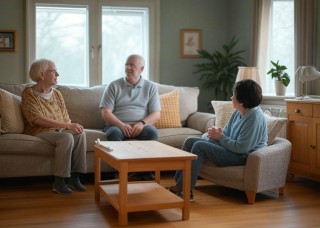
    The article outlines effective communication strategies for interacting with loved ones with dementia, highlighting the need for empathy, patience, and understanding while emphasizing supportive approaches like using simple language, minimizing distractions, and focusing on feelings over facts to maintain dignity and foster connection. It also suggests seeking professional guidance when needed as communication challenges evolve.

  • va nursing homeComprehensive Guide to VA Nursing Homes: A Crucial Long-Term Care Resource for Veterans

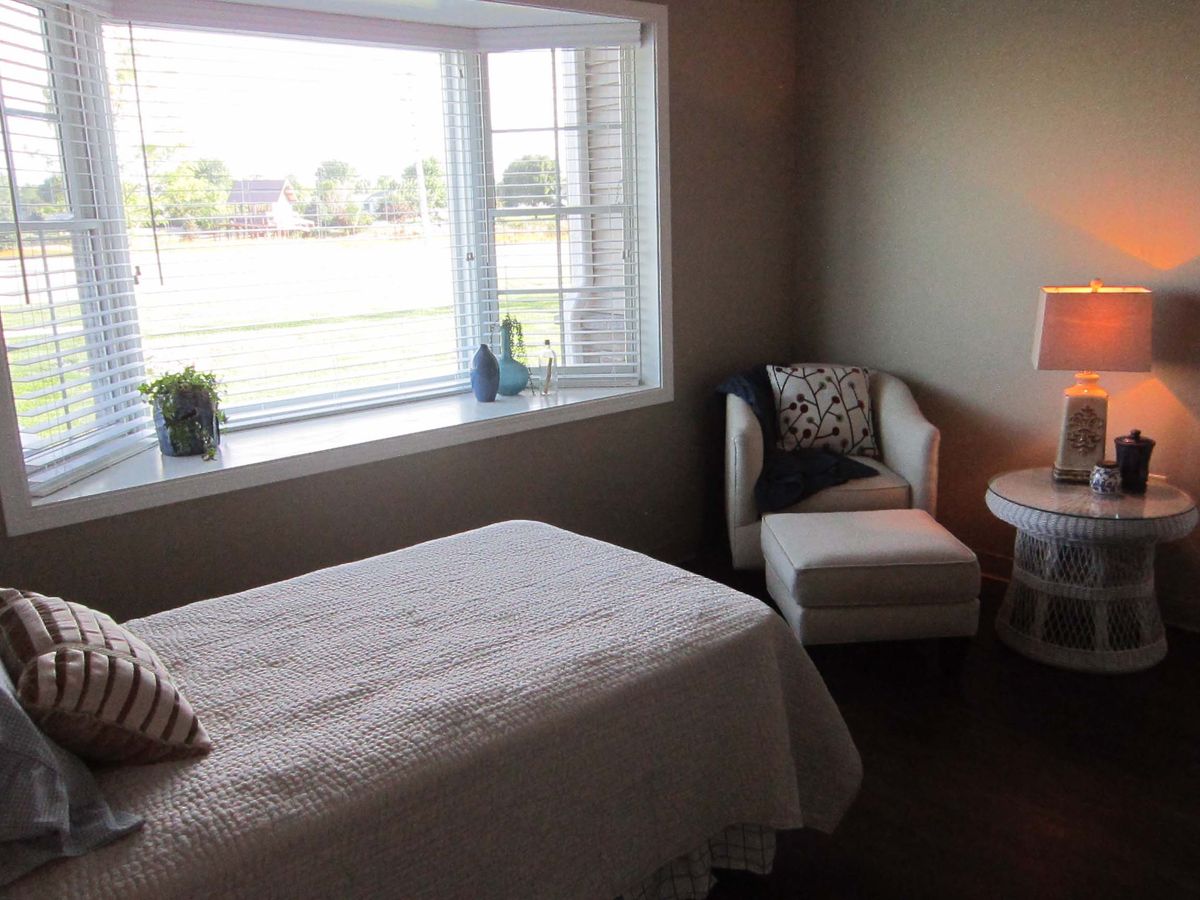
    VA nursing homes, or Community Living Centers (CLCs), offer tailored long-term care for veterans, featuring medical attention and rehabilitation in a supportive environment. The guide covers facility types, eligibility criteria, financial assistance options, quality of care standards, and alternatives to full-time nursing home placement.