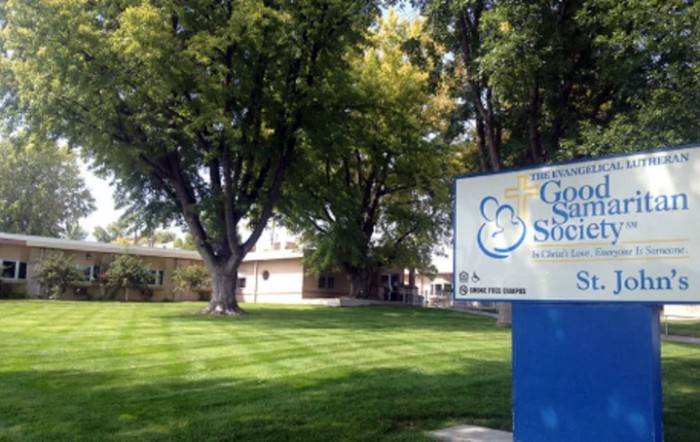


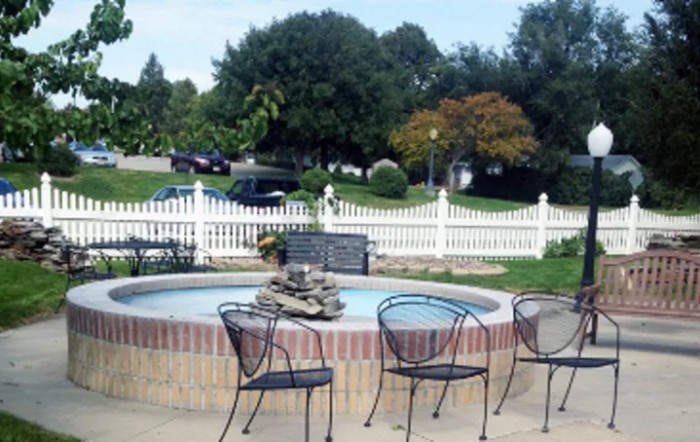

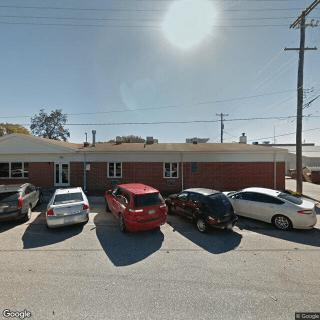
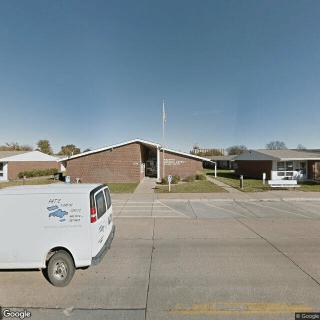
3410 Central Avenue, Kearney, NE 68847
For more information about senior living options: (866) 208-4318
Good Samaritan Society - St Johns Costs & Pricing
Good Samaritan Society - St Johns offers competitive pricing for its services, particularly when compared to the broader Kearney County and Nebraska averages. For semi-private rooms, residents can expect to pay $3,100 per month, significantly lower than the county's average of $4,398 and the state average of $4,123. Private room rates at St Johns align directly with the county's figure at $3,720, yet they remain more affordable than the statewide average of $4,615. In terms of studio accommodations, St Johns charges $4,030 monthly; this is a favorable option compared to Kearney County's average of $4,750 while still exceeding Nebraska's overall rate of $3,728. Overall, Good Samaritan Society - St Johns provides an appealing value for prospective residents seeking quality care in a supportive environment.
| Floor plans | Good Samaritan Society - St Johns | Kearney County | Nebraska |
|---|---|---|---|
| Semi-Private | $3,100 | $4,398 | $4,123 |
| Private | $3,720 | $3,720 | $4,615 |
| Studio | $4,030 | $4,750 | $3,728 |
Overall Review of Good Samaritan Society - St Johns
Pros
 The staff are caring and kind.
- They treat residents with dignity and respect.
- Ms Jennifer, the management team, and all employees are the best.
- Elsa loves her stay and receives the very best care at the facility.
- The Thanksgiving dinner served to seniors and their families is wonderful.
- The staff are excellent and dedicated.
- The staff seek out individual preferences and make residents feel special.
- The staff are caring and work hard to assist each resident.
Cons
 The reviewer notes that the resident would sit on the toilet for half an hour waiting for help to arrive.
- The reviewer reports she was almost given the wrong medications.
- Her clothes were lost in the laundry.
- There is mention of physical and verbal abuse, which is unacceptable.
- The same issues apparently have persisted for years, which is very scary and sad.
- They would never put another family member there.
- There is a perceived lack of adequate help and compassionate nurses for residents.
Review
Good Samaritan Society - St Johns in Kearney is best suited for families seeking a warm, resident-centered environment where staff form real ties with residents and care is delivered with visible kindness and personal attention. It is a viable home for very elderly residents who prize dignity, respect, and a sense of being known. When the goal is a compassionate, family-like atmosphere where caregivers strive to honor individual routines and preferences, this community delivers. It rewards households that want a stable, long-term placement with caregivers who will invest in relationship-building, rather than a clinical, impersonal model.
Those weighing alternatives should consider that this campus may not be ideal for residents with higher medical fragility or demanding safety needs that require exacting, error-free processes on a daily basis. Several reviews flag concerns about medication handling, timely assistance, and consistency in operational systems. The same voices describe ongoing issues that appear persistent over years, including delayed help, near-medication mistakes, and other logistical lapses such as lost clothing. Additionally, there are claims, serious ones, about abuse or harsh treatment at times, which raises questions about the facility’s culture and accountability. Families needing rigorous, tightly managed clinical oversight or a spotless safety track record may want to compare options where compliance and incident resolution are emphasized more strongly.
The strongest advantages center on the human side of care. Staff are repeatedly praised for being caring, patient, and respectful, with staff members actively seeking residents’ preferences and tailoring experiences to make individuals feel special. The management team, particularly a named leader, receives strong affirmations for competence and responsiveness, and there are heartfelt stories of families feeling like the staff are an extension of their own support network. The caring tone shows up in day-to-day interactions, and for residents who thrive on personal connection and consistent, friendly faces, these elements can transform daily living into a dignified, meaningful routine. The social warmth evidenced by events like Thanksgiving meals also underscores the sense of community that residents and their families value.
Yet the present risks cannot be dismissed as minor side effects of a busy campus. The most troubling cons are real and potentially consequential: delays in assistance that force residents to wait for help, the possibility of medication errors, and losses in the laundry process that create practical frustrations and erode trust. The referrals to physical or verbal abuse, whether isolated or systemic, cast a long shadow over day-to-day safety. The sense that “the same issues for years” persist suggests that, even with well-meaning staff, accountability and quality-control mechanisms may not be consistently executing as needed. These tensions between a warm, resident-focused ethos and uneven operational reliability create a cautionary lens through which to view risk.
The key question is whether the pros sufficiently offset the cons for a given family and resident. For families prioritizing relational warmth, continuity of care, and a homey milieu, the positives can materially offset risk, provided there is active advocacy and clear communication with leadership. A culture of staff who remember preferences and treat residents with dignity creates a vital anchor in daily life and can compensate for occasional glitches when there is quick, transparent problem-solving. However, the stubborn, recurrent nature of some complaints means this is not a universal guarantee. Active monitoring by family members, regular care plan reviews, and a frank conversation with the administrator about escalation procedures become essential if choosing this community.
In practical terms, families leaning toward Good Samaritan Society - St Johns should approach the decision with a plan. Visit for a first-hand look at care delivery during peak hours, observe how staff respond to requests, and speak with front-line caregivers about what works well and where they still need support. Request a detailed care plan, including medication management protocols, response-time targets, and the facility’s incident-resolution process. Inquire about laundry handling, clothing replacement timelines, and the ward’s safety checks. Confirm staff-to-resident ratios and explore how the campus supports staff development and accountability, including how concerns from residents and families are escalated. If these elements align with a desire for a compassionate, person-centered home and there is capacity to monitor care closely, this community can be a strong fit. If, instead, a higher standard of immediate safety, flawless medication administration, and rock-solid, years-long reliability are non-negotiable, alternatives may offer clearer peace of mind.
 77 resident community capacity
 Skilled Nursing Facility
 Air-conditioning
 Beauty salon
 Cable or satellite TV
 Computer center
 Dining room
 Fitness room
 Fully furnished
 Gaming room
 Garden
 Housekeeping services
 Kitchenette
 Move-in coordination
 Outdoor space
 Private bathrooms
 Restaurant-style dining
 Small library
 Telephone
 Wellness center
 Wi-Fi/high-speed internet available
 Community operated transportation
 12-16 hour nursing
 24-hour call system
 Activities of daily living assistance
 Assistance with bathing
 Assistance with dressing
 Assistance with transfers
 Diabetes diet
 Medication management
 Mental wellness program
 Special dietary restrictions
 Concierge services
 Planned day trips


 Comprehensive Guide to Qualifying for Home Health Care Services
 Powerful Realities of Elder Abuse and the Most Effective Ways to Report It
 Ten Vital Duties of a Senior Caregiver: A Comprehensive Guide