
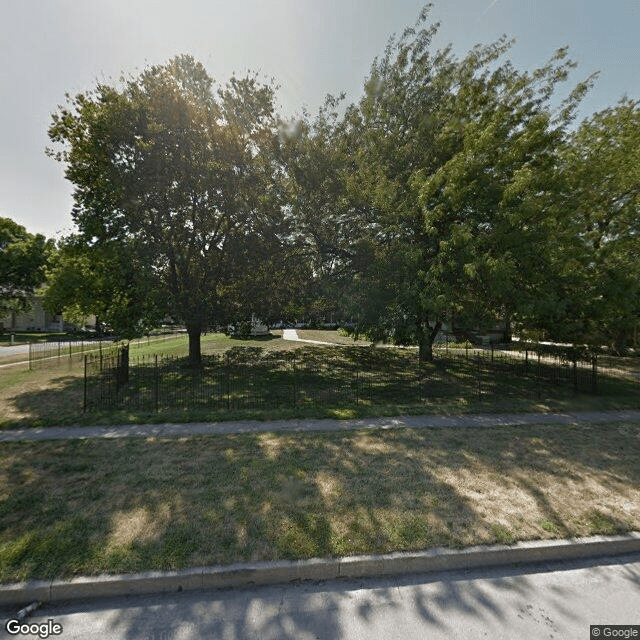
915 N H St, Fremont, NE 68025
To contact a resident: (402) 727-4731
For more information about senior living options: (866) 208-4318
Shiloh Place Assisted Living Costs & Pricing
Shiloh Place Assisted Living offers a variety of accommodation options at competitive prices compared to both Washington County and the broader Nebraska area. For instance, a studio at Shiloh Place is priced at $3,995 per month, which is notably higher than the county's average of $3,623 and Nebraska's $3,728. The one-bedroom unit stands out even more, costing $5,285 - a significant premium over Washington County's average of $3,377 and Nebraska's rate of $3,167. Similarly, the two-bedroom option at Shiloh Place is priced at $5,552, surpassing Washington County's average of $3,779 and Nebraska's $3,627. While Shiloh Place may have higher monthly rates than local averages, it likely reflects an emphasis on quality care and amenities that cater to residents' needs.
| Floor plans | Shiloh Place Assisted Living | Washington County | Nebraska |
|---|---|---|---|
| Studio | $3,995 | $3,623 | $3,728 |
| 1 Bedroom | $5,285 | $3,377 | $3,167 |
| 2 Bedrooms | $5,552 | $3,779 | $3,627 |
Memory care communities with a similar price nearby
-
from +$705 / mo
Lakeside Village
$4,700 / month21.2 miles away -
from -$193 / mo
Bickford of Omaha - Blondo
$3,802 to $4,106 / month24.0 miles away -
from -$445 / mo
Ridgewood Senior Living
$3,550 to $4,240 / month18.9 miles away -
from +$125 / mo
Marquis Place Of Elkhorn
$4,120 to $5,380 / month16.8 miles away -
from +$165 / mo

Esprit Whispering Ridge
$4,160 to $5,745 / month19.2 miles away
Overall Review of Shiloh Place Assisted Living
Pros
 The facility looks great on the outside and online.
Cons
 There is no night staff.
- Residents were given wrong medications, leading to hospitalizations.
- Shiloh Place is not a traditional assisted living home.
- The inside is very different from the outside appearance.
- The facility has extremely low staffing and supervision.
- Help is hard to obtain when needed; residents must rely on each other.
- The environment is extremely chaotic and staff are unhappy, disrespectful, and impatient.
- Residents frequently bicker and appear anxious, depressed, or bored.
- Common areas smell strongly of urine; bed bugs are recurring; rooms are dark, cluttered, and have hazards.
- Meals are not planned or nutritious; food is low quality, high-sodium, sugary junk.
- There are no locks or security; outsiders could roam the building.
- It is hard to reach staff or the owner by phone; nobody answers.
Review
Shiloh Place Assisted Living in Fremont, NE is not a traditional care option. It is best suited for residents with minimal daily support needs and for families who are prepared to supervise closely, almost constantly, to compensate for very limited staffing. It may be considered by those seeking the lowest-cost option and who can tolerate a markedly informal, group-home atmosphere rather than a structured, professionally run assisted-living environment. For most seniors who require reliable medication management, predictable routines, and consistent oversight, this community is not appropriate.
Those evaluating options should explicitly weigh alternatives if safety, accountability, and professional care are priorities. The downsides here are not minor conveniences; they are fundamental barriers to safe, reliable service. The absence of night staff, reported medication errors leading to hospitalizations, and a general pattern of unresponsiveness to calls or visits signal a level of supervision that falls well short of standard assisted living. Family members need to consider whether constant personal oversight and a willingness to intervene. time-consuming, and ongoing safety monitoring are viable expectations or a practical burden they are prepared to shoulder.
The core cons are pervasive and severe. Staffing appears consistently inadequate, with residents left to rely on one another for help, and administrative accessibility described as scarce or unreliable. Cleanliness and hygiene issues recur, urine odors, cluttered rooms, and pest problems are cited as ongoing conditions. Security features are almost non-existent: no door locks, no screens, and an environment where outsiders could potentially access common areas without staff contact. Meal quality and planning are questioned, with reports of high-sodium, low-nutrition fare and meals that feel improvised rather than thoughtfully planned. The overall atmosphere is chaotic, with resident mood described as anxious or bored and frequent disagreements among residents, further signaling a care culture that struggles to maintain calm, safe routines.
On the upside, there is a narrow case to be made for affordability and exterior presentation. Several reviews note a lower price point relative to more conventional assisted living options, and the facility’s exterior appearance may be decent. However, these potential advantages evaporate quickly when weighed against core safety concerns, inconsistent care, and the lack of basic protections such as secure entry and responsive staff. The contrast between exterior optics and interior realities is stark, and the tenuous quality of day-to-day life inside makes any superficial cost savings hollow for families seeking dependable, respectful caregiving.
In practical decision-making terms, the pros do not meaningfully offset the main drawbacks. The absence of reliable medication oversight, the risk of medication errors, and the frequent staffing gaps undermine any savings and undermine trust that daily needs will be met. The emphasis on day-center activities with a religious focus does not compensate for the gaps in personal care, safety, and daily structure. This is a setting where planning, constant vigilance, and a readiness to intervene are essential, not optional add-ons. Any family considering this option should be prepared to conduct frequent, in-depth checks and to advocate aggressively on behalf of the resident.
For families facing a choice, a deliberate diligence plan is critical. Insist on a formal tour at different times, request detailed staffing ratios, and ask for a clear medication management protocol and incident history. Verify licensing and inspections with the state, and solicit candid conversations with current residents or their families about daily routines, response times, and meal quality. If safety, consistency, and professional oversight are priorities, shifting to a facility with licensed CNAs, 24/7 supervision, secure entry, and a proven track record is strongly advised. In the end, Shiloh Place should be regarded as a last-resort option, to be pursued only when there is no feasible alternative and a robust, proactive oversight plan accompanies the choice.
 Board and Care Home
 Memory Care

 Choosing the Right Senior Care: A Detailed Exploration of Assisted Living and Nursing Homes
 Safeguarding Your Memory Through the Golden Years: Eight Ways to Preserve Cognitive Health
 Comprehensive Insights into Activities of Daily Living (ADLs) and Their Assessment