
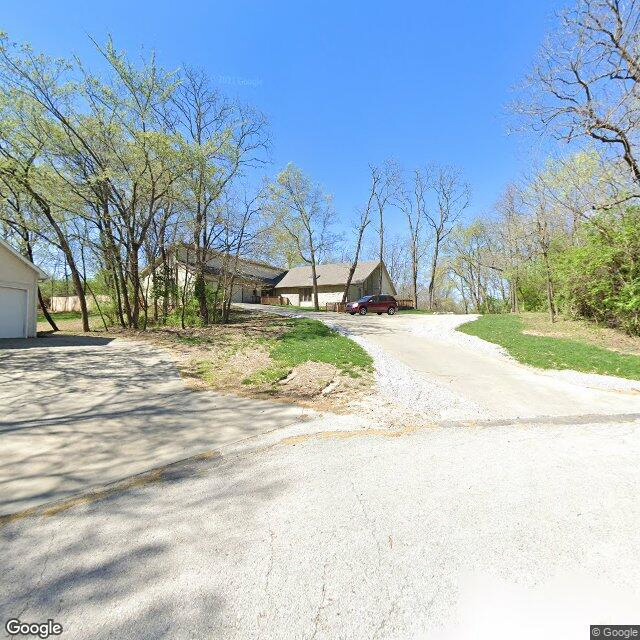
5000 Old Trail Rd, Kansas City, MO 64151
To contact a resident: (913) 676-7277
For more information about senior living options: (866) 208-4318
Galway Homes - Leona House Costs & Pricing
Galway Homes - Leona House offers a 1-bedroom accommodation at $7,000 per month, significantly higher than the average costs in Platte County and the broader state of Missouri, which are $2,796 and $3,349 respectively. This substantial difference may reflect the unique amenities, personalized care options, or specialized services provided at Leona House that cater to residents seeking a higher level of comfort or support. While it may represent a premium investment in quality living, prospective residents should weigh these costs against their individual needs and preferences to determine if the offerings align with their expectations for assisted living.
| Floor plans | Galway Homes - Leona House | Platte County | Missouri |
|---|---|---|---|
| 1 Bedroom | $7,000 | $2,796 | $3,349 |
Memory care communities with a similar price nearby
-
About the same

Our Home Senior Care
$7,000 / month14.4 miles away -
from -$1235 / mo

Brookdale College Square
$5,765 to $6,925 / month20.5 miles away -
About the same
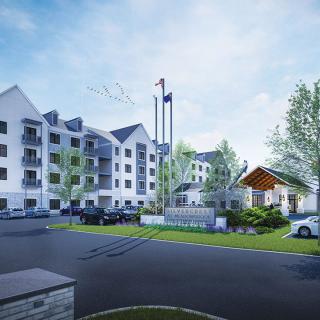
Meadowbrook
$6,801 to $8,841 / month17.9 miles away -
from -$475 / mo
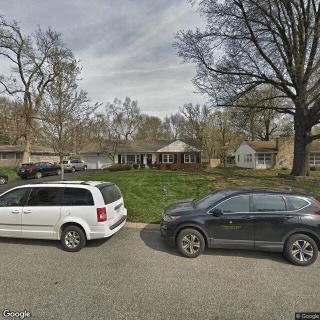
Senior Care Homes
$6,525 / month14.8 miles away -
from -$600 / mo

Brookdale Shawnee
$6,400 / month15.0 miles away
Overall Review of Galway Homes - Leona House
Pros
 The Kansas City location provides personal attention to residents and serves good home-cooked meals.
- It has at least two staff members on-site 24/7 in a small, seven-resident home.
- A staff member personally brought and sliced a fresh tomato for the resident, who loved it.
- The Galloway residential homes for dementia are warm and loving, with many long-tenured staff.
- The resident who moved from a larger facility has done very well, showing a dramatic positive change.
- The reviewer would recommend the facility in the north Kansas City area for long-term care when openings are available.
Cons
 The mom suffered multiple UTIs and a black eye.
 - Staff discouraged going to the Emergency Department yet kept mom there for three nights.
- The owner allegedly retaliated by issuing two 30-day notices of discharge, both denied by the state.
- The owner allegedly called Adult Protective Services claiming the mom was being taken against her will.
- The nurse practitioner, in cahoots with the owner, refused to sign paperwork for a new facility.
- Several caregivers were reportedly surveilled via interior cameras and harassed.
- There were almost zero activities and no specialized care or communication strategies for residents with memory impairment.
- The facility charged $8,200 per month and did not return the $3,000 security deposit despite vacating conditions being met.
- A family member’s stay at the Kansas City location was described as less-than-ideal.
Review
Galway Homes - Leona House is best suited for families seeking a very small, home-like setting in Kansas City where residents receive highly personalized attention and staff relationships feel intimate. The seven-resident scale creates a warm, domestic atmosphere with familiar caregivers, home-cooked meals, and frequent direct contact with the same team. This environment works well for seniors who thrive on predictable routines, minimal sensory overload, and a sense of belonging that comes from being known by name and preference. It is not the right choice for those who require formal memory-care programming, robust on-site medical coordination, or a wide-ranging activities calendar; in those cases, a larger community with dedicated memory-care resources and structured programming is typically more suitable.
Alternatives worth considering are larger assisted living communities with dedicated memory-care wings, more formal activity schedules, and governance structures that are easy to scrutinize. For families prioritizing safety, transparency, and predictable medical oversight, facilities with established nurse practitioner support, clear hospital transfer protocols, and documented care-planning processes tend to deliver fewer surprises. Those needing intensive memory-support or highly proactive engagement with clinicians and specialists will want to compare these capabilities across several options before deciding.
The strongest positives here, personal attention, a warm home-cooked dining experience, and around-the-clock staffing in a small setting, can meaningfully offset some gaps in formal care services. The smaller footprint often means caregivers know residents well, notice subtler changes, and respond with immediacy that larger campuses struggle to match. However, the trade-off is a limited menu of activities, lighter memory-support programming, and less formalized care plans. When the positives are weighed against potential governance and safety concerns, the decision hinges on how much value is placed on intimate contact versus formalized care structure and oversight.
The most troubling notes surface around medical monitoring and governance. Reported incidents involving urinary tract infections and a black eye raise legitimate questions about medical vigilance and incident escalation. Allegations of discouraging emergency visits, retaliatory discharge notices, and involvement of authorities in family decisions contribute to a perception of a fragile governance environment. Claims of staff being monitored via cameras and targeted harassment further suggest a high-stress milieu rather than a consistently reassuring setting. Financial concerns, nonrefunded security deposits after vacating, compound these red flags. While such statements require independent verification, they are material enough to demand rigorous due diligence.
Prospective families should verify several practical elements during tours and conversations. Insist on a current, written plan of care tailored to memory impairment if applicable, and request a clear activities calendar showing meaningful engagement. Review the facility’s incident and discharge procedures, and confirm that any discharge actions align with state regulations and timelines. Obtain the most recent licensure inspection report, any cited deficiencies, and a transparent outline of staffing ratios and caregiver tenure. Scrutinize the contract and deposit policies, and seek references from multiple families who can speak to safety, communication, and day-to-day care. If a decision is made to proceed, insist on concrete safeguards, documentation, and a pathway for escalating concerns.
Bottom line: Galway Homes - Leona House can deliver a genuinely warm, intimate living experience that feels like a caregiving family, with strong personal connections and a calmer pace that some residents and families prize. That strength, however, sits beside notable concerns about safety, governance, and the adequacy of memory-care supports. For families prioritizing a robust care framework, transparent operations, and reliable medical coordination, exploring alternatives is prudent. The prudent path is a thorough, hands-on evaluation, tour with a focus on care planning, safety protocols, and financial terms, and corroboration of claims with regulators and current residents’ families before committing.
 Board and Care Home
 Memory Care
 Kansas City International (7 miles away)






 Comprehensive Insights on the Late Stages of Dementia: What to Expect and How to Provide Care
 Medications Associated with Dementia Risk: A Comprehensive Overview
 Guiding Your Journey: Understanding Power of Attorney for Elderly Parents