6700 Egan Dr, Savage, MN 55378
To contact a resident: (952) 855-8665
For more information about senior living options: (866) 208-4318

Rivers of Life Memory Care/Enhanced Assisted Living Costs & Pricing
Rivers of Life Memory Care/Enhanced Assisted Living offers a specialized care environment that comes with a monthly cost of $7,500 for their studio accommodations. This pricing reflects the comprehensive services and tailored support provided to residents, which are essential for their well-being and quality of life. In comparison, the average costs in Scott County and across Minnesota reveal significantly lower rates - $4,232 and $3,617 respectively - for similar types of living arrangements. While Rivers of Life exceeds these averages, it is important to consider the unique services, expertise, and care models that justify its higher pricing, particularly for those requiring enhanced support in memory care settings.
| Floor plans | Rivers of Life Memory Care/Enhanced Assisted Living | Scott County | Minnesota |
|---|---|---|---|
| Studio | $7,500 | $4,232 | $3,617 |
Memory care communities with a similar price nearby
-
About the same
Artis Senior Living of Woodbury
$7,650 / month24.2 miles away -
About the same
Beehive Homes of Lakeville
$7,300 / month8.5 miles away -
from -$300 / mo
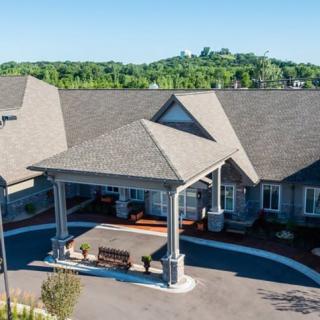
The Moments Of Lakeville
$7,200 / month4.5 miles away -
from +$400 / mo
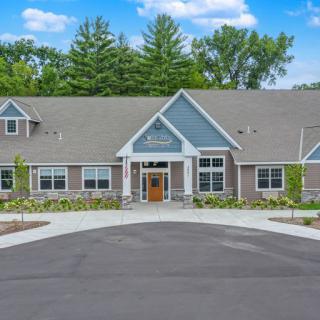
Suite Living of Crystal
$7,900 / month18.1 miles away -
from -$1250 / mo
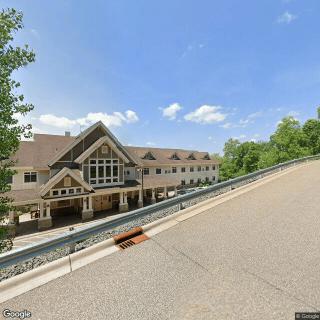
White Pine Senior Living - Cottage Grove II
$6,250 / month20.5 miles away
Overall Review of Rivers of Life Memory Care/Enhanced Assisted Living
Pros
 The facility is amazing, with a pristine, safe, and loving community.
- Prospective visitors are encouraged to take a tour to see for themselves.
- Residents are welcomed warmly on arrival, with staff assisting grooming and care.
- Staff engage residents in activities, promote mobility, and provide outdoor time they enjoy.
- Families find comfort knowing residents receive wonderful care and belong to a community.
- The dementia care provided is top-notch and highly individualized, keeping residents safe and well cared for.
- Rivers of Life is described as the new standard in senior care, a vibrant community that cares for both residents and staff.
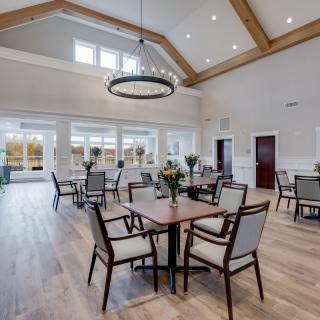
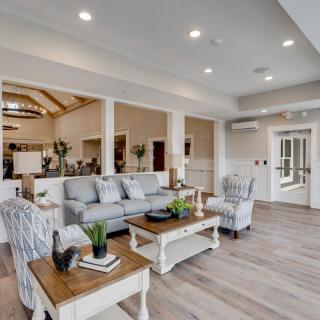
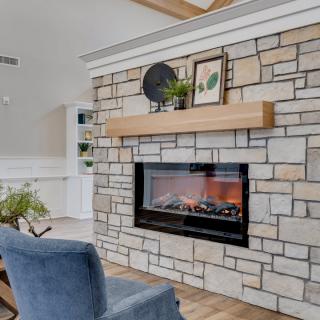
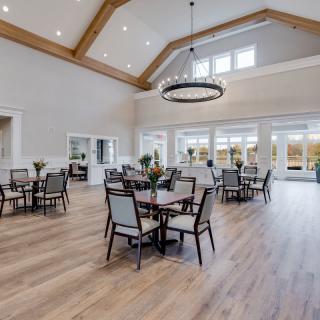
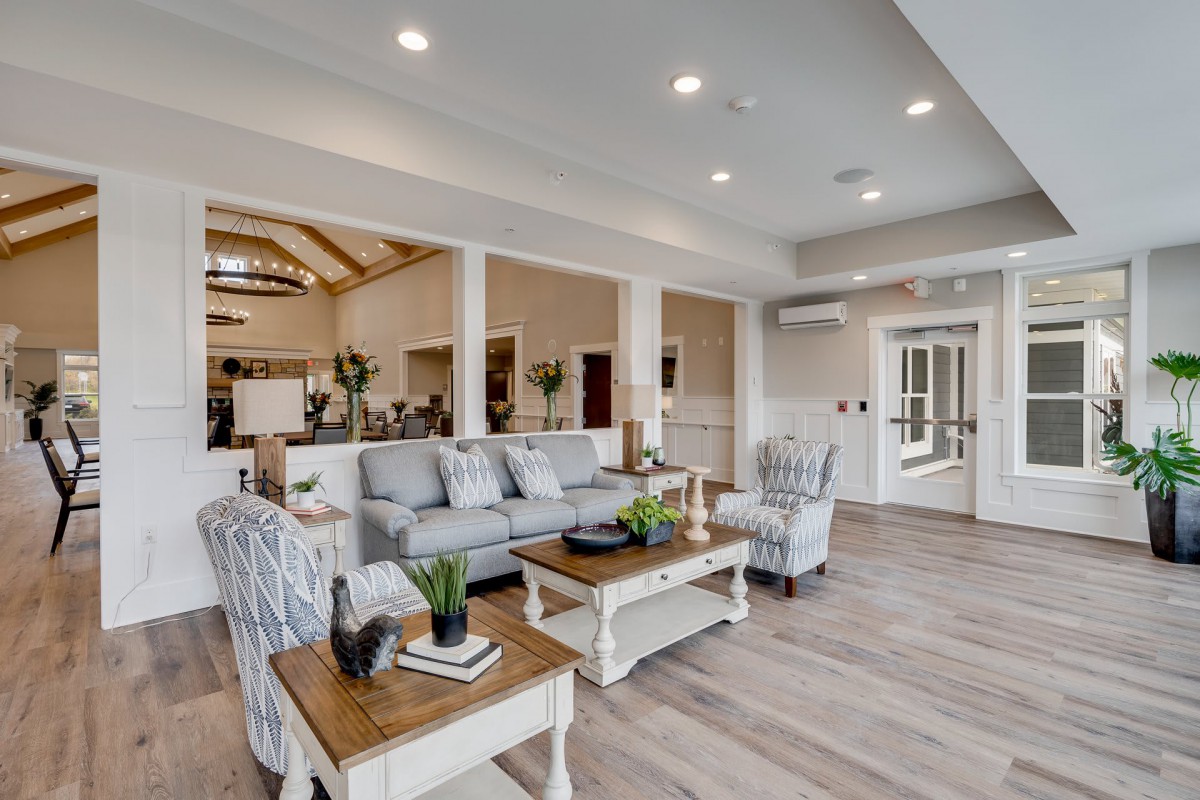
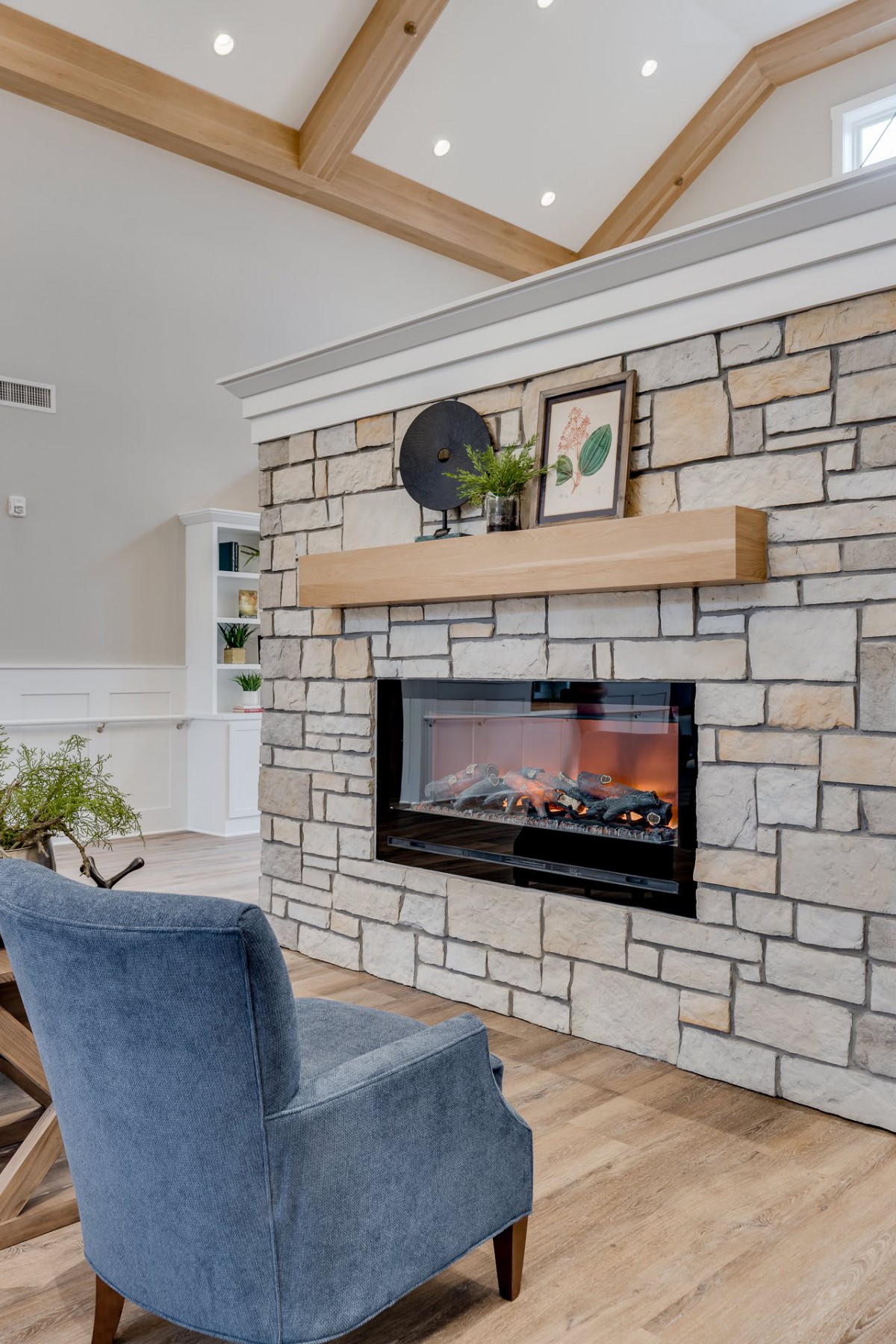
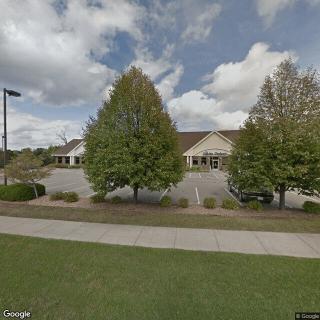
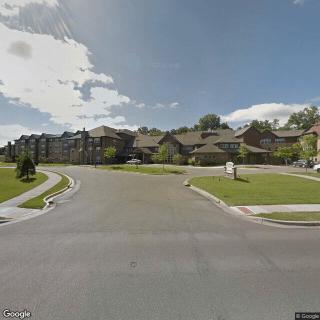
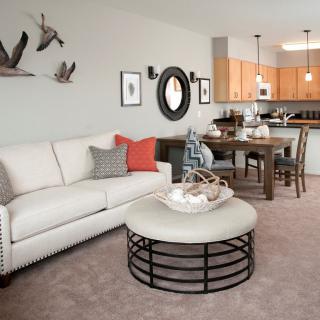
- The building is well-appointed, inviting, safe, luxurious, and full of amenities.
Review
Rivers of Life Memory Care/Enhanced Assisted Living in Savage, MN is best suited for seniors who need memory-care support but still want a living setting that feels welcoming, safe, and thoughtfully designed. The community shines for residents with dementia or related cognitive challenges who benefit from highly individualized care plans, constant supervision, and purposeful daily activities. Families seeking peace of mind from a post-hospital transition, where the staff not only attends to practical needs but also helps residents re-establish routines, regain dignity, and engage socially, will find this campus particularly compelling. The combination of specialized dementia programming, a warm staff culture, and an aesthetically appealing environment makes it a compelling fit for those prioritizing both clinical attention and quality of life.
Those who may want to consider alternatives are clear-cut: individuals without memory-care needs or those seeking simpler, more economical options may find other communities a better fit. Similarly, families working with tighter budgets or seeking a more low-key, less “luxury” vibe might explore traditional assisted living or smaller, home-like residences. For residents who require a different emphasis, such as more medical-intensive services, a more clinical feel, or a facility with a different location, other options in the area deserve comparison. In short, when dementia-specific support and a vibrant, upscale environment are not essential, a measured comparison is warranted.
The strongest pros here revolve around specialized, individualized dementia care and a culture that places residents at the center. Care plans are described as highly tailored to each person, with staff proactively facilitating engagement, mobility, and social connection. Families note that care teams go beyond routine tasks to address grooming, mood, and participation in meaningful activities, sometimes even capturing moments on video to share with loved ones. The staff’s warmth and accessibility translate into a sense of safety and belonging for residents, turning what can be a stressful life transition into a less daunting experience. This level of attentiveness is reinforced by the community’s emphasis on purposeful activity, sunlight, fresh air, and shared moments that foster dignity and joy.
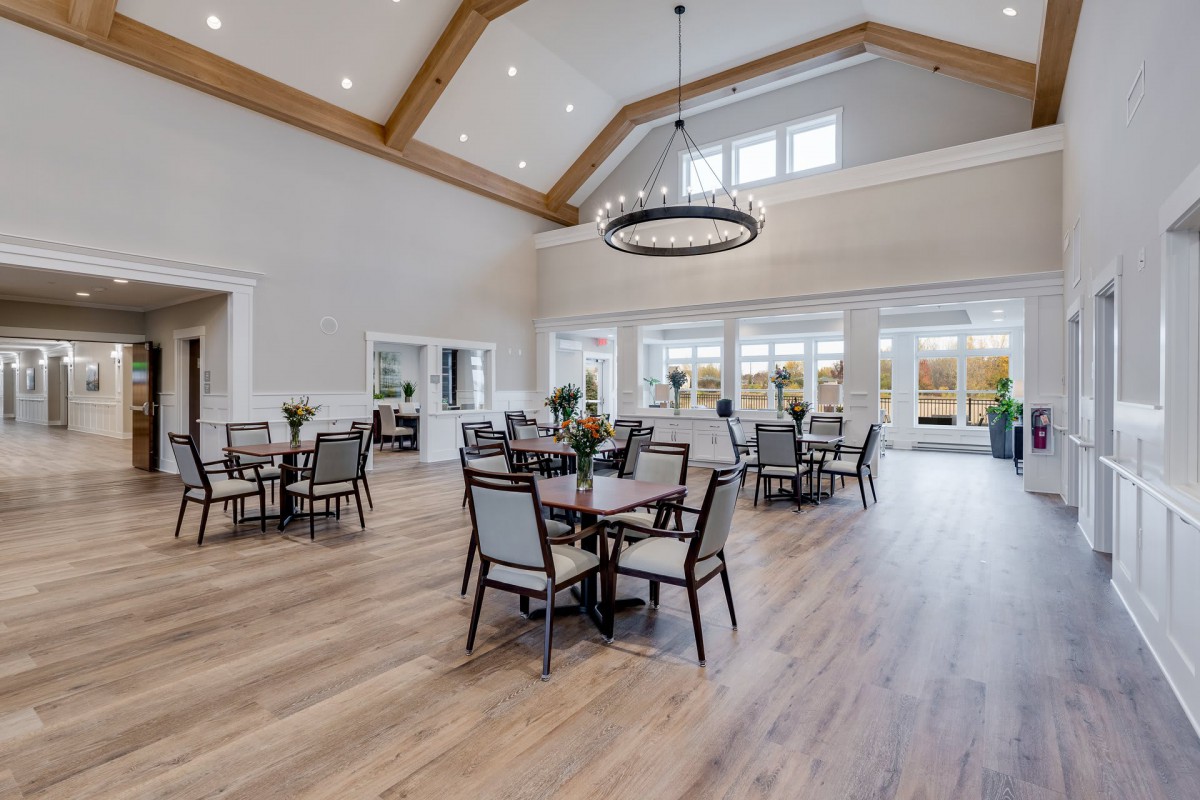
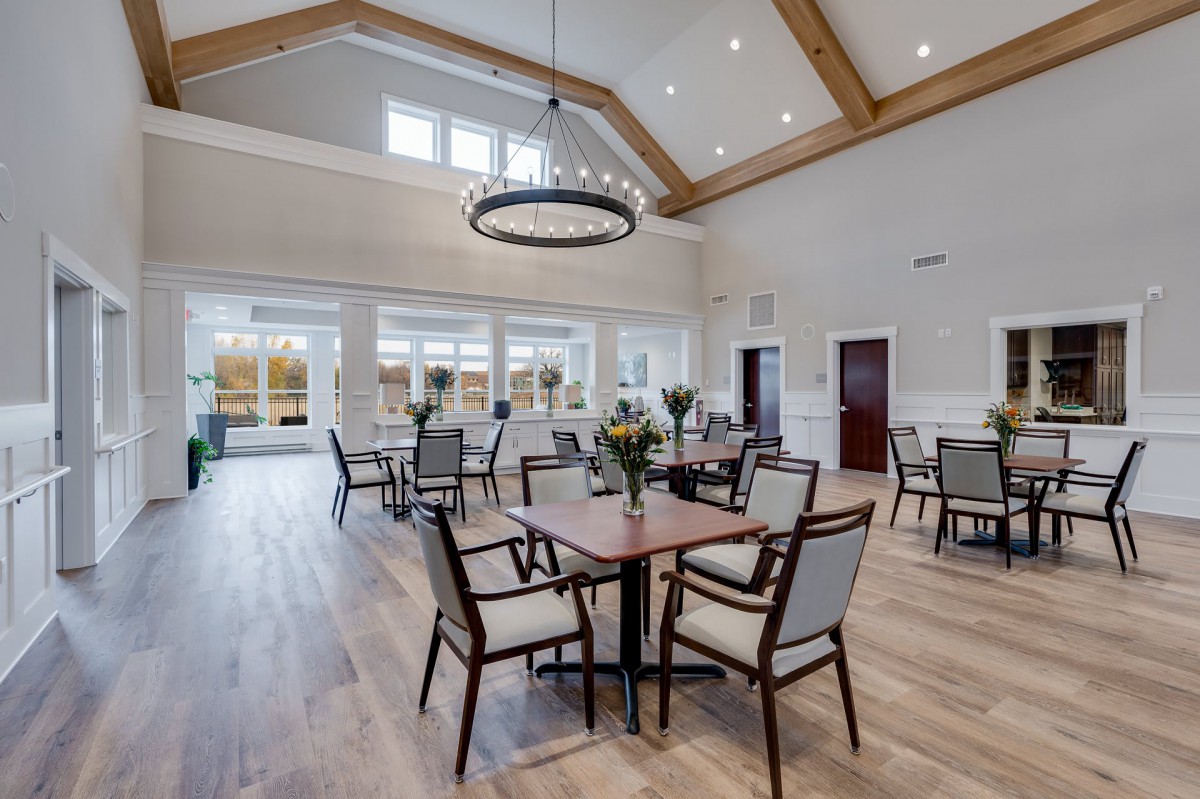
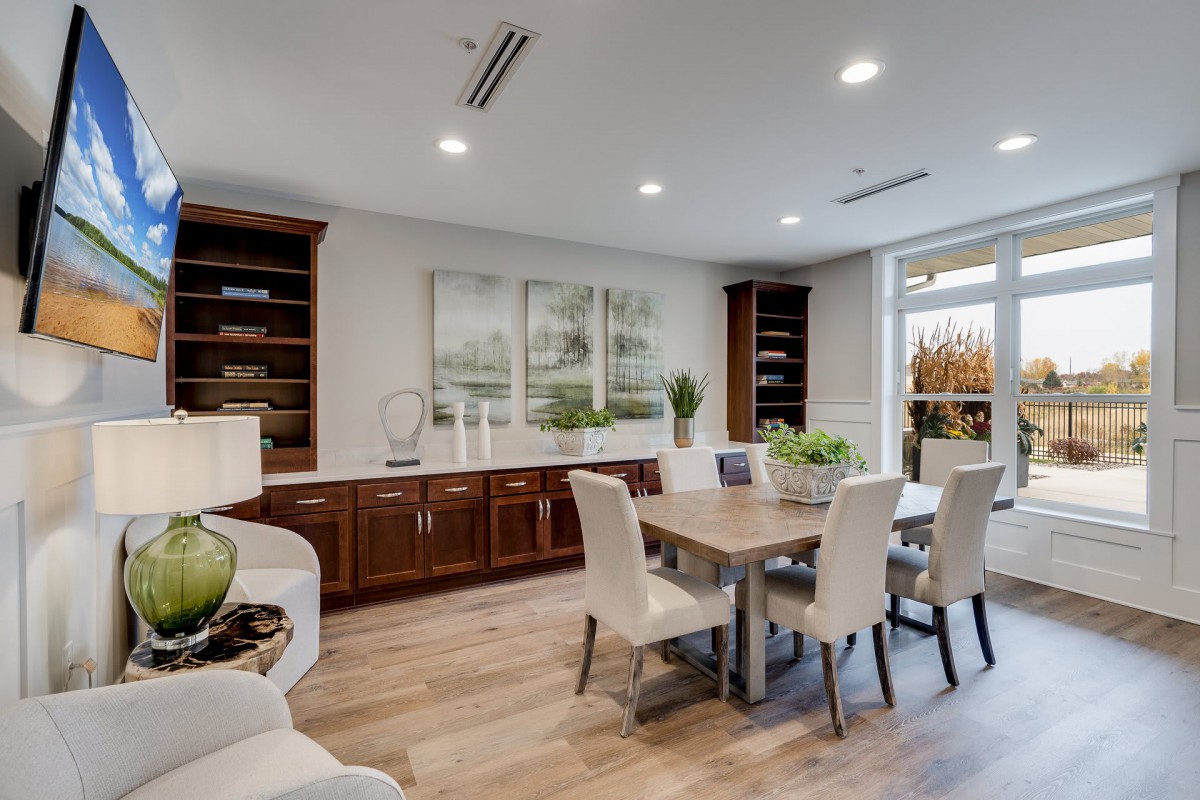
Equally persuasive is the environment itself: a beautifully appointed building that feels both inviting and secure, with amenities that support a high quality of daily living. The setting conveys luxury without losing a homey, resident-centered feel, which appears to reduce resistance to care and enhance participation in daily routines. The dining experience, social atmosphere, and accessible outdoor space contribute not only to enjoyment but to consistent engagement, key factors for memory-care residents. The overall culture, vibrant, professional, and respectful, helps retain good staff and sustain the level of care families expect when facing dementia-related needs.
The absence of explicit downsides in the firsthand accounts may tempt readers to assume an ideal fit, but prudent families will still weigh practical trade-offs. The most meaningful one is financial: the upscale, comprehensive approach comes with a price tag that reflects the level of dementia care, amenities, and staffing. Before committing, it is essential to obtain a transparent breakdown of what is included in base fees, what constitutes add-ons, and how costs may evolve over time. For those who anticipate long-term memory-care needs, the value proposition remains strong if the budget allows, yet it warrants careful planning and clear discussions with admissions staff.
Guidance for a decisive visit is straightforward. Schedule a tour and observe how staff interact with residents, especially during routine activities and transition moments. Ask concrete questions about staffing ratios, dementia programming, and how individualized plans are developed and updated. Request examples of daily calendars, meal options, and opportunities for family involvement. If possible, speak with current families about their experiences with transition from hospital or home to the community and how staff supported that process. In the end, Rivers of Life stands out as a leading choice for memory-care living in Savage, delivering a compelling blend of specialized care, engaged living, and a sophisticated, resident-centered environment, best matched to those who prioritize dignity, safety, and a rich daily life for loved ones with memory challenges.
 Memory Care
 Activities on-site
 Beautician on-site
 Devotional services on-site
 Indoor common areas
 Outdoor common areas
 Respite or short term stays offered
 Wheelchair accessible showers
 Minneapolis-St Paul International (12 miles away)
 Diabetic care
 High acuity care
 Incontinence care
 Medication management
 Gluten-free
 Light therapy programs
 Montessori programs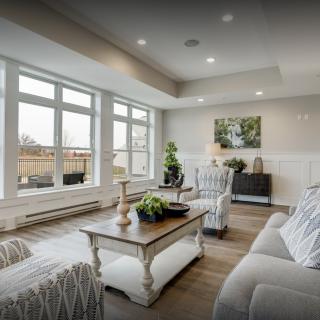



 Dementia-Related Hallucinations: Causes, Experiences, and Practical Approaches
 Illuminating Insights About Alzheimer's Disease: Ten Crucial Realities
 A Thorough Discussion of Medications Potentially Linked to Dementia Risk